

News
Colonialism’s legacy has left Caribbean nations much more vulnerable to hurricanes

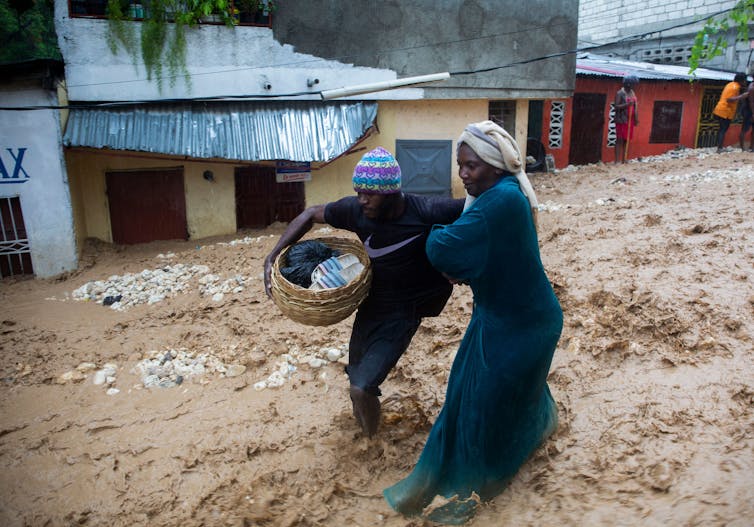
Farah Nibbs, University of Maryland, Baltimore County
Long before colonialism brought slavery to the Caribbean, the native islanders saw hurricanes and storms as part of the normal cycle of life.
The Taino of the Greater Antilles and the Kalinago, or Caribs, of the Lesser Antilles developed systems that enabled them to live with storms and limit their exposure to damage.
On the larger islands, such as Jamaica and Cuba, the Taino practiced crop selection with storms in mind, preferring to plant root crops such as cassava or yucca with high resistance to damage from hurricane and storm winds, as Stuart Schwartz describes in his 2016 book “Sea of Storms.”
The Kalinago avoided building their settlements along the coast to limit storm surges and wind damage. The Calusa of southwest Florida used trees as windbreaks against storm winds.
In fact, it was the Kalinago and Taino who first taught the Europeans – primarily the British, Dutch, French and Spanish – about hurricanes and storms. Even the word ‘hurricane’ comes from Huracán, a Taino and Mayan word denoting the god of wind.
But then colonialism changed everything.
I study natural disasters in the Caribbean, including how history molded responses to disasters today.
The current disaster crisis that the Caribbean’s small islands are experiencing as hurricanes intensify did not start a few decades ago. Rather, the islands’ vulnerability is a direct result of the exploitative systems forced upon the region by colonialism, its legacies of slave-based land policies and ill-suited construction and development practices, and its environmental injustices.
Forcing people into harm’s way
The colonial powers changed how Caribbean people interacted with the land, where they lived and how they recovered from natural hazard events.
Rather than growing crops that could sustain the local food supply, the Europeans who began arriving in the 1600s focused on exploitative extractive economic models and export cash crops through the plantation economy.
They forced Indigenous people off their lands and built settlements along the coast, which made it easier to import enslaved peoples and goods and to export cash crops such as sugar and tobacco to Europe – and also left communities vulnerable to storms. They also developed settlements in low-lying areas, often near rivers and streams, which could provide transportation for agricultural produce but which became flood risks during heavy rains.

Today, more than 70% of the Caribbean’s population lives along the coast, often less than a mile from the shore. These coastlines are not only highly exposed to hurricanes but also to sea-level rise fueled by climate change.
Legacies of slave-based land policies
Colonialism’s legacy of land policies has also made recovery from disasters much harder today.
When colonial powers took over, a few landowners were given control of most of the land, while the majority of the population was forced onto marginal and small areas. The local population had no legal right to the land, as the people did not possess land certificate titles or deeds and were often forced to pay rent to landlords.
After independence, most island governments tried to acquire land from former plantations or estates and to redistribute it to the working class. But these efforts, mainly in the 1960s and ’70s, largely failed to transform land ownership, improve economic development or reduce vulnerability.
One colonial legacy perpetuating vulnerability to this day is known as crown land, or state land. In the English-speaking Caribbean, all land for which there was no land grant was considered property of the British crown. Crown land can be found in every English-speaking island to this day. https://www.youtube.com/embed/YTckM-cNeII?wmode=transparent&start=0 How colonial powers controlled the Caribbean over time.
For example, in Barbuda, all land is vested in the “crown in perpetuity” on behalf of Barbudans. This means that an individual born on the island of Barbuda cannot individually own land.
Instead, land is communally owned, which limits access to the credit and development opportunities that were sorely needed to reconstruct the island after Hurricane Maria in 2017. Most Barbudans were unable to insure their homes because they had no title deeds to their property.
This and other collective land tenure systems created by colonialism places Caribbean residents at greater risk from a variety of natural hazards and limits their ability to seek financial credit for disaster recovery today.
The roots of poor construction
Vulnerability to disasters in the Caribbean also has roots in post-slavery housing construction and subsequent failures to institute proper building codes.
After emancipation from slavery, freed people had no right nor access to land. To build houses, they were forced to lease land from the former enslavers who at a whim could terminate their employment or kick them off the land.
This led to the development of a particular type of housing structure known as chattel houses in countries such as Barbados. These houses are tiny and were constructed in a way in which they could be easily taken apart and loaded onto carts, should the residents be forced out by their former enslavers. Many Bajans still live in these houses today, although quite a few have been converted to restaurants or shops.

In Aruba, Bonaire and Curaçao, owned by the Dutch, slave huts were built along the coast, on land not suitable for agriculture and easily damaged by storms. These former slave huts are now tourist attractions, but the colonial patterns of settling along the coast has left many coastal communities exposed to hurricane damage and rising seas.
The vulnerability of such houses is not only a result of their exposure to natural hazards but also the underlying social structures.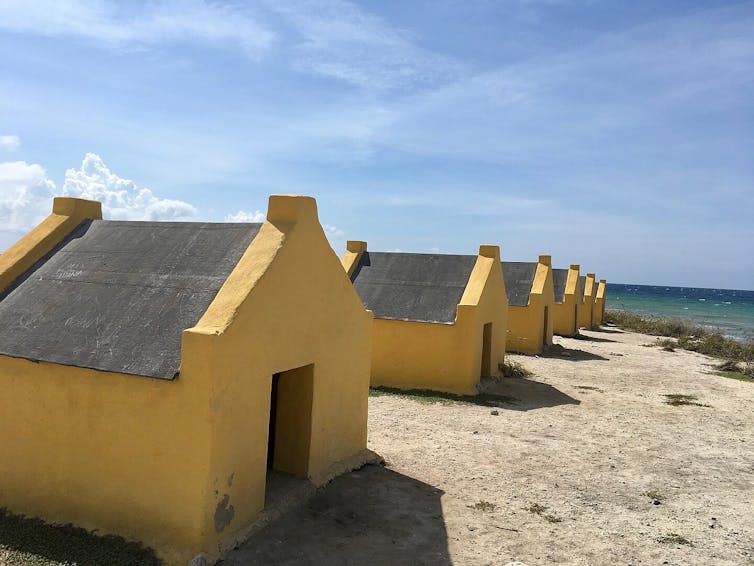
In many islands today, poorer residents can’t afford protective measures, such as installing storm shutters or purchasing solar-powered generators.
They often live in marginal and disaster-prone areas, such as steep hillsides, where housing tends to be cheaper. Houses in these areas are also often poorly constructed with low-grade materials, such as galvanized sheeting for roofs and walls.
This situation is made worse by the informal and unregulated nature of residential housing construction in the region and the poor enforcement of building codes.
Due to the legacy of colonialism, most housing or building standards or codes in the Commonwealth Caribbean are relics from the United Kingdom and in the French Antilles from France. Building standards across the region lack uniformity and are generally subjective and uncontrolled. Financial limitations and staffing constraints mean that codes and standards more often than not remain unenforced.
Progress, but still a lot of work to do
The Caribbean has made progress in developing wind-related building codes to try to increase resilience in recent years. And while damage from torrential rain is still not properly addressed in most Caribbean building standards, scientific guidance is available through the Caribbean Institute for Meteorology and Hydrology in Barbados.
Individual islands, including Dominica and Saint Lucia, have new minimum building standards for recovery after disasters. The island of Grenada is hoping to guide new construction as it recovers from Hurricane Beryl. Trinidad and Tobago has developed a national land use strategy but has struggled to use it.
Construction standards can help the islands build resilience. But work remains to be done to overcome the legacy of colonial-era land policies and development that have left island towns vulnerable to increasing storm risks.
Farah Nibbs, Assistant Professor of Emergency and Disaster Health Systems, University of Maryland, Baltimore County
This article is republished from The Conversation under a Creative Commons license. Read the original article.
The Bridge is a section of the STM Daily News Blog meant for diversity, offering real news stories about bona fide community efforts to perpetuate a greater good. The purpose of The Bridge is to connect the divides that separate us, fostering understanding and empathy among different groups. By highlighting positive initiatives and inspirational actions, The Bridge aims to create a sense of unity and shared purpose. This section brings to light stories of individuals and organizations working tirelessly to promote inclusivity, equality, and mutual respect. Through these narratives, readers are encouraged to appreciate the richness of diverse perspectives and to participate actively in building stronger, more cohesive communities.
https://stmdailynews.com/the-bridge
Discover more from Daily News
Subscribe to get the latest posts sent to your email.


actors & performers
T.K. Carter, The Thing and Punky Brewster Actor, Dies at 69
Actor T.K. Carter, known for The Thing and Punky Brewster, has died at age 69. A look at his career and lasting legacy in film and television.


T.K. Carter in Punky Brewster (1984) Image: IMDB
Veteran actor T.K. Carter, best known for his roles in The Thing and the popular 1980s television series Punky Brewster, has died at the age of 69.
Authorities confirmed Carter was found unresponsive at his home in Duarte, California. No foul play is suspected, and an official cause of death has not yet been released.
A Career Spanning Decades
Born Thomas Kent Carter, T.K. Carter built a career in film and television that spanned more than four decades. He became a cult favorite portraying Nauls in John Carpenter’s 1982 horror classic The Thing, a film that continues to influence the genre today.
Television audiences widely remember Carter for his role as Mike Fulton on Punky Brewster, where his comedic timing and grounded performances helped make the show a lasting favorite of the era.
Film and Television Legacy
In addition to his best-known roles, Carter appeared in films such as Runaway Train, Ski Patrol, and Space Jam. His television work included guest appearances on a wide range of series throughout the 1980s, 1990s, and beyond.
Known within the industry as a reliable and versatile performer, Carter often brought authenticity and warmth to supporting roles that left a lasting impression, even in brief appearances.
Remembering T.K. Carter
As news of his passing spreads, fans and colleagues alike are reflecting on T.K. Carter’s contributions to film and television. While he may not have always been the leading name on the marquee, his work helped shape stories that continue to be watched and appreciated by new generations.
T.K. Carter is remembered for his enduring performances, professional dedication, and the quiet but meaningful legacy he leaves behind.
Related Coverage
- Los Angeles Times: Actor T.K. Carter Dies at 69
- People Magazine: T.K. Carter, ‘The Thing’ and ‘Punky Brewster’ Actor, Dead at 69
- Entertainment Weekly: T.K. Carter, ‘Punky Brewster’ and ‘The Thing’ Actor, Dies
- ABC News: Veteran Actor T.K. Carter Dies at 69
Stay with STM Daily News for updates to this developing story and more independent coverage of entertainment, history, and culture. Visit www.stmdailynews.com for the latest.
Discover more from Daily News
Subscribe to get the latest posts sent to your email.
News
Gregory Outreach Services Expands Food Access with Addition of Third Refrigerated Van
Gregory Outreach Services expands its mission to fight food insecurity with the addition of a third refrigerated van, doubling food access for low-income seniors and veterans in Phoenix.
Last Updated on January 8, 2026 by Daily News Staff
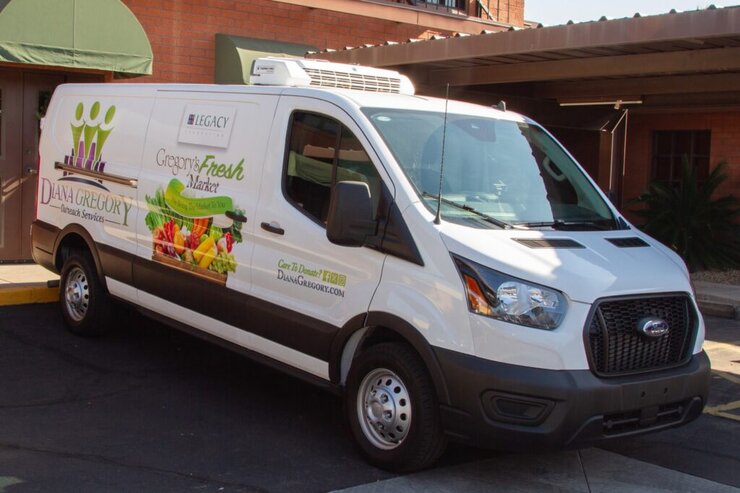
Gregory Outreach Services’ newest refrigerated delivery van expands food access for low-income seniors and veterans across Phoenix.
Phoenix, AZ — Gregory Outreach Services has taken a major step forward in its mission to fight food insecurity with the addition of a third refrigerated delivery van, significantly expanding its capacity to serve low-income seniors and veterans across the Phoenix area.
The new refrigerated van was made possible through the support of a generous anonymous donor. The expansion is further strengthened by the continued generosity of the BHHS Legacy Foundation, who donated fresh produce to support the organization’s growing distribution efforts.
As rising food costs and inflation continue to place pressure on individuals living on fixed incomes, the need for reliable access to nutritious food has never been greater. This latest addition to the organization’s mobile fleet allows Gregory Outreach Services to double the number of individuals served, while maintaining strict food safety and quality standards.
“As the cost of living continues to rise, more seniors and veterans are struggling to afford nutritious food,” said Diana Gregory, Founder and CEO of Gregory Outreach Services. “This van allows us to bridge a widening gap for individuals living on fixed incomes, many of whom face mobility challenges and limited access to fresh food options.”
Meeting a Growing Community Need
Gregory Outreach Services works directly with seniors and veterans who are disproportionately affected by inflation, medical expenses, and transportation barriers. For many, simply reaching a grocery store can be a challenge. Refrigerated vehicles are essential to ensuring that fresh fruits and vegetables arrive safely and consistently at senior housing communities, veteran shelters, and community distribution sites.
“This third van complements the two already in operation and represents a critical milestone in our growth,” Gregory added. “We are deeply grateful to our anonymous donor for investing in our mission, and to BHHS Legacy Foundation’s Board of Directors and its CEO, Jerry Wissink for Legacy’s generosity in donating fresh produce. Together, this support allows us to scale our impact and respond to the increasing needs of our community.”
Expanding Impact While Preserving Dignity
With an expanded fleet and increased food supply, Gregory Outreach Services is better positioned to address food insecurity, promote healthier outcomes, and serve seniors and veterans with dignity, respect, and care. The organization’s mobile delivery model ensures help reaches those who need it most — directly and reliably.
About Gregory Outreach Services
Gregory Outreach Services is a nonprofit organization dedicated to improving health outcomes for low-income seniors and veterans through mobile produce delivery, nutrition education, and community-based wellness programs. By bringing fresh food directly to those most in need, the organization works to reduce food insecurity and strengthen community wellness.
For more information, visit dianagregory.com.
Stories of Change: People Making a Difference
Discover inspiring stories of changemakers making a positive impact. Explore videos and articles of people tackling today’s biggest challenges with action and hope. Visit: https://stmdailynews.com/stories-of-change/
Dive into “The Knowledge,” where curiosity meets clarity. This playlist, in collaboration with STMDailyNews.com, is designed for viewers who value historical accuracy and insightful learning. Our short videos, ranging from 30 seconds to a minute and a half, make complex subjects easy to grasp in no time. Covering everything from historical events to contemporary processes and entertainment, “The Knowledge” bridges the past with the present. In a world where information is abundant yet often misused, our series aims to guide you through the noise, preserving vital knowledge and truths that shape our lives today. Perfect for curious minds eager to discover the ‘why’ and ‘how’ of everything around us. Subscribe and join in as we explore the facts that matter. https://stmdailynews.com/the-knowledge/ Get The Knowledge. Read more community news and local stories at STM Daily News.
Discover more from Daily News
Subscribe to get the latest posts sent to your email.
Economy
How Bird Flu Upended the U.S. Egg Market — and Why Prices Are Finally Beginning to Stabilize
Egg Market: Egg prices surged during the U.S. bird flu outbreak as laying hen inventories collapsed. Here’s how flock recovery is helping stabilize egg prices today.

How Bird Flu Upended the U.S. Egg Market — and Why Prices Are Finally Beginning to Stabilize
Few grocery items frustrated American consumers over the past two years quite like eggs. Once an inexpensive staple, egg prices surged to historic highs following a prolonged outbreak of highly pathogenic avian influenza (HPAI), commonly known as bird flu. Today, however, prices appear to be stabilizing. Here’s how the crisis unfolded — and why relief is finally showing up at the checkout line.The Bird Flu Crisis and Its Impact on Egg Supply
Beginning in 2022, the United States experienced one of the most severe bird flu outbreaks in modern history. The virus spread rapidly through poultry farms, forcing producers to cull millions of birds to prevent further transmission. Egg-laying hens were hit especially hard, leading to a sharp drop in egg production nationwide. By 2024 and into early 2025, the cumulative losses totaled well over one hundred million birds. With fewer hens producing eggs, supply tightened dramatically, and prices soared. At the peak of the crisis, consumers in some regions saw egg prices climb above six dollars per dozen.Why Egg Prices Stayed High for So Long
Unlike other agricultural products, egg production cannot rebound quickly after a disruption. When laying hens are lost, they must be replaced with young birds known as pullets. These pullets require approximately four to six months to mature before they begin producing eggs. Even after farms were cleared to restock, producers faced additional challenges. Strict biosecurity measures, concerns about reinfection, and the logistical complexity of rebuilding flocks slowed the recovery process. As a result, egg supplies remained tight long after the initial outbreaks subsided.Laying Hen Inventory Recovery Takes Shape
By mid to late 2025, signs of recovery became more apparent. Producers gradually increased pullet placements, and national laying hen inventories began to grow. While the total number of hens had not yet returned to pre-outbreak levels, the upward trend marked an important turning point. This steady rebuilding of flocks meant more eggs entering the supply chain. Wholesale markets responded first, with prices easing as inventories improved. Retail prices soon followed, signaling that the worst of the supply shock was beginning to fade.Egg Prices Begin to Stabilize
As laying hen inventories recovered, egg prices moved away from their record highs. By late 2025 and into early 2026, prices at many grocery stores had fallen noticeably compared to peak levels. While costs remain somewhat higher than pre-pandemic norms, the extreme volatility seen during the height of the bird flu crisis has largely subsided. Additional factors also helped stabilize the market. Federal and state efforts to strengthen biosecurity, limited egg imports to supplement domestic supply, and improved disease monitoring all contributed to a more balanced egg market.What This Means for Consumers
For consumers, the stabilization of egg prices offers a welcome sense of normalcy. Shoppers are less likely to encounter sudden price spikes, and eggs are once again becoming a predictable part of grocery budgets. While prices may not return to the ultra-low levels seen years ago, the recovery of laying hen inventories suggests that the egg market is on firmer footing. Continued vigilance against future outbreaks will be critical, but for now, the outlook is far more stable than it was during the height of the bird flu crisis.Looking Ahead
The bird flu outbreak served as a reminder of how vulnerable food systems can be to disease disruptions. Thanks to gradual flock rebuilding and improved supply conditions, egg prices are stabilizing — a sign that recovery, while slow, is real. If current trends continue, consumers and producers alike may finally be moving past one of the most turbulent chapters in the modern egg market.Further Reading & Sources
- USDA – Avian Influenza Updates and Poultry Industry Impact
- USDA Economic Research Service – Egg Prices and Food Inflation Data
- U.S. Bureau of Labor Statistics – Consumer Price Index (Egg Prices)
- Associated Press – Coverage of the U.S. Bird Flu Outbreak
- USDA Agricultural Marketing Service – Egg Market and Wholesale Reports
- CDC – Avian Influenza Information and Monitorin
Dive into “The Knowledge,” where curiosity meets clarity. This playlist, in collaboration with STMDailyNews.com, is designed for viewers who value historical accuracy and insightful learning. Our short videos, ranging from 30 seconds to a minute and a half, make complex subjects easy to grasp in no time. Covering everything from historical events to contemporary processes and entertainment, “The Knowledge” bridges the past with the present. In a world where information is abundant yet often misused, our series aims to guide you through the noise, preserving vital knowledge and truths that shape our lives today. Perfect for curious minds eager to discover the ‘why’ and ‘how’ of everything around us. Subscribe and join in as we explore the facts that matter. https://stmdailynews.com/the-knowledge/
Author

Discover more from Daily News
Subscribe to get the latest posts sent to your email.





