

Foodie News
Sensei Debuts World’s Largest Autonomous Supermarket at NRF 2025

Sensei introduces a new customer experience with democratic entry, simplified real-time basket checkout, discrepancy detection and streamlining the grocery experience for customers.
NEW YORK /PRNewswire/ — Sensei (https://www.sensei.tech/), a global leader in autonomous retail technology, is proud to announce the official debut of its groundbreaking autonomous supermarket at NRF 2025: Retail’s Big Show, taking place in New York City from January 12-14. Sensei introduces real-time basket technology and an autonomous experience with assisted sales; transforming customer convenience and operational efficiency.


“Sensei’s technology goes beyond eliminating checkout lines – it enhances the entire shopping journey while providing retailers with invaluable real-time data to optimize their operations,” said Vasco Portugal, CEO and Co-Founder of Sensei. “We’re excited to bring this transformative solution to larger scale supermarkets and challenge the retail industry with what’s possible.“
At NRF 2025, Sensei will showcase a live demo of its autonomous store concept at Booth 117 in the FoodService Innovation Zone. Attendees will experience firsthand how Sensei’s technology creates a seamless shopping experience, combining:
- Autonomous Grocery Solutions: Consumers grab items like cereal, milk, or pasta, and their virtual basket updates in real-time.
- Assisted Sales Integration: Retailers can redeploy staff from checkout lines to high-value roles, such as supporting bakery or deli operations.
- Smart Integration: Automated systems like coffee machines can be seamlessly incorporated into the autonomous ecosystem.
Pioneering Retail Innovation
Sensei’s proprietary AI technology combines computer vision, machine learning and sensors to achieve 99% accuracy in tracking consumer interactions with products, a significant improvement over existing autonomous solutions. Shoppers enjoy transparency, as purchases are displayed in real-time, eliminating the friction of scanning and lines.
Exclusive Launch Announcement
Sensei’s presence at NRF coincides with the launch of its 1,200+ square-meter autonomous supermarket in Portugal, in partnership with MC (Sonae Group), the country’s leading grocery retailer. This groundbreaking achievement sets a new benchmark for large-scale autonomous retail environments. Store features include:
- Democratic Entry: No app, card, or registration is required to enter the store. The entry is open as in any regular supermarket.
- Diverse and Comprehensive Assortment: The store offers a range of products similar to a traditional supermarket, including solutions like weighable fruits and vegetables, a fish market with service, and bakery and pastry options sold in bulk.
- Simplified Checkout: Thanks to “real-time basket” technology, customers don’t need to scan products. At checkout, items automatically appear on the screen for confirmation, eliminating the need to remove products from bags or carts.
- Discrepancy Detection: The technology identifies discrepancies between what the customer picked up (e.g., fruits and vegetables) and what was actually weighted, ensuring greater control and accuracy throughout the shopping journey.
This innovative retail environment integrates AI-powered computer vision, shelf sensors, and real-time inventory tracking to provide unparalleled accuracy and convenience for consumers while delivering valuable behavioral insights and operational efficiencies for retailers.
Visit Sensei at NRF 2025
Sensei will host autonomous store demo at its booth (#117) in the FoodService Innovation Zone at NRF 2025. Explore how autonomous solutions can revolutionize grocery stores, convenience stores, and beyond.
About Sensei
Sensei is the leading European provider of autonomous retail technology, a pioneer in the industry, it was the first technology company to open fully autonomous stores in Europe, Latin America and Brazil. Through an advanced infrastructure that combines AI, computer vision, and sensor fusion, Sensei builds experiences that make shopping more intuitive and generate unprecedented store metrics and performance insights for businesses. www.sensei.tech
SOURCE Sensei Tech

Food and Beverage
Philly-Style Chicken Cheesesteak Sandwiches: An Easy, Cheesy Dinner
Bring sandwich night home with these Philly-style chicken cheesesteaks. Thinly sliced chicken, sautéed onions and peppers, and melted cheese fill toasted hoagie rolls for a satisfying meal in about 35 minutes.
Food & Drink
Easy Philly Chicken Cheesesteak Recipe
Tender chicken, golden onions, sautéed peppers, and melted cheese tucked into a toasted hoagie roll—this Philly-style chicken cheesesteak brings plenty of comfort to the dinner table without a complicated ingredient list.
Inspired by the beef cheesesteak, this chicken version makes a satisfying lunch, a casual weekend meal, or an easy dinner when you want something warm and filling. The trick is to slice the chicken thin, give it room to brown, and melt the cheese right over the filling before scooping everything into the rolls.
This home-style recipe includes bell peppers, with mushrooms as an optional addition. Make it your own with creamy white American cheese, mild provolone, or a slice of each.
Recipe at a Glance
● Servings: 4 sandwiches
● Prep time: Approximately 15 minutes
● Cook time: Approximately 20 minutes
● Total time: Approximately 35 minutes
● Equipment: Large skillet with a lid, cutting board, sharp knife, and a separate skillet or oven for toasting rolls
Ingredients
For the filling
● 1½ pounds boneless, skinless chicken breasts or thighs, very thinly sliced across the grain
● 1 medium yellow onion, thinly sliced
● 1 large green bell pepper, seeded and thinly sliced
● 2 tablespoons olive oil or neutral cooking oil, divided
● 1 teaspoon garlic powder
● ½ teaspoon paprika
● ½ teaspoon salt, or to taste
● ½ teaspoon freshly ground black pepper
● 8 slices provolone or white American cheese, or a combination
For the sandwiches
● 4 hoagie rolls
● 2 tablespoons softened butter
● Mayonnaise, optional
● Hot sauce or sliced pickled peppers, optional
Optional addition: 8 ounces sliced mushrooms. Cook them with the vegetables, working in batches if needed so they brown instead of steam.
How to Make Philly-Style Chicken Cheesesteaks
1. Slice and season the chicken
Slice the chicken as thinly as you comfortably can, cutting across the grain. Toss with the garlic powder, paprika, salt, and black pepper.
Kitchen tip: If the chicken is difficult to slice, place it in the freezer for 15–20 minutes to firm it slightly first. This optional chilling time is additional to the recipe’s listed prep time.
2. Sauté the onions and peppers
Heat 1 tablespoon of oil in a large skillet over medium-high heat. Add the onion and bell pepper. Cook for approximately 6–8 minutes, stirring occasionally, until softened and lightly browned.
Transfer the vegetables to a plate.
3. Cook the chicken
Add the remaining tablespoon of oil to the skillet. Add the chicken in an even layer, cooking in batches if necessary.
Cook for approximately 5–7 minutes, turning and separating the pieces as they cook. Timing will vary with the thickness of the chicken and the heat of your pan. Cook until the chicken reaches 165°F, checking the thickest pieces with a food thermometer.
Use a spatula to break the cooked chicken into smaller, sandwich-friendly pieces.
4. Toast the rolls
While the chicken cooks, split the hoagie rolls without cutting all the way through. Spread the cut sides with softened butter.
Toast them butter-side down in a separate skillet over medium heat until lightly golden. Alternatively, toast them cut-side up under the broiler, watching closely.
5. Combine the filling and melt the cheese
Return the cooked vegetables to the skillet with the chicken and toss together. Reduce the heat to low.
Arrange the filling into four portions and place two slices of cheese over each portion. Cover the skillet briefly, just until the cheese melts. If your skillet is too small, melt the cheese over two portions at a time.
6. Fill and serve
Spread a little mayonnaise inside the rolls if desired. Scoop a portion of cheesy chicken and vegetables into each roll.
Finish with hot sauce or pickled peppers if you like a little heat, and serve immediately.
Tips for a Better Sandwich
Keep the chicken thin. Thin slices cook quickly and make the sandwich easier to bite into.
Give the pan some space. Crowding traps moisture. Cooking in batches helps the chicken develop a browned surface.
Choose a sturdy roll. A roll with a soft interior and enough structure to hold the filling works well. Light toasting helps it stand up to the juices.
Pick your cheese. White American gives the filling a creamy texture. Provolone adds a mild, slightly tangy flavor. Combining them gives you a little of both.
Adjust the vegetables. Try red bell pepper for a sweeter filling, add mushrooms, or keep it simple with onions and cheese.
What to Serve With Chicken Cheesesteaks
French fries, potato wedges, coleslaw, or a crisp green salad all make easy sides. For a simple lunch, add a dill pickle and a handful of potato chips.
Can You Make the Filling Ahead?
Yes. Cook the chicken and vegetables ahead, then keep the filling separate from the rolls. Reheat it until hot throughout before adding cheese and assembling the sandwiches. Toast the rolls just before serving for the best texture.
A Comfort-Food Favorite for Your Dinner Rotation
These Philly-style chicken cheesesteaks turn a handful of everyday ingredients into a hearty meal. With tender chicken, sautéed vegetables, and cheese melted into every serving, they’re an easy option for sandwich night.
What goes on your chicken cheesesteak—provolone, white American, mushrooms, or extra peppers? Tell us in the comments.
Find more recipes and meal inspiration in the STM Daily News Food & Drink section.
Related reading from STM Daily News
- Easy Homemade Chicken Alfredo Recipe Another comforting chicken dinner to try.
- Fried Chicken from the Comfort of Home More inspiration for homemade chicken meals.
- How to Make Country Style Lemonade A refreshing drink to serve with your sandwiches.
- STM Daily News Food & Drink Explore more recipes, food news, and meal ideas.
Helpful cooking reference
Safe Minimum Internal Temperatures — FoodSafety.gov Supports the recipe’s instruction to cook chicken to 165°F.
- Philadelphia Cheesesteaks — Visit Philadelphia — Explore Philadelphia’s signature sandwich and cheesesteak culture. Visit Philadelphia
- A Guide to the Best Cheesesteaks in Philadelphia — Includes shops serving traditional and chicken variations. Visit Philadelphia
- Chicken From Farm to Table — USDA — Guidance on handling, thawing, cooking, and storing chicken. Food Safety and Inspection Service
- Leftovers and Food Safety — USDA — Helpful storage and reheating guidance for leftover sandwich filling. Food Safety and Inspection Service

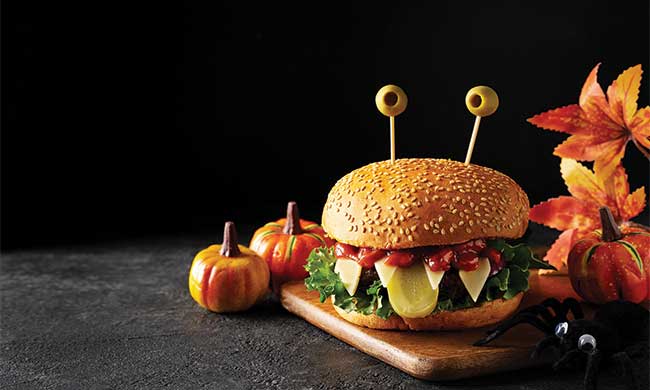
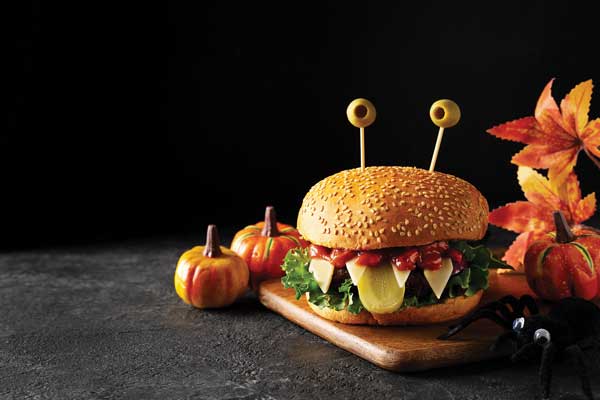
(Feature Impact) Out with the ordinary, in with the weird – that’s what the Halloween season is all about. These Halloween Monster Burgers give a ghoulishly fun twist on burger night, featuring all your favorite toppings transformed into olive eyes, cheese fangs and a pickle tongue.
Whether you reach for a traditional hamburger patty or switch it up with chicken, turkey, bean or veggie options, the effect is the same: a dinner that looks like it escaped from a mad scientist’s lab. It’s a good way to get some protein and veggies into kids before the trick-or-treating sugar rush, and you can even make it interactive by inviting them to decorate their own monsters and come up with creative variations.
Alternatively, if you’re looking for some spooky hors d’oeuvres to impress at this year’s Halloween party, these burgers are easy to size down into slider form. Serve a whole tray of mini monsters ready to devour – or be devoured by – hungry guests.
Find more Halloween recipe inspiration at Culinary.net.
Halloween Monster Burgers
Recipe adapted from Happy Foods Tube
Prep time: 10 minutes
Total time: 18 minutes
Servings: 4
- 4 hamburger, chicken or veggie patties
- 4 tablespoons mayonnaise
- 4 teaspoons ketchup, plus additional, to taste, divided
- 4 hamburger buns
- 8 leaves baby romaine lettuce
- 4 slices dill pickles, sliced lengthwise
- 4 cheese slices
- 8 large green olives, pits removed
- Cook burger patties until they reach desired doneness.
- In small bowl, combine mayonnaise and 4 teaspoons ketchup. Spread each bun base with about 1 tablespoon mayo sauce then add two lettuce leaves and cooked burger patty.
- Add pickle slice as monster “tongue.” Take each cheese slice and cut triangles into one side to resemble teeth; add to burger then cover with ketchup “blood,” to taste.
- Stick olives on toothpicks and add two to each top bun as “eyeballs.”
Photo courtesy of Shutterstock

SOURCE:
Foodie News
Red Lobster Serves Up October Deals, New Shrimp Flavors and Free Kids Meals for Halloween
Red Lobster unveils October 2026 deals, new Endless Shrimp flavors and free kids meals for Halloween weekend. See dates, offers and restrictions.
STM Daily News | Food & Drink | News Brief
October 13, 2026
Red Lobster Kids Eat Free Halloween 2026
Red Lobster is bringing new seafood specials, weekday meal deals and a Halloween treat for families this October. The restaurant chain has announced a lineup of promotions that includes discounted appetizers, new Endless Shrimp flavors and free kids meals for Halloween weekend.
The promotions, announced October 9, feature several offers for Canadian customers, along with select deals available in the United States.

New Weekday Seafood Deals
Red Lobster is introducing an updated weekday Daily Deals menu at participating Canadian restaurants, featuring a different seafood combination each day.
The lineup includes:
- Monday – Endless Shrimp ($36.99 CAD): A selection of shrimp favorites served with one side.
- Tuesday – Crab Lover’s Duo ($34.99 CAD): Steamed snow crab legs paired with Crab & Shrimp Linguini Alfredo.
- Wednesday – Steak & Walt’s ($27.99 CAD): Grilled sirloin with Walt’s Favourite Shrimp and one side.
- Thursday – Salmon New Orleans ($29.99 CAD): Blackened salmon topped with shrimp in Cajun butter sauce.
- Friday – Captain’s Platter ($25.99 CAD): Garlic shrimp, popcorn shrimp and crispy battered fish with one side.
These prices and specific weekday offers apply to participating Canadian restaurants. Red Lobster’s U.S. Daily Deals are separate and may differ in price and availability.
Endless Shrimp Gets an OLD BAY Twist
Beginning October 13, Red Lobster is adding NEW OLD BAY Garlic Shrimp to its Canadian Endless Shrimp lineup.
The limited-time promotion allows guests to mix and match shrimp varieties throughout their meal, accompanied by a side and Red Lobster’s signature Cheddar Bay Biscuits.
The Canadian Endless Shrimp promotion is advertised at $34.99 CAD, with pricing and participation varying by location. Endless Shrimp is available for dine-in only at participating U.S. and Canadian restaurants.
Kids Eat Free for Halloween Weekend
Families looking for a Halloween dining treat can take advantage of Red Lobster’s Kids Eat Free promotion from October 30 through November 1, 2026, at participating restaurants in both the United States and Canada.
Children who arrive in costume can receive free kids meals when dining with an adult purchasing a full-price dinner entrée.
For dine-in customers, one qualifying adult entrée can provide up to two free kids meals, with a maximum of two per table.
Families ordering online for takeout can receive one free kids meal with a qualifying adult entrée by using promo code SPOOKY26.
The maximum discount is $9.99 per free kids meal, and additional restrictions apply.
What About the $3 Appetizers?
Red Lobster also offered $3 individually sized appetizers from October 9–12 at participating Canadian restaurants. The limited-time Thanksgiving weekend promotion included Island Coconut Shrimp, Shrimp Cocktail and Mozzarella Cheesesticks with the purchase of an entrée.
That promotion has now ended and was not advertised as a U.S. offer.
Check Before You Go
With restaurant promotions varying by country and location, customers should confirm availability, prices and restrictions before visiting.
For menus, participating restaurants and additional details, visit Red Lobster’s U.S. website or Red Lobster Canada.
More Food & Drink News from STM Daily News
Looking for the latest restaurant promotions, food trends, recipes and dining news? Explore the Food & Drink section of STM Daily News for more delicious discoveries, helpful tips and updates on what’s happening in the world of food.
Source: RL Investor Holdings LLC / Red Lobster, press release dated October 9, 2026.
Editor’s Note: Promotional offers are subject to participation, availability and restrictions. Canadian prices are listed in Canadian dollars and should not be interpreted as U.S. pricing.




