

Consumer Corner
5 Summer Safety Risks Homeowners Often Overlook When Hosting
Summer is the perfect season for gathering outdoors with friends and family, but if you’re a homeowner planning to host barbecues, pool parties or holiday celebrations this year, it’s important to consider the potential safety and liability risks that may be affecting your own backyard. Set your summer up for success by paying special attention to these five often-overlooked seasonal safety risks.


5 Summer Safety Risks Homeowners Often Overlook When Hosting
(Feature Impact) Summer is the perfect season for gathering outdoors with friends and family, but if you’re a homeowner planning to host barbecues, pool parties or holiday celebrations this year, it’s important to consider the potential safety and liability risks that may be affecting your own backyard. A little advance planning can help you ensure that your guests enjoy safe, healthy experiences at your home and leave with only happy memories.
According to the U.S. Consumer Product Safety Commission, thousands of injuries each year are linked to fireworks, grills and swimming pools. While most summer gatherings end without incident, Mercury Insurance is encouraging homeowners to remember that smart preparation can help you avoid unfortunate accidents and costly damage.
“A few simple safety checks can help homeowners create a safer environment for everyone while protecting the property they’ve worked hard to build,” said Larry Anderson, underwriting operations director at Mercury Insurance.
Set your summer up for success by paying special attention to these five often-overlooked seasonal safety risks.
Guest Injuries and Liability Risks
Since summer gatherings naturally increase foot traffic around a property, it should be safe to walk around. Uneven walkways, loose decking, poor lighting and pet-related incidents can all lead to injuries that homeowners may not anticipate.
Before hosting events, audit your property to repair trip hazards and ensure walkways and outdoor gathering areas are well-lit. If you have pets that may become stressed around large groups, secure them before guests arrive. Since unforeseen events can still occur despite your best efforts, review your liability coverage to understand available protections.
Unsupervised Pool Areas

Swimming pools can provide endless summer fun, but they also present one of the most serious safety risks around the home. Drowning remains a leading cause of accidental death for young children, making active supervision essential whenever children are near water.
If your backyard includes a pool, ensure that gates and barriers are functioning properly, keep rescue equipment nearby and consider pool alarms and self-closing gates for additional protection. Most importantly, never leave children unattended around water.
Backyard Grill Fires
Grilling is a summer tradition, but outdoor cooking equipment can quickly become a fire hazard if used improperly. Placing your grill too close to flammable objects, letting grease build up and leaving the grill unattended can all increase the risk of property damage.
Start by making sure your grill is set up at least 10 feet away from homes, fences and overhangs before you fire it up. Clean grease trays regularly, never leave a grill unattended while cooking and keep a fire extinguisher accessible during outdoor cooking.
Fireworks Too Close to Homes and Landscaping
Fireworks-related fires increase significantly during summer, particularly in dry climates where even one stray spark can ignite vegetation or nearby structures.
The safest option, when possible, is to attend professional displays rather than hosting your own. However, if you’re planning on lighting up your skies this summer, follow all local laws and restrictions regarding fireworks and keep your launch site well away from homes, vehicles and dry landscaping. Have a water source readily available when using legal consumer fireworks.
Outdoor Electrical Hazards
Extension cords, decorative lighting, outdoor speakers and fans often receive extra use during summer gatherings. Damaged cords or overloaded outlets can create shock and fire hazards. As you set up your summer entertainment systems, check your equipment to be sure it’s rated for outdoor use. Keep electrical connections away from pools and water features, avoid overloading electrical outlets and take a few extra minutes before each gathering to inspect outdoor cords for wear and damage.
“Most homeowners focus on making their gatherings enjoyable, but safety should be part of the preparation process,” Anderson said. “Taking a few minutes to identify potential hazards before guests arrive can help prevent accidents and allow everyone to focus on enjoying the season.”
For more home safety resources and insurance information, visit MercuryInsurance.com/Resources.
Photos courtesy of Shutterstock

SOURCE:
Mercury Insurance
📰 Enjoying STM Daily News? Join the conversation!
💬 Leave a comment, share your thoughts, and subscribe to our newsletter for the latest stories, updates, and “News You Can Use This Moment!” delivered to your inbox.
Stay connected with STM Daily News!


home gardening
Beyond the Leaf Pile: 4 Tips for Autumn Lawn Care
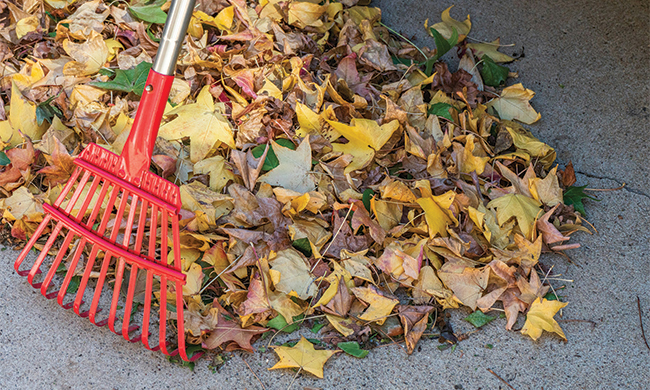
4 Tips for Autumn Lawn Care: Many people associate fall yardwork with raking up the crispy, colorful leaves that have drifted down from surrounding trees. Don’t let that be the only task on your outdoor agenda, however, because this season is also an opportunity to improve the overall health of your lawn so it’s ready to thrive once spring arrives.
Beyond the Leaf Pile: 4 Tips for Autumn Lawn Care
(Feature Impact) Many people associate fall yardwork with raking up the crispy, colorful leaves that have drifted down from surrounding trees. Don’t let that be the only task on your outdoor agenda, however, because this season is also an opportunity to improve the overall health of your lawn so it’s ready to thrive once spring arrives.
Start with these autumn lawn care tips:
- Continue Mowing
As long as the grass keeps growing, homeowners should keep mowing – with a couple of smart seasonal adjustments. First, lower the mower height for your final two cuts so the grass isn’t too tall going into winter. Second, instead of raking all the leaves up beforehand, think about leaving a layer on the lawn so the mower can shred them and effectively turn them into mulch, returning their nutrients to the soil.
- Fertilize the Lawn
Especially if you grow cool-weather grass varieties like rye or fescue, feeding your lawn can actually be most effective in the fall. Fertilizer helps nourish the roots of your grass, strengthening it through the winter and preparing it to grow lush and green in the spring and summer. Aim to feed it once in the beginning of the season then again 6-8 weeks later or according to the recommended schedule for your region.
- Battle Stubborn Weeds
If you’ve been dealing with perennial weeds throughout the summer, fall could mean your chance to get rid of them once and for all. Weeds absorb herbicides readily on days with moderate temperatures and moist soil, so this task might be well-timed after some autumn rain has fallen.
- Add Grass Seed to Thin Spots
Whether you have bare patches on your lawn or areas of thinning grass, fall is the best time to seed cool-season lawns. (Skip this tip if you live in the South and have a warm-season lawn.) At least six weeks before the first hard frost in your area, spread grass seed over the areas you want to replenish or thicken then keep the lawn consistently watered until it germinates. Aerating the soil first can help the seed take root.
Find more seasonal home and garden tips by visiting eLivingtoday.com.
Photo courtesy of Unsplash
SOURCE:
Automotive
Hyundai Unveils All-New Tucson With Bold New Look, Smarter Hybrid Tech
Hyundai has unveiled the all-new Tucson, bringing bolder styling, a next-generation hybrid targeting up to 42 mpg, AI-powered infotainment and the rugged new XRT PRO.
Hyundai’s popular compact SUV gets a major makeover with a targeted 42 mpg hybrid, AI-powered infotainment and a more adventurous XRT PRO model.
Hyundai is preparing the Tucson for its next chapter, unveiling an all-new version of its popular SUV with a dramatically revised design, next-generation hybrid technology and a new digital experience built around artificial intelligence.
Hyundai Motor Company introduced the all-new Tucson in New York City against the Manhattan skyline, calling the redesigned model its “boldest SUV” yet.
For buyers, however, the bigger story may be what lies beneath the new styling. Hyundai is combining improved hybrid efficiency, more advanced infotainment and additional off-road capability in an effort to make the Tucson equally comfortable handling weekday commuting, family duty and weekend adventures.
A Bolder Tucson Takes Shape
The new Tucson adopts Hyundai’s “Art of Steel” design philosophy, giving the SUV a more muscular and purposeful appearance.
Rather than simply updating the outgoing Tucson, Hyundai appears to be pushing the model toward a stronger SUV identity while maintaining the everyday practicality that has helped make the Tucson one of the company’s most important global vehicles.
The new exterior is complemented by a redesigned cabin emphasizing space, storage and easier-to-use controls. Hyundai says the interior includes flexible storage solutions and available relaxation features designed to make longer trips more comfortable.
That combination could be important in a compact SUV segment where shoppers increasingly expect vehicles to serve several roles at once — commuter, family vehicle, road-trip machine and recreational vehicle.
Hybrid Targets Up to 42 MPG
One of the most significant changes is Hyundai’s Next-generation Hybrid System.
Hyundai says the new system is targeting fuel economy of up to 42 mpg, while also attempting to preserve responsive driving performance.
If that target carries through to production specifications and official fuel-economy testing, it could make the Tucson Hybrid particularly attractive to drivers who want SUV practicality without moving to a fully electric vehicle.
The strategy also reflects a broader automotive trend. Hybrids have increasingly become an important middle ground for consumers looking to reduce fuel consumption without changing their driving and charging habits.
Final EPA fuel-economy figures and U.S.-market specifications will ultimately determine how the new Tucson compares with its competitors.
Pleos Connect Brings AI Into the Cabin
Technology is another major focus of the redesign.
The Tucson introduces Hyundai’s Pleos Connect next-generation infotainment platform, which incorporates Gleo AI, an expanding app marketplace and a redesigned user interface.
Hyundai describes Pleos Connect as an evolving digital platform rather than simply a conventional infotainment system.
That could allow the Tucson’s capabilities to expand over time as software, applications and connected services develop.
The important question for drivers will be whether all that technology actually makes everyday tasks easier. Automakers continue adding increasingly sophisticated screens and software to their vehicles, but intuitive controls and minimal driver distraction remain just as important as the number of available features.
Tucson XRT PRO Heads Further Off the Pavement
Hyundai is also expanding the Tucson’s adventurous side with the introduction of the Tucson XRT PRO.
The more rugged model adds enhanced off-road technologies, including Hyundai’s first Smart Terrain Assist, or STA.
The system is designed to help the vehicle adapt to changing terrain and provide drivers with additional confidence when leaving paved roads.
The XRT PRO could broaden the Tucson’s appeal among buyers who like the practicality of a compact crossover but want more capability for camping, outdoor recreation and light off-road travel.
More detailed specifications will help determine just how far the XRT PRO moves beyond the appearance-oriented adventure packages commonly offered in the compact SUV market.
A Major Vehicle in Hyundai’s Bigger Product Push
The importance of the new Tucson extends beyond a single model.
“Millions of families around the world count on the Hyundai TUCSON, and this is the best one we have ever built,” Hyundai Motor Company President and CEO José Muñoz said during the announcement.
Muñoz also said the Tucson begins what Hyundai describes as the most ambitious product offensive in its history.
The automaker plans to introduce more than 100 new or refreshed vehicles globally by 2030, including 58 in North America.
That makes the Tucson something of an opening act for Hyundai’s next generation of vehicles.
The Tucson Enters Its Next Era
Compact SUVs remain some of the most versatile vehicles on the market, and Hyundai appears determined to keep the Tucson competitive by improving several areas simultaneously rather than relying on styling alone.
A targeted 42-mpg hybrid powertrain could appeal to fuel-conscious drivers. Pleos Connect and Gleo AI represent Hyundai’s push toward increasingly software-driven vehicles. Meanwhile, the new XRT PRO gives the Tucson lineup a more adventurous option.
There are still important details to come, including complete U.S. specifications, EPA-certified fuel economy, trim levels, pricing and availability.
But Hyundai’s message is already clear: the next Tucson is intended to be more than a routine redesign.
It is being positioned as a showcase for where Hyundai believes the modern SUV is headed — bolder in appearance, smarter inside and more efficient underneath.
Source: Hyundai Motor Company. Specifications and fuel-economy figures discussed by Hyundai are preliminary and may vary by market. Final U.S. specifications and EPA ratings may differ.
Sources & Related Links
- Hyundai Motor Company — Official All-New Tucson Announcement
Hyundai’s original newsroom announcement covering the redesign, next-generation hybrid system, Pleos Connect, Gleo AI and Tucson XRT PRO. Hyundai
Hyundai Motor: All-New Tucson Official Announcement - Hyundai — All-New Tucson Highlights
Official product page with more detail on the “Art of Steel” design, Pleos Connect, 17-inch display, app marketplace, hybrid technology and XRT PRO. Hyundai
Explore the All-New Tucson - Hyundai USA — Tucson
Hyundai’s U.S. consumer page for Tucson information, specifications, trims and future model updates.
Hyundai USA: Tucson - PR Newswire — All-New Hyundai Tucson Press Release
The syndicated release announcing the new Tucson and Hyundai’s target of up to 42 mpg for its next-generation hybrid system. PR Newswire
Read the Original PR Newswire Release - Car and Driver — 2027 Hyundai Tucson
Independent coverage with additional U.S.-market specifications, including powertrain, interior, cargo and XRT Pro information. Car and Driver
Car and Driver: 2027 Hyundai Tucson Details - Road & Track — 2027 Hyundai Tucson
Additional independent coverage of the Tucson redesign, hybrid powertrain, Pleos Connect and XRT Pro off-road features. Road & Track
Road & Track: New Hyundai Tucson Details
Lifestyle
7 Fire Prevention Tips to Protect Your Home and Community
7 Fire Prevention Tips: Fires can be devastating, but many of them are preventable with simple precautions and smart everyday choices. Consider these tips to reduce the risk of fires and keep your household, family and community safe.

7 Fire Prevention Tips to Protect Your Home and Community
(Feature Impact) In observance of National Fire Prevention Month, it’s a good time to review your fire safety habits at home and in your neighborhood. Fires can be devastating, but many of them are preventable with simple precautions and smart everyday choices.
Consider these tips to reduce the risk of fires and keep your household, family and community safe.
Test Your Smoke Alarms
Smoke detectors are one of the simplest yet most important tools for protecting your home, loudly alerting you to potential danger at any time of the day or night. Test them monthly, follow manufacturer’s instructions for replacement and change batteries as needed.
Heat Your Home Safely
Depending on how you heat your home, there can be different hazards to remain aware of. Never leave fireplaces unattended when in use and have them inspected and maintained as recommended by a trained professional. If you use portable heaters, keep them at least three feet away from curtains, bedding, furniture and other flammable materials.
Prevent Electrical Fires
Frayed cords, damaged outlets or overloaded appliances can pose real danger to your home when they overheat or spark. Particularly if you live in an older home or have outdated appliances, keep an eye out for warning signs like tripped circuit breakers, malfunctioning devices or the smell of burning. If you’re concerned, have your system inspected by a qualified electrician.
Store Flammable Objects Carefully
Keeping matches and lighters out of reach of children is always a smart first step for household fire safety. Also follow safe storage practices for items like lighter fluid, propane, aerosol cans and other household products that could potentially ignite when exposed to heat or a stray spark.
Practice Smart Kitchen and Grill Habits
From sparks flying off the grill to hot oil forgotten in the frying pan, cooking is the leading cause of household fires. Stay attentive in the kitchen, never leave cooking food unattended and avoid setting combustible materials like paper plates or fabric towels too close to a stove or grill. Also keep your appliances cleaned and well-maintained.
Plan Your Escape Route
Fires can spread quickly, which is why it’s important for everyone in your household to know the plan (and backup plan) for safely exiting different areas of the house during an emergency. Decide on a specific meeting place outside and practice quick fire drills together to build muscle memory.
Observe Local Fire Safety Rules
Where you live determines what kinds of fire risks affect your community, so make sure you stay informed about local regulations. For instance, areas prone to drought or wildfire may have rules about outdoor burning, and local fire prevention ordinances may outline specific requirements for smoke alarms in your home.
Find more home safety tips at eLivingtoday.com.
Photo courtesy of Shutterstock
SOURCE:
eLivingtoday.com





