

Daily News
Dean Matt’s EPIC Pickleball World Record: 48-48-48 Challenge
Join Dean Matt in breaking the Epic Pickleball World Record with the 48-48-48 Challenge!

Last Updated on September 13, 2025 by Rod Washington
48-48-48 Challenge
In the latest episode of Sleeves Senior Pickleball Report, Mike Sliwa sits down with Dean Matt, also known as MuchoDeanAero and The Pickleball Pilot, to discuss his EPIC pickleball world record. Dean takes us through the thrilling details of his 48-48-48 Pickleball Challenge: playing 48 matches in 48 states in less than 48 days. Departing from Sarasota-Bradenton International Airport, Dean embarked on an incredible journey, playing two or even three pickleball games in different states each day. Accompanied by a support and traveling team, including fellow pilots and members of the pickleball community, Dean’s adventure became a fusion of pickleball and aviation. The local and national media covered this remarkable feat, adding to the excitement within the pickleball community.
Check out SLEEVES’ Senior Pickleball Report Apparel & Accessories bat Santa Barbara Happy
Senior Pickleball Report’s Sleeves now offers customizable apparel and accessories. https://santabarbarahappy.com/collections/sleeves-senior-pickleball-report-apparel-accessories?fbclid=IwAR0Rz17U0-XYq43Jmv1lfUCL3AKrFfyHCDHsNkEE7b3v2xcLL7lqHskZfh8





Daily News
LA Metro Rail Ridership Climbs 10% in October, but Bus Boardings Slip
LA Metro recorded 28.1 million boardings in October 2026. Rail ridership increased 10.1% from a year earlier, while bus boardings declined approximately 1.1%.


LOS ANGELES — LA Metro’s October 2026 ridership figures show that the agency’s rail network continued to gain passengers even as bus use declined slightly.
Metro recorded 28,094,014 total boardings during October, approximately 1.4% more than in October 2025. The modest systemwide increase masks a widening difference between the agency’s two principal modes.
Rail lines carried 6,965,472 passengers, an increase of about 10.1% year over year. Average weekday rail ridership rose even faster, climbing 13.4% from 216,796 boardings in October 2025 to 245,864 in October 2026. Average Saturday rail use increased 0.5%, while Sunday ridership rose 4.8%.
Bus ridership moved in the opposite direction. Metro buses recorded 21,128,542 boardings, approximately 1.1% fewer than a year earlier. Because buses still account for roughly three-quarters of Metro trips, that decline limited overall system growth despite the strong rail performance.
The October results extend a rail rebound reported in September, when Metro recorded 6.70 million rail trips and a 12.4% year-over-year increase. Metro attributed much of September’s growth to expanded rail access, including the first section of the D Line extension, which opened three stations at Wilshire/La Brea, Wilshire/Fairfax and Wilshire/La Cienega in May.
October averaged 1,008,485 systemwide weekday boardings, 3.2% above the October 2025 average. Saturday ridership declined slightly, while Sunday ridership was nearly unchanged.
The numbers suggest that Metro’s recent rail investments are attracting riders, but they also raise a question for the region’s transit recovery: why is bus ridership no longer growing at the same pace? Bus speed, service reliability and changing travel patterns will be important measures to watch as Metro builds new bus-priority projects and prepares for the 2028 Olympic and Paralympic Games.
Metro’s figures are estimates published through its interactive ridership dashboard.
Sources
● LA Metro Interactive Ridership Dashboard
● Metro’s September 2026 ridership report

Community
4 Ways to Preserve Veterans’ Stories for Future Generations
Family stories, photographs, letters and memories all have a place in the broader story of humanity, but if they aren’t recorded and preserved, they can fade over time. Consider these ways to help the veterans in your life preserve their stories and leave their mark on history. Preserve Veterans’ Stories for Future Generations

4 Ways to Preserve Veterans’ Stories for Future Generations
(Feature Impact) History is built from stories and memories, which is why it’s important to listen to the people who were there as the world changed. Family stories, photographs, letters and memories all have a place in the broader story of humanity, but if they aren’t recorded and preserved, they can fade over time.
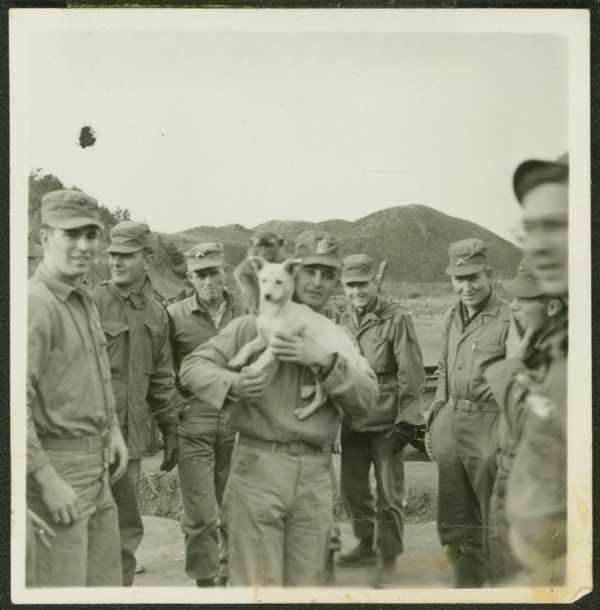
Because more than 70 years have passed since the Korean War ended, opportunities to hear firsthand accounts from earlier conflicts grow fewer as time passes. Veterans and their families may be able to help record stories and lessons from “The Forgotten War” that might otherwise be lost.
You don’t need to be a historian to help preserve your loved ones’ memories and experiences. Programs like the Library of Congress Veterans History Project are dedicated to collecting stories from people like Private First Class Robert Lawrence Barber, who wrote regular letters home to his mother while serving in Korea. They paint a harrowing picture of combat, exhaustion, cold, fatigue and the stark realities of war that should never be forgotten. Experiences away from combat can be equally revealing, from daily routines and friendships to unexpected challenges.
Consider these ways to help the veterans in your life preserve their stories and leave their mark on history.
Start the Conversation Now
When it comes to recording memories, time is of the essence, especially for those who served in Korea. Decades may have passed, but each day makes a difference. Sit down with your loved one and gently start the conversation. You don’t have to get the entire backstory at once, but you can begin asking questions about their military experience and give them time to gather their thoughts.
 Record Their Story
How a story is told can add dimension to the story itself. An audio or video recording preserves your loved one’s voice, expressions and emotions along with their words, giving your family memories to look back on for generations. Choose a quiet, comfortable space and test the equipment before recording.
Consider Preserving the Story Beyond Your Family
Family stories are most meaningful to those who know and love the storyteller, but they also matter to the world. Sharing veterans’ stories – including difficulties and ordinary moments – offers others a firsthand view of military life. Libraries and oral history archives may be able to preserve qualifying material for a wider audience.
“We want all stories, not just those from the foxhole or the battlefronts, but from all veterans who served the United States in uniform,” said Monica Mohindra, director of the Veterans History Project. “What did they hear? What did they see? What did it mean to them?”
If you have oral history interviews, and/or original photographs, letters or other records, consider contributing them to be archived and made accessible to future generations. Staff members are available to help you curate and select physical materials to contribute to the nation’s library.
Give Old Photos and Letters Context
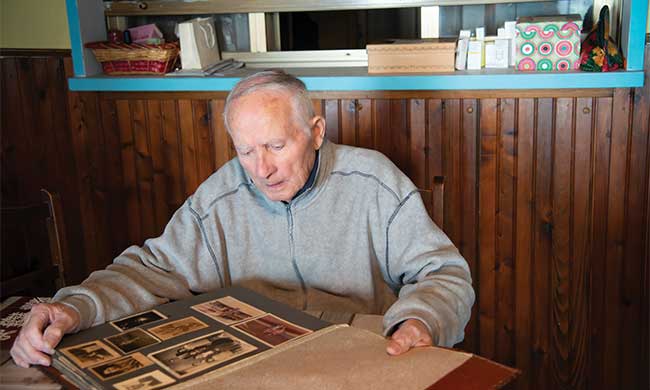
Brush the dust off those old photo albums, scrapbooks and memory boxes because they may contain tangible pieces of history. A photograph, letter or piece of memorabilia could be what a veteran needs to bring fuzzy memories back into focus – whether it’s seeing the face of an old comrade or reading a letter written home. That gives you the opportunity to hear new stories and fill in context.
Learn more, discover veterans’ histories and find instructions for contributing veterans’ stories at loc.gov/vets.
Photo courtesy of Shutterstock (man looking at photo album)
Photo courtesy of the Library of Congress (group of soldiers)
SOURCE:
Library of Congress Veterans History Project

Community
5 Meaningful Ways to Make a Difference This Holiday Season
Make a Difference This Holiday Season: Hunger relief is often top of mind during the holidays, and there are many ways to make a meaningful difference. Consider these ideas.
5 Meaningful Ways to Make a Difference This Holiday Season
(Feature Impact) The holiday season brings people together and often inspires them to think about how they can support others. Yet for many families, this time of year can bring added pressure as they balance the cost of food and other everyday essentials.
According to Feeding America’s latest Map the Meal Gap study, published in 2026, nearly 48 million people in the United States, including 14 million children, experience food insecurity.
Hunger relief is often top of mind during the holidays, and there are many ways to make a meaningful difference. Each year, Charles Schwab employees come together through Season of Giving to support local nonprofits and help make the holidays brighter for those in need.
Consider these ideas from Charles Schwab Foundation, a nonprofit dedicated to advancing financial literacy and strengthening communities.
Give What’s Needed Most
When giving to a local food bank, pantry or other nonprofit, start by finding out what the organization needs most. Many organizations share lists of priority items, while monetary donations can give them flexibility to direct resources where they will have the greatest impact. A little planning can help make every contribution count.
Turn Giving Into a Group Activity
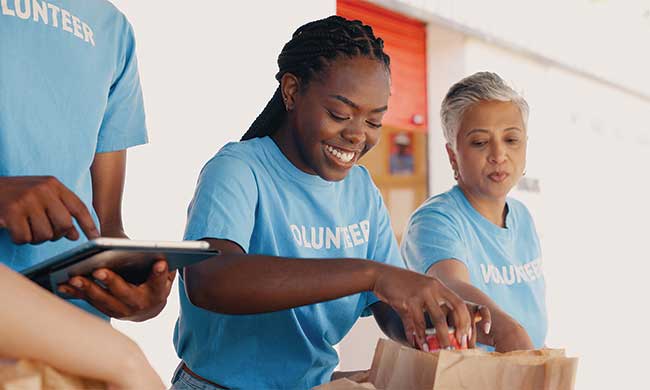
Invite family, friends, neighbors or coworkers to get involved with you. Organizing a donation drive, packing meals or volunteering together can multiply the impact while creating a meaningful way to connect during the holiday season.
Share Your Time and Talents
There are many ways to contribute beyond making a donation. Consider volunteering your time or putting your skills to use for an organization that could benefit from them. From sorting donations and packing meals to helping with special events or administrative projects, your time and expertise can make a meaningful impact.
Support Organizations in Your Own Community
The holidays are an opportunity to learn more about the organizations serving your neighbors every day. Look for local nonprofits addressing needs that matter to you, whether that is hunger, housing, education or another community priority. Supporting organizations close to home can help strengthen the networks people rely on throughout the year.
Keep Giving Beyond the Holidays
The spirit of giving doesn’t have to end when the holiday season is over. Consider turning a one-time contribution into an ongoing commitment, whether by volunteering periodically, making recurring donations or continuing to support an organization with a mission that resonates with you.
Learn more about the work being done to advance financial literacy and strengthen communities at schwabmoneywise.com/foundation.
Photo courtesy of Shutterstock

SOURCE:




