

STM Blog
The Palm Beaches: Unforgettable Upgrades for 2024
“Experience the enhanced Palm Beaches with new developments, upgraded amenities, and unforgettable visitor experiences in 2024. Discover Southeast Florida’s vibrant gem!”

Last Updated on June 29, 2024 by Daily News Staff
WEST PALM BEACH, Fla. – The Palm Beaches, America’s First Resort Destination®, is gearing up to offer visitors an unforgettable vacation experience in 2024. With a commitment to enhancing the already vibrant atmosphere, the region is investing over $1 billion in new developments, ensuring that tourists have access to the best of what this Southeast Florida paradise has to offer.

One of the key highlights of the Palm Beaches’ transformation is the influx of new and revamped hotels. Visitors can look forward to chic and luxurious accommodations that cater to a variety of tastes and preferences. From boutique hotels to high-end resorts, there will be something for everyone, promising an unparalleled level of comfort and style.
In addition to top-notch lodging options, the region is also embracing the culinary scene with cutting-edge dining experiences. Food enthusiasts will be delighted by the array of innovative restaurants and eateries that will showcase the diverse flavors and cuisines of the Palm Beaches. Whether you’re seeking a Michelin-starred meal or a casual beachfront dining experience, the options are endless.
Furthermore, the Palm Beaches are dedicated to providing an array of enticing attractions for visitors to enjoy. From world-class golf courses and pristine beaches to cultural landmarks and vibrant entertainment districts, there will be no shortage of activities to keep tourists engaged and captivated.
To ensure convenient access to these exciting developments, transportation options are being enhanced. Whether you choose to fly into Palm Beach International Airport or arrive by car, improved infrastructure and transportation services will make it easier than ever to explore the region and its myriad offerings.

As 2024 approaches, the Palm Beaches are poised to deliver an enhanced and unforgettable visitor experience. With new developments, upgraded amenities, and a commitment to excellence, this iconic destination is ready to welcome travelers from around the globe. Whether you seek relaxation, adventure, or a taste of luxury, the Palm Beaches will undoubtedly exceed your expectations.
Several prominent resorts and hotels in The Palm Beaches are undergoing substantial transformations, amplifying the guest experience.
- Jupiter Beach Resort & Spa recently completed an extensive renovation, unveiling 175 revamped guest rooms and suites, upgraded banquet spaces, and the all-new Latitudes restaurant, accompanied by a variety of amenities, including a dedicated kids club.
- Hilton West Palm Beach, adjacent to the Palm Beach County Convention Center, is on track for a grand reopening in November following a $25 million renovation, encompassing refreshed guestrooms, revamped dining options like the Galley with an exciting new menu, an inviting pool deck, added cabanas, a stylish lobby bar, and wellness activities.
- Tideline Ocean Resort & Spa, nestled along the south Palm Beach waterfront, is also preparing to reopen this November following a $20 million renovation, focusing on modernized guest rooms, updated dining venues, and refreshed common areas.
- Palm Beach Marriott Singer Island Resort & Spa is in the midst of a multimillion-dollar renovation slated for completion later this year, embracing a contemporary open-space layout while modernizing its restaurant, lobby, marketplace, bar, and lounge.
- Hilton Singer Island Oceanfront Palm Beaches Resort is set to redefine luxury, re-emerging in January 2024 as “The Singer Oceanfront Resort,” complete with rejuvenated guestrooms, innovative dining concepts, enhanced meeting spaces, and a picturesque beachfront bar.
- Flagler Club at The Breakers Palm Beach will unveil a luxurious makeover this fall, promising an ultra-luxury boutique experience with a modern aesthetic by esteemed atelier Tihany Design and exclusive guest benefits, including dedicated staff, complimentary transportation, exclusive food and beverage options, and more poised to elevate and enrich the guest experience.
Exciting updates also await guests in The Palm Beaches this season, as several hoteliers unveil enticing offerings.
- PGA National Resort leads the way with a new charter boat, beekeeping experience, pickleball courts, and rejuvenating spa treatments.
- The Colony Hotel introduces the goop Villa, a collaboration with Gwyneth Paltrow’s brand and Ronen Lev, offering a revitalizing escape complete with goop beauty products and special menu options at the Pink Paradise Café and Swifty’s Restaurant.
- AKA West Palm presents Body+Beauty Lab med spa for exclusive cosmetic treatments, while even furry companions can indulge in the recently opened AKA Pet Spa, powered by D is for Dog.
TEEING UP NEW EXPERIENCES IN FLORIDA’S ACCLAIMED GOLF CAPITAL
- The Park, West Palm Beach’s latest 200-acre public golf haven, recently opened, featuring a nine-hole par three course, an 18-hole putting course, a kids-only golf area, and a cutting-edge two-sided driving range with Top Tracer technology, designed pro bono by PGA Tour Coach, Darren May.
- Via Mizner Golf & City Club, the all-new private club in Boca Raton, offers two refined member experiences – a Jack Nicklaus Signature course with 18 championship holes at The Golf Club and an exclusive hub for social gatherings and upscale relaxation at The City Club.
- PopStroke, an extraordinary mini-golf experience backed by Tiger Woods, introduces three state-of-the-art locations in Delray Beach (2023), West Palm Beach (2024), and Wellington (2024), featuring synthetic turf putting courses with fairways and bunkers akin to traditional golf courses.
- TGL, a pioneering golf league in partnership with the PGA TOUR, promises a new dimension in golf entertainment that will revolutionize the sport, focusing on innovation, technology, and engaging fan experiences. The purpose-built SoFi Center at Palm Beach State College will serve as a groundbreaking venue, seamlessly blending a data-rich virtual course with a one-of-a-kind short game complex, offering a distinctive and immersive experience for both on-site spectators and viewers worldwide.
A VIBRANT ARRAY OF ART AND ATTRACTIONS
- The Norton Museum of Art will delve into impressionist and modern masterpieces at the “Artists in Motion: Impressionist and Modern Masterpieces from the Pearlman Collection” exhibit, now through Feb 18, 2024.
- The Flagler Museum will present the evolution of technology through time with “Bicycles: Technology that Changed the World” and the Art Nouveau aesthetic with “Alphonse Mucha: Master of Art Nouveau,” now through Dec. 17, 2023.
- The Historical Society of Palm Beach County will present “Endless Summer: Palm Beach Resort Wear” at The Richard and Pat Johnson Palm Beach County History Museum, exploring The Palm Beaches’ impact on fashion history, Nov. 9 through May 25, 2024.
- Mounts Botanical Garden will enchant visitors with “Origami in the Garden,” an artistic marvel by Santa Fe artists Jennifer and Kevin Box, featuring 20 larger-than-life sculptures inspired by the ancient Japanese art of origami coming Jan. 7 to May 12, 2024.
- Busch Wildlife Sanctuary at Abramson & Schlaggar Reserve expands to a larger location in Jupiter Farms, a testament to their commitment to wildlife conservation and education. The newly opened facility is a haven designed to elevate the visitor experience, featuring spacious habitats, interactive exhibits, and a fully equipped wildlife rehab center, ensuring the utmost care for the animals under their protection.
- The Royal Poinciana Plaza Après Beach gives the après scene a Palm Beach twist on Sunday afternoons this season, starting November through January, with cabanas styled by Royal retailers amidst a lush courtyard complete with bubbles, bites, and beats.
A SIZZLING CULINARY SCENE
- The James Beard Award‘s ‘Best Chef’ in the South category for 2023 honored five new Palm Beach County chefs as semifinalists for the coveted award. Adding to an already impressive list of award-winning chefs, the distinguished chefs making this prestigious list include Jeremy and Cindy Bearman of Oceano Kitchen, the creative genius Rick Mace of Tropical Smokehouse, the culinary virtuoso Pushkar Marathe of Stage Kitchen & Bar, and the exceptional Lojo Washington of Queen of Sheeba.
- The Palm Beach Food and Wine Festival is the ultimate treat for avid food enthusiasts, set to dazzle with a four-day extravaganza of culinary delights from Dec. 7-10. The 16th annual festival is now partnering with Wine Spectator to increase its wine capabilities with more than 60 wine tables at the popular Grand Tasting event, is hosting seven new events in 2023, and is expanding its footprint throughout The Palm Beaches with a kick-off party in Boca Raton.
- Café Boulud, Chef Daniel Boulud’s famed Palm Beach outpost, now offers daily afternoon tea with a French twist featuring a picturesque setting with a menu of Instagram-worthy specialty teas, mini madeleines, and scones, as well as mouthwatering and perfectly proportioned savory and sweet bites, thoughtfully fashioned by Executive Pastry Chef Julie Franceschini.
- The Palm Beaches are buzzing with the arrival of over a dozen new culinary hotspots including The Jupiter Grill by the celebrated Chef Paul Niedermann, winner of “Hell’s Kitchen” in 2012, The House, a culinary jewel nestled within The Park, West Palm Beach’s latest golf haven, under the guidance of top chef Jason Van Bomel, and Pink Steak a modern steakhouse in West Palm Beach with a retro-chic Florida vibe by Julien Gremaud, the creative mind behind the beloved Avocado Grill.
- Highly-acclaimed New York transplants are also making a mark, including Harry’s, Adrienne’s Pizzabar and Felice at The Square in West Palm Beach, Gallaghers Steakhouse in Boca Raton, and soon, Campi by acclaimed restaurateur Curt Huegel at The Ray Hotel in Delray Beach. Additional famed eateries from the northeast set to open in 2024 include Tutto Mare, a Mediterranean concept by the Tutto il Giorno restaurant group that will open at The Royal Poinciana Plaza as Palm Beach’s first and only intra-coastal waterfront destination, and Maman, a French café and bakery at The Square.
- More fresh dining experiences on the menu for 2024 include Limani Grille and Madame Tang’s at Town Center at Boca Raton, and a host of enticing concepts at Restaurant Row in Boca Raton, including Pubbelly Sushi, El Camino, Fiolina Pasta House led by Michelin-star chef Fabio Trabocchi, and Shabibi, a Lebanese-inspired culinary gem by chef Ralph Pagano of Naked Taco restaurants.
ARRIVE WITH EASE & STYLE
- Brightline, the epitome of modern, eco-conscious intercity rail in the U.S., recently extended its services to and from Orlando International Airport. This novel connectivity now effortlessly links West Palm Beach and Boca Raton with vibrant cities from Orlando to South Florida—Miami, Aventura, Fort Lauderdale—ushering in unparalleled ease of exploration for travelers.
- Palm Beach International Airport (PBI) To meet the demand, the airport is undergoing a multi-million-dollar project at Concourse B, part of a phased modernization program for PBI. The first phase will include a new 3,000-square-foot restaurant and restroom expansion. Other updates will consist of an overall refresh, an integrated nursing suite, a sensory room to create a calming space for travelers with autism and more. To view returning and seasonal flights visit https://www.pbia.org/airservice.
SOURCE Discover The Palm Beaches, PR Newswire
https://stmdailynews.com/category/lifestyle


STM Blog
Association of Black Cardiologists to Celebrate Legacy and Leadership at 16th Annual Spirit of the Heart Awards


The Association of Black Cardiologists (ABC) is bringing its signature celebration of impact back to New York City this fall—spotlighting leaders and organizations working to make cardiovascular care more equitable, more accessible, and more effective. The 16th Annual Spirit of the Heart Awards Program & Fundraiser is set for Saturday, October 3, 2026 (6:00 p.m.–9:00 p.m.) at Cipriani Wall Street in Manhattan.
For ABC, the evening is more than a high-profile awards program. It’s a cornerstone fundraising event that helps power the organization’s year-round work—supporting medical student scholarships, fellowships, education, and programs designed to strengthen the pipeline of diverse clinicians and researchers while improving outcomes in communities that carry a disproportionate burden of heart disease.

A fundraising night with long-term stakes
ABC leaders say the Spirit of the Heart Awards is built around a simple idea: celebrating progress while investing in the people who will drive the next wave of change.
Event co-chair Icilma Fergus, MD—Director of the Cardiovascular Disparities Center at Mount Sinai Medical Center and Board Chair of ABC—framed the night as a forward-looking commitment.
“This gathering is about more than one evening of celebration; it is about investing in the future of cardiovascular health for years to come,” Fergus said in the announcement. She added that the support generated through the event helps expand opportunities for aspiring clinicians, researchers, and leaders whose work can transform care and improve lives nationwide.
Honorary Chairperson: Samin K. Sharma, MD
ABC announced Samin K. Sharma, MD as the event’s Honorary Chairperson. Sharma serves as Chief of Clinical Cardiology, Director of the Cardiovascular Clinical Institute, and the Anandi Lal Sharma Professor of Medicine at the Icahn School of Medicine at Mount Sinai.
In the release, ABC highlighted Sharma’s international reputation in interventional cardiology and physician education, noting that he has trained cardiovascular specialists from around the world while advancing the field through research, mentorship, and patient care.
“I am honored to serve as Honorary Chairperson for this important event,” Sharma said. “The Spirit of the Heart Awards Program reflects the power of partnership, philanthropy, and leadership to advance cardiovascular health.”

A full weekend of impact, including policy
The awards program is part of a broader weekend of programming. On Friday, October 2, ABC will host its Annual Policy Pulse Summit at Venable LLP in New York City, convening leaders to discuss policy issues shaping the future of cardiovascular health.
What to expect at the Spirit of the Heart Awards
ABC is positioning the evening as both a celebration and a community gathering—bringing together leaders from healthcare, philanthropy, industry, and advocacy.
The event will be co-emceed by:
- Sandra Bookman, award-winning journalist and anchor of Eyewitness News on ABC7/WABC-TV New York
- Thomas Cunningham IV, President and Chief Content Officer of BrandCunningham
The program is expected to include:
- Presentation of the Spirit of the Heart Awards
- Recognition of medical student scholarship recipients
- Special guest appearances
- A live auction
- Musical entertainment
Event co-chair Barbara Hutchinson, MD, PhD, President of Chesapeake Cardiac Care, emphasized the role of sustained collaboration in moving the needle on heart health.
“The Spirit of the Heart Awards Program is a reminder that lasting progress in cardiovascular health is achieved through vision, partnership, and sustained commitment,” Hutchinson said.
How to attend, sponsor, or support
ABC is directing attendees and supporters to its event site for tickets, sponsorship opportunities, and donations:
- Event info / tickets / sponsorship / donations: https://abcardioevents.org
About the Association of Black Cardiologists
Founded on the belief that “every heart counts,” the Association of Black Cardiologists works to promote prevention and treatment of cardiovascular disease and to advance health equity by eliminating disparities. ABC’s membership is open to all, regardless of race, ethnicity, or vocation. The organization’s work spans education, advocacy, research, patient and community outreach, and leadership development.
- Organization website: https://abcardio.org
Source and media contact
- Press release source (PRNewswire): https://www.prnewswire.com/news-releases/association-of-black-cardiologists-to-celebrate-legacy-and-leadership-at-16th-annual-spirit-of-the-heart-awards-302206000.html
Media Contact (from the release):
- Akeia Blue, VP of Communications
- 419395@email4pr.com
- 240-321-9227
📰 Enjoying STM Daily News? Join the conversation!
💬 Leave a comment, share your thoughts, and subscribe to our newsletter for the latest stories, updates, and “News You Can Use This Moment!” delivered to your inbox.
Stay connected with STM Daily News!
Travel
Escape the Everyday Routine: Summer Travel Experiences Worth Logging Off For
Summer Travels: Between busy schedules, daily responsibilities and the seemingly nonstop pace of everyday life, taking time to disconnect can feel impossible. This summer, make an effort to step away from daily distractions and reconnect with yourself, your passions and the moments that matter most.

Escape the Everyday Routine: Summer Travel Experiences Worth Logging Off For
(Feature Impact) Between busy schedules, daily responsibilities and the seemingly nonstop pace of everyday life, taking time to disconnect can feel impossible. This summer, make an effort to step away from daily distractions and reconnect with yourself, your passions and the moments that matter most.
Whether it’s a solo seaside escape, a culinary adventure with friends or a memory-making family vacation, World of Hyatt’s Global Summer Offers give members access to exclusive savings of up to 25% on stays at participating hotels and resorts across the U.S., Canada, Caribbean, Latin America, Europe and Africa, making it easy to plan a perfect getaway to escape the everyday this summer.
From paddleboarding in the Bahamas to wandering through Panama’s historic streets, these curated destination recommendations offer inspiration for every kind of traveler.
Sun-Soaked Seaside Escapes
Some summer vacations are about trading packed schedules for ocean breezes and sun-soaked days by the water. For a chic coastal escape, The Georgian, part of The Unbound Collection by Hyatt, brings timeless glamour to the shores of Santa Monica. Just steps from the ocean, this iconic art deco hotel serves as the perfect seaside retreat for biking along the boardwalk, relaxing on the beach and exploring Santa Monica’s vibrant dining scene.
Every detail of a stay at Dreams Puerto Morelos Resort & Spa is crafted to inspire relaxation, connection and discovery. The all-inclusive resort offers a vibrant escape where contemporary comfort meets timeless Caribbean charm in a tropical haven designed for couples and families alike.
Memory-Making Family Adventures
 Families looking to make the most of summer together can head to Grand Hyatt Baha Mar, where every day brings a new adventure. From splashing through the resort’s waterpark and visiting the on-site wildlife sanctuary to enjoying family-friendly dining across more than 45 restaurants and lounges, there’s something for guests of all ages to enjoy together.
Along the shores of Kāʻanapali Beach in Maui, Hyatt Regency Maui Resort and Spa provides the perfect setting for families to create lasting memories together. Families can fill their days with everything from culinary experiences to sunrise yoga, snorkeling and wildlife tours. Younger guests can even channel their inner sea creature during the resort’s popular mermaid classes.
Flavor-Filled Getaways
Combining contemporary luxury with Moroccan charm, Park Hyatt Marrakech is an authentic gateway to the destination’s rich culinary heritage. Guests can immerse themselves in local culinary traditions through hands-on experiences, from mastering classic dishes alongside the hotel’s chefs to exploring a Berber village market and sharing a home-cooked lunch with a local family.
Travelers looking to immerse themselves in Panama’s vibrant culture and food scene can enjoy a stay at Hyatt Regency Panama City. Whether exploring the colorful streets of Casco Viejo or savoring authentic cuisine at the hotel’s signature restaurant, Rulfo, guests can experience the flavors and energy that define the destination.
Immersive Cultural Discovery
Just steps from Tallinn’s UNESCO-listed Old Town, Hyatt Place Tallinn places guests in the heart of the city’s rich heritage and within easy reach of landmarks such as Toompea Castle and Alexander Nevsky Cathedral, as well as cobbled medieval streets, world-class museums, independent galleries and vibrant cafés that bring centuries of history to life.
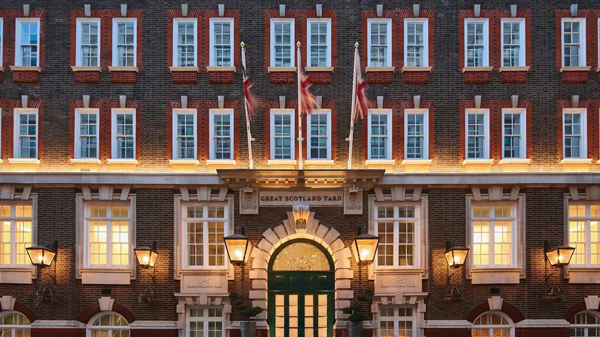
Steeped in history and tucked in the heart of Westminster, Great Scotland Yard Hotel, part of The Unbound Collection by Hyatt, blends modern luxury with its storied past. Once home to Scottish royalty and later the headquarters of London’s Metropolitan Police, the hotel’s legacy of sophistication and intrigue inspires every detail and standout experience, including its hidden speakeasy-style bar, where inventive cocktails are inspired by the building’s colorful history and Michelin-starred dining.
Set along Savannah’s vibrant riverfront, Thompson Savannah offers a stylish gateway to one of the South’s most charming and culturally rich destinations. Travelers can explore centuries-old architecture in the city’s beautifully preserved Historic District and immerse themselves in the renowned arts scene before unwinding in a private cabana on the hotel’s pool deck or enjoying a cocktail at the rooftop bar.
To find more destinations to aid in the escape from everyday routines, visit Hyatt.com for a full list of participating properties and full offer details.

SOURCE:
📰 Enjoying STM Daily News? Join the conversation!
💬 Leave a comment, share your thoughts, and subscribe to our newsletter for the latest stories, updates, and “News You Can Use This Moment!” delivered to your inbox.
Stay connected with STM Daily News!
Consumer Corner
Deed fraud can cause vulnerable Detroiters to lose their homes – here’s why it’s hard to catch the thieves
Deed fraud is rising in Detroit, where forged deeds can strip vulnerable homeowners of their property. Here’s how title theft works, why it’s hard to catch, and what reforms could help.

Donovan McCarty, Michigan State University
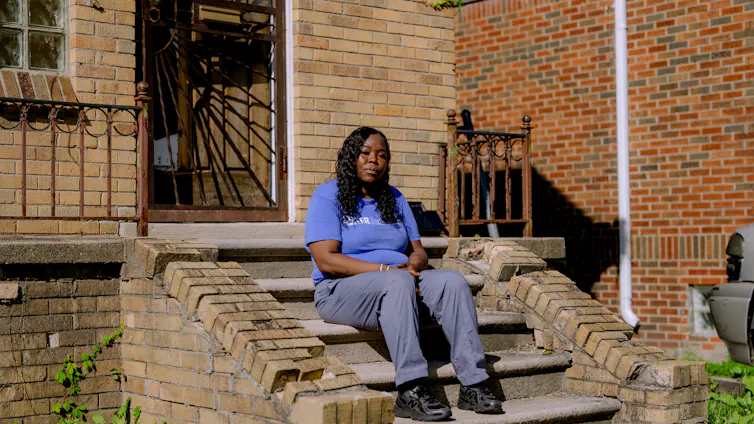
Buying her first home on Detroit’s far east side in 2021 was the moment when a lifelong dream finally came within reach for Kim Page.
“I accomplished something that I always wanted to do,” said Page, who grew up in the city. “I always wanted to buy my own home since I was like 18. I never wanted to rent from anyone.”
Page said she had saved US$15,000 and used $3,800 in cash to buy the single-family brick house on Britain Street. The house, owned by a friend planning to move out of Detroit, was “damaged pretty bad,” Page recalls. But the house was hers to care for, and she was determined to fix what was broken.
For the next several years, Page poured her sweat and paychecks into the property. Working first as a welder at automotive supplier Fisher Dynamics, and later as a phlebotomist, she paid for a dumpster, windows, a door, ceiling repair and an awning above her front porch. Page invested $27,000 in needed repairs and, in 2022, happily moved in.
But in August 2023, a storm damaged her roof. By March 2024, mold had grown inside the property, which made Page struggle to breathe; she moved in with family. She returned to the home in April 2024 for an appointment with a representative from the Federal Emergency Management Agency. That’s when Page noticed the locks had been changed. Perplexed but undeterred, she broke down the back door to get inside and purchased new locks, which she installed.
Then on a hot, summer day in July 2024, Page came home to discover all her locks had been changed again.
Searching for answers, Page called the Wayne County Register of Deeds’ Mortgage and Deed Fraud Unit. The staff confirmed she was a victim of deed fraud – a crime where scammers forge signatures to record a phony transfer of property ownership. Once criminals hijack the title, they can sell the property, rent it out or drain its equity with mortgages, potentially leaving the rightful owner to face the legal and financial fallout.
“I just was in shock,” Page said. “I can’t believe somebody really did this to me.”
A nationwide problem that’s hard to nail down

Page reached out to me for help in March 2025. I’m a housing attorney, assistant professor at Michigan State University College of Law and director of the Housing Justice Clinic. I have represented dozens of victims of deed fraud.
I have also studied how property recording systems respond – or, more accurately, fail to respond – to fraud. My work examines how procedural gaps in title systems disproportionately harm elderly, low-income and minority homeowners.
Nationwide, deed fraud – also called quit claim deed fraud or home title theft – is a growing problem, including in New York, Boston, Miami and Philadelphia.
Exactly how big a problem it is, is hard to know. The FBI does not track deed fraud specifically, instead grouping it into a larger category of real estate crimes.
From 2019 through 2023, 58,141 victims in the U.S. reported $1.3 billion in losses relating to real estate crime, the FBI says. However, that number is likely undercounted because many people don’t know where to report it, are embarrassed they were victims or don’t know yet they have been targeted.
In Detroit, deed fraud may be particularly prevalent because so many housing deals are made in cash and many properties owe back taxes. The Wayne County Mortgage and Deed Fraud Unit has tracked more than 13,000 inquiries regarding deed fraud and has opened over 2,300 cases throughout Wayne County since 2005.
Without oversight, the crime often goes undetected
Committing deed fraud is remarkably simple.
A deed is the legal document that transfers ownership of a home or other real property from one person to another. When a home is bought or sold, a deed is legally drawn up to reflect the transfer of ownership. That deed is then recorded with a county register of deeds, providing public notice of who legally owns the property.
A fraudster can forge the signature of the real owner – sometimes someone who is deceased. They can file a deed that appears valid on its face but isn’t.
They then record that false deed with a county register of deeds, the local government office that keeps public land records and other documents showing ownership, claiming title to property they do not actually own.
Fraudsters often target vulnerable people and properties, including elderly owners, families dealing with inherited homes, and houses that appear vacant or neglected, such as those behind on property taxes.
The incentive is clear: Once a fraudster appears to hold title, they can try to sell the property to an investor or an unsuspecting buyer looking for stable housing. I have seen fraudsters secure as much as $50,000 from one deal when they obtained a mortgage based on a fraudulent deed. One notable case of fraud targeted Elvis Presley’s former estate, Graceland.
In Michigan and most other states, recording offices do not have authority to substantively review a deed to determine whether it is fraudulent. If the document complies with technical formatting requirements, such as margin and font size, it must be recorded. Once stamped and indexed, the deed appears legitimate and can easily trick desperate buyers, investors, financial institutions and even police officers, lawyers and judges.
In other words, the recording process is largely administrative, not investigative. The government office accepts and files the document without first verifying that the person signing it actually had the legal right to transfer the property.
That means a fraudulent deed can enter the public record, look valid to the outside world and remain undiscovered for months or even years.
Detroit is vulnerable
The housing market helps explain why Detroiters are more vulnerable to deed fraud.
Homes in Black neighborhoods nationwide are systematically undervalued compared with similar homes in white neighborhoods. Black borrowers are also more likely to be denied conventional mortgage loans. Detroit is about 73% Black, with a median household income of roughly $39,000 and a poverty rate exceeding 30%.
In a market where access to traditional financing is uneven and home prices are relatively low, cash sales accounted for 4 in 10 sales in February 2024.
Lenders, brokers and title companies act as informal gatekeepers when people purchase a home using a mortgage. In cash sales, those actors are absent, and there are fewer opportunities to detect irregularities in the documented history showing how title passed from one owner to the next over time.
Illegal tax practices led to thousands of foreclosed homes
Property tax distress attracts fraudsters. Fraudsters seem to rely on publicly available tax foreclosure lists to identify properties that appear abandoned. They then pay the past-due taxes to remove the property from foreclosure and attempt to sell or mortgage the property using their fraudulent deed.
The fraudsters may also assume that the owner lacks the resources to wage a prolonged legal fight to recover title if they do uncover their scheme. In many cases, that assumption proves correct.
Michigan’s Constitution caps assessments at 50% of market value, but researchers have found that from 2009 to 2015, a majority of Detroit homes were assessed above that limit. Once those inflated bills went unpaid, interest, penalties and fees accumulated, often ending in tax foreclosure.
More than 100,000 Detroit residents lost homes in that crisis, and homeowners were overtaxed by at least $600 million between 2010 and 2016.
In a city already destabilized by unlawful tax foreclosure, fraudsters found opportunity in homes burdened by vacancy and broken chains of ownership.
The burdens that deed fraud victims face
My first encounter with deed fraud came in July 2023. I received a request for legal assistance from a man who said he had been evicted from a home he claimed to own. Honestly, I didn’t believe him.
But when I pulled the court records and deeds, I learned he was right.
A fraudulent deed had been filed on his property, stripping him of title. The fraudsters then filed an eviction case against him.
The owner had no phone and no internet access to attend the virtual hearings. The court entered a judgment to evict him. A bailiff came, broke down his door and threw his belongings into a dumpster.
It took six months and two separate court cases before he was finally able to return to his home. He never recovered his belongings – and we never found the fraudster.
There are many other hardships for a legitimate owner. A fraudulent deed can prevent homeowners from selling their property, refinancing or accessing financial assistance programs.
To clear title, owners must file a quiet title lawsuit – a court action used to resolve disputes over who legally owns a property.
But quiet title cases are complex legal proceedings.
They require multiple filings, hearings and strict compliance with procedural rules. Even when fraud is obvious – for example, when a deed was signed by someone who was already deceased – courts generally require formal litigation to remove the cloud from the title.
Likewise, the legal process of notifying the defendant can be especially burdensome. Fraudsters often use fictitious names and addresses, making them difficult or impossible to locate. Even uncontested cases typically take months. If a defendant appears and disputes ownership, litigation can stretch for years.
Filing fees, service costs and other litigation expenses accumulate quickly. Hiring an attorney can cost several thousand dollars, and some victims have reported spending tens of thousands clearing title to their homes.
As for Kim Page, her case is still ongoing. After being locked out of her home, she had to move in with relatives for over a year, putting a strain on their relationship. She was eventually able to return to her home, but the legal dispute over ownership has not been resolved.
On top of that, she is facing a counter-lawsuit from the company that filed the fraudulent deed, requesting $50,000 for repairs the company made to the home while Page was locked out, along with property taxes and utility bills that the company says it paid to the county and utility companies on her behalf. The county opened an investigation, but it remains unresolved. As a result, she still has no idea who orchestrated the scheme.
While there are free legal services organizations to help, they have limited capacity, and income thresholds exclude some homeowners who still cannot afford private counsel.
Legal reforms likely won’t resolve systemic issues
Across the country, state legislatures have begun responding. Twenty-one have enacted deed fraud legislation, and 15 more have proposed it.
Another common intervention is fraud alert systems, which notify owners when any documents that impact the title of their property are recorded.
Other reforms increase notarial requirements or enhance criminal penalties.
These measures may deter some misconduct, but they do little to reduce the burden on victims once a fraudulent deed has been recorded.
In my assessment, meaningful reforms focus on empowering registers of deeds to substantively review suspicious documents before recording them; simplifying and expediting quiet title proceedings; and expanding civil remedies so victims can recover the costs associated with clearing their title.
Some jurisdictions like Texas and Florida have adopted streamlined procedures that allow victims to initiate quiet title actions using standardized forms with reduced fees. Others permit recorders, prosecutors or judges to act when fraud has already been established.
In Michigan, I am working with lawmakers and stakeholders to develop comprehensive legislation addressing these issues. Bills are expected to be introduced later this year.
At the same time, my clinic has begun exploring how technology can help identify fraudulent deeds already in the record. We are working with computer scientists to evaluate whether artificial intelligence tools could flag suspicious filings and potentially prevent fraudulent documents from being accepted in the future.
No property system can eliminate fraud entirely. Preventive and punitive measures may limit fraud, but they cannot eliminate the incentive to commit it. For fraudsters, the payoff can be substantial.
Conversations about the issue often begin and end with the mechanics of the crime or the procedural burdens victims face afterward. Far less attention is paid to the housing market conditions that make some communities especially vulnerable in the first place.
Page, now 42 and working as a transporter for Sinai-Grace Hospital, has been coping with the stress of legal proceedings for the past two years and living with a heart condition so serious that she got a defibrillator.
The longtime Detroiter is fed up – with the lack of police help to find the fraudster, as well as the court system. All she wants is to be the rightful owner of the home.
“Give me my house back,” Page said.
Detroit editor Eleanore Catolico contributed reporting.
Donovan McCarty, Director, Housing Justice Clinic at Michigan State University College of Law, Michigan State University
This article is republished from The Conversation under a Creative Commons license. Read the original article.
📰 Enjoying STM Daily News? Join the conversation!
💬 Leave a comment, share your thoughts, and subscribe to our newsletter for the latest stories, updates, and “News You Can Use This Moment!” delivered to your inbox.
Stay connected with STM Daily News!





