

Lifestyle
Cycling can make seniors healthier and more independent − here’s how to design bikes and networks that meet their needs
Seniors are increasingly interested in cycling. Research identifies senior-friendly bike designs and infrastructure improvement needs to enhance physical activity and independence among older adults.

Last Updated on December 1, 2024 by Daily News Staff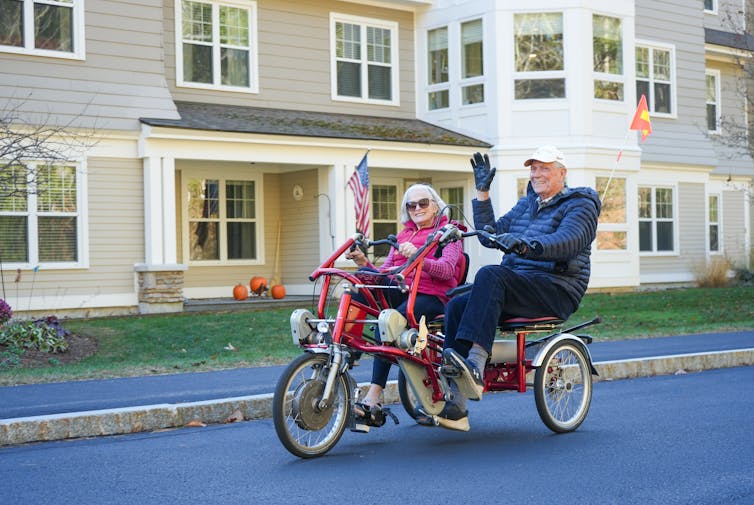
Most senior citizens get around in their daily lives by driving, walking or using public buses and subways. But many people in their 60s and 70s could potentially be interested in other options, such as cycling. At a time when cycling is growing in the U.S. and the overall population is aging, seniors’ preferences for bike designs and bike networks are very relevant.
Older people may have concerns about riding a two-wheeled bike if they are afraid of falling – a risk that increases with age and causes many seniors to become less active. Many cities and communities are working to create safer bike networks, but these are designed for young, physically fit bikers, who are less afraid to bike near cars and don’t need an occasional bathroom break.
Some seniors live in assisted living complexes or memory care facilities that have roads, sidewalks and paths for residents pushing walkers. However, these complexes don’t usually have bike storage rooms, bike loops or safe bike pathways to local parks and stores.
I am a researcher in architecture – with a focus on environment and behavior – and a senior, and I have studied bikes and bike networks for over 43 years. In my latest project, I worked with Seth Gale, a behavioral neurologist; Linda Mazie, a health and wellness coach who works with seniors; and Heidi Savage, a fitness director who also works with seniors, to learn from older people what kinds of bicycles and bike networks would help them stay active and independent through cycling. https://www.youtube.com/embed/vrrzFnzYUXI?wmode=transparent&start=0 In the Netherlands, where many people of all ages routinely ride bikes, local officials take a tour with older riders to identify spots that seniors find particularly unsafe on their route.
We found that a majority of the seniors whom we surveyed and who test-rode three bikes preferred a three-wheeled adult tricycle or a two-seat model that lets riders sit side by side. For infrastructure, their key requirements included bike loops, separation from cars and nearby bathrooms.
Benefits of biking for seniors
Many older people in the U.S. don’t get enough physical activity for healthy aging. A 2016 study by the Centers for Disease Control and Prevention found that more than one-fourth of all adults over 50 did not engage in any physical activity outside of work. This share increased with age and was higher among people with chronic diseases such as cancer, diabetes and depression. Inactivity was significantly higher among women than men, and among Black and Hispanic seniors compared with white seniors.
Biking provides many health benefits, including cardiovascular exercise, stronger muscles, better coordination and lower stress levels. It also offers benefits that are particularly relevant for seniors. For example, one study found that cycling for at least one hour per week significantly improved older people’s balance, potentially making them less vulnerable to falls.
There also are findings suggesting that exercise may help slow the progression of Alzheimer’s disease. For example, one study showed that when mice exercised on a wheel, their muscles produced irisin, a hormone that supports cognitive function. The irisin passed into their brain, improving memory and spatial awareness.
Senior-friendly bikes
For our study, we distributed surveys with pictures of senior-friendly bikes and questions about bike networks to 178 seniors in four senior communities in Massachusetts and New Hampshire. Participants ranked the pictures according to how well they liked the various bike designs and offered more comments while seeing the pictures on a large screen.
We also borrowed three senior-friendly bikes made by Van Raam, a Dutch company that designs bikes for a wide range of special needs. These models included:
- A three-wheeled bike for side-by-side riders who each have handlebars and who can pedal together while one steers.
- An adult tricycle with a back rest and low center of gravity.
- A two-wheeled bike with a low center bar that makes it easy to step through when getting on or off.
Fifty seniors at RiverWoods-Exeter, a senior living complex in New Hampshire, and Fox Hill Village, an independent living community for seniors in Westwood, Massachusetts, were invited to test-ride the three models and complete a survey about their experiences.
Designing bike networks for older riders
Based on photos, participants were most enthusiastic about the adult tricycle and also were interested in the two-seat three-wheeler. Adult tricycles are harder to pedal than bikes with two wheels, and rounding corners involves turning the handlebars without leaning, so these models have a learning curve. However, they offer stability, which clearly was important to the people in our study.
Among seniors who did test rides, the most popular model was the single-seat three-wheeled bike. Unlike a low recumbent bicycle, this bike’s seat is about as high as a chair, and unlike an adult tricycle, it has a back rest.
Participants’ second choice was the three-wheeled two-seater bike, which has seats with backs, arm rests and seat belts. Fewer participants were willing to test-ride the two-wheeled regular bike with a low center bar; those who tried it were already comfortable riding two-wheeled bikes.
Comments were enthusiastic, especially for the two-seater bike. Seniors wrote, “I like the social aspect and teamwork”; “I see this as an asset to our community”; and, simply, “Awesome!!!”
Some noted that the two-seater could work for seniors who were caregivers for their spouses. One husband wrote, “This would be great to ride with my wife, who hasn’t ridden a bike for 50 years.”
In response to survey questions about the most important features of a senior-friendly bike network, participants said they wanted to be able to bike for 30 minutes at a stretch, ride twice a week and have a bathroom available.
For a network added to their assisted living complexes, they wanted a cycling loop on-site; a route to a destination outside the complex; a smooth, flat riding surface with grass shoulders; and picnic tables and water nearby. Participants felt that cars traveled too fast in their residential complexes, so they wanted to ride on separated paths rather than on existing roads.
Our findings echo other studies that have shown that senior cyclists want to ride in protected bike lanes or separate paved paths, rather than in street traffic. Because many seniors have limited vision, another feature that can make bike paths safer for them is light-colored demarcation strips at the edges of the path to help older riders avoid veering off the main cycle path, especially at night.
Pedaling ahead
Here are the key steps that I believe would be required to develop findings like ours into scalable bicycling programs for seniors in the U.S.
Some seniors might appreciate having classes to relearn how to ride a two-wheeled bike, or to ride with another person on a two-seater model. Assisted living complexes could install bike storage sheds and buy several senior-friendly bikes for residents to ride.
Protected bike lanes could be made more senior-friendly by building them level with the adjoining sidewalk, so that a third wheel could rest on the edge of the parallel sidewalk. Lanes optimized for senior riders would be continuous and have bicycle traffic signals, raised crosswalks and nearby public bathrooms with signs leading to them.
Routes could run from residential neighborhoods to destinations such as coffee shops, post offices, grocery and drugstores, and parks. Destinations could provide space to park and lock the bikes while riders shopped or had coffee.
The U.S. has an aging population, and seniors’ health is an important concern for seniors themselves, their caregivers and taxpayers. There is strong evidence that increased bicycle use by seniors could help many people live healthier and more independent lives well into their golden years.
Anne Lusk, Lecturer in Urban Agriculture, Boston University
This article is republished from The Conversation under a Creative Commons license. Read the original article.
Our Lifestyle section on STM Daily News is a hub of inspiration and practical information, offering a range of articles that touch on various aspects of daily life. From tips on family finances to guides for maintaining health and wellness, we strive to empower our readers with knowledge and resources to enhance their lifestyles. Whether you’re seeking outdoor activity ideas, fashion trends, or travel recommendations, our lifestyle section has got you covered. Visit us today at https://stmdailynews.com/category/lifestyle/ and embark on a journey of discovery and self-improvement.


8 Daily Habits to Support Your Heart, Kidney and Metabolic Health
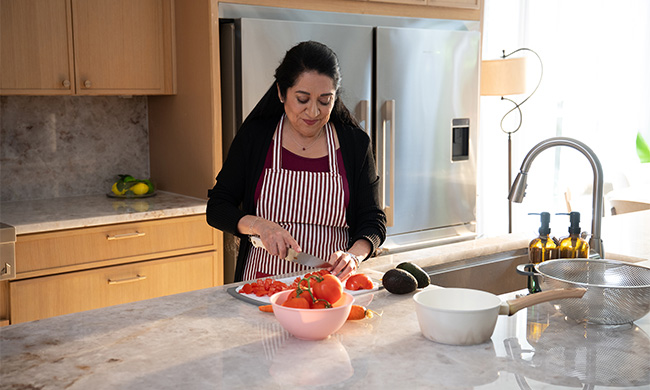
(Feature Impact) When it comes to protecting your heart, supporting your kidney function and improving your metabolic health, you’ll find the advice for each one looks similar. That’s because your body’s systems are deeply interconnected: what affects one will have ripple effects across the others.
Cardiovascular-kidney-metabolic health, or CKM health, is a perfect example. When any one of these systems is compromised, it can lead to problems with the others. Therefore, it’s not uncommon for health problems like heart disease, stroke, diabetes and kidney disease to develop or worsen simultaneously – a condition collectively known as CKM syndrome.
The reverse is also true, so habits that are healthy for your heart will have a positive effect on your kidneys and metabolic system and vice versa. Consider these simple strategies that align with the American Heart Association’s Life’s Essential 8, a list of healthy steps that can improve overall health. Learn more about how these habits and health measures affect your CKM health at Heart.org.
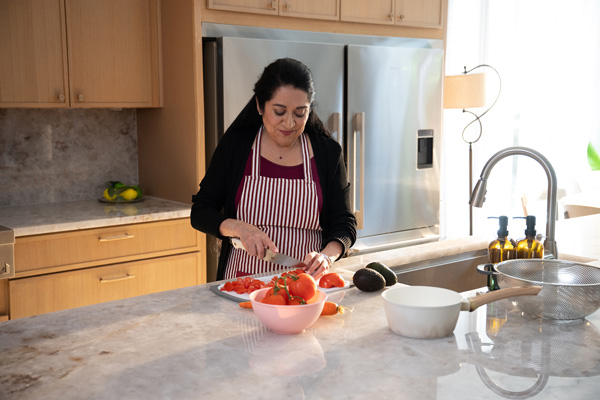
- Choose Healthy Foods – Food is your body’s fuel, so fill your tank wisely. Certain types of foods can help your blood pressure, cholesterol, blood glucose and triglycerides stay within healthy ranges, while poor nutrition can push those numbers into more dangerous territory. Focus on vegetables, fruits, whole grains, plant-based proteins (e.g. beans, legumes and nuts) and lean animal proteins (e.g. seafood, skinless poultry and low-fat dairy). Drink plenty of water throughout the day and limit added sugar and salty or fatty foods.
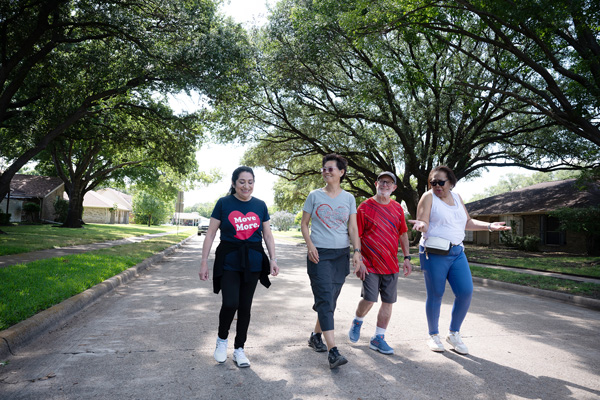
- Stay Physically Active – Exercise doesn’t have to feel like a chore – in fact, some of your favorite hobbies may already count. The American Heart Association recommends aiming for 150 minutes per week of moderate physical activity like dancing, gardening or walking, moving quickly enough to elevate your heart rate and break a light sweat. Alternatively, choose 75 weekly minutes of vigorous exercise that gets you breathing hard and fast; think running, swimming, playing tennis or riding your bike on hilly terrain.
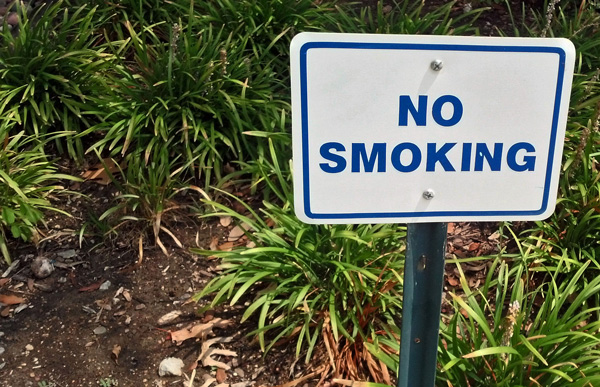
- Avoid Nicotine – Tobacco and other nicotine products can raise your blood pressure, damage blood vessels and increase your risk of heart attack and stroke, which are all bad news for your CKM health. If you’re currently trying to quit, you aren’t alone, so don’t be afraid to seek out support groups and resources to help.
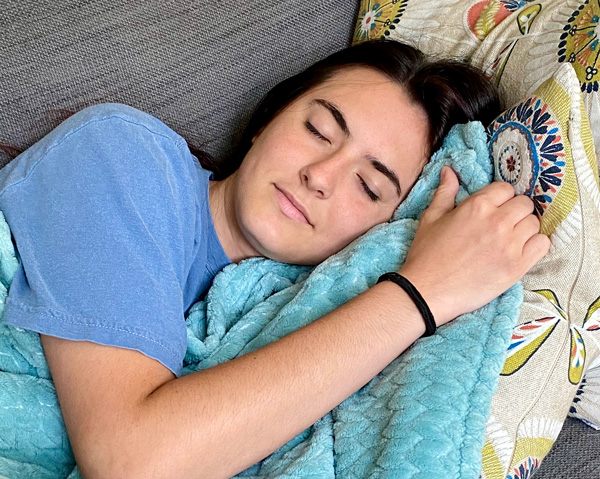
- Prioritize Healthy Sleep – Sleep gives your body a chance to rest and recover from the day, but it’s often one of the first things people sacrifice when life gets busy. Poor sleep can increase your risk for heart disease, weight gain and other issues. Aim for a solid 7-9 hours a night. Keep your bedroom cool, dark and comfortable, and do your best to limit distractions like late-night smartphone scrolling.
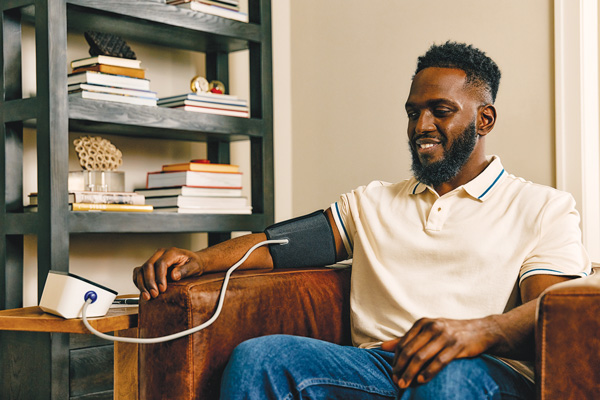
- Watch Your Blood Pressure – When your blood pressure is high, it forces your heart to work harder to pump blood through the body, which can weaken it over time. It can also damage the delicate arteries in and around the kidneys, putting CKM health further at risk. Information is power, so check your blood pressure frequently to know whether further action is needed to keep it under control.
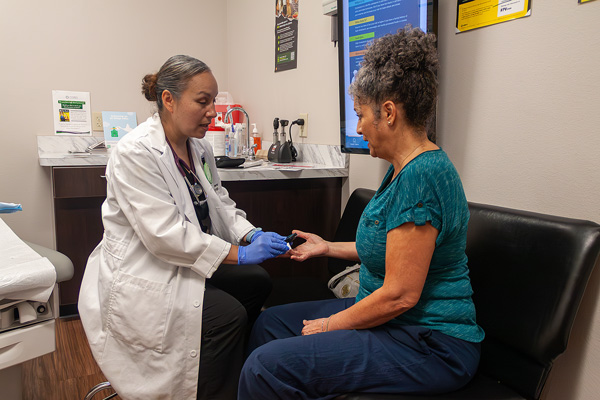
- Manage Your Blood Sugar – High blood sugar can damage the kidneys, eyes, blood vessels and more, thereby increasing your chance of developing harmful CKM conditions. Controlling blood sugar is particularly important for people with diabetes. If you don’t have diabetes and still experience frequent blood sugar spikes and crashes, talk to your doctor.
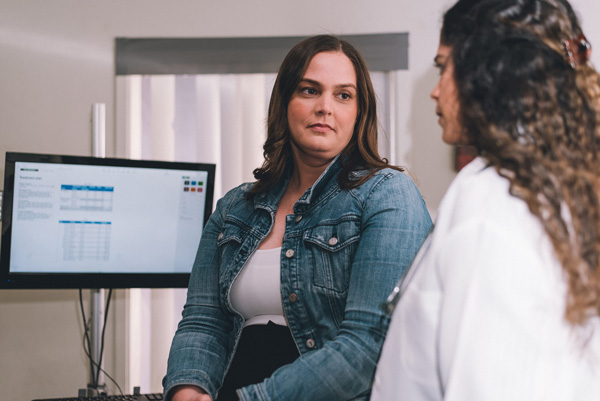
- Control Your Cholesterol – Cholesterol comes in both “bad” (LDL) and “good” (HDL) forms, requiring a balancing act to keep your levels within a healthy range. If LDL is high and HDL is low, your risk of clogged blood vessels, heart attack and stroke are higher. Healthy levels keep blood flowing to your heart and kidneys, supporting your metabolic health in the process. See your doctor for regular bloodwork so you can monitor cholesterol changes.
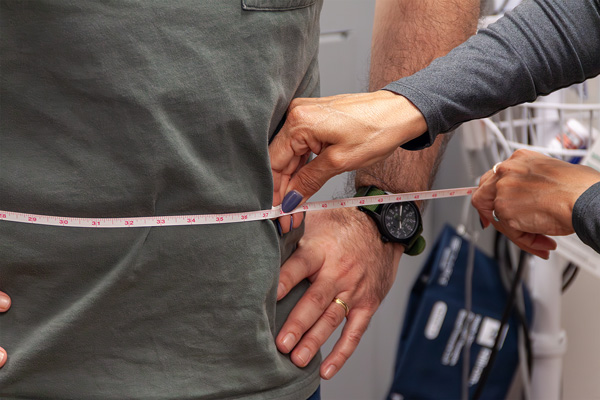
- Maintain a Healthy Weight – Since excess body weight puts pressure on the heart, kidneys and other organs, a healthy body weight helps lower your risk of CKM syndrome. Whether you’re hoping to maintain or reduce your weight, regular exercise, healthy eating and quality sleep are all great ways to achieve your goals.

SOURCE:
💪 Your health journey starts here! Explore the latest health news, fitness tips, wellness trends, and healthy living advice. Share your thoughts in the comments and subscribe to the STM Daily News newsletter to stay informed and inspired every day.

Health
3 Steps to Support Mental Health for Rural Youth
Mental Health for Rural Youth Young people face a growing number of pressures, including academic expectations, social responsibilities, complex family situations and uncertainty about their own futures. Mental health support is important for all – but in many rural areas, those pressures are even greater. If the rural mental health crisis affects you or a loved one, consider these ways to help.


3 Steps to Support Mental Health for Rural Youth
(Feature Impact) Young people face a growing number of pressures, including academic expectations, social responsibilities, complex family situations and uncertainty about their own futures. Mental health support is important for all – but in many rural areas, those pressures are even greater.
According to the Centers for Disease Control and Prevention, the suicide rate for rural youth ages 15-19 is 74% higher than their urban counterparts. Barriers like limited insurance coverage, unreliable internet for telehealth, scarce providers, long drive times and lack of public transportation make it harder to get mental healthcare when it’s needed. Plus, asking for help can feel like opening oneself up to judgment and stigmatization.
That’s why Rural Minds, the only nonprofit focused on mental health for rural communities, created the Rural Youth Mental Wellness pilot program supported by Boehringer Ingelheim. It was developed by an advisory committee made up of rural youth to provide their peers with practical, free, accessible mental health resources. Incorporating feedback on the pilot, the updated program sponsored by the Sompo Foundation is now launching its national rollout.
“A young person’s ZIP code should never determine whether they can access meaningful mental health support where and when they need it,” said Jessica L. Schleider, Ph.D., director, Lab for Scalable Mental Health, Northwestern University. “Our lab is thrilled to partner with Rural Minds as they champion evidence-based, anonymous, freely available support tools designed to overcome barriers to help-seeking faced by rural youth across the country.”
If the rural mental health crisis affects you or a loved one, consider these ways to help.
Break the Stigma Surrounding Mental Health
In communities where self-reliance is valued, asking for help can sometimes be viewed as a sign of weakness. Young people who feel unheard and unsupported often struggle with being vulnerable, so they continue carrying their increasingly heavy burdens alone.
Parents, educators, healthcare providers, community leaders and peers can work to change that culture by normalizing mental health conversations. This includes helping teenagers feel seen and accepted by educating them on mental health issues and coping strategies, listening to their experiences without judgment, sharing your own stories and reminding them it’s courageous to seek support.
 Consider Single-Session Interventions
The first step is always the hardest when it comes to seeking mental health support, and not every struggling young person is ready or able to see a therapist. With access to free, confidential, self-guided materials to begin building mental wellness skills, the first step may be less scary.
Single-Session Interventions (SSIs) are brief, structured online courses designed to teach youth practical skills for handling stress, low mood, self-image and more. The Rural Youth Mental Wellness Program offers SSIs in partnership with Project YES (Youth Empowerment and Support), a free digital resource developed with Northwestern University’s Lab for Scalable Mental Health at the Feinberg School of Medicine.
Anonymous access to SSIs through the partnership provides strategies for:
- Improving mood
- Rethinking body image
- Reframing negative thoughts
- Knowing your power to change
- Taking steps toward goals
- Protecting LGBTQ+ pride
- Handling self-harm urges
- Staying safe amid dark thoughts
Each SSI typically takes 5-10 minutes. Although SSIs are not a replacement for therapy, they provide a research-backed source of support for young people experiencing bouts of stress or low-to-moderate distress.
Know When to Seek Professional Help
Self-guided resources and supportive conversations are a valuable starting point, but sometimes young people need qualified professional help. Look for symptoms like worsening mood or behavior, substance use, self-harm or difficulty managing everyday tasks, and take teens seriously when they express dark feelings.
Doctors and counselors can provide personalized support for youth in crisis, and the 988 Suicide and Crisis Lifeline offers free, confidential 24/7 support for mental health by dialing 9-8-8.
“I grew up in a small town where mental health was almost taboo,” said committee member Asheton Medlin. “Being part of the committee that built this program let me help make sure rural youth today have the support I didn’t. I’m excited to help bring these resources to them because this generation deserves the chance to grow up and change the world.”
Find more information at RuralMinds.org.
Photos courtesy of Shutterstock

SOURCE:
📰 Enjoying STM Daily News? Join the conversation!
💬 Leave a comment, share your thoughts, and subscribe to our newsletter for the latest stories, updates, and “News You Can Use This Moment!” delivered to your inbox.
Stay connected with STM Daily News!
recipes
Build Heart-Healthy Habits That Last with 4 Simple, Everyday Steps
Build Heart Healthy Habits: Small, consistent lifestyle changes and healthy habits, including staying active and making smart food choices, can help support cardiovascular health. This Warm Lentil, California Grape and Arugula Salad includes a quick homemade rosemary lemon vinaigrette to pack in the flavor and complement black lentils and sweet grapes.

(Feature Impact) Your heart works around the clock, making heart health one of the most important parts of your overall well-being. The good news is improving heart health doesn’t require an overnight transformation. Small, consistent lifestyle changes and healthy habits, including staying active and making smart food choices, can help support cardiovascular health.
Sit Less Throughout the Day
If you work in an office setting, spending long periods sitting may be the norm. Even if you exercise regularly, those long-seated hours may affect heart health. Look for opportunities to move more by taking short walking breaks, standing while on the phone, stretching between meetings or taking the stairs instead of an elevator.
Prioritize Foods That Support Heart Health
A heart-healthy eating pattern can begin with foods that are low in saturated fat and sodium, and provide beneficial vitamins and plant compounds, like fresh, juicy grapes. They contain 7% of the daily recommended intake of potassium per serving, are a good source of vitamin K and deliver beneficial antioxidants and other polyphenols, including flavonoids, that can help relax blood vessels and promote healthy circulation.
Some studies also suggest grapes have a beneficial impact on blood lipids and more. In fact, one study found women who consumed 1 1/4 cups of grapes every day benefited from reduced blood triglyceride levels, LDL cholesterol levels, inflammatory proteins and other markers of heart disease.
Whether enjoyed as a snack, added to salads or blended into smoothies, Grapes from California make it easy to add more heart-smart nutrition throughout the day. For example, this Warm Lentil, California Grape and Arugula Salad includes a quick homemade rosemary lemon vinaigrette to pack in the flavor and complement black lentils and sweet grapes.
Cut Back on Added Sodium
Adding heart-healthy foods like grapes to your menu is a good place to start, but caring for your cardiovascular system is also about what you’re not eating. Many packaged and restaurant foods contain more sodium than some people realize, making it important to read nutrition labels, prepare more meals at home and flavor foods with herbs, spices, citrus or vinegar instead of extra salt to support healthy blood pressure.
Make Good Sleep a Priority
Quality sleep affects many aspects of health, including cardiovascular. Adults should aim for 7-9 hours of sleep each night in a cool, comfortable environment. To get a good night’s rest, try limiting screen time before bed, blocking out light and avoiding alcohol or caffeine in the evenings.
To learn more about the heart-health benefits of grapes and find additional health-supporting recipes, visit GrapesFromCalifornia.com.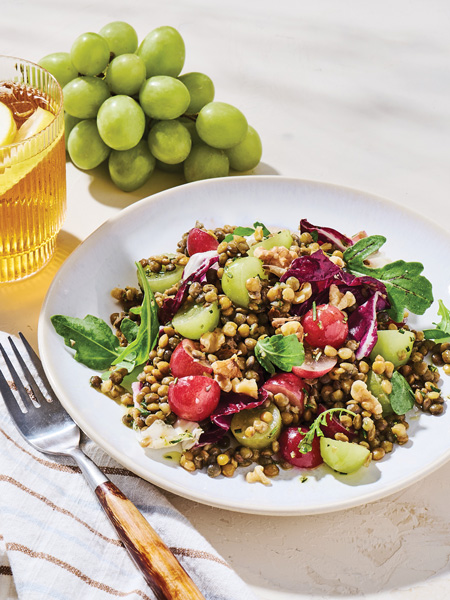
Warm Lentil, California Grape and Arugula Salad
Servings: 6
- 1 pouch (8 ounces) precooked black lentils
- 1 1/2 cups Grapes from California, halved
- 1 cup radicchio, torn
- 1 cup arugula
- chopped toasted walnuts
Rosemary Lemon Vinaigrette:
- 1/4 cup extra-virgin olive oil
- 3 tablespoons lemon juice
- 2 tablespoons fresh rosemary leaves
- 2 teaspoons honey
- 1/2 teaspoon sea salt
- 1 clove garlic
- freshly ground pepper, to taste
- To make rosemary lemon vinaigrette: In small blender or food processor, process olive oil, lemon juice, rosemary, honey, salt, garlic and pepper, to taste, until rosemary is finely chopped; set aside until ready to use. May be made 2 days in advance and refrigerated in covered container until ready to serve. Bring to room temperature before using.
- In large glass bowl, microwave lentils 45 seconds, or until warm. Add grapes, radicchio, arugula and dressing to bowl and toss lightly to coat. Sprinkle with walnuts.
Nutritional information per serving: 160 calories; 4 g protein; 18 g carbohydrates; 9 g fat (51% calories from fat); 1.5 g saturated fat (8% calories from saturated fat); 0 mg cholesterol; 200 mg sodium; 4 g fiber.

SOURCE:
California Table Grape Commission
🍽️ Love discovering great food and drink? Join the conversation! Share your thoughts in the comments and subscribe to the STM Daily News newsletter for the latest recipes, restaurant news, food trends, and culinary stories delivered straight to your inbox.





