

Lifestyle
Black-Owned Company Develops “Hidden Diversity” Greeting Cards to Address Overlooked Consumer Market of the Cultural “In-between”
Hidden Diversity Greetings was created to focus on inclusion that a culturally fluid audience is not used to seeing. The greeting card line was developed by Culturs global multicultural lifestyle network

Last Updated on May 18, 2025 by Rod Washington
FORT COLLINS, Colo. /PRNewswire/ — Hidden Diversity Greetings was created to focus on inclusion that a culturally fluid audience is not used to seeing. The greeting card line was developed by Culturs global multicultural lifestyle network, which activates 21st century diversity by creating media, products and experiences that embrace hidden diversity. A certified black-owned business with a social mission, Culturs focuses on “in-between” cultural populations, including multiethnic, multicultural, mixed-race and geographically mobile (like immigrants, refugees and Third Culture Kids) with a focus on people of color – because everyone should feel like they matter.


Culturs Art Director, Diana Vega, felt especially nurtured by the project while repatriating to her homeland of Merida, Mexico after obtaining a Masters Degree at Colorado State University. She designed the cards using her personal experiences and that of the company’s multicultural audience, and its team of cross-cultural staff that span 17 countries. “Being Cross Cultural is to be divided in many places,” she said. So she created a card that embodies this and shows an individual with the brown skin she’s used to seeing in her homeland standing in between mountain and sea, which represent the mountains of Colorado and the beaches of the Yucatan.
The entire line is colorful and vibrant, uplifting both giver and receiver, while extolling the virtues of varied cultural concepts. Vega’s favorite part of the line is “The Universal Language of Food,” which celebrates cultural favorites like samosas from India, Ghanian FuFu and Tacos Al Pastor from central Mexico. Other cards include the “definition series,” with words like HIRAETH: A Welsh word for “a feeling of longing for a home that no longer exists or never was.” Or “Global Soul,” which visualizes a quote from author Pico Iyer defining “A person who has grown up in many cultures all at once — and so lived in the cracks between them.” Many of the definitions come from Aldine’s decades of research in culturally fluid populations, which also were featured in a university level class she developed and taught for almost a decade.
The cards are as visually stimulating and diverse with the people they depict, as they are in their messaging — something that is still lacking in many greeting card lines. Hidden Diversity greetings are cards and journals with messages from the “in-between” cultural community addressing times when words aren’t enough, and friends and family just might not know how to approach. In cases like these, the cards to the talking and the sentiments hit the spot.
The line is printed in the United States on high-quality post-consumer recycled paper. They retail for $7.99 each or $34.99 for a set of five. Find them at CultursMag.com/Shop.
SOURCE Culturs

Family
The House That Hosts: When Your Home Becomes Your Holiday Entertaining Partner
The House That Hosts: There’s a special pleasure in opening your home for the holidays to share the menu you’ve imagined, welcome guests to the glow of a room ready for company and enjoy the anticipation of familiar faces at the door. This year, make sure the house itself can lend a hand.

The House That Hosts: When Your Home Becomes Your Holiday Entertaining Partner
(Feature Impact) There’s a special pleasure in opening your home for the holidays to share the menu you’ve imagined, welcome guests to the glow of a room ready for company and enjoy the anticipation of familiar faces at the door. Every detail is an opportunity to make the loved ones you’ve invited feel especially welcome.
This year, make sure the house itself can lend a hand.
From the kitchen to the living room to the guest bathroom, residential technology offers new ways to turn a host’s imagination into a memorable experience. The best innovations don’t take over the occasion. They help the person bringing everyone together make it extraordinary.
Nor does a home need an elaborate network of connected gadgets. A few well-chosen technologies can make a difference. Explore these ideas from the bathroom design and technology experts at TOTO to level up the different hosting areas of your home as you prepare to gather with family and friends this holiday season.
The Kitchen: Bringing Something Extraordinary to the Table
The holidays invite a little culinary ambition, and today’s kitchens are borrowing a few tricks from professional chefs.
Imagine presenting a beef tenderloin cooked to a perfect rosy pink from edge to edge, thanks to the precision of sous vide cooking. Or bringing a platter of roasted root vegetables to the table, their edges beautifully caramelized and their centers tender, prepared in a steam-convection oven. On an induction cooktop, precise, responsive heat helps turn fresh mushrooms into a golden, savory accompaniment.
These technologies put sophisticated techniques within reach of adventurous home cooks, opening the door to new preparations and dishes worthy of special occasions. Experiment with new flavors and rich cuisines that fill your home with enticing aromas and your guests with awe at the first bite.
Nothing says “happy holidays” quite like watching guests discover what you’ve created for them.
 The Living Area: Setting the Stage for Connection
Holiday gatherings have a rhythm all their own. The first arrivals are greeted with excitement, conversations pick up where they left off months (or years) prior, and before long, the room is filled with laughter and the pleasure of being together.
Today’s smart lighting systems allow hosts to create and schedule scenes that shift from the sparkle of a festive welcome to the softer, golden glow of an intimate evening. Multiroom wireless audio systems can bring lively music into the kitchen while keeping it a gentle accompaniment to conversation in the living area. Digital art displays can turn a television screen into a gallery of artwork chosen to complement the celebration, bringing holidays past to life as loved ones mingle in the present.
Successful holiday entertainment engages people not merely as observers, but participants. A short film could start an inspiring conversation, the right music might get people dancing and atmospheric visual-audio experiences, like a crackling fireplace or soft snowstorm, can create a relaxing seasonal backdrop for shared activities.
With the atmosphere changing quietly in the background, no one needs to interrupt a favorite story to adjust the lights or lower the music. The host can simply enjoy the company they’ve brought together.
The Bathroom: The Art of Personal Comfort
The most gracious hosts think beyond the rooms where guests gather. Fresh towels, fragrant soaps and a few unexpected comforts can make the guest bathroom feel every bit as welcoming as the rest of the home.
Technology adds a new dimension to that hospitality. Consider a TOTO WASHLET bidet seat, which offers the welcome warmth of a heated seat, the refreshing pleasure of warm-water cleansing and the soothing comfort of warm-air drying. It’s an unexpected luxury that makes an everyday experience feel special.
Hosts can choose an option that complements their home’s character. The S2 offers inviting simplicity with convenient side-panel controls. The sleek S5 pairs contemporary elegance with a wireless remote. Meanwhile, the S7A adds a touch of theater with a lid that opens automatically, a softly glowing nightlight and personalized cleansing settings.
Even the housekeeping benefits from a little ingenuity through automatic PREMIST and EWATER+: One mists the toilet bowl before use to help keep it cleaner, while the other cleans the cleansing wand and, on select models, the bowl itself with electrolyzed water.
It’s another way a thoughtful host can anticipate guests’ needs and make them feel wonderfully welcome.
Long after the last guest has departed, what lingers isn’t the sophistication of the house. It’s the meal that inspired compliments, the conversations no one wanted to end and the little surprises that made everyone feel at home.
Those are the moments that make holiday entertaining special. Behind each one is a host whose warmth, creativity and attention to detail made it possible, with a little help from the house. Explore more sophisticated bathroom upgrade ideas for the holidays and beyond at TOTOUSA.com.
Photo courtesy of Shutterstock (holiday table)
SOURCE:
TOTO
Community
4 Ways to Preserve Veterans’ Stories for Future Generations
Family stories, photographs, letters and memories all have a place in the broader story of humanity, but if they aren’t recorded and preserved, they can fade over time. Consider these ways to help the veterans in your life preserve their stories and leave their mark on history. Preserve Veterans’ Stories for Future Generations
4 Ways to Preserve Veterans’ Stories for Future Generations
(Feature Impact) History is built from stories and memories, which is why it’s important to listen to the people who were there as the world changed. Family stories, photographs, letters and memories all have a place in the broader story of humanity, but if they aren’t recorded and preserved, they can fade over time.
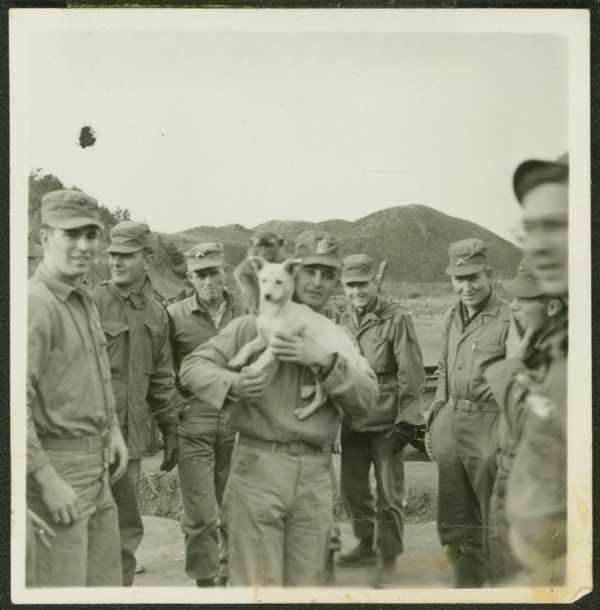
Because more than 70 years have passed since the Korean War ended, opportunities to hear firsthand accounts from earlier conflicts grow fewer as time passes. Veterans and their families may be able to help record stories and lessons from “The Forgotten War” that might otherwise be lost.
You don’t need to be a historian to help preserve your loved ones’ memories and experiences. Programs like the Library of Congress Veterans History Project are dedicated to collecting stories from people like Private First Class Robert Lawrence Barber, who wrote regular letters home to his mother while serving in Korea. They paint a harrowing picture of combat, exhaustion, cold, fatigue and the stark realities of war that should never be forgotten. Experiences away from combat can be equally revealing, from daily routines and friendships to unexpected challenges.
Consider these ways to help the veterans in your life preserve their stories and leave their mark on history.
Start the Conversation Now
When it comes to recording memories, time is of the essence, especially for those who served in Korea. Decades may have passed, but each day makes a difference. Sit down with your loved one and gently start the conversation. You don’t have to get the entire backstory at once, but you can begin asking questions about their military experience and give them time to gather their thoughts.
 Record Their Story
How a story is told can add dimension to the story itself. An audio or video recording preserves your loved one’s voice, expressions and emotions along with their words, giving your family memories to look back on for generations. Choose a quiet, comfortable space and test the equipment before recording.
Consider Preserving the Story Beyond Your Family
Family stories are most meaningful to those who know and love the storyteller, but they also matter to the world. Sharing veterans’ stories – including difficulties and ordinary moments – offers others a firsthand view of military life. Libraries and oral history archives may be able to preserve qualifying material for a wider audience.
“We want all stories, not just those from the foxhole or the battlefronts, but from all veterans who served the United States in uniform,” said Monica Mohindra, director of the Veterans History Project. “What did they hear? What did they see? What did it mean to them?”
If you have oral history interviews, and/or original photographs, letters or other records, consider contributing them to be archived and made accessible to future generations. Staff members are available to help you curate and select physical materials to contribute to the nation’s library.
Give Old Photos and Letters Context
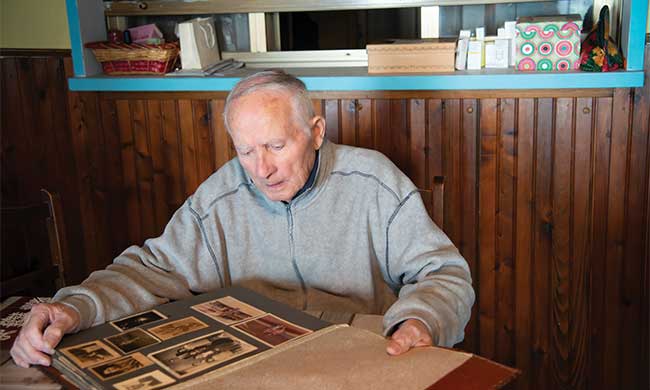
Brush the dust off those old photo albums, scrapbooks and memory boxes because they may contain tangible pieces of history. A photograph, letter or piece of memorabilia could be what a veteran needs to bring fuzzy memories back into focus – whether it’s seeing the face of an old comrade or reading a letter written home. That gives you the opportunity to hear new stories and fill in context.
Learn more, discover veterans’ histories and find instructions for contributing veterans’ stories at loc.gov/vets.
Photo courtesy of Shutterstock (man looking at photo album)
Photo courtesy of the Library of Congress (group of soldiers)
SOURCE:
Library of Congress Veterans History Project

Lifestyle
Beyond the Piggy Bank: How to Build Your Child’s Financial Future
Your Child’s Financial Future: When money is tight, saving for the future can feel out of reach. Rent, groceries and bills come first, but building something for your kids doesn’t have to start with your paycheck. For millions of families, there’s already money waiting.

Beyond the Piggy Bank: How to Build Your Child’s Financial Future
(Feature Impact) When money is tight, saving for the future can feel out of reach. Rent, groceries and bills come first, but building something for your kids doesn’t have to start with your paycheck. For millions of families, there’s already money waiting.
Michael and Susan Dell put $250 into the 530A (Trump) Accounts of 25 million children across the United States. Children born between 2016-2024 who live in eligible ZIP codes received the money. Families didn’t have to apply, and they don’t have to pay anything back.
“Every American child now has their own investment account,” said Matt Lira, executive director at Invest America, a nonprofit that helps families understand investing. “It’s in your child’s name, it’s built to grow and it’s theirs from the very start. That’s a real stake in America’s future. Claiming it takes a few minutes, and your child begins life as an owner.”
U.S. children under 18 with valid Social Security numbers already have accounts in their names, and any money in it is invested so it can grow over time. You just need to claim it. Download the official app, available on iOS or Android, or go to the official website then sign in as a parent or guardian to access your child’s account. You can choose to add money if you want, but it’s not required. Claiming the account also lets friends, family, employers and others contribute.
“Parents and grandparents, please claim your child’s account,” said Susan Dell, co-founder of the Michael & Susan Dell Foundation. “These accounts are ready. They’re waiting for you, and they have money in them. Claim your child’s account and start adding money to their account and preparing a wonderful future for them.”
Money Lessons That Don’t Cost a Thing

Claiming the account is the first step. Helping your child understand it is the next. When kids know they own something that can grow, money lessons stop feeling abstract. These everyday habits can help them make the most of it:
- Let them see how you make choices. You probably already compare prices, stretch a grocery budget and decide what can wait. Talk through those choices out loud. When kids hear why you picked the store brand or skipped something this week, they can learn how to tell needs from wants.
- Give them a little to manage. Birthday money, a few dollars for chores or earnings from mowing lawns or babysitting are all chances to practice. Let kids decide how much to spend and how much to save then talk about how it went.
- Explain saving vs. investing. Saving is putting money aside for something you want soon, like a bike. Investing is letting money grow over many years. For example, 530A (Trump) Accounts are a real-life example of investing that kids can check a few times a month to see how money grows.
- Talk about what they dream of.Ask your kids what they want someday, like a car, college, a trade, their own business or a home. Knowing they have money saved or invested can help them dream bigger, because those goals start to feel possible instead of out of reach.
Small Amounts Still Count
If you’re ever able to add something to an investment account, even a few dollars now and then, it has years to grow. Relatives can help, too. A small amount on a birthday or holiday adds up over a childhood. However, if adding money isn’t possible right now, that’s OK.
“In America, small beginnings can become extraordinary things,” Michael Dell said. “When we invest in children’s futures, we invest in America’s future. We are so excited to see what they build.”
Claim your child’s account today through the official app or at TrumpAccounts.gov.
Common Questions About 530A (Trump) Accounts
What is a 530A (Trump) Account?
It’s a free investment account for U.S. children under 18 powered by the U.S. Treasury. It’s in your child’s name. The money in the account is invested in hundreds of America’s biggest companies at once, so it has the chance to grow over time without you having to pick anything. The account also has tax benefits. The money can grow for years without being taxed along the way, which helps it grow faster.
Does my child have one?
U.S. children under 18 with valid Social Security numbers were signed up automatically, and nearly 70 million children already have accounts. You just need to claim your child’s account to track its value over time and help it grow. You just need to claim your child’s account to track its value over time and help it grow.
How do I claim it?
Download the official app on your smartphone or visit the official website. You’ll confirm some information and claim the account. It only takes a few minutes, and it’s free.
Do I have to put money in?
No. Adding money is always possible, but claiming an account allows other people to contribute, even if you don’t.
Can other people add money?
Yes. Parents, grandparents, other family members, friends and even employers can add money. The total limit is $5,000 per child per year. Other government or charity programs may add money in the future, too.
How were children chosen for the $250 from Michael and Susan Dell?
Families did not apply, and children were not picked one by one. The foundation started with the lowest-income ZIP codes, based on U.S. Census data, and kept adding ZIP codes until it reached 25 million children. Learn more about eligibility at investamerica.org/dell.
My ZIP code wasn’t included. Does my child still have an account?
All U.S. children with a Social Security number have an account. The ZIP codes only decided who got the extra $250.
When can my child use the money?
At 18, your child can decide what to do with it. They can keep it growing for retirement or use it for things like school or buying a first home.
Photos courtesy of Shutterstock
SOURCE:
Michael and Susan Dell Foundation




