

Food
CropX Launches CropX Vision, an AI Tool for Vineyard Water Stress Monitoring

Last Updated on April 30, 2026 by Daily News Staff
CropX Technologies has launched CropX Vision, a new AI-powered vineyard monitoring solution designed to help growers measure vine water stress using a single canopy image.
The new tool uses computer vision and agronomic modeling to estimate leaf water potential from a smartphone photo, giving growers and agronomists a faster and more scalable way to assess plant stress across entire vineyard blocks. The company says the goal is to support better irrigation decisions throughout the growing season.
CropX Vision is available globally on both iOS and Android. The platform is also integrated into the broader CropX application, allowing users to combine canopy-based stress insights with other agronomic data in one place.
According to CropX, the technology offers an in-season alternative to traditional pressure chamber measurements, which can be more time-consuming and limited in sampling range. Instead of relying on specialized equipment, growers can capture a single image in the field and receive plant-level water stress insights.
The product builds on technology originally developed by Tule Technologies, a California-based precision irrigation company acquired by CropX in 2023. Tule’s canopy sensing technology has already been used in California vineyards, and CropX is now expanding that capability to growers worldwide.
CropX says the global release reflects its continued focus on data-driven tools that help growers improve productivity while managing water more efficiently.
CropX Vision is now available for download via the app stores:
- iOS: https://apps.apple.com/nl/app/cropx-vision/id6756921607?l=en-GB
- Android: https://play.google.com/store/apps/details?id=com.cropx.cropx_vision&pcampaignid=web_share
For more information, visit CropX Vision.
Visit the Food and Drink section on STM Daily News for the latest food news, beverage trends, restaurant stories, seasonal recipes, culinary events, and community-driven lifestyle coverage.

Food and Beverage
Simplify Family Dinners with Easy, One-Pan Meals
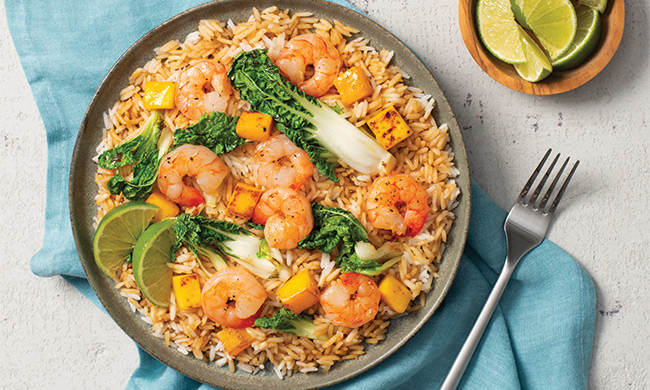
One-Pan Meals: When busy weeknights leave little time for prepping dinner – or cleaning it up afterward – simple recipes can make a difference. Try this this zesty, Asian-inspired Lime-Ginger Shrimp Fried Rice or Broccoli Cheese Rice Casserole.

Simplify Family Dinners with Easy, One-Pan Meals
(Feature Impact) When busy weeknights leave little time for prepping dinner – or cleaning it up afterward – simple recipes can make a difference. With a few flavorful ingredients and a single pan or casserole dish, you can get a satisfying meal on the family table without spending hours in the kitchen or leaving behind a sink full of dirty dishes.
Convenient ingredients like rice lend themselves well to a variety of easy recipes. For example, this zesty, Asian-inspired Lime-Ginger Shrimp Fried Rice combines sauteed shrimp with sweet mango, citrusy lime, savory bok choy and fragrant Success Boil-in-Bag Jasmine Rice in a weekly favorite that’s ready in about 25 minutes using just a wok or large skillet.
With no additives or preservatives, and now available in a shareable 32-ounce family size, the certified kosher, gluten-free, non-GMO long grain rice’s sweet buttery flavor makes it an easy base for the customizable dish. While the recipe calls for bok choy, you can mix and match vegetables based on what vegetables you already have on hand, including leftovers from another meal, such as carrots, onions, peppers, zucchini, mushrooms, snap peas or corn.
For another easy option, this Broccoli Cheese Rice Casserole comes together in just four simple steps and requires a single casserole dish for baking. Using no measure, no mess Success Boil-in-Bag White Rice ensures perfect, fluffy rice that folds into a creamy combination of cream of mushroom soup, broccoli and cheddar cheese for a bubbling, hearty dinner straight from the oven in about half an hour.
For more recipes that make it easy to get a homemade meal on the table with less cleanup, visit SuccessRice.com.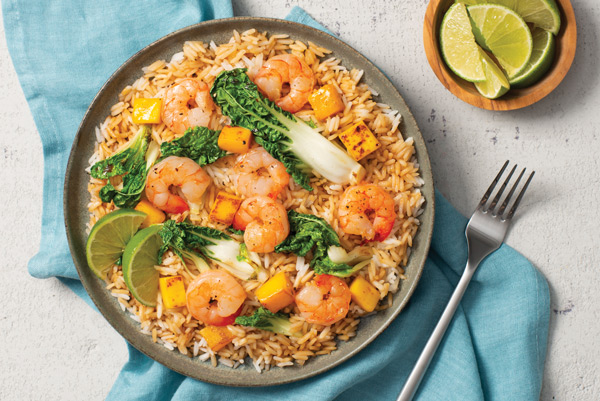
Lime-Ginger Shrimp Fried Rice
Prep time: 10 minutes
Cook time: 15 minutes
Servings: 4
- 2 bags Success Boil-in Bag Jasmine Rice
- 2 tablespoons canola oil
- 1 pound peeled, deveined medium shrimp, tails removed
- 8 baby bok choy, trimmed and quartered
- 1/2 cup diced fresh mango
- 1 tablespoon minced fresh ginger root
- 1/4 teaspoon salt
- 3 tablespoons soy sauce
- 2 tablespoons lime juice
- Prepare rice according to package directions. Allow to cool completely.
- In wok or large skillet, heat oil over medium-high heat. Add shrimp, bok choy, mango, ginger and salt; saute 3-5 minutes, or until shrimp start to curl and bok choy starts to wilt.
- Stir in rice. Cook 2-3 minutes, or until well coated. Stir in soy sauce and lime juice; cook 2-3 minutes, until rice is heated through.
Tip: If you don’t have bok choy on hand, use small broccoli florets, trimmed green beans or leftover vegetables of choice.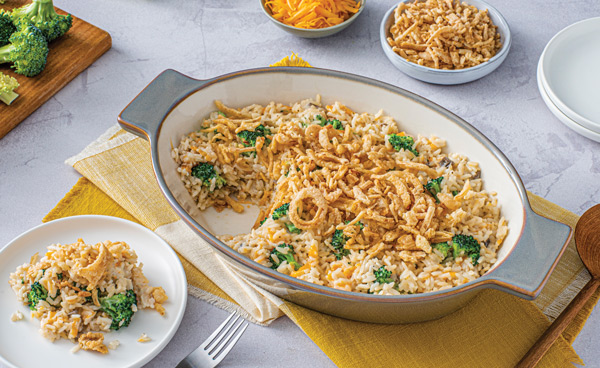
Broccoli Cheese Rice Casserole
Prep time: 5 minutes
Cook time: 30 minutes
Servings: 4-6
- 1 bag Success Boil-in-Bag White Rice
- nonstick cooking spray
- 1 can (10.75 ounces) condensed cream of mushroom soup
- 2 cups frozen broccoli florets, thawed and drained
- 1 1/2 cups shredded cheddar cheese, divided
- 1/2 teaspoon black pepper
- 1/2 cup crispy fried onions
- Prepare rice according to package directions. Preheat oven to 350 F.
- Coat 2-quart casserole dish with nonstick cooking spray. In medium bowl, combine soup, broccoli, 1 cup cheddar cheese and pepper. Fold in rice.
- Pour mixture into prepared dish and top with remaining cheddar cheese.
- Top with crispy fried onions. Bake 20 minutes, until bubbling.

SOURCE:

Food Truths
Soul Food Has African Roots—and a Distinct Black American History
Soul food connects African heritage with generations of Black American creativity and community. Here’s why shared roots and a distinct cultural identity both deserve recognition.

Last Updated on October 15, 2026 by Daily News Staff
Shared ancestry connects the African diaspora. It also makes understanding each community’s food traditions worth the effort.
A debate over who can claim soul food raises a question larger than any social media argument: When does a shared cultural inheritance become a distinct tradition?
People across Africa and the African diaspora have foods that evoke home, family, comfort, and belonging. Recognizing that connection is valuable. But using “soul food” as a general description of comforting food is different from identifying the cuisine historically known by that name.
Soul food is a distinctly African American culinary tradition with African roots, shaped by generations of Black life in the United States. Recognizing its American development does not erase Africa. Recognizing Africa should not erase what Black Americans created.
African Roots, American Development
Enslaved Africans arrived with agricultural knowledge, cooking skills, and food traditions. They adapted those traditions to unfamiliar surroundings and unequal access to food, drawing on available ingredients and encounters with Indigenous and European foodways.
Okra, black-eyed peas, and vegetable-centered cooking offer important connections to African traditions. Corn and cornmeal reflect Indigenous American agriculture. These ingredients and influences became part of an evolving food culture rather than remaining unchanged copies of dishes from another continent. [1]
The distinction is between ancestry and development. A cuisine can descend from older traditions and acquire its own identity through the experiences of the people who preserve and transform it.
More Than a Story About Scraps
Slavery and deprivation belong in this history. Enslaved people supplemented restricted food supplies through gardening and other means, and used small amounts of meat to season vegetables. But telling the entire story as “making something out of scraps” understates their knowledge and creativity.
Black food history also includes seafood work, farming, skilled cooking, and enterprise. The Smithsonian’s account of Black foodways, for example, documents African Americans’ extensive involvement in harvesting, processing, and selling oysters. [2]
These were people with expertise. Their contributions deserve recognition as culinary work and cultural creation.
Why the Name Matters
The food traditions are older than the widespread use of the name “soul food.” The term became prominent during the 1960s, amid movements asserting Black identity and cultural pride. Smithsonian histories describe the soul food movement as celebrating foods that mainstream America had often disparaged. [3]
That context gives the name meaning beyond a meal that tastes good or brings comfort.
For some families, a pot of greens or a pan of cornbread carries memories of relatives, church dinners, holidays, and recipes learned by watching someone cook. Calling those foods “soul food” places them within a particular cultural story.
Southern Roots Traveled
Soul food also developed beyond the South. During the Great Migration, Black Americans carried Southern food traditions into new cities and neighborhoods, preserving familiar dishes while adapting their cooking. Smithsonian programming connects that movement directly to soul food’s development. [4]
That helps explain how a cuisine rooted in the South became part of Black community life across the country.
It also makes geography an imperfect test of authenticity. Soul food cooked in London can still be African American soul food. A cuisine’s cultural origins do not change simply because someone prepares it elsewhere.
Shared Heritage Does Not Mean Identical Cultures
Africa is a continent of many food traditions. The diaspora is similarly diverse. African American, Afro-Caribbean, Afro-Latin American, and Black British identities encompass different histories and relationships to food.
Someone may use “soul food” figuratively to describe a cherished family dish. That emotional use is understandable. The difficulty arises when it becomes a historical claim that all Black cuisines are versions of the same named tradition.
Shared ingredients and ancestry establish connections; they do not make distinct cuisines interchangeable.
A useful conversation would ask which dishes are related, what techniques survived, and how different communities adapted them. That approach gives people more history to appreciate.
Respect Through Recognition
Defending soul food’s African American identity need not become an attack on Africans, Caribbean people, or Black Britons. Equally, celebrating connections across the diaspora should include respect for Black Americans’ particular contributions.
Anyone can cook, enjoy, study, and share soul food. Cultural recognition does not require closing the kitchen door. It requires crediting the people and history behind the cuisine.
Soul food’s African roots and African American identity belong in the same sentence. Both deserve to be remembered.
What dish connects you most strongly to your family’s history—and who taught you to make it? Share your story in the comments.
Explore more food stories and culinary traditions in STM Daily News’ Food & Drink section.
Sources and Further Reading
- African and Native American Foodways and Resilience: From 1619 to COVID-19 — Research on food traditions, adaptation, and cultural resilience.
- Black Foodways and Cuisine — National Museum of African American History and Culture.
- African American History Highlights — National Museum of American History, including the soul food movement.
- Cooking Up History — National Museum of American History programming on migration and soul food.

Foodie News
Red Lobster Serves Up October Deals, New Shrimp Flavors and Free Kids Meals for Halloween
Red Lobster unveils October 2026 deals, new Endless Shrimp flavors and free kids meals for Halloween weekend. See dates, offers and restrictions.
STM Daily News | Food & Drink | News Brief
October 13, 2026
Red Lobster Kids Eat Free Halloween 2026
Red Lobster is bringing new seafood specials, weekday meal deals and a Halloween treat for families this October. The restaurant chain has announced a lineup of promotions that includes discounted appetizers, new Endless Shrimp flavors and free kids meals for Halloween weekend.
The promotions, announced October 9, feature several offers for Canadian customers, along with select deals available in the United States.

New Weekday Seafood Deals
Red Lobster is introducing an updated weekday Daily Deals menu at participating Canadian restaurants, featuring a different seafood combination each day.
The lineup includes:
- Monday – Endless Shrimp ($36.99 CAD): A selection of shrimp favorites served with one side.
- Tuesday – Crab Lover’s Duo ($34.99 CAD): Steamed snow crab legs paired with Crab & Shrimp Linguini Alfredo.
- Wednesday – Steak & Walt’s ($27.99 CAD): Grilled sirloin with Walt’s Favourite Shrimp and one side.
- Thursday – Salmon New Orleans ($29.99 CAD): Blackened salmon topped with shrimp in Cajun butter sauce.
- Friday – Captain’s Platter ($25.99 CAD): Garlic shrimp, popcorn shrimp and crispy battered fish with one side.
These prices and specific weekday offers apply to participating Canadian restaurants. Red Lobster’s U.S. Daily Deals are separate and may differ in price and availability.
Endless Shrimp Gets an OLD BAY Twist
Beginning October 13, Red Lobster is adding NEW OLD BAY Garlic Shrimp to its Canadian Endless Shrimp lineup.
The limited-time promotion allows guests to mix and match shrimp varieties throughout their meal, accompanied by a side and Red Lobster’s signature Cheddar Bay Biscuits.
The Canadian Endless Shrimp promotion is advertised at $34.99 CAD, with pricing and participation varying by location. Endless Shrimp is available for dine-in only at participating U.S. and Canadian restaurants.
Kids Eat Free for Halloween Weekend
Families looking for a Halloween dining treat can take advantage of Red Lobster’s Kids Eat Free promotion from October 30 through November 1, 2026, at participating restaurants in both the United States and Canada.
Children who arrive in costume can receive free kids meals when dining with an adult purchasing a full-price dinner entrée.
For dine-in customers, one qualifying adult entrée can provide up to two free kids meals, with a maximum of two per table.
Families ordering online for takeout can receive one free kids meal with a qualifying adult entrée by using promo code SPOOKY26.
The maximum discount is $9.99 per free kids meal, and additional restrictions apply.
What About the $3 Appetizers?
Red Lobster also offered $3 individually sized appetizers from October 9–12 at participating Canadian restaurants. The limited-time Thanksgiving weekend promotion included Island Coconut Shrimp, Shrimp Cocktail and Mozzarella Cheesesticks with the purchase of an entrée.
That promotion has now ended and was not advertised as a U.S. offer.
Check Before You Go
With restaurant promotions varying by country and location, customers should confirm availability, prices and restrictions before visiting.
For menus, participating restaurants and additional details, visit Red Lobster’s U.S. website or Red Lobster Canada.
More Food & Drink News from STM Daily News
Looking for the latest restaurant promotions, food trends, recipes and dining news? Explore the Food & Drink section of STM Daily News for more delicious discoveries, helpful tips and updates on what’s happening in the world of food.
Source: RL Investor Holdings LLC / Red Lobster, press release dated October 9, 2026.
Editor’s Note: Promotional offers are subject to participation, availability and restrictions. Canadian prices are listed in Canadian dollars and should not be interpreted as U.S. pricing.




