

Family
Get Holiday and Gift Ready: A checklist to prepare for the season
Get Holiday and Gift Ready: Prepare for a stress-free holiday season with a checklist that includes cleaning your home, planning gifts early, setting smart boundaries, wrapping presents as you go, and creating a festive ambiance with music and lighting.

Last Updated on October 27, 2025 by Daily News Staff
Get Holiday and Gift Ready: A checklist to prepare for the season
(Family Features) Creating lasting memories during the holidays is all about spending quality time with loved ones. Being prepared for everything the season brings helps minimize stress so you can maximize that special time together.
If prepping for the holidays has you feeling overwhelmed, use this checklist to ensure your home is guest-ready, your thoughtful gifts are wrapped early and your celebrations are festive and worry-free.
Clean, Declutter and Restock Ahead of Guests’ Arrival
To guarantee your home is ready for everything the holiday season can throw at it, start with a thorough cleaning. Focus on high-traffic areas like the living room, kitchen and guest bathrooms. Don’t forget the bedrooms if you’ll have company staying over during the holidays.
Declutter your living spaces to make room for holiday decor and create extra space for guests to move around comfortably. Make room in the refrigerator and restock essentials such as snacks, beverages and toiletries, and set out towels and bedding for overnight guests. Whether or not you’re hosting guests, having a clean home during holiday chaos can help bring peace of mind.
Get Gift Ready to Avoid the Rush
Planning your list in advance can help you avoid the last-minute rush to find thoughtful, elevated gifts for friends and family members. Perfectly gift-ready, Air Wick Essential Mist is an easy, thoughtful holiday surprise for anyone on your list. Featuring a range of fragrances and portable design, it effortlessly transforms any space into one that feels more elevated, inviting and holiday-ready. With its long-lasting scents and effortless setup, it’s an affordable present that delivers a multi-sensory experience.
Stress Less with Smart Boundaries
The holidays often bring packed calendars, endless to-dos and added financial pressures, but setting boundaries can help you prevent burnout. Create a realisitic budget and stick to it, opting for thoughtful yet affordable gifts. Don’t be afraid to delegate tasks, whether that’s asking family members to bring an extra dish to dinner or letting kids help wrap presents. Just as important, block off a few evenings when you can commit to no obligations, giving yourself time to rest and recharge. By setting limits on your time, spending and energy, you’ll be able to enjoy the moments that matter most.
Wrap Presents as You Go to Stay Ahead
Wrapping presents as you purchase them can help avoid the stress of last-minute giftwrapping, not only saving time but also allowing you to be more creative with your wrapping style. Keep supplies such as paper, ribbons and tags on hand in an easily accessible location so your gifts are gift ready the moment you bring them home.
Set the Mood with Music and Lighting
Create a warm and inviting ambiance with the right music and lighting. Whether it’s a lively gathering or a quiet family dinner, playing holiday music can get everyone into the festive spirit. Soft, warm lighting from lanterns or seasonal string lights, along with holiday fragrances, can create a relaxing environment that makes everyone feel welcome.
Keep Host Gifts On Hand to Be Party Ready
Be prepared for any last-minute invitations by keeping a few host gifts on hand. While 66% of candle purchasers consider candles an appropriate gift for hosts or dinner parties, according to the National Candle Association, 1 in 3 recipients say they’re likely to regift candles because they received a scent they don’t even like. With Air Wick Essential Mist, there’s no such risk – its wide range of fragrances makes it a ready-for-anything gift that can be easily tailored to the recipient’s preference. By having the diffuser on hand, you can show your appreciation effortlessly, without the stress of last-minute shopping.
Find more information about gift-ready fragrances at airwick.us.
Photo courtesy of Shutterstock (woman wrapping gifts)
SOURCE:
Our Lifestyle section on STM Daily News is a hub of inspiration and practical information, offering a range of articles that touch on various aspects of daily life. From tips on family finances to guides for maintaining health and wellness, we strive to empower our readers with knowledge and resources to enhance their lifestyles. Whether you’re seeking outdoor activity ideas, fashion trends, or travel recommendations, our lifestyle section has got you covered. Visit us today at https://stmdailynews.com/category/lifestyle/ and embark on a journey of discovery and self-improvement.


Food and Beverage
Jack-o’-Lantern Stuffed Peppers Prove Fun Isn’t Just for Pumpkins
These Jack-o’-Lantern Stuffed Peppers give you a Halloween-themed, kid-approved way to put vegetables on the dinner table.
Recipes:
Jack-o’-Lantern Stuffed Peppers

Jack-o’-Lantern Stuffed Peppers Prove Fun Isn’t Just for Pumpkins
(Feature Impact) Jack-o’-lantern carving is a cherished fall tradition – but pumpkins aren’t the only vegetables you can decorate with fun, spooky or scary faces. These Jack-o’-Lantern Stuffed Peppers give you a Halloween-themed, kid-approved way to put vegetables on the dinner table.
Filled with savory ground turkey, brown rice, melty cheese and warm, savory spices, these peppers taste as autumnal as they look. It’s simple to customize the filling to your family’s tastes, and you can even make the meal interactive by inviting kids to choose their own pepper colors and carve their own expressions.
Find more Halloween and seasonal recipes at Culinary.net.
Jack-o’-Lantern Stuffed Peppers
Recipe adapted from AllRecipes
Prep time: 15 minutes
Cook time: 45 minutes
Servings: 4
- 1 teaspoon olive oil
- 1 pound ground turkey
- 3 cloves garlic, minced
- 1/2 medium onion, diced
- 1 teaspoon garlic powder
- 1 teaspoon cumin
- 4 large orange bell peppers
- 1 cup cooked brown rice
- 1 cup grated sharp cheddar cheese
- 2 teaspoons kosher salt
- 1/2 teaspoon ground black pepper
- cayenne pepper, to taste
- cups seasoned tomato sauce, warmed
- Preheat oven to 400 F and coat 9-by-13-inch baking dish with olive oil.
- In skillet, brown ground turkey with minced garlic, onion, garlic powder and cumin until meat is cooked, 4-5 minutes.
- With small knife, cut eyes, nose and mouth into flattest side of each pepper to resemble jack-o’-lantern. Cut around seed pods and remove pepper tops, trimming and discarding any seeds from under stems then setting tops aside. Trim white membranes from inside each pepper and shake out seeds. Place peppers in prepared baking dish.
- In bowl, combine turkey mixture with cooked rice, cheddar cheese, salt, black pepper and cayenne pepper, to taste.
- Divide and stuff mixture into peppers; cover with reserved pepper tops.
- Wrap baking dish loosely with aluminum foil and bake until peppers are tender, about 45 minutes.
- Spoon about 3 tablespoons warm tomato sauce onto each plate; place stuffed peppers on top. Serve remaining sauce on side.
Photo courtesy of Shutterstock
SOURCE:
home improvement
5 Simple Steps to Prepare Before Disaster Strikes
Disaster preparedness doesn’t have to be expensive or complicated. It’s all about the small, simple steps you can take to protect yourself, your family and your community.

(Feature Impact) Disaster preparedness doesn’t have to be expensive or complicated. It’s all about the small, simple steps you can take to protect yourself, your family and your community.
Yet, as severe weather becomes more frequent, many people aren’t prepared for the impact.
New research from United Way Worldwide and Verizon revealed that although 60% of U.S. adults are concerned a natural disaster could affect their household in the next year, only 15% would feel very prepared for one.
While many people understand the risks, they face real barriers to preparation. Cost remains the primary obstacle to disaster preparedness with 45% of those surveyed naming it as the top barrier. In addition to cost, lack of time (25%) and not knowing where to start (28%) prevented people from taking action.
That’s why preparedness should be practical and affordable.
For example, the United Way’s United We Prepare initiative, supported by Verizon, offers free disaster preparedness workshops, emergency kit distribution, information on local emergency services and practical guidance to help people plan and be ready to weather a storm.
When individuals and families are better prepared, communities are more resilient. Get started with these simple, zero-cost steps:
 Identify Key Emergency Contacts
Choose a relative or friend outside of your immediate community who can act as a central check-in point or offer shelter during an emergency. Also, take a few moments to create updated digital and physical emergency contact lists with names, phone numbers and addresses of loved ones as well as service and healthcare providers.
Enable Local Alerts
Identify trusted local emergency services and news that can provide weather and emergency information. Turn on wireless emergency alerts in your phone settings, bookmark local news weather pages and save other important website links to ensure you’re in-the-know when disasters strike.
Build a Support System
Before severe weather, touch base with at least two neighbors or family members to identify what help they may need (or what assistance they can provide) and create a plan for checking in with each other in the event of an emergency.
Plan for Special Needs
It’s easiest to make clear-headed decisions before you’re stressed and rushing in the heat of the moment, so sit down and sketch out basic plans for special needs related to transportation, prescriptions, caregiving and pets before severe weather arrives. Decide where you would meet if separated, how to get there if transportation is disrupted, who would pick up children or take care of pets, what health needs or medications need to be considered and more.
Save Key Information and Documents Digitally
During a crisis, you likely won’t have time to search filing cabinets, desks and glove compartments for important documentation. Take photos or make digital copies of identification documents, insurance information, medical cards, prescription details, important household records and other key documents to access if you need to leave home quickly. For insurance purposes, it may also be helpful to take a video of your property and valuable belongings in your home in case they’re damaged or ruined.
The goal isn’t to do everything at once; it’s to start. An hour spent making connections, gathering information and talking through a plan today can make it easier to act when time matters most.
For more simple preparedness tips and resources, visit UnitedWePrepare.org.
Test Your Disaster Preparedness Knowledge
Take the quiz at UnitedWePrepare.org to test your knowledge on 10 disaster preparedness questions customized to your area, such as:
- What should you include in a winter emergency supply kit for your car?
- What is the difference between a Tornado Watch and Tornado Warning?
- When should you evacuate during a wildfire?
- Why is it important to prepare for disasters?
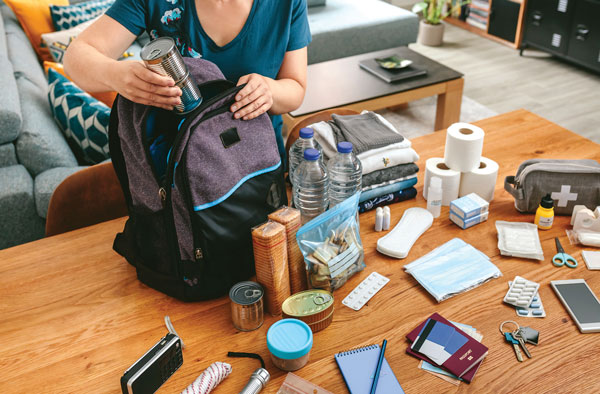
Photo courtesy of Shutterstock (preparation supplies)
SOURCE:
child education
Preparing the Next Generation for Economic Mobility in an AI-Driven World
AI-Driven World: Within only a few years, AI has already changed many things about the world and workforce. Entry-level jobs, particularly the ones relying on routine and predictable tasks, are increasingly disappearing to automation, leaving young people wondering how to launch their careers and futures. To learn what preparing students for the future may look like in practice, consider these tips.

Preparing the Next Generation for Economic Mobility in an AI-Driven World
(Feature Impact) Within only a few years, AI has already changed many things about the world and workforce. Entry-level jobs, particularly the ones relying on routine and predictable tasks, are increasingly disappearing to automation, leaving young people wondering how to launch their careers and futures.
Access to economic mobility – the ability to change your income or wealth – doesn’t just rely on technical knowledge and skills but on leaning into humanity. Being able to think outside the box, collaborate, solve problems and grow as a person can open doors in life and at work. AI may be changing the world, but in change lies opportunity. The students who can adapt quickly are more likely to prosper as the economy continues to reshape itself.
To learn what preparing students for the future may look like in practice, consider these tips from the economic and career experts at Junior Achievement.
Build the Kinds of Skills AI Can’t Replace
Young people facing AI as their competition can get a boost from cultivating the uniquely human skills technology can’t replicate. Educators, parents and other adults in kids’ lives can help them develop increasingly important soft skills like critical thinking, communication, teamwork and leadership, which can translate to many different careers. Hands-on skills can fit into this category as well, like the kinds required in entrepreneurship and the trades.
Provide Real-World Experiences
When young people have the chance to test themselves in a real-world setting, it lets them hone their interests, skills and confidence before the time comes to make major decisions about their futures. As early as elementary school, experiential learning activities like Junior Achievement’s Biztown allow students to operate businesses, work with others, manage finances and solve problems, combining in-class learning with hands-on simulations. As kids grow up, other options can include job shadowing, internships and entrepreneurship experiments – all ways to build durable social and professional skills that can help them succeed.
Teach Foundational Financial Literacy
Earning money is only part of the equation for a healthy financial future; equally important is understanding how to manage it. As kids prepare to earn their first sources of income, make sure they’re also equipped with practical financial skills like budgeting, saving, investing, using credit wisely and planning for future goals. Giving them these tools early helps them make informed decisions about their long-term economic advancement.
Connect Students with Employers and Opportunities
Sometimes, all a student needs to succeed is someone who’s willing to give them a chance. Young people in a position to meet business professionals in (and beyond) their communities may be able to turn those connections into future opportunities. This can happen naturally as they seek real-world experiences through apprenticeships, mentorship programs, career fairs and more.
Programs like Junior Achievement’s 3DE puts students in authentic business challenges, connecting them with educators, business partners and volunteers as they work in teams to complete case experiences. This not only gives young people the opportunity to meet potential employers or mentors, it also lets them demonstrate critical thinking, social skills and real-world competence.
Visit jausa.ja.org for more ideas to help young people gain the confidence and connections needed to achieve economic mobility in a changing world.
Photo courtesy of Shutterstock
SOURCE:




