

Consumer Corner
How High-Speed Internet Can Help Spark Community Vitality

Last Updated on August 24, 2024 by Daily News Staff
(Family Features) Most Americans consider high-speed internet an essential household service. Yet in rural America, an estimated 25% of the population doesn’t have access to broadband, limiting their economic growth and access to career opportunities and resources such as education and health care.
Connecting With High-Speed Internet
The connectivity that expanding high-speed internet availability can provide creates opportunities, and some businesses are taking that mission quite seriously. For example, over the past year and a half, Cox Communications has expanded its fiber network to reach more than 55,000 households that were previously unserved or underserved.
Measuring the impact of access to high-speed internet is an important step in expanding availability and solving the digital equity problem. The 2023 Cox Expansion Impact Survey revealed 86% of customers with service for at least one month believe the service has improved their lives.
The survey also revealed three core areas where high-speed internet is changing lives for the better:
Retaining Younger Generations
As many young adults head off to college or leave their hometowns for better job opportunities, they contribute to shrinking rural communities. However, high-speed internet access can allow younger generations to remain in their communities with prospects of remote learning and working. In fact, 70% of survey respondents 30 or younger said they are more likely to stay in their communities if they can access a high-speed connection, and three-quarters of millennials and younger said they’re open to remote working opportunities, which makes staying in their communities possible.
By staying in their communities, rather than moving to urban areas to find employment, young adults are more likely to find affordable housing and less traffic. It also means the younger generation can stay close to the communities where they grew up, where their support network, including family members and friends, are nearby.
Driving Local Economic Prosperity
High-speed internet stimulates economic growth and businesses need it to succeed. When businesses do well and grow, their successes can have a multiplier effect on the local economy as residents have more job opportunities. In fact, the majority (53%) of survey respondents – including 75% of millennials and younger – feel more optimistic about their economic and employment future with the availability of high-speed internet in their communities.
Bridging Income and Education Gaps
For families without high-speed internet access, there are significant educational challenges, such as accessing educational resources available outside of their textbooks or classrooms, especially in lower-income households. Students lacking broadband often encounter difficulties completing homework, falling behind, receiving lower grades and sometimes even failing to graduate – potentially limiting career opportunities and future prosperity.
The majority of lower-income families surveyed (7 in 10) believe high-speed internet will improve their children’s test grades, and almost 90% said it will improve their abilities to apply to colleges or vocational schools after high school graduation. In fact, the survey revealed high-speed internet is twice as likely to improve the education of children in lower-income families than higher-income ones.
To learn more about the impact broadband has on rural communities, visit coxexpansionimpact.com.
Photo courtesy of Shutterstock
SOURCE:
Cox Communications
Our Lifestyle section on STM Daily News is a hub of inspiration and practical information, offering a range of articles that touch on various aspects of daily life. From tips on family finances to guides for maintaining health and wellness, we strive to empower our readers with knowledge and resources to enhance their lifestyles. Whether you’re seeking outdoor activity ideas, fashion trends, or travel recommendations, our lifestyle section has got you covered. Visit us today at https://stmdailynews.com/category/lifestyle/ and embark on a journey of discovery and self-improvement.
STM Daily News is a vibrant news blog dedicated to sharing the brighter side of human experiences. Emphasizing positive, uplifting stories, the site focuses on delivering inspiring, informative, and well-researched content. With a commitment to accurate, fair, and responsible journalism, STM Daily News aims to foster a community of readers passionate about positive change and engaged in meaningful conversations. Join the movement and explore stories that celebrate the positive impacts shaping our world.
https://stmdailynews.com/category/stories-this-moment


Consumer Corner
Reduce Home Fire Risks: 5 Items to Avoid Plugging into Power Strips
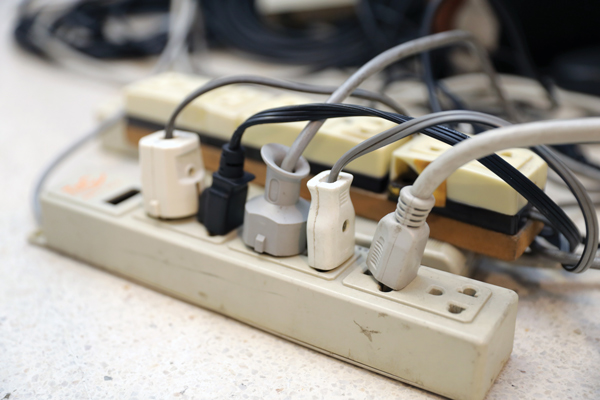
Reduce Home Fire: Power strips make it easy to add outlets where families need them, but they aren’t designed to handle every appliance in the home. Plugging certain high-powered appliances into a power strip can overload it, potentially causing overheating and increasing the risk of an electrical fire.
Reduce Home Fire Risks: 5 Items to Avoid Plugging into Power Strips
(Feature Impact) Power strips make it easy to add outlets where families need them, but they aren’t designed to handle every appliance in the home. Plugging certain high-powered appliances into a power strip can overload it, potentially causing overheating and increasing the risk of an electrical fire.
“Power strips are so common that it’s easy to assume anything with a plug can safely go into one, but that’s not the case,” said Bonnie Lee, vice president of property claims at Mercury Insurance. “Appliances that draw significant power can generate more heat than a power strip is designed to handle. A simple change in where you plug something in can help eliminate an unnecessary fire risk.”
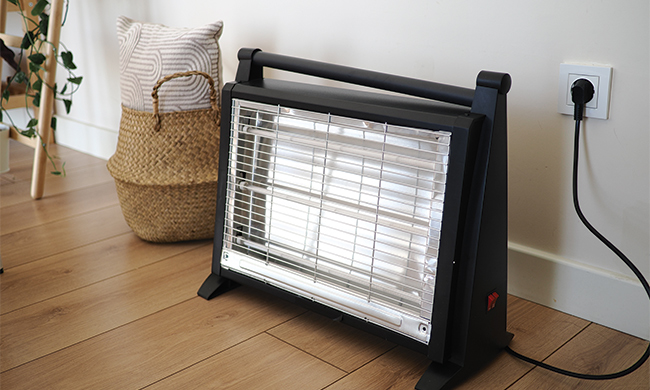
The National Fire Protection Association (NFPA) recommends plugging portable space heaters directly into wall outlets and warns that extension cords can be too small for electrical loads such as space heaters and air conditioners. Additionally, the U.S. Consumer Product Safety Commission warns that power strips can pose a fire hazard when overloaded.
Take a closer look at these five household items, as recommended by the home safety experts at Mercury Insurance:
1. Space Heaters
Portable electric space heaters can draw substantial power and should be plugged directly into a wall outlet rather than a power strip or extension cord. The NFPA also recommends keeping space heaters at least 3 feet away from anything that can burn and turning them off when leaving the room or going to bed.
2. Air Fryers
Air fryers pack a powerful heating element. Depending on the model, that can mean a significant electrical load while the appliance is operating. Follow the manufacturer’s instructions and, when directed, plug the appliance directly into an appropriate wall outlet rather than a power strip already serving other kitchen devices.
 3. Microwaves
Microwaves require significant power during operation and generally should have a dedicated or properly rated outlet consistent with the manufacturer’s instructions. Avoid treating an available spot on a countertop power strip as an extra kitchen outlet. If there aren’t enough outlets to safely accommodate appliances, consider having a qualified electrician evaluate the setup.
4. Refrigerators and Freezers
Refrigerators and freezers operate around the clock, and their compressors can create additional electrical demand when cycling on. These appliances should be connected according to manufacturer’s instructions and applicable electrical requirements rather than relying on a power strip as a permanent wiring solution.
5. Portable Air Conditioners
Like space heaters, portable air conditioners can place a heavy load on an electrical circuit. NFPA guidance notes extension cords may be too small for loads including air conditioners. Follow the manufacturer’s instructions and use an appropriate wall outlet rather than assuming a power strip can safely handle the appliance.
For information about in-home fire safety, visit MercuryInsurance.com/resources.
Give Your Power Strips a Home Safety Check
The appliances plugged into a power strip aren’t the only things homeowners should consider. The condition and use of the strip itself matter, too.
Homeowners should avoid plugging one power strip into another, commonly known as “daisy chaining,” and should never use a power strip as a substitute for permanent household wiring. Damaged, discolored or unusually warm power strips should be taken out of service. Also check that power strips are appropriate for their intended use and follow all manufacturer’s instructions and electrical ratings.
“If you need power strips throughout a room just to operate everyday appliances, the bigger issue may be that your home electrical system isn’t meeting your needs,” Lee said. “Adding outlets or having an electrician evaluate the circuit may take a little more effort, but it’s a much better solution than creating a potential fire hazard.”
Homeowners should also pay attention to warning signs including frequently tripped circuit breakers, outlets or plugs that feel unusually warm, flickering lights, burning odors, buzzing or crackling sounds and discoloration around outlets. A qualified electrician should evaluate electrical problems rather than relying on additional power strips or extension cords as a workaround.
Photos courtesy of Shutterstock
SOURCE:
Automotive
4 Tips for Efficient EV Charging at Home
Efficient EV Charging at Home: Your car has one job – to take you where you need to go. For electric vehicle (EV) owners, that means keeping it charged so it’s ready to hit the road when you are. Charging your car at home is convenient and cost-effective, especially if you have the right equipment and routines.
4 Tips for Efficient EV Charging at Home
(Feature Impact) Your car has one job – to take you where you need to go. For electric vehicle (EV) owners, that means keeping it charged so it’s ready to hit the road when you are.
Charging your car at home is convenient and cost-effective, especially if you have the right equipment and routines. Consider these quick tips from the EV experts at Schneider Electric.
Watch this video to learn more:
//www.youtube.com/embed/IELsXkSgOQQ
Install a Level 2 Home Charger
While many EV owners start with standard Level 1 charging using typical 120-volt household outlets, upgrading to a 240-volt Level 2 charger can offer extra efficiency and convenience. With significantly faster charging speeds, these units increase your driving range per charging hour and can replenish your battery in a fraction of the time.
Charge During Off-Peak Hours
If your electric company has variable pricing based on the time of day, you may be able to lower your utility bill by shifting your charging routines. This could mean doing most of your charging overnight and unplugging during peak daytime hours when rates are often more expensive.
Consider a Smart Charger
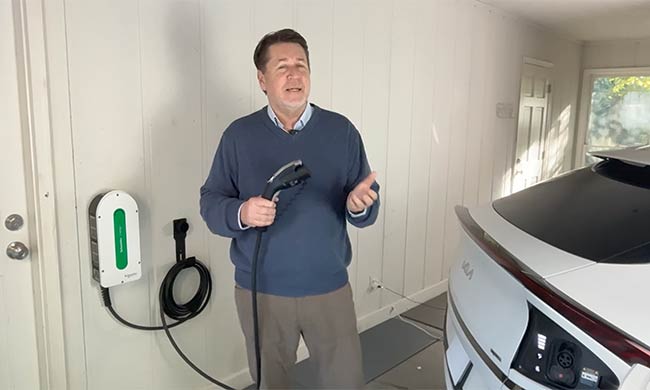
Since Level 2 chargers can add significant electrical load to your home, many EV owners are concerned they’ll need to make costly electrical upgrades to accommodate the higher power requirements. Instead, consider a smart Level 2 home charger with dynamic power management like the Schneider Charge.
With built-in technology called SmartAmp, this charger intelligently monitors the electrical demand in the home and adjusts the output to your EV accordingly. Whether you’re running a dryer full of laundry or turning on the air conditioning, the system can automatically dial back the charging power to your EV when necessary then ramp it back up when demand drops. This way, you won’t have to worry about overloading your electrical system or being forced to install pricey new panels so you can get everything done.
Since it works with all standard EV charging formats, it’s built to fit your current vehicle and whatever you buy next. Plus, through the connected app, you can conveniently schedule charging with a tap, giving you the ability to manage your EV routine remotely – or just set it and forget it.
Track Your Habits
Understanding your current charging habits can help you fine-tune your routines over time. Smart chargers can make tracking simple and automatic with apps that allow you to access information like how often you’re charging your vehicle, how long it takes and how much energy it consumes.
Learn more about smart EV charging at SE.com.
SOURCE:
Consumer Corner
Getting Your Wood-Burning Fireplace Ready for Winter
As cold temperatures creep in, you might be dreaming about cozy fall and winter evenings in front of a glowing, crackling fireplace. Before you (literally) fire it up for the first time, consider these steps to make sure your wood-burning fireplace is ready to heat your home cleanly, safely and efficiently.

Getting Your Wood-Burning Fireplace Ready for Winter
(Feature Impact) As cold temperatures creep in, you might be dreaming about cozy fall and winter evenings in front of a glowing, crackling fireplace. Before you (literally) fire it up for the first time, consider these steps to make sure your wood-burning fireplace is ready to heat your home cleanly, safely and efficiently.
Clear Out Old Ash and Debris
When you haven’t used your fireplace for a while, it can build up dust, soot and debris. As the first step of your annual checkup, clean out last season’s leftovers but leave about a 1-inch layer of ash at the bottom of the firebox to provide insulation and make it easier to get wood burning.
Schedule Professional Maintenance
Chimney sweeps still exist, although they don’t look like the soot-smudged lads from old movies anymore – and these days they come with a collection of high-powered modern tools to remove buildup from chimneys and flue systems. Experts can also look for ventilation issues, cracks in the masonry and other potential hazards. The National Fire Protection Association recommends getting your chimney inspected once a year and cleaned or maintained as needed.
Consider Efficiency Upgrades
To keep your fireplace working better for longer or improve its energy efficiency, explore your options for upgrades suited to your fireplace type. Glass fireplace doors, new dampers or a high-efficiency fireplace insert can all help reduce energy loss and improve heating performance. Adding or replacing a chimney cap and applying waterproof sealant to the bricks every five years can help protect your chimney from moisture damage over time.
Burn the Right Kind of Wood
Not all wood burns alike, so you can improve the warmth and efficiency of your fires simply by choosing the right kinds of logs. Stock up on seasoned hardwood dried for 6-12 months and store it in a dry, well-ventilated area away from your home so it doesn’t attract pests like mice who may want to take up residence. Avoid burning painted or treated lumber, wet wood or household trash, which can produce excess smoke and harmful pollutants.
Use Safe Fireplace Equipment
Beyond the fireplace itself, check your setup and tools to make sure you have everything you need to safely start and maintain your fires. If you have an open fireplace, make sure to use a sturdy fireplace screen to contain any stray sparks. A good-quality poker, tongs, shovel and brush can also help you control logs and embers, manage ash and keep your fireplace clean throughout the season.
Discover more home maintenance and upgrade ideas at eLivingtoday.com.
Photo courtesy of Unsplash
SOURCE:




