

Lifestyle
Saving a Life This Summer: Ways to Step Up Safety Practices
Regardless of where you are, summer is a reminder that emergencies like cardiac arrest can happen anywhere. Take the safety of those around you into your own hands this summer with this checklist.

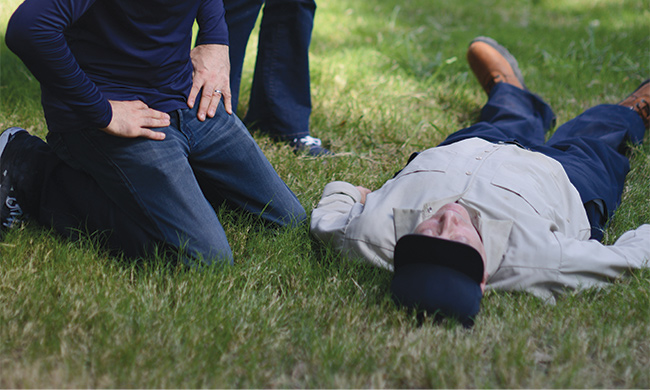
(Feature Impact) The busy summer season can take you almost anywhere – baseball fields, backyard cookouts, long workdays or road trips across the country. Regardless of where you are, summer is a reminder that emergencies like cardiac arrest can happen anywhere.
More than 350,000 out-of-hospital cardiac arrests occur in the United States each year, and 90% of people will not survive, according to the American Heart Association, a nonprofit organization devoted to changing the future for a world of healthier lives for all. Sudden cardiac arrest can happen anytime, anywhere. People often hesitate to step in. In fact, nearly 2 out of 3 adults believe CPR can only be performed by medical professionals. This mistaken belief can cost lives and contributes to the low survival rate.
Ordinary people have extraordinary power. You don’t need to wear scrubs or have a medical background to save a life – you just need the courage to act.
Take the safety of those around you into your own hands this summer with this checklist.
Plan Ahead
Summer is often a time for welcome disruptions, including vacations, camps, sports and parties. Before traveling or attending events, check if your destination has a cardiac emergency response plan, which establishes specific steps to reduce death from cardiac arrest in any setting, from schools and community organizations to workplaces and sports facilities.
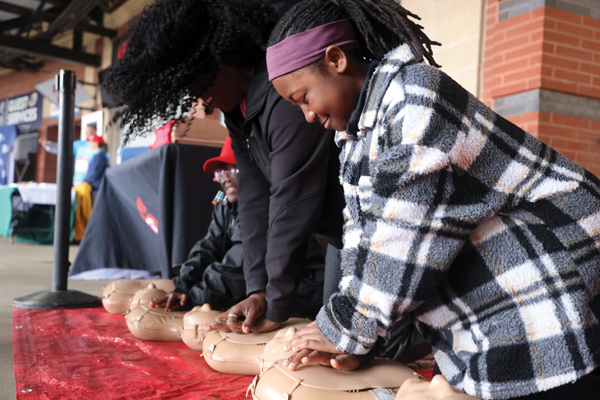 Learn CPR
Cardiac arrest can happen anywhere: at home, at work, in schools, at a soccer game or on vacation. When it happens, the first chance for survival often rests with the people nearby.
Anyone can be the difference before professional help arrives. The power to save a life is in your hands. CPR is a human responsibility, not just a medical skill. When friends, family or even strangers step in during cardiac emergencies, survival rates can double or even triple.
Hands-Only CPR for adults consists of two easy steps:
- Call 9-1-1 or shout for someone else to call.
- Push hard and fast in the center of the chest to the beat of a familiar song that’s 100-120 beats per minute, such as “Stayin’ Alive” by the Bee Gees.
Share Resources with Your Family and Community
Once you’ve learned simple, two-step Hands-Only CPR, share resources with your community to help expand the American Heart Association’s Nation of Lifesavers. Raising awareness with family, neighbors and colleagues can help people feel confident in the face of an emergency.
Families can watch short instructional videos that demonstrate the life-saving steps for adults as well as techniques for infants and children.
Travelers can also get trained in about 5 minutes with a Hands-Only CPR Kiosk, located in many airports and public spaces across the country.
To find more information about learning CPR, visit Heart.org/Nation.
Summer Safety Tips
In addition to learning CPR and sharing valuable resources with your family and community, consider these ways to keep yourself and loved ones safe throughout the summer months.
- Stay Hydrated: High temperatures can quickly lead to dehydration and heat-related illness. Drink water regularly throughout the day, especially during outdoor activities, and pack extra water when away from home.
- Protect Your Skin: Hats, sunglasses and lightweight clothing can protect skin from sun exposure, but it’s important to use broad-spectrum sunscreen and reapply every 2 hours.
- Swim with a Buddy: Hopping in a pool, lake or ocean is a hallmark of summer but can be dangerous without precautions. Never swim alone and ensure children are always supervised by an adult near water.
- Identify the Locations of Safety Equipment: When attending camps, heading to a sporting event or enjoying the pool or beach, identify where lifeguards, AEDs and emergency exits are located. Knowing where to find help can save valuable time when every second counts.
- Practice Grill Safety: Some of your most memorable summer moments may happen during a backyard barbecue or cookout, and it’s important to keep those gatherings safe. Use grills away from homes, decks and dry grass. Never leave them unattended while cooking, and be sure kids and pets stay at a safe distance from hot surfaces.
Saving a Life Within 1 Year of Learning CPR

On a chilly Tuesday, dawn was breaking as Matthew Lynch reached his highway exit, but traffic was backed up at a particular intersection. He waited through three cycles before finally getting close enough to see the holdup: a stalled SUV.
While most cars buzzed by, Lynch moved slowly and peered into the vehicle. He saw people inside and parked his sedan, flipped on the hazard lights and ran to the stalled SUV. As he knocked on the driver’s window, there was no response. The doors were locked. Two people – a male driver and female passenger – were unresponsive.
Lynch ran back to his own car and called 9-1-1 before managing to open the driver’s side door. He discovered the driver was not breathing normally, signaling to Lynch he’d need to start CPR – which he’d learned 10 months earlier during a training session he’d helped organize for a work-sponsored men’s group.
Knowing he had to do something, Lynch started pushing hard and fast in the center of the man’s chest. Within a minute, the man gasped for breath.
Just as Lynch leaned over to see if he could help the female passenger, first responders arrived and Lynch backed away, knowing there was nothing more he could do.
“It was just a lot to take in,” said Lynch, a member of the American Heart Association’s 2026 Nation of Lifesavers Class, a small group of volunteers, dedicated to raising awareness of CPR by sharing their own personal stories of survival or rescue. “Mostly I felt an incredible sense of gratitude that I could help someone.”
A strong admirer of the Good Samaritan parable, Lynch is always on the lookout for the opportunity to help others. He learned a lot about himself in that moment and about the importance of learning CPR, along with the confidence that comes from knowing you could be a lifesaver.
“I quickly realized the certification was way less important than the actual CPR training,” he said. “Your ability to help in any capacity is better than doing nothing. If I hadn’t done that training, I probably would not have helped.”

SOURCE:
📰 Thanks for reading STM Daily News – your source for News You Can Use This Moment!
We love hearing from our readers. Share your thoughts in the comments section and join the conversation with our growing community. Your feedback helps us create the stories and features that matter most to you.
Don’t miss the latest news, inspiring stories, lifestyle tips, food and drink features, and exclusive updates. Subscribe to the STM Daily News newsletter and get our top stories delivered directly to your inbox.
💬 Leave a comment.
📧 Subscribe to our newsletter.
📢 Share your favorite stories with friends and family.
Stay informed, stay connected, and be part of the STM Daily News community at STMDailyNews.com.


financial wellness
Investing in Education: 5 Ways to Prepare Students for the Jobs of Tomorrow
Jobs of Tomorrow: A diploma is still an important milestone, but what matters more than the piece of paper is whether graduates have the knowledge, skills and confidence to take meaningful next steps in pursuing further education or building careers. Students, families, educators, employers and policymakers all have a role to play in cultivating these opportunities.

Investing in Education: 5 Ways to Prepare Students for the Jobs of Tomorrow
(Feature Impact) The landscape of modern work is changing rapidly, leaving many uncertain about whether they’re adequately equipped to face the future. Even though America invests roughly $1 trillion in education every year, it’s difficult to know whether that investment is truly preparing young people for what comes next.
“Our education system isn’t evolving quickly enough to prepare our students for the jobs of tomorrow,” said Amit Sevak, CEO of ETS, a global education and talent solutions organization working with more than 30 million students a year to measure learning success and power human progress at every stage of life. “Students only get one chance at an education, and we have a responsibility to understand what’s working, what’s not and where additional support is needed.”
A diploma is still an important milestone, but what matters more than the piece of paper is whether graduates have the knowledge, skills and confidence to take meaningful next steps in pursuing further education or building careers. Students, families, educators, employers and policymakers all have a role to play in cultivating these opportunities.
Start the Conversation Early
Success isn’t a single path anymore, so young people may benefit from thinking outside the traditional pipeline of high school to college to a good job to retirement. By prompting early conversations, parents can help their children begin sorting through their options well in advance. Encourage dinner table talks about favorite school subjects, what kind of work seems interesting and alternative pathways to build careers. The goal isn’t necessarily to choose a life track immediately – just to start exploring ideas before the time arrives to lock in a decision.
Learn to Work with AI
In the age of AI, there’s a balance to be found between fully embracing or avoiding it. Parents and educators can encourage thoughtful, responsible use of the AI tools reshaping modern workplaces – without sanctioning them as a way to get out of doing homework. Students should think critically about both the uses and limitations of AI, learning how these systems work but still recognizing when human judgment matters.
Get Real-World Experience Before Graduation
Textbooks and classrooms can teach a lot, but some of the most valuable lessons come from the real world. Summer jobs, internships, volunteering, co-op programs, job shadowing or small-scale forays into entrepreneurship can help kids discover where their talents and passions fit. It’s also a chance to develop the soft skills that make great employees, like being punctual, working well with others and adapting to new situations.
Build Human Skills
There are certain abilities technology just can’t replace, making them vital pieces of future-proof training. Strong communication, teamwork mindsets, critical thinking skills, civic reasoning and empathy translate well to many careers. Rather than focusing strictly on academics, teachers can shift lesson plans to encourage growth in these areas. Specialized hands-on talents and trades are also more insulated from technological disruptions.
Measure Progress Beyond Grades
Grades and test scores don’t tell the whole story about career readiness, yet they’re often treated as the only metric that matters in educational success. Policymakers have the opportunity to change how schools measure student progress, including by trading the one-size-fits-all rubrics for more personalized assessments that demonstrate proficiency in more comprehensive ways. Education is on the ballot this election season, so ask your local and state elected leaders about whether today’s graduates are ready to face the future.
For information about a system that gives students, educators and employers clear evidence that learning is leading to opportunity, visit ETS.org.
Photos courtesy of Shutterstock
SOURCE:
ETS

recipes
Keeping the Love of Food with Type 2 Diabetes
Living with Type 2 diabetes often means making adjustments to your daily routine, especially when it comes to food. Although adjusting to life with diabetes may take time, you don’t have to give up your favorite foods and flavors. In fact, it can be an opportunity to discover meals that support your health goals while still enjoying the foods you love.
(Feature Impact) Living with Type 2 diabetes often means making adjustments to your daily routine, especially when it comes to food. Whether you’re living with the condition or supporting someone who is, it can influence everything from meal planning to dinners out and everyday activities. Although adjusting to life with diabetes may take time, you don’t have to give up your favorite foods and flavors. In fact, it can be an opportunity to discover meals that support your health goals while still enjoying the foods you love.
That’s what professional chef and TV show host Kardea Brown did, alongside her husband Bryon Smith, who was recently diagnosed with Type 2 diabetes at age 38.
 “When my husband was diagnosed with Type 2 diabetes, it didn’t mean the end of the foods we love,” Brown said. “It meant I had to get creative. I started reimagining my recipes, so they still carry that same soul, that same comfort, just with ingredients that love him back a little better.”
To remove the guesswork about how certain ingredients affect Smith’s glucose levels, the couple relies on Abbott’s FreeStyle Libre 3 Plus sensor with Libre Assist*, a feature within the accompanying Libre app**. The technology provides real-time glucose insights and can help predict how certain foods may affect his glucose^ levels before a meal.
“I open the Libre Assist feature in the app, snap a photo and instantly see how that food might affect me before I even take the first bite,” Smith said. “It even suggests healthier swaps to help lower the impact.”
Small lifestyle changes can also make a difference in diabetes management. Brown recommends:
- Building balanced meals that prioritize non-starchy vegetables, lean proteins and healthy carbs for added fiber.
- Reading labels carefully to ensure you choose ingredients with little or no added sugars.
- Boosting fiber intake with ingredients like lentils, oats, beans and whole fruits.
- Cooking smarter at home by using simple methods like grilling, baking or sauteing with healthy fats, such as olive or canola oil.
- Planning and preparing for success by shopping with a list and planning meals in advance so you always have nutritious ingredients ready to cook.
To learn more about Libre Assist and to see if you qualify for a free† sensor, visit freestylelibre.us/LibreAssist.
The views expressed in this article should not be used for medical diagnosis or treatment or as a substitute for professional medical advice. Individual symptoms, situations and circumstances may vary.
* Libre Assist is a feature within Libre app that uses generative artificial intelligence to provide information on how foods could impact your glucose levels. Generative artificial intelligence may not always be accurate, and it should not be used to make treatment decisions.
** The FreeStyle Libre systems apps are only compatible with certain mobile devices and operating systems. Please check the Support section of our website for more information about device compatibility before using the apps. Use of the FreeStyle Libre systems apps may require registration with LibreView.
^Predicted glucose impact is based on user-provided food data and may differ from actual impact, which depends on sensor readings and factors like activity, stress, medication and alcohol. For personalized advice, consult your healthcare provider.
†Offer available for people who qualify. Visit MyFreeStyle.us to see all Terms and Conditions. Certain exclusions apply. Medicare and Medicaid patients are not eligible. See MyFreeStyle.us for more information.
Important Safety Information: Product for prescription only, for Important Safety Information visit FreeStyleLibre.us.
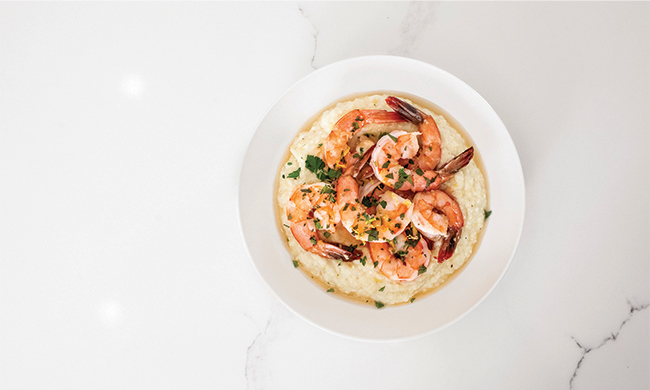
Shrimp Scampi and Cauliflower Grits
Recipe courtesy of Kardea Brown on behalf of Abbott
Prep time: 15 minutes
Cook time: 25 minutes
Servings: 4
Grits:
- 3 cups low-sodium chicken broth
- 1 cup light cream
- 1 cup stone-ground grits
- 1 cup cauliflower rice
- 2 tablespoons butter
- 1/2 cup shredded Parmesan cheese
- 1/4 teaspoon salt
- 1/4 teaspoon black pepper
Shrimp Scampi:
- 2 tablespoons butter
- 2 tablespoons olive oil
- 4 cloves garlic, minced
- 1/2 teaspoon red pepper flakes (optional)
- 1 pound large shrimp, peeled and deveined
- 1/2 cup low-sodium chicken broth
- 2 tablespoons dry white wine
- 1 lemon, juice only
- 1 teaspoon lemon zest
- salt, to taste
- pepper, to taste
- 2 tablespoons chopped parsley
- To make grits: Bring broth and cream to gentle boil; whisk in grits. Cook 10-15 minutes. Stir in cauliflower rice and cook 5-7 minutes. Add butter, cheese, salt and pepper.
- To make shrimp scampi: In pan, heat butter and oil; saute garlic and red pepper flakes, if desired, 30 seconds. Add shrimp, cook 1-2 minutes per side and remove.
- Add broth, wine, lemon juice and lemon zest; simmer 2-3 minutes. Return shrimp; toss; season with salt and pepper, to taste; and stir in parsley.
- Serve shrimp over creamy grits.

Macaroni and Cheese with Chickpea Pasta
Recipe courtesy of Kardea Brown on behalf of Abbott
Prep time: 20 minutes
Bake time: 30 minutes
Servings: 4-6
Pasta:
- 8 ounces chickpea-based, gluten-free pasta
Bechamel Sauce:
- 2 tablespoons butter
- 3 tablespoons almond flour
- 1 cup half-and-half
- 1/2 cup heavy cream
- 1/2 cup low-sodium chicken or vegetable broth
- 1 teaspoon Dijon mustard
- 1/4 teaspoon garlic powder
- 1/4 teaspoon smoked paprika
- salt, to taste
- black pepper, to taste
Cheese Blend:
- 1 cup medium cheddar cheese, shredded
- 1/2 cup Gruyere cheese, shredded
- 1/4 cup Parmesan cheese, grated
Topping:
- 1/2 cup shredded cheddar and Gruyere cheese
- 2 tablespoons almond flour (optional)
- chopped parsley
- Preheat oven to 375 F and grease baking dish.
- To make pasta: Cook pasta al dente.
- To make bechamel sauce: Melt butter and whisk in almond flour, 1-2 minutes. Slowly add half-and-half, heavy cream and broth. Stir until thickened. Season with mustard, garlic powder, smoked paprika and salt and pepper, to taste. Remove from heat.
- To make cheese blend: Mix cheddar, gruyere and Parmesan. Stir half the cheese blend into bechamel sauce until smooth. Stir in pasta.
- Layer pasta and cheese sauce in dish: half pasta, half cheese and repeat. Top with reserved cheese and almond flour, if desired.
- Cover with foil and bake 15-20 minutes. Remove foil and bake 10-15 minutes uncovered until golden.
- Rest 5 minutes, garnish with parsley and serve warm.
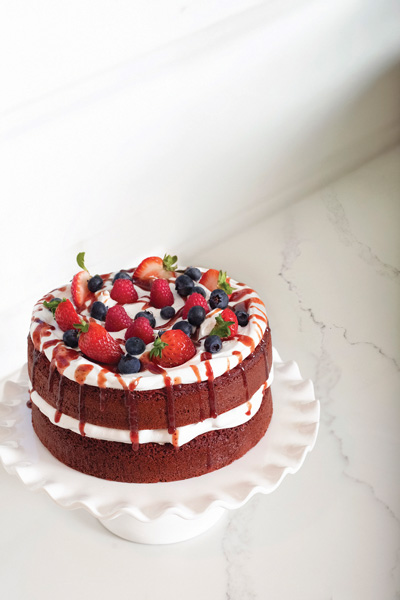
Red Velvet Layer Cake with Almond Flour
Recipe courtesy of Kardea Brown on behalf of Abbott
Prep time: 25 minutes
Bake time: 20 minutes
Chill time: 30-60 minutes
Servings: 12
Cake:
- 2 cups almond flour
- 1 cup whole-wheat pastry flour
- 1 tablespoon unsweetened cocoa powder
- 1 1/2 teaspoons baking powder
- 1/2 teaspoon baking soda
- 1/2 teaspoon salt
- 1 1/2 cups monk fruit-allulose blend
- 3 large eggs
- 1/2 cup plain unsweetened Greek yogurt
- 1/3 cup avocado oil
- 3/4 cup buttermilk
- 1 tablespoon distilled vinegar
- 2 teaspoons vanilla extract
- red food coloring (optional)
Whipped Cream:
- 6 ounces cream cheese, softened
- 1/3 cup powdered monk fruit
- 1 1/2 cups cold heavy whipping cream
Berry Drizzle:
- 1/2 cup no-sugar-added wild berry jam
- 1-2 tablespoons water
- 1 teaspoon lemon juice (optional)
Filling and Topping:
- 2 cups mixed berries (strawberries, blueberries, raspberries)
- Preheat oven to 350 F and grease or line three 8-inch pans.
- To make cake: In bowl, mix almond flour, pastry flour, cocoa powder, baking powder, baking soda, salt and monk fruit-allulose blend. In separate bowl, mix eggs, Greek yogurt, avocado oil, buttermilk, distilled vinegar, vanilla extract and red food coloring, if desired. Combine dry and wet ingredients until smooth. Divide evenly into pans and bake 18-22 minutes. Cool completely.
- To make whipped cream: Whip cream cheese and monk sugar until smooth. Add cream gradually and whip to medium-stiff peaks. Chill.
- To make berry drizzle: Warm berry jam with water and lemon juice, if desired, until pourable; cool slightly.
- To assemble cake: Layer cake, whipped cream, jam and berries; repeat for three layers. Top with berries and drizzle.
- Chill 30-60 minutes before slicing.
Photo courtesy of Abbott (Bryon Smith and Kardea Brown, a paid partner)
SOURCE:
Abbott
Health
When Vision Changes: 5 Ways to Navigate What Comes Next
Whether sight changes suddenly or gradually, a question often follows: “Now what?” There is no single way to adjust to vision loss, and the questions can change over time. These five starting points can help you identify what matters most now and where to find support.

(Feature Impact) A change in vision can turn ordinary routines into unfamiliar challenges. A favorite book becomes harder to read. Walking through a familiar neighborhood feels different. A family member offers help, but you may not know how to ask for what you need. Whether sight changes suddenly or gradually, a question often follows: “Now what?”
Medical care is essential, but many people encounter a Grand Canyon-sized gap between clinical care and everyday life with vision loss. Questions arise around getting around safely, continuing to do things you love, talking to family about what is changing and more. The answers take more than information; they require practical guidance, emotional support and connection with people who understand.
“The medical conversation rarely has room for what people are actually grappling with: fear, grief and the very practical question of how to keep living the lives they want,” said Johnjoe Farragher, CEO of Hadley, a nonprofit dedicated to helping adults with vision loss. “Those ‘now what?’ moments are where people need a clear place to begin.”
There is no single way to adjust to vision loss, and the questions can change over time. These five starting points can help you identify what matters most now and where to find support.
Take One Step at a Time
You don’t have to solve every challenge at once. Ask your vision care team about your diagnosis and treatment then think about what is most difficult in daily life right now. It could be reading email, moving safely through your home or using your phone. Choose one concern to address first. A small, useful change can make the next step feel more manageable.
 Make Room for the Emotional Side
Vision loss may bring grief, frustration, fear or a change in how you see yourself. Those feelings don’t have to be brushed aside before you can move forward. Share those feelings with someone you trust and seek professional support if you need it. Hearing how others navigated similar changes can help you feel less alone and identify possibilities you may not have imagined.
Find a Trusted Place to Begin
Ask your vision care team about support available in your community. If you’re unsure what to ask for, start with a specific daily challenge on your mind. Offering on-demand guidance, practical tools and opportunities to connect with others living with vision loss, Hadley focuses on life with vision loss beyond the doctor’s office. Its expert-informed guidance and community members address both practical problems and the emotions that come with them, shaped by lived experience. Support is available without cost or waitlists, whether you’re living with vision loss or helping someone you love.
Define Independence on Your Terms
Independence doesn’t have to mean doing everything alone. It may mean finding a new way to do something, choosing a tool that helps or telling family and friends exactly what assistance is useful. Think about a goal that matters to you, whether it’s getting around your home with more confidence or staying involved in a favorite activity, and build from there.
Keep Doing What Matters to You
A change in sight can change how you do things without ending your connection to the people and activities you love. The right adaptations depend on your vision, your interests and your goals.
For instance, when reading gets hard, magnifiers, enlarging fonts, access to free audiobooks and learning braille can make a difference. Passionate home chefs may use tactile or high-contrast labels, well-placed lighting, consistent organization or adaptive tools and techniques to keep cooking with confidence. Assistive technology, low-vision tools and simple adaptations can make everyday routines more accessible and help people stay connected to the activities and relationships that matter most.
When a new “now what?” question comes up, HadleyHelps.org offers a trusted place to start and a path forward.
Photos courtesy of Shutterstock
SOURCE:




