

Consumer Corner
Schwinn is Forecasting Fun with Launch of New Compact E-Bike for Teens – Meet The Hurricane

MADISON, Wis./PRNewswire/ — Today, Schwinn Bikes announces the launch of the Hurricane, a compact e-bike that’s all about fast-moving fun. Built for cruising home from school, going on weekend rides, or exploring at the edge of town, the Hurricane creates the kind of excitement that brings friends together.

Schwinn has been making e-bikes since 2017, but this is their first geared toward a younger Gen Z demographic. Boasting a 250-watt motor, this e-bike allows riders to reach top speeds of 17.5 miles per hour with just a twist of the throttle. Drawing inspiration from the original 1978 Schwinn Hurricane, this compact e-bike features retro touches like high-rise handlebars, fat tires, and a sleek yet industrial frame design that conveys a sense of daring adventure to a new generation of young riders.
Schwinn Hurricane E-Bike Features:
- Two Ways to Go: Reach a top speed of 17.5 MPH with just a twist of the throttle. The Hurricane also features pedal assist for riders who feel like pedaling instead.
- Range: The Hurricane can travel up to 30 miles on a single charge. Use the included charger and a standard household outlet to recharge for the next ride.
- Ride Control: Mechanical disc brakes deliver all-condition stopping power, while 3-inch-wide tires provide plenty of stability and traction on or off the pavement.
- Safety: Automatic front and rear LED lights shine as soon as you power on the bike. See and be seen when you ride during the day or at night. The Hurricane also includes a chainguard to protect skin and clothing and fenders to keep you clean and dry from road spray.
“We are thrilled to provide a high quality, compact e-bike model that is affordable and fun,” said Lisa VanderMause, VP of Marketing at Schwinn. “Taking nods from our Hurricane model from the 70s, this new, electric version really speaks to our brand direction and provides consumers with an elevated and modern riding experience.”
The Hurricane is for riders aged 13 and up who are looking to outrun boredom on a ride that is cool-looking, fast, and can handle any adventure ahead. Consumers are advised to wear a helmet and be aware of their surroundings whenever riding the Hurricane. The Hurricane suggested retail price is $599 and is available at Schwinnbikes.com, DICK’S Sporting Goods, and Target. Link to purchase
About Schwinn
Schwinn is a brand of Pacific Cycle, based in Madison, WI. Founded in 1895, Schwinn has built some of the best-known and best-loved bicycles of all time. Today, Schwinn remains one of the most recognized bicycle brands in the US, with the mission of making cycling accessible to all. Visit Schwinnbikes.com for more information.
SOURCE Schwinn Bikes
Welcome to the Consumer Corner section of STM Daily News, your ultimate destination for savvy shopping and informed decision-making! Dive into a treasure trove of insights and reviews covering everything from the hottest toys that spark joy in your little ones to the latest electronic gadgets that simplify your life. Explore our comprehensive guides on stylish home furnishings, discover smart tips for buying a home or enhancing your living space with creative improvement ideas, and get the lowdown on the best cars through our detailed auto reviews. Whether you’re making a major purchase or simply seeking inspiration, the Consumer Corner is here to empower you every step of the way—unlock the keys to becoming a smarter consumer today!

Automotive
4 Tips for Efficient EV Charging at Home
Efficient EV Charging at Home: Your car has one job – to take you where you need to go. For electric vehicle (EV) owners, that means keeping it charged so it’s ready to hit the road when you are. Charging your car at home is convenient and cost-effective, especially if you have the right equipment and routines.
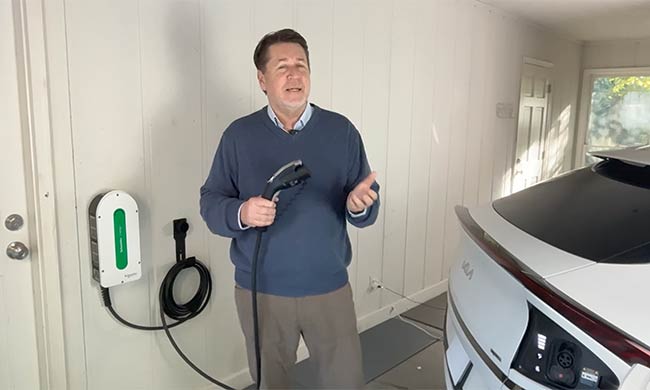
4 Tips for Efficient EV Charging at Home
(Feature Impact) Your car has one job – to take you where you need to go. For electric vehicle (EV) owners, that means keeping it charged so it’s ready to hit the road when you are.
Charging your car at home is convenient and cost-effective, especially if you have the right equipment and routines. Consider these quick tips from the EV experts at Schneider Electric.
Watch this video to learn more:
//www.youtube.com/embed/IELsXkSgOQQ
Install a Level 2 Home Charger
While many EV owners start with standard Level 1 charging using typical 120-volt household outlets, upgrading to a 240-volt Level 2 charger can offer extra efficiency and convenience. With significantly faster charging speeds, these units increase your driving range per charging hour and can replenish your battery in a fraction of the time.
Charge During Off-Peak Hours
If your electric company has variable pricing based on the time of day, you may be able to lower your utility bill by shifting your charging routines. This could mean doing most of your charging overnight and unplugging during peak daytime hours when rates are often more expensive.
Consider a Smart Charger
Since Level 2 chargers can add significant electrical load to your home, many EV owners are concerned they’ll need to make costly electrical upgrades to accommodate the higher power requirements. Instead, consider a smart Level 2 home charger with dynamic power management like the Schneider Charge.
With built-in technology called SmartAmp, this charger intelligently monitors the electrical demand in the home and adjusts the output to your EV accordingly. Whether you’re running a dryer full of laundry or turning on the air conditioning, the system can automatically dial back the charging power to your EV when necessary then ramp it back up when demand drops. This way, you won’t have to worry about overloading your electrical system or being forced to install pricey new panels so you can get everything done.
Since it works with all standard EV charging formats, it’s built to fit your current vehicle and whatever you buy next. Plus, through the connected app, you can conveniently schedule charging with a tap, giving you the ability to manage your EV routine remotely – or just set it and forget it.
Track Your Habits
Understanding your current charging habits can help you fine-tune your routines over time. Smart chargers can make tracking simple and automatic with apps that allow you to access information like how often you’re charging your vehicle, how long it takes and how much energy it consumes.
Learn more about smart EV charging at SE.com.
SOURCE:

Consumer Corner
Getting Your Wood-Burning Fireplace Ready for Winter
As cold temperatures creep in, you might be dreaming about cozy fall and winter evenings in front of a glowing, crackling fireplace. Before you (literally) fire it up for the first time, consider these steps to make sure your wood-burning fireplace is ready to heat your home cleanly, safely and efficiently.

Getting Your Wood-Burning Fireplace Ready for Winter
(Feature Impact) As cold temperatures creep in, you might be dreaming about cozy fall and winter evenings in front of a glowing, crackling fireplace. Before you (literally) fire it up for the first time, consider these steps to make sure your wood-burning fireplace is ready to heat your home cleanly, safely and efficiently.
Clear Out Old Ash and Debris
When you haven’t used your fireplace for a while, it can build up dust, soot and debris. As the first step of your annual checkup, clean out last season’s leftovers but leave about a 1-inch layer of ash at the bottom of the firebox to provide insulation and make it easier to get wood burning.
Schedule Professional Maintenance
Chimney sweeps still exist, although they don’t look like the soot-smudged lads from old movies anymore – and these days they come with a collection of high-powered modern tools to remove buildup from chimneys and flue systems. Experts can also look for ventilation issues, cracks in the masonry and other potential hazards. The National Fire Protection Association recommends getting your chimney inspected once a year and cleaned or maintained as needed.
Consider Efficiency Upgrades
To keep your fireplace working better for longer or improve its energy efficiency, explore your options for upgrades suited to your fireplace type. Glass fireplace doors, new dampers or a high-efficiency fireplace insert can all help reduce energy loss and improve heating performance. Adding or replacing a chimney cap and applying waterproof sealant to the bricks every five years can help protect your chimney from moisture damage over time.
Burn the Right Kind of Wood
Not all wood burns alike, so you can improve the warmth and efficiency of your fires simply by choosing the right kinds of logs. Stock up on seasoned hardwood dried for 6-12 months and store it in a dry, well-ventilated area away from your home so it doesn’t attract pests like mice who may want to take up residence. Avoid burning painted or treated lumber, wet wood or household trash, which can produce excess smoke and harmful pollutants.
Use Safe Fireplace Equipment
Beyond the fireplace itself, check your setup and tools to make sure you have everything you need to safely start and maintain your fires. If you have an open fireplace, make sure to use a sturdy fireplace screen to contain any stray sparks. A good-quality poker, tongs, shovel and brush can also help you control logs and embers, manage ash and keep your fireplace clean throughout the season.
Discover more home maintenance and upgrade ideas at eLivingtoday.com.
Photo courtesy of Unsplash
SOURCE:
Automotive
Slate Truck Gets Real: First Experience Center Opens Ahead of Planned Deliveries
Slate Auto’s first permanent Experience Center gives consumers an up-close look at its customizable electric truck ahead of planned customer deliveries.

Slate Auto’s new Chicago location gives prospective buyers a permanent place to see the minimalist electric pickup, explore customization options and learn about demo opportunities—but it is not yet proof that customer deliveries have begun.
CHICAGO — October 20, 2026 — The Slate Truck is moving out of computer renderings and temporary roadshow stops and into a permanent retail setting. Slate Auto opened its first Experience Center on October 15 at 1053 W. Grand Avenue in Chicago, giving consumers a year-round location to get an up-close look at the company’s highly anticipated electric pickup.
The Near West Side facility occupies a former Tesla location and includes showroom, retail and garage space, along with electric-vehicle charging infrastructure. For Slate, the opening represents an important step in turning strong online interest into a more tangible buying experience as the startup works toward launching its first vehicle.
Visitors can examine the truck’s compact dimensions, deliberately simple cabin and accessory-driven design in person. The center also showcases Slate’s personalization strategy, including exterior wraps, add-on accessories and digital design tools intended to let owners configure the truck around their needs.
Slate has also promoted demonstration opportunities connected with the location, although availability may be limited or appointment-based as the company continues to prepare its fleet. Early media access included passenger rides rather than unrestricted customer test drives, so prospective visitors should confirm current availability before making a special trip.
Why the Chicago opening matters
Until now, most consumers have encountered the Slate Truck through online reservations, media coverage or temporary appearances. A permanent showroom gives buyers a chance to judge details that are difficult to evaluate on a screen, including seating position, bed access, cabin materials and the overall size of the vehicle.
That is especially important for a product built around an unconventional value proposition. Slate is promoting a basic two-seat, two-door electric truck with manual crank windows and no factory-installed infotainment screen or stereo. The company’s strategy is to keep the starting price low and let buyers add features later through accessories and conversion kits.
The physical location also gives Slate a place to explain that approach directly. Rather than presenting the truck as an unfinished vehicle, the company can demonstrate how its modular accessories, wraps and planned SUV-style conversion components are meant to expand the vehicle’s usefulness over time.
Chicago is a logical first market for that effort. The city offers access to a large Midwestern customer base and is within the broader region of Slate’s planned manufacturing operation in Warsaw, Indiana. Reusing a former Tesla store also gives the startup a space already suited to displaying and servicing electric vehicles.
The roadshow continues beyond Chicago
The Experience Center is opening as Slate expands its public demonstration schedule. The company’s events calendar lists a Boston-area demo ride event from October 21 through October 25 at The Shops at Chestnut Hill, followed by an appearance at RADwood in Alameda, California, on October 24 and a New Jersey demo ride event in Freehold from October 28 through October 31.
Slate also lists future stops in Washington, D.C., Raleigh, Atlanta, Miami and Orlando. Together, the permanent Chicago center and the traveling events suggest the company is moving into a broader customer-education phase ahead of planned deliveries.
What has—and has not—changed
The showroom opening does not change Slate’s headline pricing or range claims. The truck is still advertised with a base price of $24,950 before taxes, registration and destination charges. With the currently listed $1,450 destination fee, the entry price would be approximately $26,400 before other costs or optional equipment.
Slate also continues to advertise an estimated range of up to 205 miles. That figure remains an estimate rather than a final EPA-certified rating.
Most importantly, Slate has not publicly confirmed that regular customer production has started or that the first retail deliveries have occurred. Limited deliveries have been reported as possible before the end of December 2026, while many reservation holders may receive later delivery windows in 2027. The Chicago opening is therefore a commercialization milestone, not a manufacturing milestone.
For customers and industry observers, the next major signals will be the start of production at the Warsaw factory, final specifications and EPA range ratings, and confirmed handoffs to paying buyers.
The bottom line
Slate Auto now has a permanent place where consumers can see and evaluate its unusually simple electric truck. That makes the product feel more real and gives the company a platform to explain a customization-heavy business model that may be unfamiliar to traditional truck buyers.
Still, the biggest questions remain unanswered. Opening a showroom demonstrates progress in marketing and customer engagement; producing vehicles at scale, holding the promised price and delivering a 205-mile truck to reservation holders will determine whether Slate can convert enthusiasm into a viable automotive business.
Sources and more information
- Slate Auto events and demo schedule
- Electrek: Slate opens its first Experience Center in Chicago
- Autoblog: Slate opens its first U.S. showroom
- Slate Auto
Category: Consumer Corner / Automotive





