

Consumer Corner
Spruce Up Your Home for St. Patrick’s Day
Spruce Up Your Home: Spring is just around the corner, and there are few better ways to freshen up your home than with a wee bit of St. Patrick’s Day decor.

Last Updated on March 15, 2026 by Daily News Staff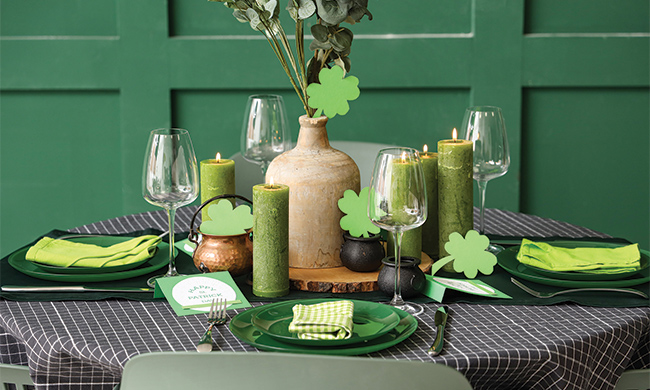
(Feature Impact) Spring is just around the corner, and there are few better ways to freshen up your home than with a wee bit of St. Patrick’s Day decor.
Spruce Up Your Home for St. Patrick’s Day
A Splash of Green and a Sparkle of Gold
Whether you love emerald, lime, sage or leafy green shades, simply adding a pop of a new-to-you hue can infuse your home with some St. Paddy’s fever. Check craft stores for reusable greenery to place in a pot or vase, or get crafty and dot pinecones with glue before dusting them with green glitter and placing them in a glass bowl to make a festive display worthy of a leprechaun’s seal of approval. Get Ready for Spring and Shop New Arrivals to Refresh Your Space!
Scent of the Season
Lighting a candle not only creates a festive vibe, but the aroma from a scented candle can remove any staleness in the air and bring some ambiance to your home. Any earthy scent will do – from juniper to fir, pine, sandalwood or amber. Woodsy choices infuse a room with comfort and warmth. Decorative elements like metal charms, beads and crystals (in bright green or gold) add a pop of whimsy to your candle, too.
Shape a Shamrock
Holidays are ideal times to flex your creative muscles and give your home a little artsy edge. Scour the shelves at dollar stores or thrift shops for things like green clay or modeling dough, colored paper, wooden shamrocks, stickers and inexpensive paint sets. Set your artistic side free with paintings or drawings of shimmery rainbows, mischievous leprechauns and shamrocks in various sizes.
Coins, Clover and Centerpieces
One of the easiest ways to add a little Celtic cheer to your home is with joyful table decor. Add some gold shimmer to your dining room table with sparkly ribbons, a bright runner and gold-flecked napkin rings. A fancy glass filled with green baubles and pebbles can be both subtle and festive. A scattering of faux gold coins and rainbow napkins can make the space feel merry and magical.
Find more ideas to get your home ready for St. Patrick’s Day at eLivingtoday.com.
Photo courtesy of Shutterstock
SOURCE:
Welcome to the Consumer Corner section of STM Daily News, your ultimate destination for savvy shopping and informed decision-making! Dive into a treasure trove of insights and reviews covering everything from the hottest toys that spark joy in your little ones to the latest electronic gadgets that simplify your life. Explore our comprehensive guides on stylish home furnishings, discover smart tips for buying a home or enhancing your living space with creative improvement ideas, and get the lowdown on the best cars through our detailed auto reviews. Whether you’re making a major purchase or simply seeking inspiration, the Consumer Corner is here to empower you every step of the way—unlock the keys to becoming a smarter consumer today!
https://stmdailynews.com/category/consumer-corner


Lifestyle
7 Fire Prevention Tips to Protect Your Home and Community
7 Fire Prevention Tips: Fires can be devastating, but many of them are preventable with simple precautions and smart everyday choices. Consider these tips to reduce the risk of fires and keep your household, family and community safe.
7 Fire Prevention Tips to Protect Your Home and Community
(Feature Impact) In observance of National Fire Prevention Month, it’s a good time to review your fire safety habits at home and in your neighborhood. Fires can be devastating, but many of them are preventable with simple precautions and smart everyday choices.
Consider these tips to reduce the risk of fires and keep your household, family and community safe.
Test Your Smoke Alarms
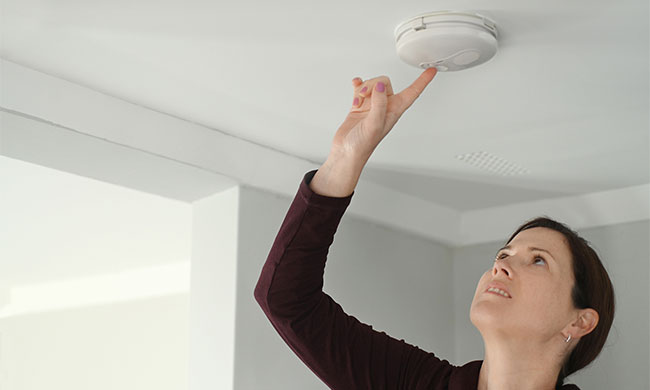
Smoke detectors are one of the simplest yet most important tools for protecting your home, loudly alerting you to potential danger at any time of the day or night. Test them monthly, follow manufacturer’s instructions for replacement and change batteries as needed.
Heat Your Home Safely
Depending on how you heat your home, there can be different hazards to remain aware of. Never leave fireplaces unattended when in use and have them inspected and maintained as recommended by a trained professional. If you use portable heaters, keep them at least three feet away from curtains, bedding, furniture and other flammable materials.
Prevent Electrical Fires
Frayed cords, damaged outlets or overloaded appliances can pose real danger to your home when they overheat or spark. Particularly if you live in an older home or have outdated appliances, keep an eye out for warning signs like tripped circuit breakers, malfunctioning devices or the smell of burning. If you’re concerned, have your system inspected by a qualified electrician.
Store Flammable Objects Carefully
Keeping matches and lighters out of reach of children is always a smart first step for household fire safety. Also follow safe storage practices for items like lighter fluid, propane, aerosol cans and other household products that could potentially ignite when exposed to heat or a stray spark.
Practice Smart Kitchen and Grill Habits
From sparks flying off the grill to hot oil forgotten in the frying pan, cooking is the leading cause of household fires. Stay attentive in the kitchen, never leave cooking food unattended and avoid setting combustible materials like paper plates or fabric towels too close to a stove or grill. Also keep your appliances cleaned and well-maintained.
Plan Your Escape Route
Fires can spread quickly, which is why it’s important for everyone in your household to know the plan (and backup plan) for safely exiting different areas of the house during an emergency. Decide on a specific meeting place outside and practice quick fire drills together to build muscle memory.
Observe Local Fire Safety Rules
Where you live determines what kinds of fire risks affect your community, so make sure you stay informed about local regulations. For instance, areas prone to drought or wildfire may have rules about outdoor burning, and local fire prevention ordinances may outline specific requirements for smoke alarms in your home.
Find more home safety tips at eLivingtoday.com.
Photo courtesy of Shutterstock
SOURCE:
eLivingtoday.com

home improvement
5 Simple Steps to Prepare Before Disaster Strikes
Disaster preparedness doesn’t have to be expensive or complicated. It’s all about the small, simple steps you can take to protect yourself, your family and your community.

(Feature Impact) Disaster preparedness doesn’t have to be expensive or complicated. It’s all about the small, simple steps you can take to protect yourself, your family and your community.
Yet, as severe weather becomes more frequent, many people aren’t prepared for the impact.
New research from United Way Worldwide and Verizon revealed that although 60% of U.S. adults are concerned a natural disaster could affect their household in the next year, only 15% would feel very prepared for one.
While many people understand the risks, they face real barriers to preparation. Cost remains the primary obstacle to disaster preparedness with 45% of those surveyed naming it as the top barrier. In addition to cost, lack of time (25%) and not knowing where to start (28%) prevented people from taking action.
That’s why preparedness should be practical and affordable.
For example, the United Way’s United We Prepare initiative, supported by Verizon, offers free disaster preparedness workshops, emergency kit distribution, information on local emergency services and practical guidance to help people plan and be ready to weather a storm.
When individuals and families are better prepared, communities are more resilient. Get started with these simple, zero-cost steps:
 Identify Key Emergency Contacts
Choose a relative or friend outside of your immediate community who can act as a central check-in point or offer shelter during an emergency. Also, take a few moments to create updated digital and physical emergency contact lists with names, phone numbers and addresses of loved ones as well as service and healthcare providers.
Enable Local Alerts
Identify trusted local emergency services and news that can provide weather and emergency information. Turn on wireless emergency alerts in your phone settings, bookmark local news weather pages and save other important website links to ensure you’re in-the-know when disasters strike.
Build a Support System
Before severe weather, touch base with at least two neighbors or family members to identify what help they may need (or what assistance they can provide) and create a plan for checking in with each other in the event of an emergency.
Plan for Special Needs
It’s easiest to make clear-headed decisions before you’re stressed and rushing in the heat of the moment, so sit down and sketch out basic plans for special needs related to transportation, prescriptions, caregiving and pets before severe weather arrives. Decide where you would meet if separated, how to get there if transportation is disrupted, who would pick up children or take care of pets, what health needs or medications need to be considered and more.
Save Key Information and Documents Digitally
During a crisis, you likely won’t have time to search filing cabinets, desks and glove compartments for important documentation. Take photos or make digital copies of identification documents, insurance information, medical cards, prescription details, important household records and other key documents to access if you need to leave home quickly. For insurance purposes, it may also be helpful to take a video of your property and valuable belongings in your home in case they’re damaged or ruined.
The goal isn’t to do everything at once; it’s to start. An hour spent making connections, gathering information and talking through a plan today can make it easier to act when time matters most.
For more simple preparedness tips and resources, visit UnitedWePrepare.org.
Test Your Disaster Preparedness Knowledge
Take the quiz at UnitedWePrepare.org to test your knowledge on 10 disaster preparedness questions customized to your area, such as:
- What should you include in a winter emergency supply kit for your car?
- What is the difference between a Tornado Watch and Tornado Warning?
- When should you evacuate during a wildfire?
- Why is it important to prepare for disasters?
Photo courtesy of Shutterstock (preparation supplies)
SOURCE:
Consumer Corner
Jeep Goes Back to 1945 With the 2027 Wrangler JL-2A
Jeep is looking back more than 80 years with the 2027 Wrangler JL-2A, a Rubicon-based special edition inspired by the Willys CJ-2A, the first Jeep designed specifically for civilian use.
Last Updated on October 5, 2026 by Daily News Staff
The special-edition Wrangler pays tribute to the Willys CJ-2A, the vehicle that helped transform the wartime Jeep into an American civilian icon.
More than 80 years after the first civilian Jeep rolled onto farms, ranches and roads across America, Jeep is reaching deep into its history for a new special-edition Wrangler.
The 2027 Jeep Wrangler JL-2A is a modern tribute to the Willys CJ-2A, introduced in 1945 as the first Jeep vehicle developed specifically for civilian use.
Rather than simply adding a heritage badge to a modern Wrangler, Jeep has incorporated colors, wheels, interior materials and design details inspired by the vehicle that helped establish the civilian Jeep nearly eight decades ago.
The JL-2A is also the 11th installment in Jeep’s Twelve 4 Twelve series of special-edition vehicles.
From the Battlefield to Civilian America
The story behind the JL-2A begins at the end of World War II.
The military Willys MB had earned a reputation for ruggedness during the war, but Willys-Overland saw an opportunity for the basic concept beyond military service.
In July 1945, the company introduced the Willys CJ-2A.
The letters “CJ” stood for Civilian Jeep, and the CJ-2A adapted the military Jeep formula for farmers, ranchers, industrial workers and everyday civilian users.
Changes included a tailgate, larger headlights and a rear power takeoff that allowed the Jeep to operate certain agricultural and industrial equipment. The CJ-2A also helped establish the familiar seven-slot grille that would eventually become one of Jeep’s most recognizable design elements.
It wasn’t just a utilitarian machine, either.
Willys offered memorable postwar color combinations such as Harvest Tan with Sunset Red wheels and Pasture Green with Autumn Yellow wheels.
Those colorful early Jeeps provided much of the inspiration for the new JL-2A.
A 1945 Look on a Modern Wrangler
The 2027 Wrangler JL-2A is based on the modern Wrangler Rubicon, meaning the retro styling is paired with serious off-road hardware.
One of its most noticeable features is a set of exclusive 17-inch retro-style wheels finished in Joose, accompanied by orange front and rear tow hooks. The combination recalls the bright Sunset Red wheels found on some original CJ-2As.
The wheels are paired with standard 33-inch BFGoodrich KO2 All-Terrain tires.
Jeep is also bringing back Gobi exterior paint for 2027. The tan-like color is particularly appropriate for this edition because it echoes the Harvest Tan finish offered on the original CJ-2A.
Other available colors include ’41, Bright White, Sting Gray, Ghost and Joose.
Body-color fender flares and a three-piece hardtop give the JL-2A a relatively clean exterior appearance, while Dark Metallic Grey accents update the Wrangler’s familiar seven-slot grille.
Jeep Takes the Retro Theme Inside
Jeep has carried the historical theme into the cabin with a color and material combination never previously offered on a Wrangler.
The seats are covered in Nappa Heritage Tan leather, complemented by Bison Brown on the door panels, lower instrument panel and center console.
Desert Orange stitching ties the interior to the brightly colored exterior wheels and tow hooks.
There are also several details specifically aimed at Jeep history enthusiasts.
A satin-chrome Willys-Overland shifter medallion pays tribute to the company’s roots, while heritage-inspired HVAC vent graphics incorporate the seven-slot grille and a Willys silhouette.
Perhaps the most interesting detail is found at the rear.
Jeep has created a swing-gate plaque based on the dashboard data-plate artwork of the original CJ-2A. It includes farm and factory imagery recalling the original civilian Jeep’s role as a working vehicle rather than simply a recreational off-roader.
Modern conveniences haven’t been forgotten. The JL-2A includes remote start, an auto-dimming rearview mirror, universal garage-door opener and a front TrailCam with an integrated washer.
How Much Will the Wrangler JL-2A Cost?
Jeep says the JL-2A package will carry an MSRP of $4,995.
According to the automaker, that puts the special edition just $115 above a comparably equipped Wrangler Rubicon, making the package largely about choosing its unique heritage-inspired appearance and equipment rather than paying a substantial premium solely for a limited-edition name.
Orders are scheduled to open in October 2026.
Jeep has not presented the JL-2A as a recreation of the CJ-2A. Underneath the nostalgic colors and Willys-inspired details is a thoroughly modern Wrangler Rubicon.
And that may be the point.
More Than 80 Years of Civilian Jeep History
The original CJ-2A represented a turning point for Jeep.
A vehicle concept born from wartime necessity found a second life in civilian America, where Jeeps became farm equipment, work vehicles, recreational 4x4s and eventually lifestyle vehicles.
The CJ line evolved through multiple generations before eventually giving way to the Wrangler nameplate in the 1980s.
The 2027 Wrangler JL-2A connects those two ends of Jeep’s history — from the simple postwar CJ-2A built to work the back forty to today’s technology-packed Wrangler designed to tackle the trail.
More than eight decades separate them, but park the two side by side and the family resemblance would be difficult to miss.
Source: Stellantis / Jeep, September 12, 2026
A Civilian Legend Reimagined: Jeep Brand Introduces 2027 Jeep Wrangler JL-2A PR Newswire
Jeep Official Website:
Jeep Official Website





