

Community
StarKist® and Feed the Children Team Up Again to Help Put Child Hunger to Bed™
StarKist and Feed the Children are expanding the Put Child Hunger to Bed campaign (May 1–Sept 30, 2026), donating up to 100,000 pouches and matching up to $100,000 in donations.

Child hunger isn’t an abstract issue—it’s a daily reality for families in communities across the U.S. That’s why StarKist® is renewing its long-running partnership with Feed the Children through the Put Child Hunger to Bed™ campaign, turning simple, everyday actions into tangible support for kids who need it most.

Announced April 30, 2026, the campaign runs May 1 through September 30, 2026, and gives consumers two straightforward ways to participate: buy a product many already keep in their pantry, or donate directly online. Either way, the goal is the same—help more children and families access nutritious food and essential resources.
Two ways everyday choices can make an impact
StarKist is inviting shoppers to join the movement with built-in giving tied to routine purchases:
- Buy a tuna pouch, give a pouch: For every StarKist tuna pouch purchased, StarKist will donate one pouch to Feed the Children, up to 100,000 pouches.
- Donate online, double the impact: StarKist will match consumer donations dollar-for-dollar, up to $100,000, when donations are made through the campaign site.
Consumers can learn more or donate directly at StarKist.com/feedthechildren.

A partnership with more than 15 years behind it
StarKist and Feed the Children aren’t new collaborators. According to StarKist, the organizations have worked together for more than 15 years, combining product donations and financial contributions to support children and families experiencing hunger and hardship.
Michael Merritt Jr., Vice President and Head of Marketing & Innovation at StarKist, said the campaign is designed to make participation easy and meaningful—so consumers can be part of the solution through actions that fit naturally into everyday life.
Feed the Children also emphasized the broader impact: when families have reliable access to food and essentials, it doesn’t just help them get through today—it supports children’s development and future opportunities.

Jax joins the campaign to amplify awareness
To help bring the message to more families and communities, StarKist is partnering with a group of creators and advocates, including musician and mom Jax (@jax), who has 14.7 million TikTok followers and is known for uplifting, relatable content.
Jax shared that becoming a mom has deepened her perspective on food insecurity—and that no child should have to wonder where their next meal is coming from. As part of the collaboration, she’s also teaming up with Charlie The Tuna® for a new jingle tied to the campaign.
More voices joining the movement
Alongside Jax, StarKist is working with additional creators to encourage participation and share practical ways to support families:
- Becca Kufrin (@bkoof) – TV personality and mom
- Kit Hoover (@kithoover) – TV host
- Marina Chaparro (@nutrichicos) – Registered pediatric dietitian
- Samantha Busch (@samanthabusch) – Lifestyle influencer and philanthropist
The mix of entertainment, family lifestyle, and nutrition voices is intentional: the campaign is built to meet people where they already are—online, in stores, and in daily routines.

Why tuna pouches are the campaign’s centerpiece
StarKist is centering the campaign around its tuna pouches because they’re designed for convenience and nutrition—ready-to-eat, fully cooked, and available in more than 20 varieties. The company notes that each pouch delivers 12 grams or more of protein, making it an easy option for quick lunches, snacks, or on-the-go meals.
The bigger idea: when a product is already part of a household routine, tying it to giving can help scale impact—turning a small choice into support for families facing food insecurity.
How to get involved
If you want to participate between May 1 and September 30, 2026, you can:
- Purchase any StarKist tuna pouch (any size, type, or flavor) at your local grocery store or retailer
- Visit StarKist.com/feedthechildren to learn more or donate (with matching available up to the campaign limit)
Together, StarKist and Feed the Children say they’re working toward a shared goal: helping ensure kids can focus on growing, learning, and dreaming—rather than worrying about their next meal.
About the organizations
- StarKist Co. is a socially responsible company focused on convenient, nutritious proteins, known for its single-serve pouch products and its longtime mascot, Charlie The Tuna®.
- Feed the Children is a global nonprofit working to end childhood hunger in the U.S. and around the world by providing food, essentials, and opportunities to children and families.
To read more about community-related events, visit www.stmdailynews.com and search for “community.”


Community
4 Ways to Preserve Veterans’ Stories for Future Generations
Family stories, photographs, letters and memories all have a place in the broader story of humanity, but if they aren’t recorded and preserved, they can fade over time. Consider these ways to help the veterans in your life preserve their stories and leave their mark on history. Preserve Veterans’ Stories for Future Generations

4 Ways to Preserve Veterans’ Stories for Future Generations
(Feature Impact) History is built from stories and memories, which is why it’s important to listen to the people who were there as the world changed. Family stories, photographs, letters and memories all have a place in the broader story of humanity, but if they aren’t recorded and preserved, they can fade over time.
Because more than 70 years have passed since the Korean War ended, opportunities to hear firsthand accounts from earlier conflicts grow fewer as time passes. Veterans and their families may be able to help record stories and lessons from “The Forgotten War” that might otherwise be lost.
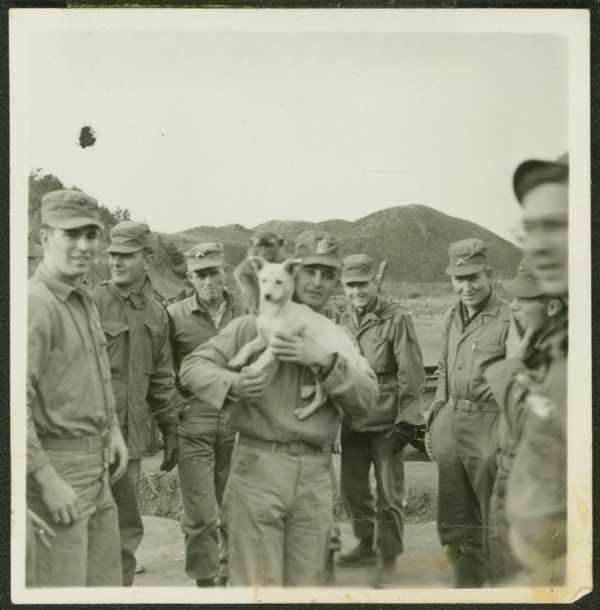
You don’t need to be a historian to help preserve your loved ones’ memories and experiences. Programs like the Library of Congress Veterans History Project are dedicated to collecting stories from people like Private First Class Robert Lawrence Barber, who wrote regular letters home to his mother while serving in Korea. They paint a harrowing picture of combat, exhaustion, cold, fatigue and the stark realities of war that should never be forgotten. Experiences away from combat can be equally revealing, from daily routines and friendships to unexpected challenges.
Consider these ways to help the veterans in your life preserve their stories and leave their mark on history.
Start the Conversation Now
When it comes to recording memories, time is of the essence, especially for those who served in Korea. Decades may have passed, but each day makes a difference. Sit down with your loved one and gently start the conversation. You don’t have to get the entire backstory at once, but you can begin asking questions about their military experience and give them time to gather their thoughts.
 Record Their Story
How a story is told can add dimension to the story itself. An audio or video recording preserves your loved one’s voice, expressions and emotions along with their words, giving your family memories to look back on for generations. Choose a quiet, comfortable space and test the equipment before recording.
Consider Preserving the Story Beyond Your Family
Family stories are most meaningful to those who know and love the storyteller, but they also matter to the world. Sharing veterans’ stories – including difficulties and ordinary moments – offers others a firsthand view of military life. Libraries and oral history archives may be able to preserve qualifying material for a wider audience.
“We want all stories, not just those from the foxhole or the battlefronts, but from all veterans who served the United States in uniform,” said Monica Mohindra, director of the Veterans History Project. “What did they hear? What did they see? What did it mean to them?”
If you have oral history interviews, and/or original photographs, letters or other records, consider contributing them to be archived and made accessible to future generations. Staff members are available to help you curate and select physical materials to contribute to the nation’s library.
Give Old Photos and Letters Context
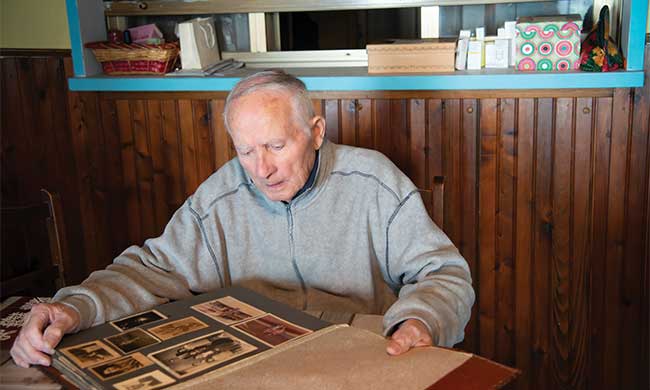
Brush the dust off those old photo albums, scrapbooks and memory boxes because they may contain tangible pieces of history. A photograph, letter or piece of memorabilia could be what a veteran needs to bring fuzzy memories back into focus – whether it’s seeing the face of an old comrade or reading a letter written home. That gives you the opportunity to hear new stories and fill in context.
Learn more, discover veterans’ histories and find instructions for contributing veterans’ stories at loc.gov/vets.
Photo courtesy of Shutterstock (man looking at photo album)
Photo courtesy of the Library of Congress (group of soldiers)
SOURCE:
Library of Congress Veterans History Project

Community
5 Meaningful Ways to Make a Difference This Holiday Season
Make a Difference This Holiday Season: Hunger relief is often top of mind during the holidays, and there are many ways to make a meaningful difference. Consider these ideas.
5 Meaningful Ways to Make a Difference This Holiday Season
(Feature Impact) The holiday season brings people together and often inspires them to think about how they can support others. Yet for many families, this time of year can bring added pressure as they balance the cost of food and other everyday essentials.
According to Feeding America’s latest Map the Meal Gap study, published in 2026, nearly 48 million people in the United States, including 14 million children, experience food insecurity.
Hunger relief is often top of mind during the holidays, and there are many ways to make a meaningful difference. Each year, Charles Schwab employees come together through Season of Giving to support local nonprofits and help make the holidays brighter for those in need.
Consider these ideas from Charles Schwab Foundation, a nonprofit dedicated to advancing financial literacy and strengthening communities.
Give What’s Needed Most
When giving to a local food bank, pantry or other nonprofit, start by finding out what the organization needs most. Many organizations share lists of priority items, while monetary donations can give them flexibility to direct resources where they will have the greatest impact. A little planning can help make every contribution count.
Turn Giving Into a Group Activity
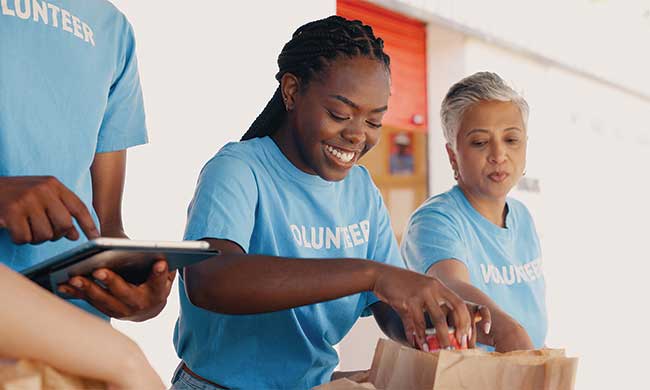
Invite family, friends, neighbors or coworkers to get involved with you. Organizing a donation drive, packing meals or volunteering together can multiply the impact while creating a meaningful way to connect during the holiday season.
Share Your Time and Talents
There are many ways to contribute beyond making a donation. Consider volunteering your time or putting your skills to use for an organization that could benefit from them. From sorting donations and packing meals to helping with special events or administrative projects, your time and expertise can make a meaningful impact.
Support Organizations in Your Own Community
The holidays are an opportunity to learn more about the organizations serving your neighbors every day. Look for local nonprofits addressing needs that matter to you, whether that is hunger, housing, education or another community priority. Supporting organizations close to home can help strengthen the networks people rely on throughout the year.
Keep Giving Beyond the Holidays
The spirit of giving doesn’t have to end when the holiday season is over. Consider turning a one-time contribution into an ongoing commitment, whether by volunteering periodically, making recurring donations or continuing to support an organization with a mission that resonates with you.
Learn more about the work being done to advance financial literacy and strengthen communities at schwabmoneywise.com/foundation.
Photo courtesy of Shutterstock

SOURCE:

Last Updated on November 11, 2026 by Daily News Staff
Fifty volunteers joined Diana Gregory Outreach Services and community partners on November 5, with support from AARP, State Farm, and BHHS Legacy Foundation.
PHOENIX — Fresh produce and community support came together Thursday morning, November 5, 2026, as Veggies for Veterans distributed 700 grocery bags during an event hosted by the Phoenix VA Health Care System.
The Diana Gregory Outreach Services (DGOS) program brought together 50 volunteers to help provide veterans with nutritious food. Each bag contained a variety of 13 fruits and vegetables, according to the event results supplied by organizers.
The effort also received a contribution from Peddler’s Son, which donated a five-pound bag of Idaho potatoes and a bag of grapes for each veteran.
AARP, State Farm, and BHHS Legacy Foundation Lead Financial Support
AARP, State Farm, and BHHS Legacy Foundation were the event’s three largest financial sponsors, helping make the distribution possible.
Volunteers represented all three organizations, along with the Archer Ragsdale Arizona Chapter Tuskegee Airmen, Inc. Arizona Community Foundation and Santander also contributed volunteer support.
AARP Arizona State Director Dana Marie Kennedy attended the event. AARP’s participation included volunteers and an outreach table featuring candy and AARP-branded giveaway items for attendees and veterans.
Together, the financial contributions, donated food, and volunteer service supported an event centered on veterans and their access to fresh produce.
A Special Guest With a Remarkable Service History
Among those attending was 106-year-old Major Fannie Griffin McClendon, whose military career connects the gathering to an extraordinary chapter in American history.
McClendon served during World War II with the 6888th Central Postal Directory Battalion, widely known as the “Six Triple Eight.” The historic unit of Black women soldiers helped process a massive backlog of military mail in Europe.
Her service continued beyond World War II. The Library of Congress documents her later career in the Air Force, including service as a squadron commander.
Her attendance offered an opportunity to recognize a veteran whose career helped break barriers for Black women in the military.
More Than a Bag of Groceries
Veggies for Veterans’ purpose extends beyond the food distributed at an individual event. The program focuses on helping veterans access fresh produce while creating opportunities for connection and community support.
Grocery costs, transportation, and mobility can make obtaining nutritious food difficult. Bringing produce directly to veterans through VA and community settings is one way the program works to address those barriers.
The November 5 distribution also reflected the collective work behind that support: an organization coordinating the effort, a VA host, financial sponsors, a food donor, and volunteers contributing their time.
With 700 bags distributed and 50 volunteers participating, the event demonstrated how community partnerships can translate into practical support for veterans.
Readers interested in learning more about the program, volunteering, or exploring ways to support its work can visit Diana Gregory Outreach Services.
Reporting note: Event results, sponsor recognition, donations, volunteer participation, and attendee information were supplied for this recap. Historical background on Major McClendon is supported by the Library of Congress.
Sources and Further Information
- Diana Gregory Outreach Services — Veggies for Veterans
- Phoenix VA — November 5 Veggies for Veterans event listing
- Library of Congress — Fannie Griffin McClendon




