

Consumer Corner
Things to Look for When Considering an Auto Secured Loan
Many Americans continue to feel pressure from rising everyday expenses. Some are turning to credit cards and other expensive options like unsecured loans to cover surprise bills, manage a temporary gap in cash flow or even pay for basics like groceries and gas. For these people, an auto secured loan may offer another option for borrowers who own a vehicle and are looking for a more affordable way to access funds.


(Feature Impact) Many Americans continue to feel pressure from rising everyday expenses. Some are turning to credit cards and other expensive options like unsecured loans to cover surprise bills, manage a temporary gap in cash flow or even pay for basics like groceries and gas.
For these people, an auto secured loan may offer another option for borrowers who own a vehicle and are looking for a more affordable way to access funds.
Unlike an unsecured personal loan, an auto secured loan uses a vehicle as collateral. This can help borrowers qualify for higher loan amounts at better interest rates and with more flexible repayment terms.
Not all loans are created equal, however. If you’re considering an auto secured loan, here are six features that responsible lender Oportun suggests borrowers prioritize when evaluating their options.
1. Transparent, Easy-to-Understand Terms
A responsible lender will clearly explain the loan’s annual percentage rate (APR), monthly payment amount, repayment schedule, fees and total cost over time.
Borrowers should also understand what happens if a payment is missed and what options may be available if financial circumstances change. Clear information helps consumers make confident, informed decisions.
2. Affordable and Predictable Payments
The best loan is one that fits comfortably within your budget. Look for fixed monthly payments, reasonable repayment terms and the ability to pay off the loan early without penalties. Be cautious of products that rely on repeated refinancing or loan rollovers that can increase costs over time.
 3. Lower-Cost Alternatives to Payday
When unexpected expenses arise, some consumers turn to high-cost forms of credit, such as payday loans, because they are often marketed as fast and easy to secure.
A responsible auto secured loan may offer a more affordable alternative with lower rates and repayment terms designed to help borrowers successfully repay what they borrow rather than become trapped in a cycle of debt. Be sure to shop rates across loan types and lenders.
4. Flexibility and Strong Customer Support
Life doesn’t always go according to plan. Borrowers should look for lenders that offer convenient account management tools, flexible payment options and access to knowledgeable customer support representatives. The ability to get help when it’s needed can make a meaningful difference over the life of your loan.
5. Credit Building Opportunities
A loan can do more than just solve an immediate financial need. Many responsible lenders report payment activity to the major credit bureaus, allowing borrowers to build or strengthen their credit history through consistent, on-time payments. Over time, a stronger credit profile can open the door to additional financial opportunities.
6. Responsible Collateral Practices
Before taking out an auto secured loan, it’s important to understand how a lender approaches collateral. Responsible lenders use a vehicle to help expand access to credit. They do not offer credit as a shortcut to taking ownership of your vehicle. Look for lenders that offer hardship assistance and work with borrowers facing financial setbacks before pursuing collection actions. Repossession should always be a last resort.
Choosing the Right Lending Partner
If you’re considering an auto secured loan, make sure the lender you choose supports these six practices. Responsible lenders design their products to help people both access funds for short-term needs and improve their long-term financial health.
For example, Oportun offers clearly priced auto secured personal loans designed to help members access affordable credit and repay them on time so they can build a stronger financial future. Since its founding, the lender has provided more than $22 billion in responsible and affordable credit, helped more than 1.3 million people establish a credit history and saved its members more than $2.5 billion in interest and fees.
By focusing on lenders that prioritize transparency, affordability, flexibility and successful repayment outcomes, borrowers can find an auto secured loan that meets their current and future financial needs. Discover more information by visiting Oportun.com.
Photos courtesy of Shutterstock

SOURCE:
Oportun
🏡 Planning your next home project? Explore expert tips, DIY ideas, product reviews, and the latest home improvement news in Consumer Corner. Share your experiences in the comments and subscribe to the STM Daily News newsletter for practical advice and fresh inspiration delivered straight to your inbox.


NEW YORK — October 17, 2026 — What happens when the galaxy far, far away meets Earth’s mightiest superheroes? The LEGO Group is giving fans an opportunity to find out through a first-of-its-kind creative building challenge that brings together two of entertainment’s most recognizable franchises: Star Wars and Marvel.
Announced during New York Comic Con, the new LEGO Ideas competition invites fans to combine characters, vehicles, and iconic scenes from both universes into original LEGO creations. The initiative celebrates imagination, storytelling, and the upcoming 50th anniversary of Star Wars in 2027.
The announcement was made during a convention panel featuring filmmaker, actor, and Marvel Comics writer Kevin Smith.
Two Iconic Universes, One Creative Challenge
For decades, LEGO fans have recreated everything from the Millennium Falcon and X-wing starfighters to Iron Man’s armor and the Avengers’ headquarters.
Now, builders can explore what might happen if those worlds collided.
Imagine Iron Man designing armor for a Jedi Knight, Spider-Man swinging between buildings on Coruscant, or the Avengers joining forces with the Rebel Alliance against an unexpected threat.
Those are just a few possibilities for the kind of creative crossover LEGO hopes to inspire.
Participants can select from three categories:
- Vehicles: Combine famous spacecraft, superhero transportation, and other vehicles from the two franchises.
- Characters: Reimagine familiar heroes and villains through creative crossover designs.
- Scenes: Build original moments that bring the worlds of Marvel and Star Wars together.
The challenge encourages participants to go beyond simply placing characters from different franchises side by side. Instead, LEGO wants builders to explore new possibilities for storytelling through their creations.
Fan Creations Could Become Official LEGO Products
One of the most exciting aspects of the competition is the opportunity for fan-created designs to become official LEGO products.
Through the LEGO Ideas platform, participants can submit their original creations for consideration. Fan voting will help identify popular submissions, with selected designs advancing through the competition’s evaluation process.
LEGO says favorite submissions could ultimately be developed into official products, giving talented builders an opportunity to see their creations reach audiences around the world.
However, submission and popularity alone do not guarantee that a design will be manufactured. Participants must follow the competition’s official rules and selection requirements.
Fede Begher, Senior Vice President and Head of Product Group at the LEGO Group, described the challenge as an important milestone for the company’s creative community.
According to Begher, combining Marvel and Star Wars in one LEGO Ideas challenge opens new possibilities for fan creativity and storytelling.
Celebrating 50 Years of Star Wars
The LEGO challenge also connects with an upcoming milestone in entertainment history.
In 2027, Star Wars will celebrate the 50th anniversary of the original film’s theatrical release in 1977.
As part of the anniversary celebration, the Star Wars/Marvel: Hope Assembles comic series was announced earlier in 2026, with its launch planned for January 2027.
The comic project brings together the fictional universes of Marvel and Star Wars, creating an unusual crossover between two major properties associated with Disney.
The LEGO Ideas challenge builds on that concept by inviting fans to imagine their own interpretations using LEGO bricks.
For longtime fans, the anniversary provides an opportunity to celebrate the cultural impact of Star Wars while introducing its characters and stories to new generations.
How to Participate in the LEGO Ideas Challenge
The competition is open for submissions, and interested builders can get started through the official LEGO Ideas website.
Challenge timeline
Submissions open
- October 2026 — Challenge launchesBuilders can review the requirements, choose a category, and submit eligible creations.
- December 15, 2026 — Voting beginsFans will have an opportunity to vote on submitted designs.
- 2027 — Grand prize selections announcedLEGO plans to reveal the winning selections next year.
Participants should visit the official challenge page for eligibility requirements, submission deadlines, design restrictions, and other competition details.
Official challenge: LEGO Ideas: Hope Assembles
Competition rules: LEGO Ideas Rules and Guidelines
Why This Crossover Matters
Both Star Wars and Marvel have developed passionate fan communities spanning multiple generations.
The franchises have influenced movies, television, comic books, video games, collectibles, and popular culture worldwide.
LEGO has also maintained successful relationships with both properties, producing elaborate construction sets, collectible minifigures, and interactive play experiences.
By combining these franchises in a fan-driven competition, LEGO is tapping into a growing interest in creative crossovers and collaborative storytelling.
The challenge also highlights an important part of LEGO’s continued appeal: the ability to take familiar characters and settings and transform them into something entirely new.
For collectors, the possibility of an official Marvel and Star Wars crossover set could be particularly appealing.
For younger builders, the challenge offers an opportunity to experiment with storytelling, design, and problem-solving through hands-on creativity.
And for longtime fans, it raises an entertaining question: What would happen if Darth Vader encountered the Avengers?
A Galaxy of Possibilities
Whether builders imagine Captain America joining the Jedi Order, Thor confronting a Sith Lord, or the Guardians of the Galaxy traveling aboard the Millennium Falcon, the LEGO Ideas challenge offers a creative playground for fans of both franchises.
As the 50th anniversary of Star Wars approaches, the competition provides another way to celebrate the enduring influence of these fictional worlds.
The biggest question now may be which imaginative fan creation will capture the community’s attention—and whether it will eventually find its way onto store shelves.
FAQ
What is the LEGO Star Wars and Marvel crossover challenge?
It is a 2026 LEGO Ideas competition inviting fans to create original LEGO designs combining characters, vehicles, or scenes from the Star Wars and Marvel universes.
When does voting begin?
Fan voting is scheduled to begin December 15, 2026.
Can fans create an official LEGO Star Wars and Marvel set?
Selected fan designs may have the opportunity to become official LEGO products, subject to the competition’s selection process and rules.
When will the winners be announced?
The grand prize selections are scheduled to be announced in 2027.
For more information, visit LEGO Ideas.
More Entertainment News from STM Daily News
From blockbuster movies and streaming releases to pop culture, collectibles, theme parks, and entertainment industry developments, STM Daily News brings readers stories about the entertainment that connects generations.
Explore more entertainment coverage and the latest updates at STM Daily News.
Resources
- Official LEGO Ideas Hope Assembles Challenge
- LEGO Ideas Platform
- LEGO Ideas Rules and Guidelines
- The LEGO Group Official Website
- The LEGO Group Newsroom
Source: The LEGO Group, October 11–12, 2026, press release: The LEGO Group Invites Fans to Mash-Up Star Wars and Marvel Universes for the First Time Ever in LEGO Ideas Challenge.
Editorial note: This article is based on information supplied by the LEGO Group. The crossover scenarios described are imaginative examples, not confirmed LEGO designs or products. Competition details and product-selection decisions remain subject to LEGO’s official rules.

Automotive
The New Tire-Buying Playbook: AI Insights Meet Human Advice
New Tire-Buying Playbook: A tire purchase can start with a familiar moment: a dashboard warning light, a repair shop visit, worn tread or realizing the current set is nearing a mileage milestone. When it’s time to replace tires, drivers have more ways than ever to research options, including classic search engines and AI chatbots.
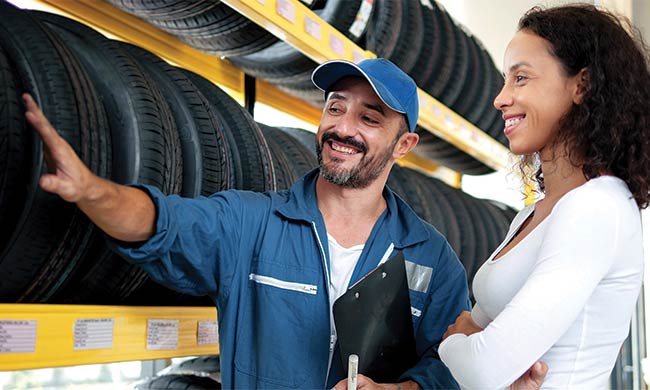
The New Tire-Buying Playbook: AI Insights Meet Human Advice
(Feature Impact) A tire purchase can start with a familiar moment: a dashboard warning light, a repair shop visit, worn tread or realizing the current set is nearing a mileage milestone. When it’s time to replace tires, drivers have more ways than ever to research options.
New research from Hankook Tire’s Gauge Index Survey found drivers are utilizing multiple methods for research, from search engines and AI assistants to asking someone they trust for advice. Two-thirds of respondents said they always or often research multiple sources before buying tires, suggesting many shoppers want to weigh several opinions before deciding to buy a new set, including turning to fellow drivers.
As tools like classic search engines and AI chatbots continue to evolve, the most useful strategy for tire shopping may be less about choosing between technology and human expertise, and more about knowing how each fits into the research process. Here are a few ways drivers can confidently conduct tire research.
Start broad then narrow the search.
For many drivers, the process begins online. One-quarter of respondents said they typically begin their tire research with a search engine, the most common starting point reported in the survey. Retailer or dealer websites are the next at 16%, followed by recommendations from a mechanic at 15%.
That range of starting points reflects how personal a tire purchase can be. A search engine can help a driver organize initial questions and identify the types of information they want to compare. Retailer and dealer sites offer another place to review available options – and reviews from other drivers. A mechanic can help put the vehicle and driver’s specific needs into context.
Drivers can also use their initial search to create a short list of requirements, such as tire size, type and available warranties.
Use AI as one research tool – but not the only one.
AI is a growing part of any research. About 4 in 10 drivers (42%) said they have used an AI tool to research or compare tires more than once. Another 11% said they have not used one yet but plan to the next time they buy tires.
Conversely, just 5% of respondents said an AI assistant or chatbot would be their typical first stop when researching tires, suggesting many drivers may add AI later in the process to help sort through information or frame comparisons.
AI can help turn a general concern into a clearer list of questions. A driver might use it to identify terms to research, compare categories of information or prepare for a conversation with a retailer, dealer or repair professional.
Keep trusted people in the research loop.
Despite drivers’ increased reliance on digital tools, trusted advice is still important. More than one-quarter of drivers said they would typically begin tire research with a recommendation from a mechanic (15%) or from friends or family (12%).
Friends and family may share firsthand experiences, while a mechanic may help a driver better understand the questions that matter for their vehicle. More than 1 in 5 respondents (21%) list advice from a repair shop among the top three reasons that would prompt them to buy new tires, showing the role professional guidance can play when a purchase becomes necessary.
Find the full survey and approach your next tire research process with clearer questions, more confidence and a better sense of what matters most for the road ahead at HankookTire.com.
Photo courtesy of Shutterstock
SOURCE:

6 Ways to Create a More Sustainable Bathroom
(Feature Impact) Conserving water, energy and resources is key to running an environmentally friendly household, and one of the best places to start is your bathroom. As one of the most frequently used rooms in the house, it’s a small space that makes a big difference. Every flush, shower, twist of the tap and restock of restroom essentials is an opportunity to manage your ecological footprint.
The good news is you don’t need a full-scale remodel to make your bathroom more efficient. Small changes to daily habits, routine maintenance and upgraded plumbing fixtures can all have a valuable impact. By making thoughtful choices at home now, you can protect your community’s freshwater supplies, consume less energy and help create a more sustainable future.
For useful ways to save water, conserve energy and reduce waste, consider these tips from the bathroom design and sustainability experts at TOTO.
Fix Leaks Before They Waste More Water
From dripping faucets to worn toilet flappers, small leaks can quickly add up. In fact, according to the EPA, the average household wastes approximately 9,400 gallons of water each year due to leaks. That can mean money going down the drain, too: If you notice your water bill is increasing and can’t figure out why, a hidden leak could be responsible.
To test whether your toilet has a silent leak, try adding a dye tablet or a few drops of food coloring to the tank. If color seeps into the bowl before you’ve flushed (usually within 10 minutes), it likely means an issue with the flapper. Many leaks are easy fixes, but a trained plumbing professional can give you more specific guidance.

Choose Water-Efficient Fixtures
Upgrading your plumbing fixtures can make an immediate difference, particularly when you choose EPA WaterSense-labeled models designed to save water without sacrificing performance. The water-efficiency specialists at TOTO helped shape the product-performance standards for the program, which turns 20 this year.
Its toilets pair elegant design with water-saving performance and no compromises on power. They are designed to use either 1.0 or 1.28 gallons per flush (GPF), representing water savings of 37.5% or 20%, respectively, compared with the federal standard of 1.6 GPF. Whether you’re looking for the Aurora’s elegant sculptural design, the Redington’s clean architectural lines or the Glaston’s timeless two-piece look, each model features powerful, gravity-driven flush performance and an ultrasmooth ceramic bowl glaze for easy cleaning, all while using less water.
Cut Paper and Single-Use Waste
Next time you’re ready to restock your bathroom cabinets, consider some simple eco-friendly product swaps. Look for toilet tissue made with recycled or sustainable materials or consider adding a bidet to reduce paper use – and never flush anything except toilet paper, even wipes labeled “flushable.” Instead of buying soap and personal care products in single-use packaging, you can lower your plastic consumption by choosing refillable containers. When possible, opt for a stash of washable cloths for cleaning rather than relying on disposable wipes and paper towels.
Take Shorter Showers and Make Every Gallon Count
Spending less time in the shower is one of the most impactful things one person can do to save water. Showering accounts for nearly 17% of residential indoor water use, according to the EPA, and if you prefer warm showers, that also means using energy to heat the water.
Make a habit of staying in the shower long enough to complete your routine but not lingering beyond that. To make each minute more water-efficient, consider upgrading to TOTO’s 2-Mode Showerhead, available in stylish round and square designs. Its efficient 1.75 GPM flow is paired with Comfort Wave for a stimulating experience and Warm Spa for soothing, enveloping warmth. You can also save water by turning off the tap while you lather with soap and shampoo, a technique sometimes referred to as a “Navy shower.”
Ventilate Efficiently to Control Moisture
Keeping your bathroom and the rest of your home in good condition relies in large part on controlling moisture and humidity. Use exhaust fans to vent moist air outside – not just into an attic or another enclosed space where it can cause damage, rot or mold. You can also use smart home features like humidity sensors and timers to control ventilation without running the fan longer than necessary.
Maintain Fixtures for a Longer Life
By taking good care of your bathroom fixtures, you can extend their longevity, thereby saving resources compared to replacing them more frequently. Follow manufacturers’ care instructions for cleaning and maintenance, avoiding abrasive cleaners that may wear away finishes. Aim to proactively remove any mineral buildup on faucets and showerheads, since it can reduce water flow and prematurely age your fixtures.
Keep an eye on serviceable components that tend to wear out – such as seals, faucet cartridges and toilet fill components – and see if you can fix or replace them individually first. When the time comes to upgrade toilets, sinks and showers, choose high-quality options you’ll be happy to have in your home for years to come.
Learn more about sustainable bathroom fixtures at TotoUSA.com.
SOURCE:





