

home improvement
Upgrade Your Home This Fall: Why now is the time to replace an aging HVAC system

Last Updated on October 9, 2025 by Daily News Staff

Upgrade Your Home This Fall: Why now is the time to replace an aging HVAC system
(Family Features) As cooler weather sets in, households across the country face a tough question: keep repairing their old heating and cooling systems or finally replace them with new ones.
While squeezing every penny out of an old unit might seem like a way to save money, experts caution that waiting can lead to higher costs, less comfort and missed opportunities for major savings.
The Hidden Cost of ‘Just One More Repair’
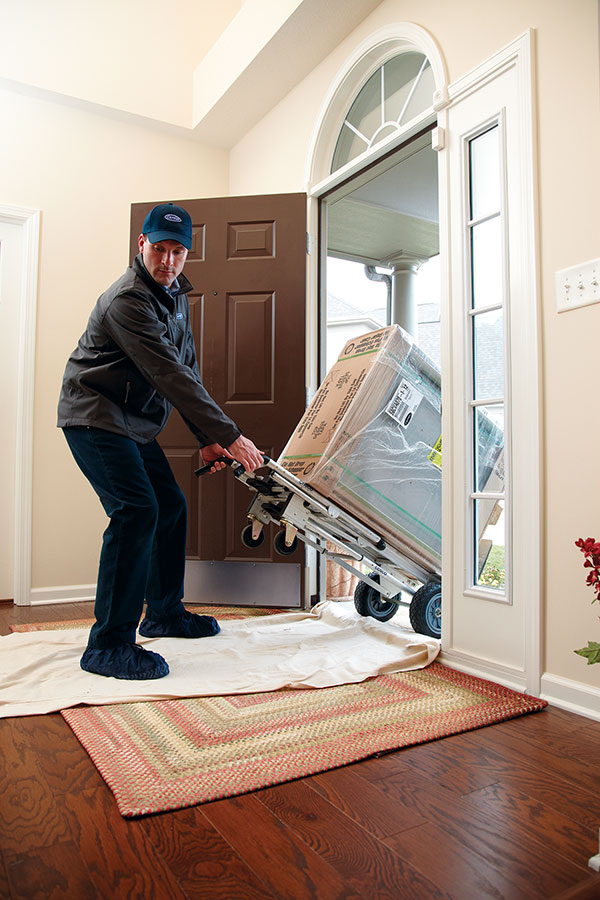 Older HVAC systems often need frequent service and those repair bills can add up. Bandage-type repairs on current units could lead to more surprise bills from repair people who usually do not offer financing plans. With contractor schedules filling up during peak seasons, a breakdown at the wrong time could mean long delays for repairs or replacements – leaving your home uncomfortable when you need it most.
Beyond the financial drain, there is the stress of dealing with an unexpected breakdown during extreme weather. Having to replace an HVAC system in the middle of a breakdown denies you the opportunity to shop around and purchase a system that best fits your home and needs. Similarly, replacing an unreliable system with a newer model can provide consistent comfort, improved efficiency and financial predictability.
Fall is the Ideal Time for Replacement
Fall is considered the “shoulder season” in the HVAC industry. Contractors generally have more availability than during the busy summer and winter months, which makes scheduling easier. With the more moderate weather conditions during fall, you may be more comfortable without heating or cooling while the new system is being installed. Acting in fall also avoids the risk of facing a system failure in the middle of a cold snap when demand is high and options may be limited.
Incentives Can Make Upgrading More Affordable
For a limited time, programs are available to help homeowners manage the cost of replacement. This fall, certain high-efficiency systems from Carrier qualify for rebates of up to $2,100 and financing plans with 0% APR for 60 months, giving families the ability to spread out payments without extra interest.
In addition, federal incentives under the Inflation Reduction Act offer homeowners tax credits – such as up to $2,000 back for installing a qualifying high-efficiency heat pump – further lowering the net cost. These IRA incentives are set to expire at the end of the year, making this fall the perfect time to upgrade.
Ensure Comfort and Efficiency During the Holidays
The holiday season is a busy time and usually includes hosting loved ones. Guarantee your celebrations go off without a hitch and your guests stay warm and comfortable by replacing your old unit during the fall months.
Modern HVAC systems do more than heat and cool; they can help maintain balanced humidity, reduce drafts, improve air quality and eliminate uneven hot or cold spots throughout your home. Plus, the energy efficiency of your new heating and cooling system may help you save on monthly utility bills; savings you can put toward holiday shopping.
While it may be tempting to prolong the life of an old HVAC system, delaying replacement can end up being more expensive and stressful. With incentives, financing and tax credits available this fall, planning ahead can help you save money and enjoy year-round comfort.
Learn more about rebates and financing plans by contacting your local, trusted expert at carrier.com/residential/en/us/find-a-dealer
SOURCE:


Automotive
4 Tips for Efficient EV Charging at Home
Efficient EV Charging at Home: Your car has one job – to take you where you need to go. For electric vehicle (EV) owners, that means keeping it charged so it’s ready to hit the road when you are. Charging your car at home is convenient and cost-effective, especially if you have the right equipment and routines.
4 Tips for Efficient EV Charging at Home
(Feature Impact) Your car has one job – to take you where you need to go. For electric vehicle (EV) owners, that means keeping it charged so it’s ready to hit the road when you are.
Charging your car at home is convenient and cost-effective, especially if you have the right equipment and routines. Consider these quick tips from the EV experts at Schneider Electric.
Watch this video to learn more:
//www.youtube.com/embed/IELsXkSgOQQ
Install a Level 2 Home Charger
While many EV owners start with standard Level 1 charging using typical 120-volt household outlets, upgrading to a 240-volt Level 2 charger can offer extra efficiency and convenience. With significantly faster charging speeds, these units increase your driving range per charging hour and can replenish your battery in a fraction of the time.
Charge During Off-Peak Hours
If your electric company has variable pricing based on the time of day, you may be able to lower your utility bill by shifting your charging routines. This could mean doing most of your charging overnight and unplugging during peak daytime hours when rates are often more expensive.
Consider a Smart Charger
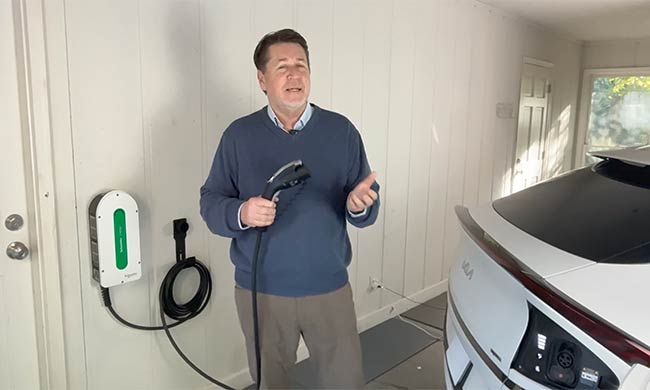
Since Level 2 chargers can add significant electrical load to your home, many EV owners are concerned they’ll need to make costly electrical upgrades to accommodate the higher power requirements. Instead, consider a smart Level 2 home charger with dynamic power management like the Schneider Charge.
With built-in technology called SmartAmp, this charger intelligently monitors the electrical demand in the home and adjusts the output to your EV accordingly. Whether you’re running a dryer full of laundry or turning on the air conditioning, the system can automatically dial back the charging power to your EV when necessary then ramp it back up when demand drops. This way, you won’t have to worry about overloading your electrical system or being forced to install pricey new panels so you can get everything done.
Since it works with all standard EV charging formats, it’s built to fit your current vehicle and whatever you buy next. Plus, through the connected app, you can conveniently schedule charging with a tap, giving you the ability to manage your EV routine remotely – or just set it and forget it.
Track Your Habits
Understanding your current charging habits can help you fine-tune your routines over time. Smart chargers can make tracking simple and automatic with apps that allow you to access information like how often you’re charging your vehicle, how long it takes and how much energy it consumes.
Learn more about smart EV charging at SE.com.
SOURCE:
Consumer Corner
Getting Your Wood-Burning Fireplace Ready for Winter
As cold temperatures creep in, you might be dreaming about cozy fall and winter evenings in front of a glowing, crackling fireplace. Before you (literally) fire it up for the first time, consider these steps to make sure your wood-burning fireplace is ready to heat your home cleanly, safely and efficiently.
Getting Your Wood-Burning Fireplace Ready for Winter
(Feature Impact) As cold temperatures creep in, you might be dreaming about cozy fall and winter evenings in front of a glowing, crackling fireplace. Before you (literally) fire it up for the first time, consider these steps to make sure your wood-burning fireplace is ready to heat your home cleanly, safely and efficiently.
Clear Out Old Ash and Debris
When you haven’t used your fireplace for a while, it can build up dust, soot and debris. As the first step of your annual checkup, clean out last season’s leftovers but leave about a 1-inch layer of ash at the bottom of the firebox to provide insulation and make it easier to get wood burning.
Schedule Professional Maintenance
Chimney sweeps still exist, although they don’t look like the soot-smudged lads from old movies anymore – and these days they come with a collection of high-powered modern tools to remove buildup from chimneys and flue systems. Experts can also look for ventilation issues, cracks in the masonry and other potential hazards. The National Fire Protection Association recommends getting your chimney inspected once a year and cleaned or maintained as needed.
Consider Efficiency Upgrades
To keep your fireplace working better for longer or improve its energy efficiency, explore your options for upgrades suited to your fireplace type. Glass fireplace doors, new dampers or a high-efficiency fireplace insert can all help reduce energy loss and improve heating performance. Adding or replacing a chimney cap and applying waterproof sealant to the bricks every five years can help protect your chimney from moisture damage over time.
Burn the Right Kind of Wood
Not all wood burns alike, so you can improve the warmth and efficiency of your fires simply by choosing the right kinds of logs. Stock up on seasoned hardwood dried for 6-12 months and store it in a dry, well-ventilated area away from your home so it doesn’t attract pests like mice who may want to take up residence. Avoid burning painted or treated lumber, wet wood or household trash, which can produce excess smoke and harmful pollutants.
Use Safe Fireplace Equipment
Beyond the fireplace itself, check your setup and tools to make sure you have everything you need to safely start and maintain your fires. If you have an open fireplace, make sure to use a sturdy fireplace screen to contain any stray sparks. A good-quality poker, tongs, shovel and brush can also help you control logs and embers, manage ash and keep your fireplace clean throughout the season.
Discover more home maintenance and upgrade ideas at eLivingtoday.com.
Photo courtesy of Unsplash
SOURCE:
6 Ways to Create a More Sustainable Bathroom
(Feature Impact) Conserving water, energy and resources is key to running an environmentally friendly household, and one of the best places to start is your bathroom. As one of the most frequently used rooms in the house, it’s a small space that makes a big difference. Every flush, shower, twist of the tap and restock of restroom essentials is an opportunity to manage your ecological footprint.
The good news is you don’t need a full-scale remodel to make your bathroom more efficient. Small changes to daily habits, routine maintenance and upgraded plumbing fixtures can all have a valuable impact. By making thoughtful choices at home now, you can protect your community’s freshwater supplies, consume less energy and help create a more sustainable future.
For useful ways to save water, conserve energy and reduce waste, consider these tips from the bathroom design and sustainability experts at TOTO.
Fix Leaks Before They Waste More Water
From dripping faucets to worn toilet flappers, small leaks can quickly add up. In fact, according to the EPA, the average household wastes approximately 9,400 gallons of water each year due to leaks. That can mean money going down the drain, too: If you notice your water bill is increasing and can’t figure out why, a hidden leak could be responsible.
To test whether your toilet has a silent leak, try adding a dye tablet or a few drops of food coloring to the tank. If color seeps into the bowl before you’ve flushed (usually within 10 minutes), it likely means an issue with the flapper. Many leaks are easy fixes, but a trained plumbing professional can give you more specific guidance.
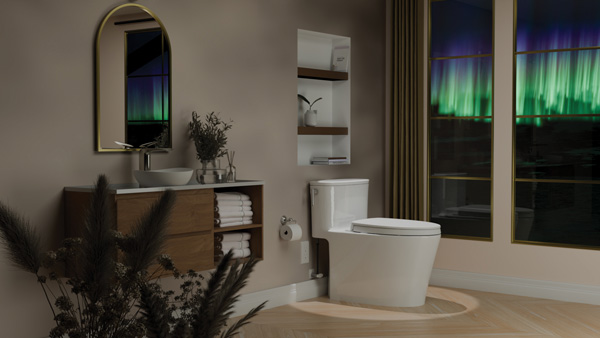
Choose Water-Efficient Fixtures
Upgrading your plumbing fixtures can make an immediate difference, particularly when you choose EPA WaterSense-labeled models designed to save water without sacrificing performance. The water-efficiency specialists at TOTO helped shape the product-performance standards for the program, which turns 20 this year.
Its toilets pair elegant design with water-saving performance and no compromises on power. They are designed to use either 1.0 or 1.28 gallons per flush (GPF), representing water savings of 37.5% or 20%, respectively, compared with the federal standard of 1.6 GPF. Whether you’re looking for the Aurora’s elegant sculptural design, the Redington’s clean architectural lines or the Glaston’s timeless two-piece look, each model features powerful, gravity-driven flush performance and an ultrasmooth ceramic bowl glaze for easy cleaning, all while using less water.
Cut Paper and Single-Use Waste
Next time you’re ready to restock your bathroom cabinets, consider some simple eco-friendly product swaps. Look for toilet tissue made with recycled or sustainable materials or consider adding a bidet to reduce paper use – and never flush anything except toilet paper, even wipes labeled “flushable.” Instead of buying soap and personal care products in single-use packaging, you can lower your plastic consumption by choosing refillable containers. When possible, opt for a stash of washable cloths for cleaning rather than relying on disposable wipes and paper towels.
Take Shorter Showers and Make Every Gallon Count
Spending less time in the shower is one of the most impactful things one person can do to save water. Showering accounts for nearly 17% of residential indoor water use, according to the EPA, and if you prefer warm showers, that also means using energy to heat the water.
Make a habit of staying in the shower long enough to complete your routine but not lingering beyond that. To make each minute more water-efficient, consider upgrading to TOTO’s 2-Mode Showerhead, available in stylish round and square designs. Its efficient 1.75 GPM flow is paired with Comfort Wave for a stimulating experience and Warm Spa for soothing, enveloping warmth. You can also save water by turning off the tap while you lather with soap and shampoo, a technique sometimes referred to as a “Navy shower.”
Ventilate Efficiently to Control Moisture
Keeping your bathroom and the rest of your home in good condition relies in large part on controlling moisture and humidity. Use exhaust fans to vent moist air outside – not just into an attic or another enclosed space where it can cause damage, rot or mold. You can also use smart home features like humidity sensors and timers to control ventilation without running the fan longer than necessary.
Maintain Fixtures for a Longer Life
By taking good care of your bathroom fixtures, you can extend their longevity, thereby saving resources compared to replacing them more frequently. Follow manufacturers’ care instructions for cleaning and maintenance, avoiding abrasive cleaners that may wear away finishes. Aim to proactively remove any mineral buildup on faucets and showerheads, since it can reduce water flow and prematurely age your fixtures.
Keep an eye on serviceable components that tend to wear out – such as seals, faucet cartridges and toilet fill components – and see if you can fix or replace them individually first. When the time comes to upgrade toilets, sinks and showers, choose high-quality options you’ll be happy to have in your home for years to come.
Learn more about sustainable bathroom fixtures at TotoUSA.com.
SOURCE:




