

recipes
5 Basic Steps for Sizzling Steak
A perfectly grilled sizzling steak starts with trimming and warming the meat, adding salt, using two-zone heat, searing, checking doneness, and letting it rest.

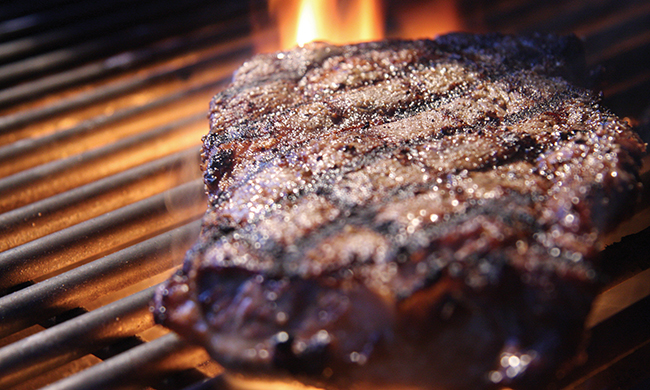
(Culinary.net) A sizzling steak is a surefire sound of summer, and the flavors achieved from one that’s perfectly grilled are hard to match.
Sizzling Steak Choice
Before you fire up your grill, consider these five basics for cooking a chef-worthy steak:
Prepare Your Cut
Taste preferences (and prices) may differ among sirloins, ribeyes, T-bones and more, but the way you prepare steaks likely won’t change much from cut to cut. You’ll want to trim the thickness down to 1/2-1 inch for proper cooking, and setting the meat out ahead of time allows it to warm to room temperature before hitting the grill. Placing a refrigerator-cool slab on hot grates works against you in two ways: first, the cold meat instantly chills your previously warm grill, and second, the inner portion of the steak will take longer to grill.
Add Some Salt
Feel free to add any spices that you prefer, but remember a good steak typically doesn’t require fancy seasoning – a pinch of salt works just fine. Add your salt anywhere between 30 minutes to a few hours before grilling time to help retain moisture and improve flavor.
Aim for High Heat
Grilling a steak correctly actually isn’t just about maintaining a sweltering flame. A two-zone fire is usually the way to go – one side of the grill should be hot (using direct heat) with the other side not quite as warm (indirect heat). This allows you to create a sear over direct heat before finishing cooking through – without burning – over indirect heat.
Sear and Slide
Speaking of searing: Cooking your steak over direct heat 1-2 minutes on each side is normally about right for creating a proper sear. At this point, depending on the thickness of your steak, you’ll want to check for doneness. If it’s not quite to the temperature you’re looking to achieve, simply slide it over to the indirect heat for a finishing touch.
Keep in mind these general guidelines for doneness: 120-125° F is rare, 130-135° F is medium-rare, 140-145° F is medium, 150-155° F is medium-well and 160-175° F is well done.
Let Rest
Finally, as hungry as you may be at this point, resting steaks is an important last step before diving in. Giving your steaks 5-10 minutes (foil or no foil) allows flavors to redistribute and moisture to be retained in the meat.
Find more cooking tips and recipes at Culinary.net.
Photo courtesy of Getty Images
SOURCE:
Culinary.net
At our core, we at STM Daily News, strive to keep you informed and inspired with the freshest content on all things food and beverage. From mouthwatering recipes to intriguing articles, we’re here to satisfy your appetite for culinary knowledge.
Visit our Food & Drink section to get the latest on Foodie News and recipes, offering a delightful blend of culinary inspiration and gastronomic trends to elevate your dining experience.
https://stmdailynews.com/category/food-and-beverage


recipes
Celebrate the Return of Fall with One-Pot Ratatouille Spaghetti
As the seasons change, you don’t have to overhaul all your meal plans immediately. Usher in the arrival of autumn with recipes like Ratatouille Spaghetti that blend fresh, summery produce with warm fall flavors.
Last Updated on November 13, 2026 by Daily News Staff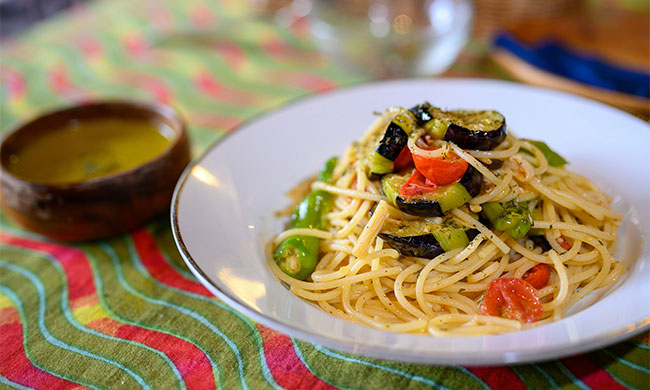
Celebrate the Return of Fall with One-Pot Ratatouille Spaghetti
(Feature Impact) As the seasons change, you don’t have to overhaul all your meal plans immediately. Usher in the arrival of autumn with recipes that blend fresh, summery produce with warm fall flavors.
This Ratatouille Spaghetti recipe is a perfect way to make the most of those last few harvests from the garden or trips to the farmer’s market. Create layers of rich flavor by taking your time with each vegetable – first browning the eggplant then softening the zucchini and tomatoes before adding flavorful aromatics like garlic and thyme to make the whole house smell delicious. The addition of chickpeas or cannellini beans boosts the protein and fiber in the meal, and you can use a high-protein or whole-grain pasta for even more nutrition.
The best part is, while this meal might taste gourmet, you can have it ready in less than an hour – and leave yourself with only one pot to wash afterwards. Even if it’s a school night, it only takes a few extra steps to make a spaghetti dinner feel a little fancier.
Discover more seasonal recipes at Culinary.net.
Ratatouille Spaghetti
Recipe adapted from Serious Eats
Total time: 50 minutes
Servings: 6
- 1/2 cup extra-virgin olive oil, divided
- 1 pound unpeeled eggplant, cut into 1-inch pieces
- 4 1/2 teaspoons kosher salt, divided
- 2 large zucchini, divided
- 1 small yellow onion, chopped
- 6 cloves garlic, finely minced
- 1 tablespoon chopped fresh thyme
- 1/2 teaspoon crushed red pepper flakes
- 1 can (12 ounces) chickpeas or cannellini beans, drained and rinsed
- 4 1/2 cups water
- 1 cup jarred tomato puree
- 12 ounces dried spaghetti
- 1 orange, yellow or red bell pepper, cut into 1-inch pieces
- 3 medium tomatoes, cut into 1/2-inch pieces
- 1 cup packed fresh basil leaves, roughly torn
- lemon juice, to taste
- In large Dutch oven or stovetop pot, heat 1/4 cup oil over medium heat until shimmering. Add eggplant and 1/2 teaspoon kosher salt; cook 8-12 minutes, stirring occasionally, until deeply browned and softened. Transfer to medium bowl and set aside. Wipe pot clean if remaining browned bits are starting to burn.
- Cut one zucchini into 1-inch pieces. In now-empty pot, heat remaining oil over medium heat until shimmering. Add zucchini pieces, onion and 1/2 teaspoon salt; cook about 6 minutes, stirring occasionally, until zucchini is browned and softened. Stir in garlic, thyme and red pepper; cook about 30 seconds, stirring constantly, until fragrant. Stir in reserved eggplant and chickpeas or cannellini beans.
- Add water, tomato puree and remaining salt to pot then bring to simmer over medium-high heat. Add spaghetti, reduce heat to medium-low, cover pot and cook about 8 minutes, stirring often to prevent sticking, until spaghetti is almost al dente.
- Cut remaining zucchini into 1/2-inch pieces. Add zucchini pieces and bell pepper to spaghetti and cook 6-8 minutes, covered, over medium-low heat, stirring often, until pasta is al dente and vegetables are tender. Stir in fresh tomatoes and basil; remove from heat.
- Divide evenly among six bowls. Finish with squeeze of lemon juice for extra brightness, to taste, and garnish with extra olive oil, basil and crushed red pepper, if desired.
Photo courtesy of Unsplash
SOURCE:
recipes
Talking Texture: Identifying a Key Snacking Trend
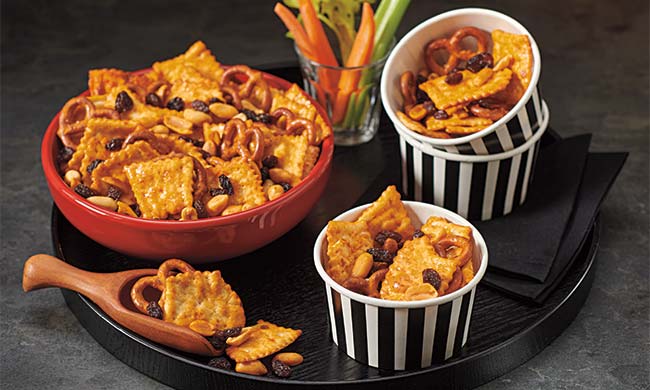
Identifying a Key Snacking Trend: From the first crunch or snap to a soft, chewy finish, snacking goes beyond flavor. It’s a full-body sensory experience, and texture can play an important role in turning an everyday bite into something worth slowing down to enjoy like Buffalo Spiced Snack Mix or Butterscotch Pretzel Cookies.
Talking Texture: Identifying a Key Snacking Trend
(Feature Impact) From the first crunch or snap to a soft, chewy finish, snacking goes beyond flavor. It’s a full-body sensory experience, and texture can play an important role in turning an everyday bite into something worth slowing down to enjoy.
According to the 2026 State of Snacking Report – a collaboration between Mondelēz International, Mintel and Black Swan Data – snacks are evolving beyond simply filling the space between meals. People are increasingly interested in truly indulging in the moment, no matter the occasion, and the survey revealed texture is of growing importance in that experience, quickly becoming one of the most craveable qualities in snacking.
Texture opens a new world of surprise and delight, creating contrast and a multisensory experience that rewards attention and keeps each bite interesting. Consider these ways snackers are prioritizing texture in their indulgences.
Never Settling for Just One Texture
Today’s snackers want everything: health and indulgence, nostalgia and novelty, convenience and connection. Texture can help bring them all together in snacks like Buffalo Spiced Snack Mix, creating variety from bite to bite. Peanuts, pretzels and raisins can be part of your new go-to, getting a spicy makeover with Buffalo sauce in this quick and easy treat.
Taking Snack Time Beyond the Crunch
While crunch is a classic snacking sensation, it’s far from the only texture consumers seek. Among U.S. consumers who buy crackers, 38% said texture is an important attribute, ranking second to flavor (52%).
Colliding Textures Make Magic
When soft meets crunchy or creamy complements crispy, you can explore an entirely new level of snacking satisfaction. Among U.S. cookie consumers, 55% pointed to texture as the most important attribute when purchasing cookies, suggesting they’re choosing not just between flavors but rather looking for crispy, chewy, soft-baked options and beyond. You can bring the inspiration of colliding textures to your own kitchen with these Butterscotch Pretzel Cookies, which pair crispy cookies with chewy brownies and crunchy pretzels for a complex yet complementary combination.
Find more snacking trends and texture insights by visiting StateOfSnacking.com.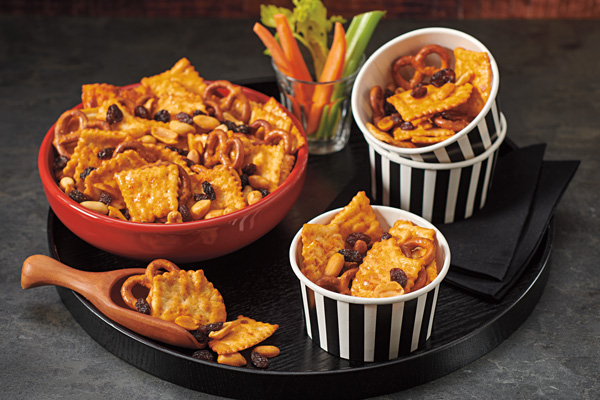
Buffalo Spiced Snack Mix
Prep time: 15 minutes
Total time: 27 minutes
Servings: 18
- Nonstick cooking spray
- 1 package (8.1 ounces) RITZ Toasted Chips Original
- 1 cup lightly salted peanuts
- 1 cup miniature pretzel twists
- 1/4 cup Buffalo wing sauce
- 2 tablespoons honey
- 1 teaspoon ground cumin
- 1 cup raisins
- Heat oven to 375 F.
- Cover large, rimmed baking sheet with foil; spray with nonstick cooking spray.
- In large bowl, combine chips, peanuts and pretzels; set aside.
- In small bowl, mix wing sauce, honey and cumin until blended. Add to chips mixture; toss to evenly coat.
- Spread chips mixture onto prepared baking sheet.
- Bake 10-12 minutes, or until lightly toasted, stirring occasionally. Remove snack mix from oven; stir in raisins. Cool completely.
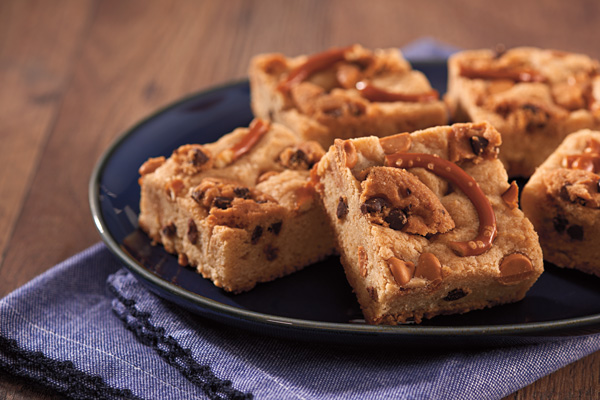
Butterscotch Pretzel Brownies
Prep time: 20 minutes
Total time: 55 minutes
Servings: 24
- Nonstick cooking spray
- 2 cups flour
- 1 teaspoon baking powder
- 1 cup butter, softened
- 1 1/2 cups packed brown sugar
- 2 eggs
- 1 teaspoon vanilla
- 12 CHIPS AHOY! Cookies, coarsely chopped, divided
- 1/2 cup butterscotch chips, divided
- 5 thin pretzel twists (2 1/4 inches), broken into 1-inch pieces
- Heat oven to 350 F.
- Line 13-by-9-inch baking pan with foil, extending ends of foil over sides; spray with nonstick cooking spray.
- Combine flour and baking powder.
- In large bowl, use mixer to beat butter and sugar until light and fluffy. Add eggs and vanilla; mix well. Gradually beat in flour mixture. Add six chopped cookies and 1/4 cup butterscotch chips; mix well.
- Spread batter evenly onto bottom of prepared pan.
- Top with pretzel pieces and remaining chopped cookies and butterscotch chips. Use back of spoon to partially press toppings into batter.
- Bake 35 minutes, or until toothpick inserted in center comes out with fudgy crumbs. Do not overbake. Cool completely.
- Use foil handles to remove dessert from pan before cutting into bars to serve.

SOURCE:
Mondelez International
Food
Separating a Good Steak from a Great One: Understanding How Cut and Preparation Make a Difference
Even frequent steak diners may not know exactly what separates one cut from another. Preparation matters too, and understanding those differences can make it easier to choose the steak that best fits your taste.
Separating a Good Steak from a Great One: Understanding How Cut and Preparation Make a Difference
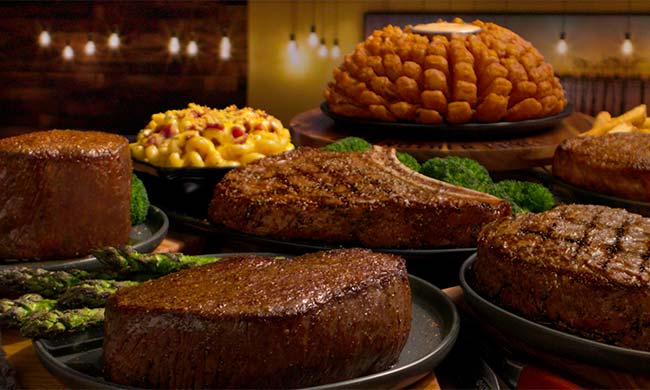
(Feature Impact) Even frequent steak diners may not know exactly what separates one cut from another. The cut is simply the section of beef the steak comes from, and it helps shape tenderness, marbling and flavor. Preparation matters too, and understanding those differences can make it easier to choose the steak that best fits your taste.
Watch this to find out more:
//www.youtube.com/embed/LjruN4km1u8
“When you’re looking for a great steak, it’s really all about the details,” said chef Efrem Cutler, chief steak officer for Outback Steakhouse. “It starts with quality beef and our longstanding sourcing standards. We’ve built on what we already do well across our steak lineup, from center-cut sirloin to ribeye, with even more focus on hand-trimming, seasoning, preparation and training. When you bring all of that together, you get a steak that’s tender, juicy and packed with flavor.”
Still, many diners aren’t sure which cut is right for them. Just 41% of Americans said they’re confident in their knowledge of different steak cuts, according to Outback Steakhouse’s Modern Steakhouse Survey.
If you want big, bold flavor, Cutler recommends a ribeye. For something incredibly tender, opt for the filet mignon. For a balance of flavor and tenderness, try a New York strip.
“Understanding the differences between cuts can make ordering easier,” Cutler said. “We want guests to feel confident choosing the steak that fits their taste.”
With its Best Steaks Ever lineup of hand-selected, hand-trimmed, perfectly seasoned and expertly seared steaks, including the new Down Under Delmonico Ribeye and New York strip, alongside Victoria’s barrel-cut filet mignon, center-cut sirloin and Rockhampton ribeye, guests can find the cut and flavor profile they crave.
Visit outback.com/steak to learn more and find a location near you.
SOURCE:
Outback Steakhouse




