

home improvement
5 Ways to Age-Proof Your Home: Easy upgrades to improve the lives of older adults
Age-Proof Your Home: To help older adults remain safely in their homes, simple enhancements like improved lighting, accessible bathrooms, and safer entryways are essential. Programs like Helping Homebound Heroes offer necessary modifications, supporting veterans’ independence and comfort.

Last Updated on November 3, 2025 by Daily News Staff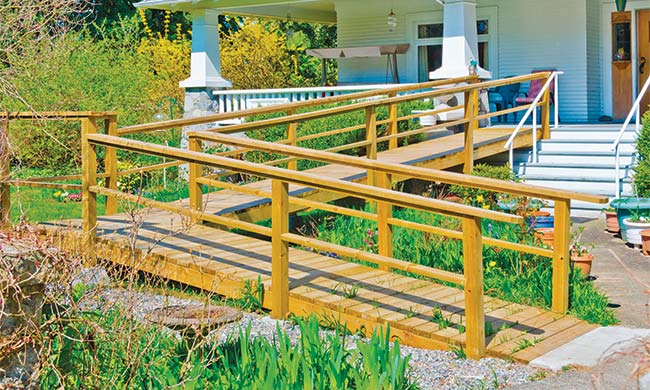
5 Ways to Age-Proof Your Home: Easy upgrades to improve the lives of older adults
(Family Features) A home is more than four walls – it’s where birthdays are celebrated, holiday dinners shared, illnesses weathered and losses mourned. Home is, as the saying goes, where the heart is.
It’s little wonder then most people want to remain in their homes as they age, based on AARP research. Yet, according to the U.S. Census Bureau, less than half of U.S. houses are equipped with accessibility features for older adults.
It doesn’t take a full remodel to make a home safer. Updates like installing handrails or improving hallway lighting can go a long way.
For those who need support in making these changes, programs like Helping Homebound Heroes, a partnership between Meals on Wheels America and The Home Depot Foundation, provide senior veterans with essential home modifications and repairs. This year, the initiative marked a milestone: 4,000 homes modified for seniors’ safety.
“By improving safety and accessibility, we’re helping senior veterans stay in the places they love,” said Ellie Hollander, president and CEO of Meals on Wheels America. “Our work is about preserving independence and dignity – helping older adults live safely, confidently and with connection to their communities.”
These practical tips show how small fixes can add up to big peace of mind:
1. Create a safer entryway.
For older adults, steps to the front door can be an obstacle. A ramp or zero-step entry allows for easier coming and going, and a covered porch or awning keeps walkways dry.
Path lights improve visibility at night, and a sturdy bench by the door provides a place to rest or put groceries.
2. Upgrade the bathroom.
According to multiple studies, falls in the bathroom are more likely to cause injury than in other parts of the home.
If you’re planning a bathroom project, start with small changes like raised toilet seats or toilet and shower grab bars. For a more extensive remodel, install non-slip flooring, replace traditional tubs with walk-in showers and add handheld showerheads.
3. Improve flooring.
The flooring in your home can have a big impact on safety. If you have thick or loose carpet, consider replacing it with a low-pile option.
Slip-resistant flooring, such as vinyl or cork, also provides good traction and can be more forgiving than hardwood or tile. Simple visual cues can help, too. Transition strips between rooms or on stair edges make changes in floor level easier to see.
4. Brighten up rooms.
Brighter overhead fixtures improve visibility, making it easier to spot steps, furniture and other obstacles. At night, motion-sensor lights brighten bathrooms and hallways so it’s easier to move around safely.
Lighting can also support overall well-being. Bulbs mimicking natural daylight help regulate the body’s circadian rhythm, boosting energy during the day. In the evening, switching to softer, warmer light signals the body to wind down.
5. Keep essentials within reach.
Storing everyday items at waist or shoulder height reduces the need for stretching, bending and climbing, all of which can increase the likelihood of falls. Sometimes a simple cabinet reorganization is enough but features like pull-down shelving can make storage more accessible.
Extender rods or remote controls let you adjust ceiling fans and lights from the ground, while motorized window shades can be raised or lowered with the push of a button.
For more resources and support for seniors, visit mealsonwheelsamerica.org.
A Milestone Makeover
Juan Lopez, a 63-year-old U.S. Army and Air Force veteran, has always been a do-it-yourselfer. When an ice storm sent a tree limb crashing through his roof, the damage was more than he could handle. Water seeped inside and mold quickly affected his wife’s health.
Through Helping Homebound Heroes, Lopez received critical support. Crews completed nearly $40,000 in upgrades, from replacing his roof to installing new windows, a furnace and walk-in showers with grab bars.
“I don’t know what I would’ve done if they had not stepped in,” Lopez said. “It’s been such a blessing in our lives.”
Since 2015, The Home Depot Foundation has contributed more than $21 million to Meals on Wheels programs, helping veterans like Lopez remain safely and comfortably in their homes as they age.
Photo courtesy of Shutterstock (home with wheelchair ramp)
5 Ways to Age-Proof Your Home: Easy upgrades to improve the lives of older adults
SOURCE:
Meals on Wheels
Welcome to the Consumer Corner section of STM Daily News, your ultimate destination for savvy shopping and informed decision-making! Dive into a treasure trove of insights and reviews covering everything from the hottest toys that spark joy in your little ones to the latest electronic gadgets that simplify your life. Explore our comprehensive guides on stylish home furnishings, discover smart tips for buying a home or enhancing your living space with creative improvement ideas, and get the lowdown on the best cars through our detailed auto reviews. Whether you’re making a major purchase or simply seeking inspiration, the Consumer Corner is here to empower you every step of the way—unlock the keys to becoming a smarter consumer today!
https://stmdailynews.com/category/consumer-corner



6 Ways to Create a More Sustainable Bathroom
(Feature Impact) Conserving water, energy and resources is key to running an environmentally friendly household, and one of the best places to start is your bathroom. As one of the most frequently used rooms in the house, it’s a small space that makes a big difference. Every flush, shower, twist of the tap and restock of restroom essentials is an opportunity to manage your ecological footprint.
The good news is you don’t need a full-scale remodel to make your bathroom more efficient. Small changes to daily habits, routine maintenance and upgraded plumbing fixtures can all have a valuable impact. By making thoughtful choices at home now, you can protect your community’s freshwater supplies, consume less energy and help create a more sustainable future.
For useful ways to save water, conserve energy and reduce waste, consider these tips from the bathroom design and sustainability experts at TOTO.
Fix Leaks Before They Waste More Water
From dripping faucets to worn toilet flappers, small leaks can quickly add up. In fact, according to the EPA, the average household wastes approximately 9,400 gallons of water each year due to leaks. That can mean money going down the drain, too: If you notice your water bill is increasing and can’t figure out why, a hidden leak could be responsible.
To test whether your toilet has a silent leak, try adding a dye tablet or a few drops of food coloring to the tank. If color seeps into the bowl before you’ve flushed (usually within 10 minutes), it likely means an issue with the flapper. Many leaks are easy fixes, but a trained plumbing professional can give you more specific guidance.

Choose Water-Efficient Fixtures
Upgrading your plumbing fixtures can make an immediate difference, particularly when you choose EPA WaterSense-labeled models designed to save water without sacrificing performance. The water-efficiency specialists at TOTO helped shape the product-performance standards for the program, which turns 20 this year.
Its toilets pair elegant design with water-saving performance and no compromises on power. They are designed to use either 1.0 or 1.28 gallons per flush (GPF), representing water savings of 37.5% or 20%, respectively, compared with the federal standard of 1.6 GPF. Whether you’re looking for the Aurora’s elegant sculptural design, the Redington’s clean architectural lines or the Glaston’s timeless two-piece look, each model features powerful, gravity-driven flush performance and an ultrasmooth ceramic bowl glaze for easy cleaning, all while using less water.
Cut Paper and Single-Use Waste
Next time you’re ready to restock your bathroom cabinets, consider some simple eco-friendly product swaps. Look for toilet tissue made with recycled or sustainable materials or consider adding a bidet to reduce paper use – and never flush anything except toilet paper, even wipes labeled “flushable.” Instead of buying soap and personal care products in single-use packaging, you can lower your plastic consumption by choosing refillable containers. When possible, opt for a stash of washable cloths for cleaning rather than relying on disposable wipes and paper towels.
Take Shorter Showers and Make Every Gallon Count
Spending less time in the shower is one of the most impactful things one person can do to save water. Showering accounts for nearly 17% of residential indoor water use, according to the EPA, and if you prefer warm showers, that also means using energy to heat the water.
Make a habit of staying in the shower long enough to complete your routine but not lingering beyond that. To make each minute more water-efficient, consider upgrading to TOTO’s 2-Mode Showerhead, available in stylish round and square designs. Its efficient 1.75 GPM flow is paired with Comfort Wave for a stimulating experience and Warm Spa for soothing, enveloping warmth. You can also save water by turning off the tap while you lather with soap and shampoo, a technique sometimes referred to as a “Navy shower.”
Ventilate Efficiently to Control Moisture
Keeping your bathroom and the rest of your home in good condition relies in large part on controlling moisture and humidity. Use exhaust fans to vent moist air outside – not just into an attic or another enclosed space where it can cause damage, rot or mold. You can also use smart home features like humidity sensors and timers to control ventilation without running the fan longer than necessary.
Maintain Fixtures for a Longer Life
By taking good care of your bathroom fixtures, you can extend their longevity, thereby saving resources compared to replacing them more frequently. Follow manufacturers’ care instructions for cleaning and maintenance, avoiding abrasive cleaners that may wear away finishes. Aim to proactively remove any mineral buildup on faucets and showerheads, since it can reduce water flow and prematurely age your fixtures.
Keep an eye on serviceable components that tend to wear out – such as seals, faucet cartridges and toilet fill components – and see if you can fix or replace them individually first. When the time comes to upgrade toilets, sinks and showers, choose high-quality options you’ll be happy to have in your home for years to come.
Learn more about sustainable bathroom fixtures at TotoUSA.com.
SOURCE:
home gardening
Beyond the Leaf Pile: 4 Tips for Autumn Lawn Care
4 Tips for Autumn Lawn Care: Many people associate fall yardwork with raking up the crispy, colorful leaves that have drifted down from surrounding trees. Don’t let that be the only task on your outdoor agenda, however, because this season is also an opportunity to improve the overall health of your lawn so it’s ready to thrive once spring arrives.
Beyond the Leaf Pile: 4 Tips for Autumn Lawn Care
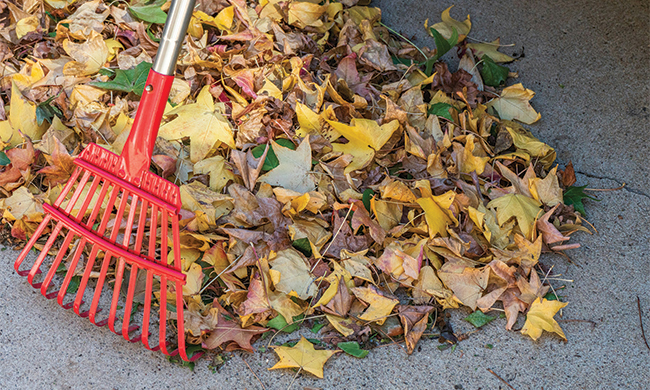
(Feature Impact) Many people associate fall yardwork with raking up the crispy, colorful leaves that have drifted down from surrounding trees. Don’t let that be the only task on your outdoor agenda, however, because this season is also an opportunity to improve the overall health of your lawn so it’s ready to thrive once spring arrives.
Start with these autumn lawn care tips:
- Continue Mowing
As long as the grass keeps growing, homeowners should keep mowing – with a couple of smart seasonal adjustments. First, lower the mower height for your final two cuts so the grass isn’t too tall going into winter. Second, instead of raking all the leaves up beforehand, think about leaving a layer on the lawn so the mower can shred them and effectively turn them into mulch, returning their nutrients to the soil.
- Fertilize the Lawn
Especially if you grow cool-weather grass varieties like rye or fescue, feeding your lawn can actually be most effective in the fall. Fertilizer helps nourish the roots of your grass, strengthening it through the winter and preparing it to grow lush and green in the spring and summer. Aim to feed it once in the beginning of the season then again 6-8 weeks later or according to the recommended schedule for your region.
- Battle Stubborn Weeds
If you’ve been dealing with perennial weeds throughout the summer, fall could mean your chance to get rid of them once and for all. Weeds absorb herbicides readily on days with moderate temperatures and moist soil, so this task might be well-timed after some autumn rain has fallen.
- Add Grass Seed to Thin Spots
Whether you have bare patches on your lawn or areas of thinning grass, fall is the best time to seed cool-season lawns. (Skip this tip if you live in the South and have a warm-season lawn.) At least six weeks before the first hard frost in your area, spread grass seed over the areas you want to replenish or thicken then keep the lawn consistently watered until it germinates. Aerating the soil first can help the seed take root.
Find more seasonal home and garden tips by visiting eLivingtoday.com.
Photo courtesy of Unsplash
SOURCE:
Lifestyle
7 Fire Prevention Tips to Protect Your Home and Community
7 Fire Prevention Tips: Fires can be devastating, but many of them are preventable with simple precautions and smart everyday choices. Consider these tips to reduce the risk of fires and keep your household, family and community safe.
7 Fire Prevention Tips to Protect Your Home and Community
(Feature Impact) In observance of National Fire Prevention Month, it’s a good time to review your fire safety habits at home and in your neighborhood. Fires can be devastating, but many of them are preventable with simple precautions and smart everyday choices.
Consider these tips to reduce the risk of fires and keep your household, family and community safe.
Test Your Smoke Alarms
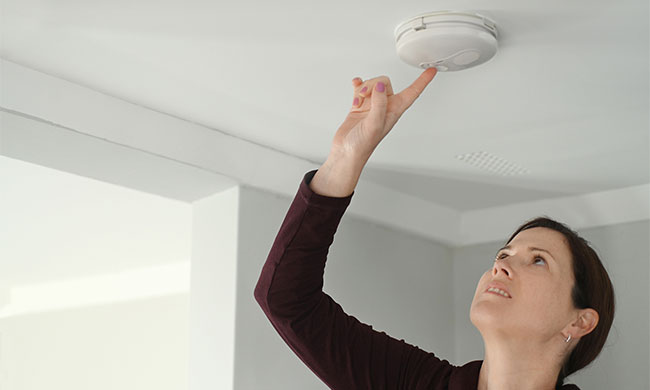
Smoke detectors are one of the simplest yet most important tools for protecting your home, loudly alerting you to potential danger at any time of the day or night. Test them monthly, follow manufacturer’s instructions for replacement and change batteries as needed.
Heat Your Home Safely
Depending on how you heat your home, there can be different hazards to remain aware of. Never leave fireplaces unattended when in use and have them inspected and maintained as recommended by a trained professional. If you use portable heaters, keep them at least three feet away from curtains, bedding, furniture and other flammable materials.
Prevent Electrical Fires
Frayed cords, damaged outlets or overloaded appliances can pose real danger to your home when they overheat or spark. Particularly if you live in an older home or have outdated appliances, keep an eye out for warning signs like tripped circuit breakers, malfunctioning devices or the smell of burning. If you’re concerned, have your system inspected by a qualified electrician.
Store Flammable Objects Carefully
Keeping matches and lighters out of reach of children is always a smart first step for household fire safety. Also follow safe storage practices for items like lighter fluid, propane, aerosol cans and other household products that could potentially ignite when exposed to heat or a stray spark.
Practice Smart Kitchen and Grill Habits
From sparks flying off the grill to hot oil forgotten in the frying pan, cooking is the leading cause of household fires. Stay attentive in the kitchen, never leave cooking food unattended and avoid setting combustible materials like paper plates or fabric towels too close to a stove or grill. Also keep your appliances cleaned and well-maintained.
Plan Your Escape Route
Fires can spread quickly, which is why it’s important for everyone in your household to know the plan (and backup plan) for safely exiting different areas of the house during an emergency. Decide on a specific meeting place outside and practice quick fire drills together to build muscle memory.
Observe Local Fire Safety Rules
Where you live determines what kinds of fire risks affect your community, so make sure you stay informed about local regulations. For instance, areas prone to drought or wildfire may have rules about outdoor burning, and local fire prevention ordinances may outline specific requirements for smoke alarms in your home.
Find more home safety tips at eLivingtoday.com.
Photo courtesy of Shutterstock
SOURCE:
eLivingtoday.com




