

Consumer Corner
7 Ways to Reduce Energy Bills During Summer Heat
The summer is when we see homeowners strategizing about how to keep their homes cool and comfortable while sticking to their household budgets,


(Family Features) With temperatures forecasted to run at least 2 degrees higher than historical averages across more than half the country, according to projections from AccuWeather, heat waves may lead to soaring air-conditioning bills this summer.
“The summer is when we see homeowners strategizing about how to keep their homes cool and comfortable while sticking to their household budgets,” said Michael Williford, HVAC service manager at Hiller Plumbing, Heating, Cooling & Electrical. “We work with customers to keep their current HVAC systems running smoothly or upgrade to more efficient systems, which can make a huge difference in their utility bills. In addition, there are many other ways homeowners can keep their energy costs down during the hot summer months.”
Consider these smart, practical, cost-cutting tips for dialing down your energy bills.
Service HVAC Systems Regularly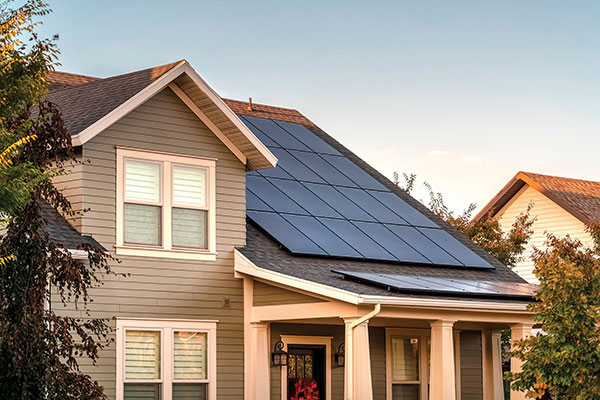 To ensure the best cooling performance and efficiency possible, find a licensed contractor to keep your heating and cooling system well-maintained and serviced throughout the year. There are some tasks many homeowners can handle on their own, like keeping outdoor units free of debris and changing air filters. However, bringing in a professional 1-2 times a year for maintenance and to ensure proper function of ductwork and electrical components is also essential.
Use Appliances During Non-Peak Hours
Rather than using stoves, ovens and clothing dryers in the afternoon hours, consider doing so early in the morning or late in the evening. Peak time for many electricity providers is noon-6 p.m., meaning using appliances that heat up your home outside of this timeframe when conventional heating and cooling systems are likely running full throttle can help lower energy costs.
Upgrade Your Systems to an Energy-Saving Heat Pump
The Inflation Reduction Act (IRA) incentivizes homeowners who opt for energy-efficient HVAC upgrades, including qualified heat pumps, which can boost seasonal energy efficiency ratios and increase efficiencies. For example, Mitsubishi Electric heat pumps provide more energy-efficient cooling that may equal cost and energy savings as well as a reduced carbon footprint for homeowners. These systems are equipped with inverter or variable-speed technology that allows systems to automatically ramp up or down the required amount of energy depending on the room’s capacity. Although annual savings vary, some homeowners can save as much as $1,000 per year by switching to an all-electric heat pump.
Fire Up the Grill
When temperatures soar, use the grill for cooking to help lower energy usage and save on air-conditioning costs. Alternatively, toaster ovens, air fryers and slow cookers use less energy than larger conventional stoves or ovens. Get creative by cooking a pizza in a chiminea or smoking favorite meats as alternatives to using your oven.
Stop Cooling Empty Rooms
One mistake many homeowners make is forgetting to adjust their temperature settings when leaving the house. Whether you’re headed to the beach for the weekend or just headed to work for the day, blasting the air conditioner in an empty house can result in unnecessarily high utility bills. Multi-zone, all-electric heat pumps like those from Mitsubishi Electric allow homeowners to set the comfort level and adjust the temperature in each room, so you don’t have to waste energy cooling unoccupied rooms. With a smartphone app, you can even adjust the settings remotely.
Install a Smart Electric Panel
Installing a smart electrical panel alongside an all-electric heat pump enables homeowners to monitor and control energy consumption on-site or remotely using a smartphone for better overall efficiency and utility cost savings.
Harness the Sun’s Energy with Solar Panels
According to the Office of Energy Efficiency & Renewable Energy, the amount of sunlight that strikes the Earth’s surface in 90 minutes could power the world’s total energy usage for a full year. Investing in solar panels can help decrease energy bills and increase your home’s sustainability. Additionally, some utility providers and government entities, including the IRA, offer incentives to help reduce installation costs. Plus, solar-sourced power pairs well with all-climate heat pumps, which require minimal electricity to operate.
Find more ideas to dial down energy usage (and bills) this summer at MitsubishiComfort.com.
Photos courtesy of Shutterstock
SOURCE:
Mitsubishi Electric
https://stmdailynews.com/category/consumer-corner



6 Ways to Create a More Sustainable Bathroom
(Feature Impact) Conserving water, energy and resources is key to running an environmentally friendly household, and one of the best places to start is your bathroom. As one of the most frequently used rooms in the house, it’s a small space that makes a big difference. Every flush, shower, twist of the tap and restock of restroom essentials is an opportunity to manage your ecological footprint.
The good news is you don’t need a full-scale remodel to make your bathroom more efficient. Small changes to daily habits, routine maintenance and upgraded plumbing fixtures can all have a valuable impact. By making thoughtful choices at home now, you can protect your community’s freshwater supplies, consume less energy and help create a more sustainable future.
For useful ways to save water, conserve energy and reduce waste, consider these tips from the bathroom design and sustainability experts at TOTO.
Fix Leaks Before They Waste More Water
From dripping faucets to worn toilet flappers, small leaks can quickly add up. In fact, according to the EPA, the average household wastes approximately 9,400 gallons of water each year due to leaks. That can mean money going down the drain, too: If you notice your water bill is increasing and can’t figure out why, a hidden leak could be responsible.
To test whether your toilet has a silent leak, try adding a dye tablet or a few drops of food coloring to the tank. If color seeps into the bowl before you’ve flushed (usually within 10 minutes), it likely means an issue with the flapper. Many leaks are easy fixes, but a trained plumbing professional can give you more specific guidance.

Choose Water-Efficient Fixtures
Upgrading your plumbing fixtures can make an immediate difference, particularly when you choose EPA WaterSense-labeled models designed to save water without sacrificing performance. The water-efficiency specialists at TOTO helped shape the product-performance standards for the program, which turns 20 this year.
Its toilets pair elegant design with water-saving performance and no compromises on power. They are designed to use either 1.0 or 1.28 gallons per flush (GPF), representing water savings of 37.5% or 20%, respectively, compared with the federal standard of 1.6 GPF. Whether you’re looking for the Aurora’s elegant sculptural design, the Redington’s clean architectural lines or the Glaston’s timeless two-piece look, each model features powerful, gravity-driven flush performance and an ultrasmooth ceramic bowl glaze for easy cleaning, all while using less water.
Cut Paper and Single-Use Waste
Next time you’re ready to restock your bathroom cabinets, consider some simple eco-friendly product swaps. Look for toilet tissue made with recycled or sustainable materials or consider adding a bidet to reduce paper use – and never flush anything except toilet paper, even wipes labeled “flushable.” Instead of buying soap and personal care products in single-use packaging, you can lower your plastic consumption by choosing refillable containers. When possible, opt for a stash of washable cloths for cleaning rather than relying on disposable wipes and paper towels.
Take Shorter Showers and Make Every Gallon Count
Spending less time in the shower is one of the most impactful things one person can do to save water. Showering accounts for nearly 17% of residential indoor water use, according to the EPA, and if you prefer warm showers, that also means using energy to heat the water.
Make a habit of staying in the shower long enough to complete your routine but not lingering beyond that. To make each minute more water-efficient, consider upgrading to TOTO’s 2-Mode Showerhead, available in stylish round and square designs. Its efficient 1.75 GPM flow is paired with Comfort Wave for a stimulating experience and Warm Spa for soothing, enveloping warmth. You can also save water by turning off the tap while you lather with soap and shampoo, a technique sometimes referred to as a “Navy shower.”
Ventilate Efficiently to Control Moisture
Keeping your bathroom and the rest of your home in good condition relies in large part on controlling moisture and humidity. Use exhaust fans to vent moist air outside – not just into an attic or another enclosed space where it can cause damage, rot or mold. You can also use smart home features like humidity sensors and timers to control ventilation without running the fan longer than necessary.
Maintain Fixtures for a Longer Life
By taking good care of your bathroom fixtures, you can extend their longevity, thereby saving resources compared to replacing them more frequently. Follow manufacturers’ care instructions for cleaning and maintenance, avoiding abrasive cleaners that may wear away finishes. Aim to proactively remove any mineral buildup on faucets and showerheads, since it can reduce water flow and prematurely age your fixtures.
Keep an eye on serviceable components that tend to wear out – such as seals, faucet cartridges and toilet fill components – and see if you can fix or replace them individually first. When the time comes to upgrade toilets, sinks and showers, choose high-quality options you’ll be happy to have in your home for years to come.
Learn more about sustainable bathroom fixtures at TotoUSA.com.
SOURCE:
home gardening
Beyond the Leaf Pile: 4 Tips for Autumn Lawn Care
4 Tips for Autumn Lawn Care: Many people associate fall yardwork with raking up the crispy, colorful leaves that have drifted down from surrounding trees. Don’t let that be the only task on your outdoor agenda, however, because this season is also an opportunity to improve the overall health of your lawn so it’s ready to thrive once spring arrives.
Beyond the Leaf Pile: 4 Tips for Autumn Lawn Care
(Feature Impact) Many people associate fall yardwork with raking up the crispy, colorful leaves that have drifted down from surrounding trees. Don’t let that be the only task on your outdoor agenda, however, because this season is also an opportunity to improve the overall health of your lawn so it’s ready to thrive once spring arrives.
Start with these autumn lawn care tips:
- Continue Mowing
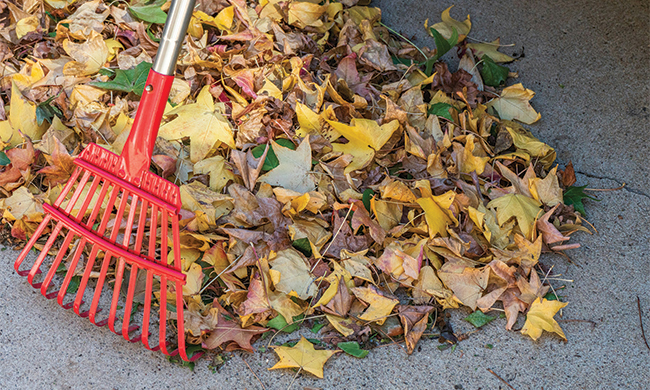
As long as the grass keeps growing, homeowners should keep mowing – with a couple of smart seasonal adjustments. First, lower the mower height for your final two cuts so the grass isn’t too tall going into winter. Second, instead of raking all the leaves up beforehand, think about leaving a layer on the lawn so the mower can shred them and effectively turn them into mulch, returning their nutrients to the soil.
- Fertilize the Lawn
Especially if you grow cool-weather grass varieties like rye or fescue, feeding your lawn can actually be most effective in the fall. Fertilizer helps nourish the roots of your grass, strengthening it through the winter and preparing it to grow lush and green in the spring and summer. Aim to feed it once in the beginning of the season then again 6-8 weeks later or according to the recommended schedule for your region.
- Battle Stubborn Weeds
If you’ve been dealing with perennial weeds throughout the summer, fall could mean your chance to get rid of them once and for all. Weeds absorb herbicides readily on days with moderate temperatures and moist soil, so this task might be well-timed after some autumn rain has fallen.
- Add Grass Seed to Thin Spots
Whether you have bare patches on your lawn or areas of thinning grass, fall is the best time to seed cool-season lawns. (Skip this tip if you live in the South and have a warm-season lawn.) At least six weeks before the first hard frost in your area, spread grass seed over the areas you want to replenish or thicken then keep the lawn consistently watered until it germinates. Aerating the soil first can help the seed take root.
Find more seasonal home and garden tips by visiting eLivingtoday.com.
Photo courtesy of Unsplash
SOURCE:
Automotive
Hyundai Unveils All-New Tucson With Bold New Look, Smarter Hybrid Tech
Hyundai has unveiled the all-new Tucson, bringing bolder styling, a next-generation hybrid targeting up to 42 mpg, AI-powered infotainment and the rugged new XRT PRO.
Hyundai’s popular compact SUV gets a major makeover with a targeted 42 mpg hybrid, AI-powered infotainment and a more adventurous XRT PRO model.
Hyundai is preparing the Tucson for its next chapter, unveiling an all-new version of its popular SUV with a dramatically revised design, next-generation hybrid technology and a new digital experience built around artificial intelligence.
Hyundai Motor Company introduced the all-new Tucson in New York City against the Manhattan skyline, calling the redesigned model its “boldest SUV” yet.
For buyers, however, the bigger story may be what lies beneath the new styling. Hyundai is combining improved hybrid efficiency, more advanced infotainment and additional off-road capability in an effort to make the Tucson equally comfortable handling weekday commuting, family duty and weekend adventures.
A Bolder Tucson Takes Shape
The new Tucson adopts Hyundai’s “Art of Steel” design philosophy, giving the SUV a more muscular and purposeful appearance.
Rather than simply updating the outgoing Tucson, Hyundai appears to be pushing the model toward a stronger SUV identity while maintaining the everyday practicality that has helped make the Tucson one of the company’s most important global vehicles.
The new exterior is complemented by a redesigned cabin emphasizing space, storage and easier-to-use controls. Hyundai says the interior includes flexible storage solutions and available relaxation features designed to make longer trips more comfortable.
That combination could be important in a compact SUV segment where shoppers increasingly expect vehicles to serve several roles at once — commuter, family vehicle, road-trip machine and recreational vehicle.
Hybrid Targets Up to 42 MPG
One of the most significant changes is Hyundai’s Next-generation Hybrid System.
Hyundai says the new system is targeting fuel economy of up to 42 mpg, while also attempting to preserve responsive driving performance.
If that target carries through to production specifications and official fuel-economy testing, it could make the Tucson Hybrid particularly attractive to drivers who want SUV practicality without moving to a fully electric vehicle.
The strategy also reflects a broader automotive trend. Hybrids have increasingly become an important middle ground for consumers looking to reduce fuel consumption without changing their driving and charging habits.
Final EPA fuel-economy figures and U.S.-market specifications will ultimately determine how the new Tucson compares with its competitors.
Pleos Connect Brings AI Into the Cabin
Technology is another major focus of the redesign.
The Tucson introduces Hyundai’s Pleos Connect next-generation infotainment platform, which incorporates Gleo AI, an expanding app marketplace and a redesigned user interface.
Hyundai describes Pleos Connect as an evolving digital platform rather than simply a conventional infotainment system.
That could allow the Tucson’s capabilities to expand over time as software, applications and connected services develop.
The important question for drivers will be whether all that technology actually makes everyday tasks easier. Automakers continue adding increasingly sophisticated screens and software to their vehicles, but intuitive controls and minimal driver distraction remain just as important as the number of available features.
Tucson XRT PRO Heads Further Off the Pavement
Hyundai is also expanding the Tucson’s adventurous side with the introduction of the Tucson XRT PRO.
The more rugged model adds enhanced off-road technologies, including Hyundai’s first Smart Terrain Assist, or STA.
The system is designed to help the vehicle adapt to changing terrain and provide drivers with additional confidence when leaving paved roads.
The XRT PRO could broaden the Tucson’s appeal among buyers who like the practicality of a compact crossover but want more capability for camping, outdoor recreation and light off-road travel.
More detailed specifications will help determine just how far the XRT PRO moves beyond the appearance-oriented adventure packages commonly offered in the compact SUV market.
A Major Vehicle in Hyundai’s Bigger Product Push
The importance of the new Tucson extends beyond a single model.
“Millions of families around the world count on the Hyundai TUCSON, and this is the best one we have ever built,” Hyundai Motor Company President and CEO José Muñoz said during the announcement.
Muñoz also said the Tucson begins what Hyundai describes as the most ambitious product offensive in its history.
The automaker plans to introduce more than 100 new or refreshed vehicles globally by 2030, including 58 in North America.
That makes the Tucson something of an opening act for Hyundai’s next generation of vehicles.
The Tucson Enters Its Next Era
Compact SUVs remain some of the most versatile vehicles on the market, and Hyundai appears determined to keep the Tucson competitive by improving several areas simultaneously rather than relying on styling alone.
A targeted 42-mpg hybrid powertrain could appeal to fuel-conscious drivers. Pleos Connect and Gleo AI represent Hyundai’s push toward increasingly software-driven vehicles. Meanwhile, the new XRT PRO gives the Tucson lineup a more adventurous option.
There are still important details to come, including complete U.S. specifications, EPA-certified fuel economy, trim levels, pricing and availability.
But Hyundai’s message is already clear: the next Tucson is intended to be more than a routine redesign.
It is being positioned as a showcase for where Hyundai believes the modern SUV is headed — bolder in appearance, smarter inside and more efficient underneath.
Source: Hyundai Motor Company. Specifications and fuel-economy figures discussed by Hyundai are preliminary and may vary by market. Final U.S. specifications and EPA ratings may differ.
Sources & Related Links
- Hyundai Motor Company — Official All-New Tucson Announcement
Hyundai’s original newsroom announcement covering the redesign, next-generation hybrid system, Pleos Connect, Gleo AI and Tucson XRT PRO. Hyundai
Hyundai Motor: All-New Tucson Official Announcement - Hyundai — All-New Tucson Highlights
Official product page with more detail on the “Art of Steel” design, Pleos Connect, 17-inch display, app marketplace, hybrid technology and XRT PRO. Hyundai
Explore the All-New Tucson - Hyundai USA — Tucson
Hyundai’s U.S. consumer page for Tucson information, specifications, trims and future model updates.
Hyundai USA: Tucson - PR Newswire — All-New Hyundai Tucson Press Release
The syndicated release announcing the new Tucson and Hyundai’s target of up to 42 mpg for its next-generation hybrid system. PR Newswire
Read the Original PR Newswire Release - Car and Driver — 2027 Hyundai Tucson
Independent coverage with additional U.S.-market specifications, including powertrain, interior, cargo and XRT Pro information. Car and Driver
Car and Driver: 2027 Hyundai Tucson Details - Road & Track — 2027 Hyundai Tucson
Additional independent coverage of the Tucson redesign, hybrid powertrain, Pleos Connect and XRT Pro off-road features. Road & Track
Road & Track: New Hyundai Tucson Details





