

home gardening
4 Tips to Plan a Bountiful Garden

Last Updated on February 27, 2026 by Daily News Staff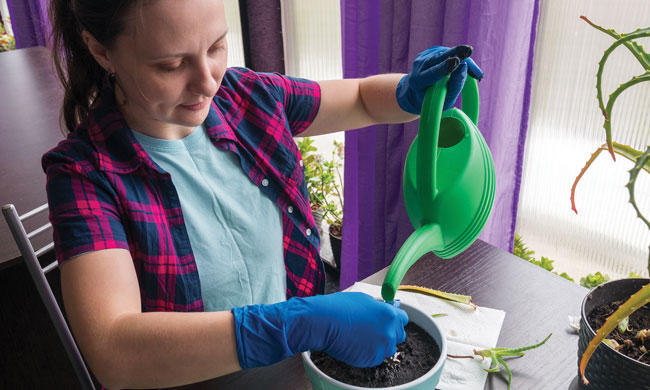
4 Tips to Plan a Bountiful Garden
(Family Features) Whether you’re a novice just learning to cultivate a magical display or an avid gardener with years of experience, early planning can help bring this year’s garden to life.
These simple tips can help you start planning, and before you know it, you can start putting your plans into action.
Assess your environment. Determine what factors may aid or hinder your garden’s success. What do you know about the soil? Lighting? Exposure to threats such as hungry or curious wildlife? Uncovering potential roadblocks early can help you identify potential solutions or alternatives that may help you bypass issues altogether.
Create a mental image. Look through seed catalogs, magazines and books, and browse the internet for inspiration. Vibrant colors and textures are the hallmarks of a beautiful spring garden, but spend time learning exactly what appeals to you most. Take notes, particularly as you identify new species you may want to introduce. You’ll need to do additional research to ensure their growing requirements are consistent with your environment.
Put it to paper. Transferring your vision to paper can help you plan appropriately and ensure you’re not overfilling or leaving unsightly gaps in your garden. Understanding where each plant will go and how much each needs to flourish before you turn a spade of soil can help make planting a breeze. Remember it is easier to change your mind with a pen and paper in hand than with fragile vegetation.
Create a calendar. Timing is critical to maximizing the time you are able to enjoy your garden. Understand the growing season for each plant and map it all out on a calendar so you can stagger when new varieties emerge and keep your garden active and thriving. Be sure to give yourself some wiggle room for unforeseen circumstances, such as weather, that may prevent you from planting exactly as you’ve planned.
For more tips to safely begin planting, visit eLivingtoday.com.
Photo courtesy of Unsplash
SOURCE:
Family Features




home gardening
Fall Tree Planting: Expert Guidance for Optimal Growth
Fall Tree Planting: Fall is the perfect season to celebrate trees as they transform the world into vibrant shades of red, orange, green and gold. You can do more than just admire existing trees – because in many areas, fall is also an ideal time to plant new ones.
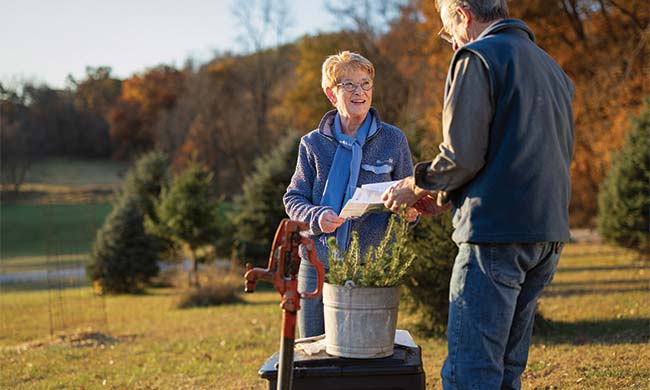
Fall Tree Planting: Expert Guidance for Optimal Growth
(Feature Impact) Fall is the perfect season to celebrate trees as they transform the world into vibrant shades of red, orange, green and gold. You can do more than just admire existing trees – because in many areas, fall is also an ideal time to plant new ones.
While spring is often seen as peak planting season, experts say cooler weather and autumn rains provide ideal conditions for seedlings to retain moisture and establish their root systems gradually before winter dormancy, improving their future ability to adjust to summer heat and drier conditions.
According to the Arbor Day Foundation, planting trees offers many benefits for the planet, wildlife and humans alike. From an environmental perspective, they help filter air and water, remove pollutants from the soil, slow storm surge and nurture biodiversity. Plus, access to nature can reduce stress and increase opportunities for outdoor recreation, improving overall health and well-being in your community.
This autumn, use these expert tips from Eric North, program manager of urban forestry and ISA-certified arborist at the Arbor Day Foundation, to plan your fall tree planting and add a few new hues to your local landscapes.
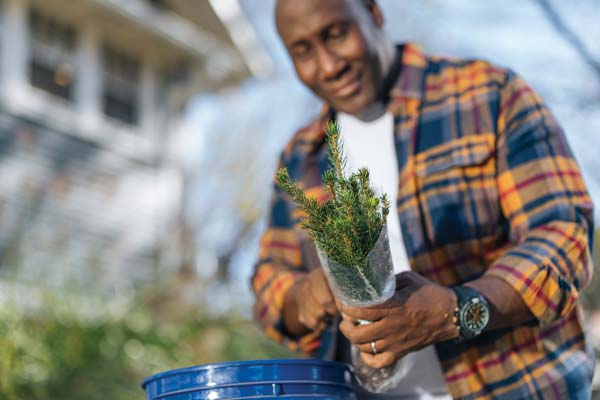
Choose the Right Tree
Setting your trees up for success starts with choosing the right species. Before ordering seedlings, take time to identify species that are well-suited to your local climate, soil conditions and planting site. Also consider the tree’s mature height and how far the canopy will spread – it won’t stay small forever, so make sure you can give it space to grow.
Think About Timing
Although you can technically plant trees until the soil is too frozen to dig a hole, it’s best to schedule your fall tree planting at least six weeks before the ground freezes so the seedlings have time to adapt before winter. If you’re unable to plant your trees immediately after getting them, you can store them in a cool, dry place, making sure the roots stay damp, for up to five days before putting them in the ground.
Don’t Dig Too Deep
A tree planted too deep may develop root and trunk problems that can affect its long-term health. Instead of digging deep, go wide to encourage roots to spread outward. Dig a hole roughly 3-4 times wider than the root system but no deeper than the root itself. When you put the tree in the hole, the root flare (where the trunk meets the roots) should sit level with the soil or slightly above it.
Mulch with Care
Adding 2-3 inches of mulch in a layer around the base of the tree can help insulate the soil and roots, retain moisture and suppress weeds. However, be careful to keep the mulch a few inches away from the trunk itself so you don’t create a “mulch volcano” that traps moisture against the bark.
Water Frequently
Cozy autumn rainstorms might share some of the workload here, but when the forecast looks clear, it’s up to you to water your newly planted seedlings. Keeping the soil consistently moist allows a young tree’s roots to stay hydrated and continue growing. Precise care instructions will depend on the type of tree and your location but expect to thoroughly water your trees about once a week until the ground freezes.
Protect Against Wildlife
Small trees are vulnerable to damage from local wildlife like deer and rabbits, who may chew on bark or snap fragile branches. Installing a protective fence or breathable tree guard can help safeguard trees until they’re older and more capable of withstanding scavenging from hungry critters.
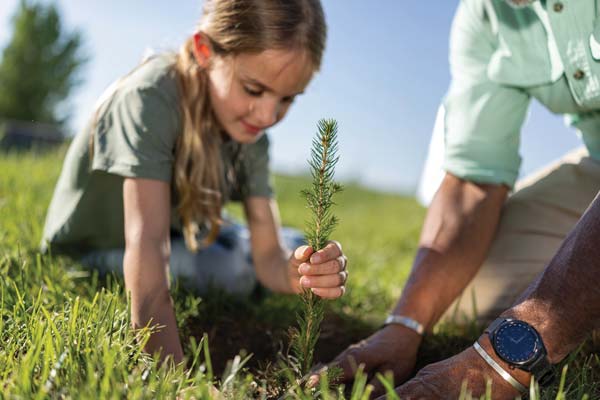
Join the Cause with Trees
Research from the Arbor Day Foundation’s Canopy Report shows most Americans want to live in neighborhoods with more trees, but only a minority report having planted a tree in the past year. However, if you’re feeling inspired to plant trees in your yard this fall, the organization is ready to help.
New members who join during the nonprofit organization’s fall membership drive will receive 10 free trees suitable for their region, along with clear instructions on how to plant and care for them. Whether you’re a first-time planter or a seasoned friend of the forest, you’ll receive ongoing support to ensure success in your efforts to grow a greener world.
“People understand how important trees are for their communities, their health and the environment,” said Dan Lambe, chief executive of the Arbor Day Foundation. “Many just need a simple way to get started. Our fall membership drive puts trees directly into people’s hands and gives them the confidence to plant trees successfully.”
The foundation has engaged tree planters in more than 90% of all American neighborhoods, thanks in large part to the organization’s membership drives each planting season. This fall, more than 2 million new trees are expected to be distributed.
To sign up and choose your 10 free trees, visit Arborday.org/GetTrees, where you can also find additional advice on tree planting, care and more.

SOURCE:
🏡 Planning your next home project? Explore expert tips, DIY ideas, product reviews, and the latest home improvement news in Consumer Corner. Share your experiences in the comments and subscribe to the STM Daily News newsletter for practical advice and fresh inspiration delivered straight to your inbox.
Consumer Corner
5 Simple Snake Prevention Tips
Check out these snake prevention tips to reduce the possibility of unwanted reptilian encounters on your property.
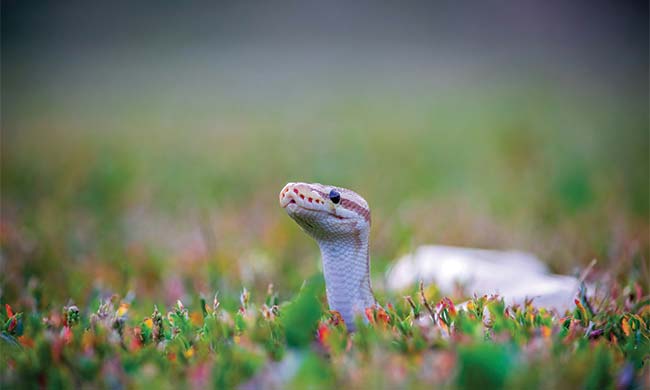
5 Simple Snake Prevention Tips
(Feature Impact) Summer is peak snake season, so if you’ve recently gotten jump-scared while gardening or walking up your porch steps, you’re not alone. Typically, snakes aren’t slithering around looking for someone to bite – they’re often searching for food, water and shelter, and the vast majority (97% in the U.S.) aren’t venomous. Even if the risks of any real danger are low, though, you probably have no desire to share your shelter or yard with any slithering housemates.
Check out these snake prevention tips to reduce the possibility of unwanted reptilian encounters on your property.
Tidy Up Your Yard
If there’s one thing snakes love, it’s overgrown vegetation. Tall grass, piles of leaves and unkempt landscaping offer cool, sheltered hiding places for snakes and other pests. By keeping your lawn mowed, shrubs trimmed and garden weeded, you immediately make your yard less attractive to snakes and other pests.
Seal Exterior Cracks and Gaps
Seeing a snake outside your home is one thing but inside is a whole new level of startling. Conduct a thorough inspection of your house’s foundation to look for holes or cracks where uninvited guests may be able to infiltrate. Batten down the hatches by sealing these up and installing sturdy mesh over other openings like vents and crawl spaces.
Control Rodent Populations
Households with a mice or rat problem are also susceptible to predators that like to eat rodents. Addressing the first issue removes a major food source for snakes around your property and makes them less likely to hang around.
Don’t Leave Food Around
Speaking of food sources, if you have bird feeders or have other animals you feed outdoors, store your supplies in sealed containers. When you host outdoor gatherings, clean up promptly so crumbs and spills don’t attract insects and rodents (and in turn, snakes). Promptly gather any fallen fruit from trees on your property as well.
Practice Snake Safety
It never hurts to exercise a little extra caution when you’re spending time in places where you might encounter snakes. Stay alert when pulling equipment out of sheds, going elbow-deep in garden weeds, walking around in the dark or moving piles of wood, rocks or debris. Educate family members, especially kids, on what to do if they see a snake: stay calm, don’t provoke it, give it space and tell someone.
If you’re experiencing recurring snake sightings or issues on your property, it might be worth calling a professional. A wildlife removal or pest control specialist can look around your home and give you more specialized guidance on how to keep your spaces safe and snake-free. Visit eLivingtoday.com for additional home and garden guidance.
Photo courtesy of Unsplash

SOURCE:
🏡 Planning your next home project? Explore expert tips, DIY ideas, product reviews, and the latest home improvement news in Consumer Corner. Share your experiences in the comments and subscribe to the STM Daily News newsletter for practical advice and fresh inspiration delivered straight to your inbox.
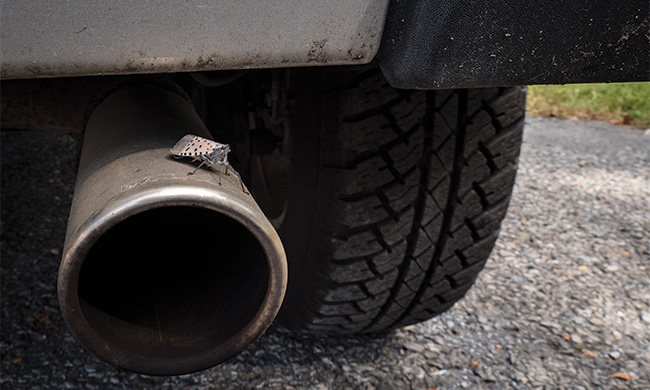
How Invasive Pests Spread and How You Can Help Stop Them
(Feature Impact) Invasive pests can hide in places you’d never expect, and once they spread, they can destroy the trees, plants and food people rely on every day. These pests pose a serious threat to agriculture, forests, ecosystems and the food supply. Many invasive species cannot travel far on their own; instead people unknowingly move them from place to place.
According to the U.S. Department of Agriculture’s Animal and Plant Health Inspection Service, invasive pests hitchhike on everyday items such as plants, produce, firewood, vehicles and outdoor equipment. That makes many common activities – from traveling and online shopping to camping and gardening – potential “pathways” for invasive pests to move and reach new areas. Understanding these pathways is the first step to stopping pests before they spread.
Traveling Abroad
When you travel abroad and return from another country, the agricultural items you bring back can introduce new invasive pests into the U.S. and threaten crops or trees that have no natural defenses against them. Even harmless-looking fruit, seed packets or souvenirs made with plant materials can carry pests such as fruit flies and diseases like citrus canker. That’s why it’s critical travelers declare food, plants and other agricultural products when entering the country from abroad.
Shopping Online
Just because you can order seeds and plants from sellers around the world, it doesn’t mean those items are legal or safe to import. In fact, some invasive snails and plant diseases have entered the U.S. this way. Many agricultural products from overseas require permits, inspections or special paperwork before they can enter the country. Buyers should check where an item ships from, learn the import requirements before purchasing and make sure sellers follow all labeling and shipping rules.
 Partaking in Outdoor Activities
When you spend time outdoors hiking, camping, hunting or fishing, you could inadvertently spread invasive species. For example, transporting firewood from one location to another can spread tree-killing insects, such as the emerald ash borer, which can live inside the wood and emerge later in a new area. The safest choice is to buy or use firewood where you burn it. Additionally, clean all outdoor clothing, gear, equipment and vehicles before leaving an area.
Moving Outdoor Equipment
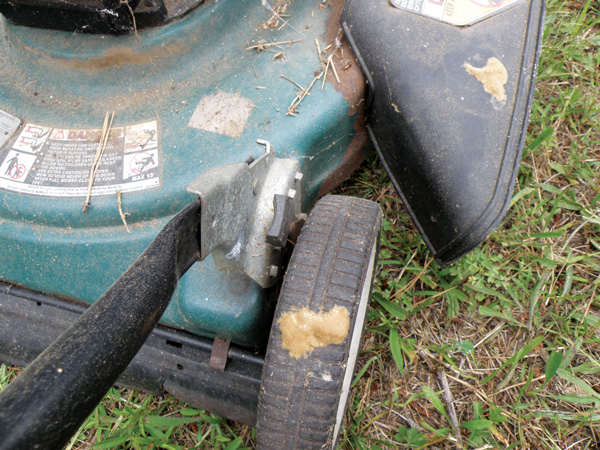
When you move to a new home, your move can create another opportunity for invasive insects to travel. Before relocating patio furniture, grills, trailers or lawn equipment, inspect and clean them carefully. Look for insects, plant debris and egg masses like spotted lanternfly egg masses, which can blend into outdoor surfaces and look like smears of mud or clumps of dirt. A few minutes of checking and cleaning before you move can help prevent pests from invading your new neighborhood.
Invasive pests cost the U.S. billions of dollars every year and damage forests, farms, parks and backyards. Stopping invasive pests starts with simple steps anyone can take: checking what you pack, clean, move and buy. When everyone does their part, fewer pests spread and communities stay healthier and more resilient.
Visit aphis.usda.gov/hungrypests to learn more about how invasive pests spread and the simple steps you can take to help stop them and protect America’s agriculture and natural resources.
Invasive Pest Protection Checklist
- Declare all food, plants and agricultural items when returning from another country.
- When ordering items online, check where the products ship from and verify U.S. import rules before buying.
- If you’re camping, buy firewood where you plan to burn it. Clean clothing, gear and vehicles before leaving.
- Before moving to a new home, inspect outdoor furniture and equipment, looking closely for egg masses or insects.
Content courtesy of USDA.

SOURCE:
United States Department of Agriculture
📰 Enjoying STM Daily News? Join the conversation!
💬 Leave a comment, share your thoughts, and subscribe to our newsletter for the latest stories, updates, and “News You Can Use This Moment!” delivered to your inbox.
Stay connected with STM Daily News!





