

Child Health
Using Machine Learning to Make Ventilator Support Safer for Children

Last Updated on September 6, 2025 by Daily News Staff

Robinder Khemani, MD, MsCI, Attending Physician in Pediatric Intensive Care at Children’s Hospital Los Angeles has received a $3.4 million grant from the National Institute of Health to examine to improve outcomes of children put on ventilators.
« Using Machine Learning to Make Ventilator Support Safer for Children
Newswise — LOS ANGELES — Critically ill children on ventilator support can experience a mismatch between their breathing efforts and) the rhythm delivered by the ventilator. This mismatch, called patient-ventilator asynchrony (PVA), is difficult to detect and can worsen patient outcomes. PVA is commonly associated with longer stays on a ventilator for adults and can raise the risks of infection, lung injury and brain damage. However, little is known about PVA in children, where it could be just as, if not more, common. Robinder Khemani, MD, MsCI, Attending Physician in Pediatric Intensive Care at Children’s Hospital Los Angeles, is using machine learning to improve the outcomes of children put on ventilators.
A CHLA research team led by Dr. Khemani has received a $3.4 million grant from the National Institutes of Health to examine the frequency and risk factors for common types of PVA in critically ill children. Working with hospitals in Canada and the Netherlands, the researchers will investigate whether PVA is independently associated with poor clinical outcomes and determine the effects on the body when breathing doesn’t match the flow of air provided by the ventilator.
Children can need ventilator support for multiple reasons, including severe pneumonia or acute respiratory distress syndrome (ARDS), when infection or trauma causes swelling, inflammation and fluid buildup in the lungs. The body’s response to the initial injury can harm the lungs even more than the infection or trauma itself.
“Many of these very sick patients can develop unexpected complications from the very procedures that we use to help them,” says Dr. Khemani. Ventilator-induced lung injury can lead to heart and kidney damage, or can increase vulnerability to future lung disease, asthma or sleep-disordered breathing.
“Brain function can also be impaired by all the medications, anesthetics and sedation patients receive to help them to tolerate the ventilator,” says Dr. Khemani. “We weigh the risks and benefits to minimize potential harms and hopefully get them off the ventilator as soon as they are ready.”
Measuring patient-ventilator mismatch
“There are many types of PVA, but we still don’t know which PVA subtypes are most harmful or are the most frequent,” says Dr. Khemani. “We need to develop a common set of definitions and measurements, especially for pediatric patients.”
Mismatches between patient breathing and the rhythm the ventilator provides can occur in different ways, as children’s breathing varies according to their weight, size and age. Respiration patterns can also change during the course of a child’s stay in the pediatric intensive care unit. But existing studies use different definitions for PVA subtypes and no study so far has been large enough to evaluate the relationship between different types of PVA and patient outcomes, or has yet focused on the highest-risk patients.
Automating ventilator-patient breathing
“It takes a very highly trained human to recognize PVA,” says Dr. Khemani. “But computers can do this very well. Our colleagues at the Virtual Pediatric Intensive Care Unit (vPICU) here at CHLA have been working with us on this project for a few years and have developed machine-learning algorithms that can identify different types of breathing asynchronies in children on ventilators.”
The study team will collect measurements from 200 children and combine this data with the analysis of 350 children in other studies, including a clinical trial that is testing a novel ventilator strategy. “By the end of this project, we hope to have developed these algorithms and validate that they work in three different hospitals using data from many different children,” says Dr. Khemani. “Simultaneously we will build a tool to automatically detect PVA by analyzing ventilator data through machine-learning algorithms. We will test how well the tool helps providers to identify the minute-to-minute changes in patients and potentially alert the bedside team that an adjustment to the ventilator may be needed.”
To minimize the risks of ventilator support, medical teams want to keep patients participating in breathing for themselves as much as possible. “So that’s where this study really comes into play, by constantly tracking the interaction between the child and the ventilator to ask if the ventilator is supplying just the right amount of help, precisely when needed,” says Dr. Khemani.
About Children’s Hospital Los Angeles
Founded in 1901, Children’s Hospital Los Angeles is the largest provider of hospital care for children in California. Renowned pediatric experts work together across disciplines to deliver inclusive and compassionate health care to one of the world’s most diverse populations, driving advances that set child health standards across the nation and around the globe. With a mission to create hope and build healthier futures for children, the hospital consistently ranks in the top 10 in the nation, No. 1 in California and No. 1 in the Pacific U.S. region on U.S. News & World Report’s Honor Roll of Best Children’s Hospitals. The Saban Research Institute of Children’s Hospital Los Angeles supports the full continuum of child health research and is among the top 10 pediatric academic medical centers for National Institutes of Health funding, meaning physicians and scientists translate discoveries into treatments and bring answers to families faster. Home to one of the largest pediatric training programs in the United States, Children’s Hospital Los Angeles graduates a new class of physicians each year who have learned world-class children’s health care at the forefront of medicine. And as an anchor institution, the hospital strengthens the economic health of surrounding communities by fighting food insecurity, enhancing health education and literacy, and introducing early careerists to health care. To learn more, follow us on Facebook, Instagram, LinkedIn, YouTube and Twitter, and visit our blog at CHLA.org/blog.
Source: Children’s Hospital Los Angeles


Child Health
How One Sweet Fruit Packs a Powerful Nutritional Punch
As conversations around nutrient-dense eating continue to grow, fresh fruit has become one of the simplest ways to add naturally occurring vitamins and minerals to everyday routines. One easy place to start is this Nut Butter and Kiwifruit Toast, which combines wholesome ingredients with the sweet tropical flavor of kiwifruit (sweet fruit) for a satisfying breakfast, snack or light meal.
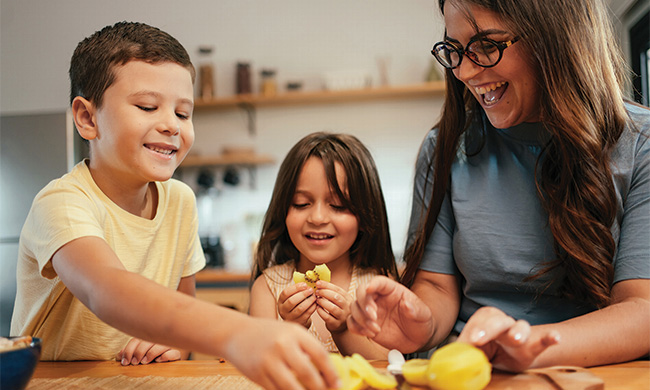
How One Sweet Fruit Packs a Powerful Nutritional Punch
(Feature Impact) Consumers today are looking for foods that do more than simply taste good; they want foods that deliver nutrition in every bite. As conversations around nutrient-dense eating continue to grow, fresh fruit has become one of the simplest ways to add naturally occurring vitamins and minerals to everyday routines.
Kiwifruit is a standout example. According to the International Fresh Produce Association, kiwifruit climbed to No. 14 among the nation’s top-selling fresh fruits with household purchasing increasing 20%. What’s more, it’s now the fastest-growing fruit in the fruit bowl as more shoppers discover its unique combination of exceptional nutrition and naturally sweet flavor.
That success story has been more than a century in the making.
From Ancient Origins to Modern Favorite
Although many people associate kiwifruit with New Zealand, its story began in China’s Yangtze River Valley. In 1904, New Zealand educator Isabel Fraser returned home from China with green kiwifruit seeds, which she passed along to horticulturist Alexander Allison. Over the following decades, growers cultivated and refined the fruit, helping establish New Zealand as the world’s leading kiwifruit producer.
By the 1990s, years of natural breeding and cross-pollination led to the development of the first commercially successful yellow-fleshed kiwifruit, offering consumers a sweeter flavor and vibrant golden flesh. When a devastating vine disease threatened orchards worldwide in 2010, continued breeding innovation led to the development of Zespri SunGold Kiwifruit – a resilient variety with smooth skin, juicy golden flesh and a tropical-sweet flavor that helped revitalize the category.
Jam-Packed With Nutrition
Today, kiwifruit is recognized as one of the most nutrient-dense fruits available, making it an easy choice for people looking to get more nutritional value from the foods they eat. They provide more than 10 vitamins and minerals in every serving, including vitamin C to contribute to the normal function of the immune system, folate to support healthy cell growth and development and vitamin E to help protect cells from everyday damage.
“When people think about eating healthier, they often assume it has to be complicated,” registered dietitian Nisha Melvani said. “I encourage people to start with simple, whole foods that naturally deliver a variety of nutrients. Zespri SunGold Kiwifruit is an easy choice because it provides more than 10 vitamins and minerals, including 100% of your daily vitamin C needs, in one delicious fruit that fits seamlessly into breakfast, snacks or even dessert.”
From Orchard to Everyday Favorite
As more consumers embrace whole foods over complicated nutrition trends, kiwis are finding their way into everyday routines – and pop culture. Creators including Emma Chamberlain and musician Josh Conway have highlighted the fruit as part of their daily snacking habits, while “Good Housekeeping” featured golden kiwifruit in its 2025 Best Produce Snacks of the Year, highlighting its naturally sweet flavor, juicy texture and broad appeal.
Whether enjoyed on its own, added to smoothies, layered onto yogurt or incorporated into savory dishes, kiwifruit offers a simple, delicious way to enjoy more nutrition throughout the day. One easy place to start is this Nut Butter and Kiwifruit Toast, which combines wholesome ingredients with the sweet tropical flavor of Zespri SunGold Kiwifruit for a satisfying breakfast, snack or light meal.
Discover more fresh recipes, nutrition insights and delicious ways to enjoy kiwifruit at Zespri.com and see why one of today’s fastest-growing fruits is earning a permanent place in more fruit bowls.
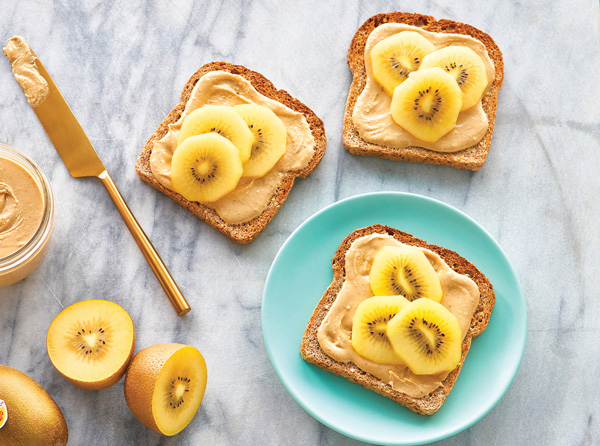
Nut Butter and Kiwifruit Toast
Nut Butter:
- 1 cup roasted nuts (almonds, cashews, hazelnuts or pecans)
- sunflower oil
- 1/4 teaspoon salt
- 1 tablespoon seeds (chia, sunflower or hemp)
- 2 slices sprouted grain bread, toasted
- 1 Zespri SunGold Kiwifruit, sliced
- To make nut butter: In food processor, blend nuts at high speed until finely ground. Scrape sides of blender. Add few drizzles of sunflower oil, salt and seeds; blend until creamy. Transfer to jar and store up to 1 week in refrigerator.
- Spread nut butter onto toasted bread and top with slices of kiwi.

SOURCE:
Zespri
💪 Your health journey starts here! Explore the latest health news, fitness tips, wellness trends, and healthy living advice. Share your thoughts in the comments and subscribe to the STM Daily News newsletter to stay informed and inspired every day.
Lifestyle
Get Your Kids Ready to Go Back-to-School with Affordable Health Coverage
Once school starts, life moves fast. There is homework, practices, permission slips, and early mornings. Before the calendar fills up, take a moment to make sure your child has affordable health coverage for the year ahead.

Get Your Kids Ready to Go Back-to-School with Affordable Health Coverage
(Feature Impact) Once school starts, life moves fast. There is homework, practices, permission slips, and early mornings. Before the calendar fills up, take a moment to make sure your child has health coverage for the year ahead.
Free or low-cost health coverage is available through the Children’s Health Insurance Program (CHIP) or Medicaid in your state for eligible individuals. With health coverage, your kids and teens can get the care they need to stay healthy and do well in school.
Think your family might not qualify? You might be surprised. Many families may qualify for coverage without realizing it! Eligibility varies by state and is based on family income and household size. In most states, children up to age 19 from a family of four earning up to $80,000 per year may be eligible. In some states, eligible children can still qualify if family income is even higher.
Getting your child covered helps you get them the health care they may need. When a child is sick, the right medicines help them get back to school. If a child has a tough time focusing, there are supports to help. If your child does not see as well as other children, these programs cover glasses. Healthy kids are confident kids, who are ready to participate in every opportunity inside and outside the classroom!
Why Health Coverage Belongs on Your Kids’ Back-to-School List
Having health coverage can help families, like yours, to send your kids and teens off to school ready to learn. Depending on the program and a child’s individual needs, Medicaid and CHIP can provide eligible kids up to age 18 (Medicaid) or 19 (CHIP) with a range of services to support their health all year long, such as:
- Annual checkups and school physicals to prepare children to learn, play, and participate.
- Preventive care to identify health needs early and keep children healthy throughout the year.
- Dental care to help prevent tooth aches, cavities, and missed school days.
- Vision and hearing services to support learning and classroom participation.
- Mental health care to support emotional well-being and school success.
- Prescription medications and treatment to help manage symptoms and stay on track.
- Specialized services for children with disabilities to support growth and learning.
How to Apply
You can apply for Medicaid and CHIP in many ways:
- By phone
- By mail
- In-person through your state’s Medicaid or CHIP office
- Or find your state’s information online at InsureKidsNow.gov/coverage.
Act now to get your child covered before they need health care. Enrollment for these programs is open year-round, meaning families do not have to wait for a specific time of year to get covered.
Once enrolled, coverage must be renewed every twelve months, so it is important to keep your address, email, and phone number up to date with your state Medicaid or CHIP office to avoid missing important renewal information. Visit InsureKidsNow.gov or call 1-877-KIDS-NOW (1-877-543-7669) for more information.
Information provided by the U.S. Department of Health & Human Services. This communication was printed, published, or produced and disseminated at U.S. taxpayer expense.
Photo courtesy of Shutterstock

SOURCE:
Centers for Medicare and Medicaid Services
💪 Your health journey starts here! Explore the latest health news, fitness tips, wellness trends, and healthy living advice. Share your thoughts in the comments and subscribe to the STM Daily News newsletter to stay informed and inspired every day.


(Family Features) Food insecurity isn’t a new problem in the United States, but the economic upheaval created by the COVID-19 pandemic accelerated the problem.
During the pandemic, households in the United States with children experienced an increase in food insecurity, despite overall rates of food insecurity staying the same. In 2019, 13.6% of households with children were food insecure, but by 2020, that number increased to 14.8%, according to data from the U.S. Department of Agriculture.
In general, child food insecurity rates are higher than overall food insecurity rates, according to the annual Map the Meal Gap study conducted by Feeding America, a nationwide nonprofit network of food banks. According to data from the Children’s Defense Fund, this is particularly prevalent among low-income families, single mother households and Black and Hispanic households.
What Food Insecurity Means for Children
Food insecurity and hunger are closely related but not quite the same. People who are food insecure don’t have reliable, ongoing access to an adequate supply of affordable, nutritious food. Hunger is a physical condition; food insecurity reflects barriers to obtaining food such as finances, physical location and transportation.
Infants and toddlers are particularly vulnerable to nutrient deficiencies because their nutrient needs are high, especially in relation to the size of their stomachs and appetites. Caregivers in food-insecure households may have little choice but to settle for cheaper, energy-dense but nutrient-poor foods. As a result, food-insecure infants and toddlers are not receiving adequate nutrition even when they may be receiving enough calories to satisfy hunger.
Even if a child isn’t physically starving, inadequate nutrition can negatively affect health in numerous ways, including immune system function, low weight, learning and developmental delays, vitamin deficiencies and more.
Ways to Help Promote Better Nutrition
Support good nutrition during infancy and toddlerhood for your own children and others in the community with these practical tips:
- Participate in (or introduce those in need to) aid programs. Government nutrition assistance programs help provide essential nutrition needs during infant and toddler years. One example is the Special Supplemental Nutrition Program for Women, Infants and Children (WIC), which provides a variety of resources including food and health care referrals to support mothers and young children at nutritional risk, including pregnant, breastfeeding and post-partum women, as well as infants and children up to age 5.
Another example is the Supplemental Nutrition Assistance Program (SNAP), which provides benefits low-income families can use to purchase nutritious foods. For children and adults who are enrolled in certain care programs, the Child and Adult Care Food Program (CACFP) helps ensure they have access to nutritious meals and snacks. - Make purchases that work extra hard. In addition to producing foods that encourage better nutrition for children, some brands also make contributions that help offset food insecurity. For example, for every box of Plum Organics Super Smoothies purchased, the company donates a pouch to a child in need through its “The Full Effect” program. The smoothie is a specially formulated blend of fruits, vegetables, legumes and grains with no added sugars designed to fight malnutrition and help fortify the diets of children who don’t have access to regular, healthy meals.
- Act as a role model for healthy choices. Children learn by example, so be sure your little ones see you enjoying nutritious snacks, filling your plate with appropriate portions and preparing well-rounded meals. When kids are exposed to a wide range of healthy options early in life, those food choices become the norm as they grow older.
- Volunteer at a food bank. Getting hands-on by donating your time at a local food bank can help you understand the complexity of food insecurity. Many nutritious selections are perishable, and transporting and storing perishable goods is costly. Volunteers help offset a food bank’s operational expenses by contributing labor to sort donated items, prepare deliveries and more.
To find more information about foods that provide infants and toddlers the nutrients they need, visit plumorganics.com. Photos courtesy of Getty Images
SOURCE:
Plum Organics
https://stmdailynews.com/category/food-and-drink/






