

Food and Beverage
Halloween candy binges can overload your gut microbiome – a gut doctor explains how to minimize spooking your helpful bacteria

Last Updated on March 11, 2026 by Daily News Staff
Christopher Damman, University of Washington
Each October, as the days shorten and the air grows crisp, millions of Americans prepare for the beloved – and often sugar-fueled – tradition of Halloween. From jack-o’-lanterns glowing on porches to costumes ranging from the whimsical to the gory, Halloween is a time of playful scares, childhood memories and, of course, candy.
But as the wrappers pile up and the sugar rush hits, there’s something far more sinister brewing beneath the surface: the negative effects of candy on your gut health.
Sugar and other ingredients in Halloween treats can cast a sickly spell on the trillions of microorganisms that reside in your gut, collectively known as the gut microbiome. As a gastroenterologist and gut microbiome researcher at the University of Washington School of Medicine, I have dedicated my career to decoding the cipher of how food affects this microbial community within your gut.
While no candy is truly healthy, some options are better for your gut than others. And there are ways you can help wake your gut from its sugar “spell” after holiday indulgence.
Gut-busting treats
What does all this candy do to your gut?
In a healthy state, your gut microbiome acts like a microbial factory. It digests nutrients your body can’t – such as fiber and colorful, health-conferring plant compounds called polyphenols – and produces important molecules called metabolites that protect against infection and support brain health. It also regulates metabolism, or the transformation of food into useful components that power and grow cells.
A balanced diet keeps your gut’s microbial cauldron churning smoothly. But the concentrated sugar, saturated fat and additives in candy can throw things into disarray by feeding inflammatory microbes that weaken your gut barrier – the protective lining that separates your microbiome from the rest of the body.
Once the gut barrier is breached, even friendly microbes can stir up inflammation, causing health issues ranging from overweight to obesity, infections to autoimmune disease, and mild cognitive impairment to Alzheimer’s.
Sugar and inflammation impair your microbiome’s ability to digest food and regulate metabolism. Instead of producing healthy byproducts – such as butyrate from fiber and urolithin A from polyphenols – candy lacking these nutrients may trick your system into storing more fat, providing less energy for your muscles and brain.
Too much candy can also affect your immune system. A healthy gut microbiome helps your immune system distinguish between friend and foe, reducing the risk of infections and autoimmune disorders. Sugar and inflammation undermine the microbiome’s role in training the immune system to distinguish between harmful invaders and harmless substances. Without a carefully calibrated immune system, your body may not effectively clear infections or may strongly react to its own cells.
Neurologically, excess sweets can also affect the gut-brain axis, the two-way communication between the gut and brain. A healthy microbiome normally produces neurotransmitters and metabolites, such as serotonin and butyrate, that influence mood and cognitive performance. Sugar and inflammation adversely affects the microbiome’s role in mental health and cognitive function, contributing to depression, anxiety and memory troubles.
The candy conundrum
Not all Halloween treats are created equal, especially when it comes to their nutritional value and effects on gut health. Sugar-coated nuts and fruit such as honey-roasted almonds and candy apples rank among the top, offering whole food benefits just beneath the sugary coating. Packed with fiber and polyphenols, they help support gut health and healthy metabolism.
On the opposite end of the spectrum are chewy treats such as candy corn, Skittles, Starbursts and Twizzlers. These sugar-laden confections are mostly made of high fructose corn syrup, saturated fat and additives. They can increase the unsavory bacterial species in your gut and lead to inflammation, making them one of the least healthy Halloween choices.
Chocolate-based candies, however, stand out as a more microbiome-friendly option. While varieties such as Twix, Three Musketeers and Milky Way contain only a small amount of chocolate, pure chocolate bars – especially dark chocolate – are rich in fiber and polyphenols. In moderation, dark chocolate with at least 80% to 85% cacao may even benefit your gut microbiome and mood by encouraging beneficial bacterial species to grow.
Chocolates with whole nuts, such as almonds or peanuts, offer a boost of fiber, protein and omega-3 fats, making them a healthier choice. Dark chocolate with nuts is best. But when sorting through Halloween treats, Peanut M&Ms, 100 Grands and Almond Joys may be better options over Rolos, Krackels and Crunches. Even candies with processed nuts, such as Reese’s Peanut Butter Cups and Butterfingers, retain small amounts of fiber and protein, making them preferable to nut-free options.
At the bottom of the list, along with chewy sugar candies, are pure sugar candies such as lollipops, Jolly Ranchers, gummies and Smarties. These sweets lack nutritional value, and their high sugar content can contribute to the growth of unhealthy bacteria in your gut microbiome.
In the end, all candies are high in sugar, which can be harmful when consumed in large quantities. Moderation and an otherwise balanced diet is key to enjoying Halloween treats.
Rebalancing after indulgence
If the microbiome is critical for health, and candy can disrupt its balance, how can you restore gut health after Halloween?
One simple strategy is focusing on the four F’s of food: fiber, phytochemicals, unsaturated fats and fermented foods. These food components can help support gut health.
Fiber-rich foods such as whole grains, nuts, seeds, beans, fruits and vegetables regulate digestion and nourish beneficial gut bacteria.

Polyphenol-rich foods such as dark chocolate, berries, red grapes, green tea and extra virgin olive oil help reduce inflammation and encourage the growth of healthy gut bacteria.
Unsaturated fats such as omega-3 fats, walnuts, chia seeds, flaxseed, avocados and fatty fish such as salmon can also support a healthy microbiome.
Fermented foods such as sauerkraut, kimchi, yogurt, kefir and miso help replenish beneficial bacteria and restore gut balance.
To make tracking your diet easier, consider using a food calculator to measure how well your meals align with the four F’s and microbiome friendly options. Like a virtual “spellbook,” an online tool can help ensure your food choices support your gut health and ward off the effects of sugar overload.
As my daughters often remind me, it’s perfectly fine to indulge every now and then in a few tricks and treats. But remember, moderation is key. With a balanced diet, you’ll keep your gut healthy and strong long after the Halloween season ends.
Christopher Damman, Associate Professor of Gastroenterology, School of Medicine, University of Washington
This article is republished from The Conversation under a Creative Commons license. Read the original article.
Our Lifestyle section on STM Daily News is a hub of inspiration and practical information, offering a range of articles that touch on various aspects of daily life. From tips on family finances to guides for maintaining health and wellness, we strive to empower our readers with knowledge and resources to enhance their lifestyles. Whether you’re seeking outdoor activity ideas, fashion trends, or travel recommendations, our lifestyle section has got you covered. Visit us today at https://stmdailynews.com/category/lifestyle/ and embark on a journey of discovery and self-improvement.


Food and Beverage
Jack-o’-Lantern Stuffed Peppers Prove Fun Isn’t Just for Pumpkins
These Jack-o’-Lantern Stuffed Peppers give you a Halloween-themed, kid-approved way to put vegetables on the dinner table.
Recipes:
Jack-o’-Lantern Stuffed Peppers

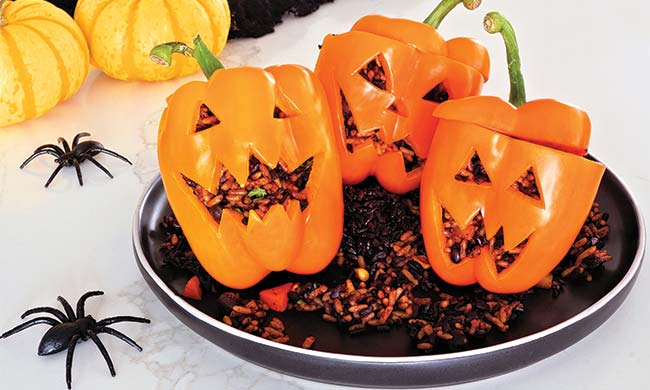
Jack-o’-Lantern Stuffed Peppers Prove Fun Isn’t Just for Pumpkins
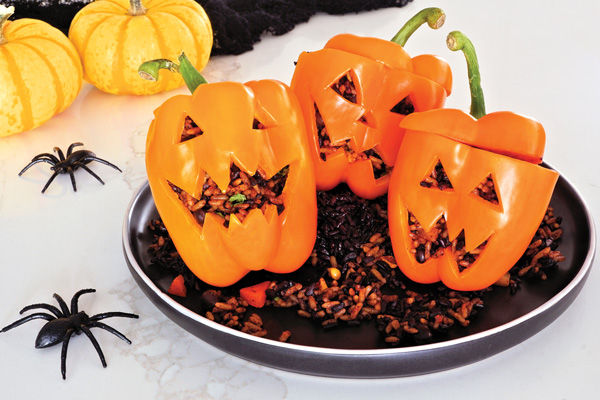
(Feature Impact) Jack-o’-lantern carving is a cherished fall tradition – but pumpkins aren’t the only vegetables you can decorate with fun, spooky or scary faces. These Jack-o’-Lantern Stuffed Peppers give you a Halloween-themed, kid-approved way to put vegetables on the dinner table.
Filled with savory ground turkey, brown rice, melty cheese and warm, savory spices, these peppers taste as autumnal as they look. It’s simple to customize the filling to your family’s tastes, and you can even make the meal interactive by inviting kids to choose their own pepper colors and carve their own expressions.
Find more Halloween and seasonal recipes at Culinary.net.
Jack-o’-Lantern Stuffed Peppers
Recipe adapted from AllRecipes
Prep time: 15 minutes
Cook time: 45 minutes
Servings: 4
- 1 teaspoon olive oil
- 1 pound ground turkey
- 3 cloves garlic, minced
- 1/2 medium onion, diced
- 1 teaspoon garlic powder
- 1 teaspoon cumin
- 4 large orange bell peppers
- 1 cup cooked brown rice
- 1 cup grated sharp cheddar cheese
- 2 teaspoons kosher salt
- 1/2 teaspoon ground black pepper
- cayenne pepper, to taste
- cups seasoned tomato sauce, warmed
- Preheat oven to 400 F and coat 9-by-13-inch baking dish with olive oil.
- In skillet, brown ground turkey with minced garlic, onion, garlic powder and cumin until meat is cooked, 4-5 minutes.
- With small knife, cut eyes, nose and mouth into flattest side of each pepper to resemble jack-o’-lantern. Cut around seed pods and remove pepper tops, trimming and discarding any seeds from under stems then setting tops aside. Trim white membranes from inside each pepper and shake out seeds. Place peppers in prepared baking dish.
- In bowl, combine turkey mixture with cooked rice, cheddar cheese, salt, black pepper and cayenne pepper, to taste.
- Divide and stuff mixture into peppers; cover with reserved pepper tops.
- Wrap baking dish loosely with aluminum foil and bake until peppers are tender, about 45 minutes.
- Spoon about 3 tablespoons warm tomato sauce onto each plate; place stuffed peppers on top. Serve remaining sauce on side.
Photo courtesy of Shutterstock

SOURCE:

Food and Beverage
Serve Up Smiles with Favorite Holiday Sides
Turkey and ham may sit centerstage, but classic holiday sides can make the season truly special. You can bring smiles to your loved ones’ faces by dishing out those favorite recipes everyone asks for year after year.
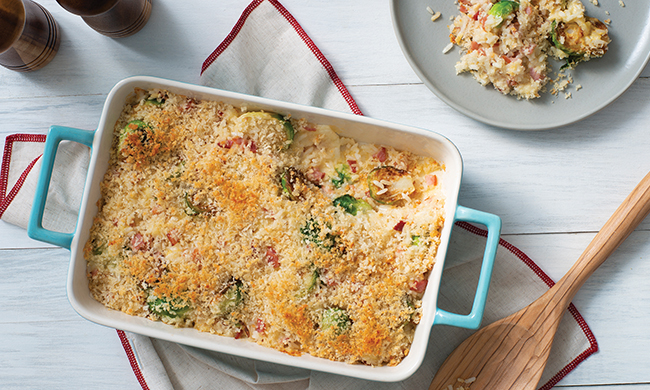
(Family Features) Turkey and ham may sit centerstage, but classic holiday sides can make the season truly special. You can bring smiles to your loved ones’ faces by dishing out those favorite recipes everyone asks for year after year.
Made with a delicious combination of rice, cheddar cheese, cream of mushroom soup and broccoli florets, this quick and easy version of Broccoli and Cheese Rice Casserole is an ideal one-pot dish to keep the holidays simple. With three easy steps and everyday ingredients, it comes together with minimal effort for traditional casserole taste.
When it comes to feeding a crowd, it’s often best to let your oven do the work. This Brussels Sprouts and Ham Rice Gratin recipe allows you to serve up a filling favorite with little effort using pantry staples. Plus, it’s a kid-friendly way to encourage veggies at this year’s holiday meal with gooey cheese providing tempting taste bud motivation.
These seasonal classics and more are made quick and easy with an option like Success Boil-in-Bag Rice, a pre-measured, mess-free way to make fluffy, high-quality rice. It’s cooked by simply dropping a bag of rice in a pot of water or broth then boiling it for 10 minutes. BPA-free and FDA-approved, the bags are safe to use and made to withstand high temperatures.
An added bonus: If you’re aiming to achieve a particular flavor, just season the rice by cooking in water infused with herbs, spices, broth, coconut milk or other liquids like juice for sweeter recipes.
Visit SuccessRice.com to find more holiday recipe inspiration.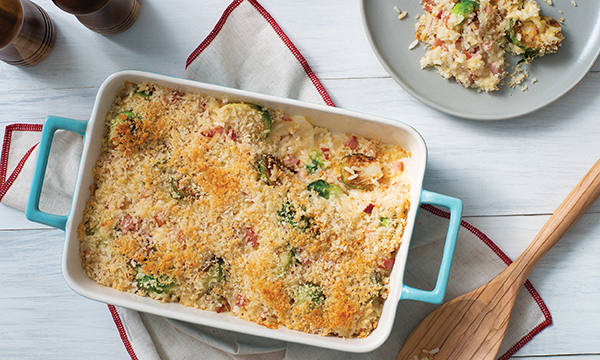
Brussels Sprouts and Ham Rice Gratin
Prep time: 20 minutes
Cook time: 25 minutes
Servings: 4
- 1 bag Success White Rice
- 1/2 pound Brussels sprouts, trimmed and halved
- 1/3 cup diced ham
- 1 clove garlic, minced
- 1 tablespoon olive oil
- 3/4 teaspoon salt, divided
- 3/4 teaspoon black pepper, divided
- 1 cup heavy cream
- 2 tablespoons finely chopped fresh chives
- 2 tablespoons Dijon mustard
- 1 cup shredded sharp cheddar cheese
- 1/2 cup grated Parmesan cheese, divided
- 1/3 cup breadcrumbs
- 2 tablespoons butter, melted
- Preheat oven to 450 F. Prepare rice according to package directions.
- In large bowl, toss Brussels sprouts, ham, garlic, olive oil, 1/4 teaspoon salt and 1/4 teaspoon pepper. Place on parchment paper-lined baking tray and roast 12-15 minutes, or until caramelized. Decrease oven temperature to 425 F.
- In large bowl, toss rice, Brussels sprouts mixture, cream, chives, Dijon mustard, remaining salt and remaining pepper. Stir in cheddar and 1/3 cup Parmesan cheese. Transfer mixture to greased, 2-quart baking dish.
- In small bowl, stir breadcrumbs, remaining Parmesan and melted butter. Sprinkle over rice mixture.
- Bake 12-15 minutes, or until golden brown and bubbling.
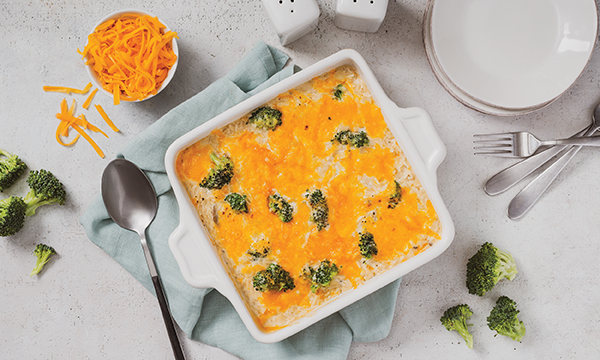
Broccoli and Cheese Rice Casserole
Prep time: 5 minutes
Cook time: 30 minutes
Servings: 4-6
- 1 bag Success White Rice or Brown Rice
- nonstick cooking spray
- 1 can (10 3/4 ounces) condensed cream of mushroom soup
- 2 cups frozen broccoli florets, thawed and drained
- 1 1/2 cups shredded cheddar cheese, divided
- 1/2 cup evaporated milk
- 3 tablespoons butter, melted
- 1 tablespoon grated onion
- 1/2 teaspoon salt
- 1/2 teaspoon black pepper
- Prepare rice according to package directions. Preheat oven to 350 F.
- Coat 2-quart casserole dish with nonstick cooking spray. In medium bowl, combine soup, broccoli, 1 cup cheddar cheese, evaporated milk, butter, onion, salt and pepper. Fold in rice.
- Pour mixture into prepared dish and top with remaining cheddar cheese. Bake 20 minutes.
SOURCE:
Success Rice
At our core, we at STM Daily News, strive to keep you informed and inspired with the freshest content on all things food and beverage. From mouthwatering recipes to intriguing articles, we’re here to satisfy your appetite for culinary knowledge.
Visit our Food & Drink section to get the latest on Foodie News and recipes, offering a delightful blend of culinary inspiration and gastronomic trends to elevate your dining experience.
https://stmdailynews.com/category/food-and-beverage
You can also find food and beverage-related videos on our YouTube channel, where we regularly post new content and share tips, recipes, and demonstrations. https://youtube.com/playlist?list=PLEhXBupt8tVynuUhpQZMxQt4lvPmOiAtQ&si=InDwc7YaB0KIwmxy
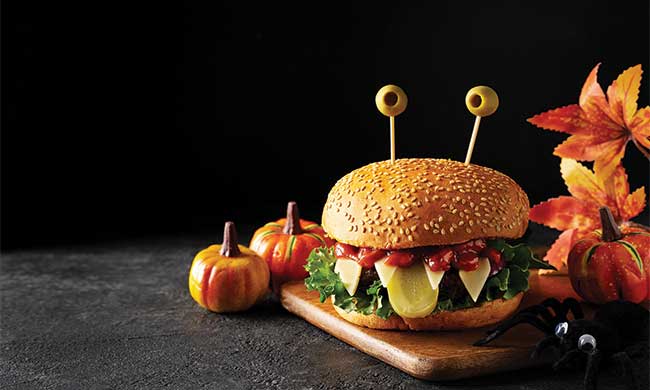
(Feature Impact) Out with the ordinary, in with the weird – that’s what the Halloween season is all about. These Halloween Monster Burgers give a ghoulishly fun twist on burger night, featuring all your favorite toppings transformed into olive eyes, cheese fangs and a pickle tongue.
Whether you reach for a traditional hamburger patty or switch it up with chicken, turkey, bean or veggie options, the effect is the same: a dinner that looks like it escaped from a mad scientist’s lab. It’s a good way to get some protein and veggies into kids before the trick-or-treating sugar rush, and you can even make it interactive by inviting them to decorate their own monsters and come up with creative variations.
Alternatively, if you’re looking for some spooky hors d’oeuvres to impress at this year’s Halloween party, these burgers are easy to size down into slider form. Serve a whole tray of mini monsters ready to devour – or be devoured by – hungry guests.
Find more Halloween recipe inspiration at Culinary.net.
Halloween Monster Burgers
Recipe adapted from Happy Foods Tube
Prep time: 10 minutes
Total time: 18 minutes
Servings: 4
- 4 hamburger, chicken or veggie patties
- 4 tablespoons mayonnaise
- 4 teaspoons ketchup, plus additional, to taste, divided
- 4 hamburger buns
- 8 leaves baby romaine lettuce
- 4 slices dill pickles, sliced lengthwise
- 4 cheese slices
- 8 large green olives, pits removed
- Cook burger patties until they reach desired doneness.
- In small bowl, combine mayonnaise and 4 teaspoons ketchup. Spread each bun base with about 1 tablespoon mayo sauce then add two lettuce leaves and cooked burger patty.
- Add pickle slice as monster “tongue.” Take each cheese slice and cut triangles into one side to resemble teeth; add to burger then cover with ketchup “blood,” to taste.
- Stick olives on toothpicks and add two to each top bun as “eyeballs.”
Photo courtesy of Shutterstock

SOURCE:




