

Food and Beverage
Straw Hat Pizza: The Rise, Fall, and Nostalgic Legacy of a California Pizza Icon
Straw Hat Pizza was once a California pizza powerhouse. Explore the rise, decline, and nostalgic legacy of this beloved family pizza chain.


Long before pizza delivery apps, stuffed-crust gimmicks, and national chains on every corner, there was Straw Hat Pizza — a family-friendly, California-born pizza chain that helped define what “going out for pizza” meant for generations.
For many Californians, Straw Hat Pizza wasn’t just dinner. It was birthday parties, Little League celebrations, arcade games, salad bars, and the hum of a busy dining room packed with families. While the brand is far smaller today, its place in American food history is secure.
Humble Beginnings: A California Pizza Story
Straw Hat Pizza was founded in 1959 by Charlie Olson and Bill Henderlong. The first location opened in San Leandro, California, during a period when pizza was still becoming a mainstream American favorite.
The name came from the straw hats worn by pizza makers at early California pizzerias — a visual shortcut that told customers exactly what kind of place they were entering. Casual. Friendly. Pizza-focused.
robatsea2009 Channel
The Golden Years: 1960s Through the Early 1980s
Through the 1960s and 1970s, Straw Hat Pizza expanded rapidly across California and Nevada. By 1980, the chain reportedly operated more than 200 locations, becoming a staple in suburban shopping centers and family neighborhoods.
- Large dining rooms built for families and groups
- Arcade games and coin-operated attractions
- Salad bars — a defining feature of the era
- Party rooms for birthdays and team celebrations
The pizza leaned toward what we now call California-style: thin, layered crusts, generous toppings, and a menu designed for sharing. It was food meant to be eaten at a table, not rushed out the door.
Corporate Consolidation and Decline
In 1969, Straw Hat Pizza was sold to Saga Corporation, which later became part of Marriott Corporation. As restaurant consolidation accelerated in the 1980s, Straw Hat became caught in a wave of mergers and acquisitions.
By the late 1980s, many Straw Hat locations were sold to or converted by Pizza Hut. Franchise owners fought back, eventually retaining rights to the Straw Hat name and continuing operations independently — but the brand’s footprint was permanently reduced.
How Straw Hat Pizza Survived
Unlike many mid-century restaurant chains, Straw Hat Pizza never fully disappeared. Independent franchise owners reorganized, preserving the brand, recipes, and name. Today, a limited number of Straw Hat Pizza locations continue operating — primarily in California.
It is no longer a national competitor, but rather a regional legacy brand, sustained by nostalgia and loyal local customers.
Why Straw Hat Pizza Still Matters
Straw Hat Pizza represents an era when pizza parlors were community spaces — places to linger, celebrate, and connect. Its story mirrors the rise of suburban America and the transformation of pizza from novelty to cultural staple.
For many, the memory of Straw Hat Pizza is inseparable from childhood — the smell of baked dough, the sound of arcade machines, and the excitement of a shared pie arriving at the table.
The Nostalgia Revival
Vintage menus, matchbooks, and advertisements from Straw Hat Pizza frequently surface online, part of a broader resurgence of interest in retro restaurants. These artifacts remind us that regional chains once played a major role in shaping American food culture.
Straw Hat Pizza may no longer dominate California strip malls, but its legacy lives on — in memories, collectibles, and the handful of locations still serving slices under that iconic name.
Related Coverage on STM Daily News
External References & Further Reading
STM Daily News continues to explore the food history that shaped our communities — from vanished chains to local favorites that still define how we eat and gather.


Food and Beverage
A Lesson in Kindness, Inclusion and How Kids Eat Differently
Kids Eat Differently: The school year brings new classmates, routines and opportunities for children to learn about people whose experiences may be different from their own. They could include friends who use a wheelchair, carry an inhaler or even receive nutrition through a feeding tube.


A Lesson in Kindness, Inclusion and How Kids Eat Differently
(Feature Impact) The school year brings new classmates, routines and opportunities for children to learn about people whose experiences may be different from their own. They could include friends who use a wheelchair, carry an inhaler or even receive nutrition through a feeding tube.
Watch this video to learn more
For families who rely on tube feeding, it is an essential part of daily life but is often understood only by those who experience it. That limited awareness can leave children who are tube fed and their families feeling isolated or unseen, according to Gerard Minor, a pediatric gastroenterology and hepatology specialist.
Parents can use everyday questions as opportunities to help children understand there are many ways people receive nourishment. Teachers, classmates, caregivers and communities can also help make tube feeding part of the everyday conversation around childhood rather than something that separates children from it.
“Helping children understand those differences early can encourage curiosity, kindness and inclusion,” Minor said.
To help bring greater awareness, understanding and representation to children and families who experience tube feeding every day, Compleat, a leader in tube feeding formulas, launched “What Is Better Than How,” featuring “Sesame Street’s” Elmo and his signature warmth and curiosity. The original song celebrates the many ways people eat. Some people eat with a fork, some use a spoon and some use a tube, reinforcing a simple message: What matters is not how you eat. What matters is that you are nourished, loved and included.
To hear the song, create a personalized version and learn more about the campaign, visit Compleat.com/WhatIsBetterThanHow.

SOURCE:


Last Updated on September 21, 2026 by Daily News Staff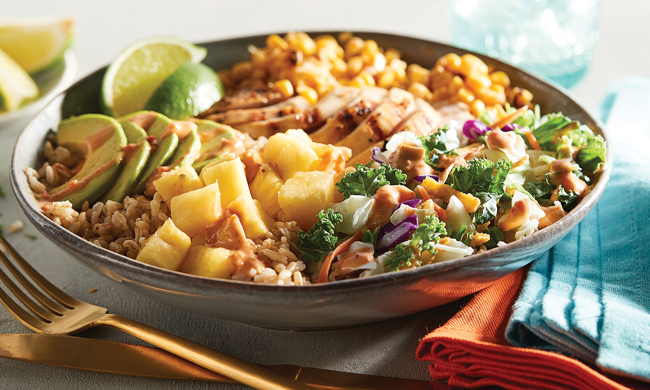
(Family Features) Maintaining a healthy eating plan can be challenging year-round, and busier fall schedules can make those goals even more difficult. Finding easy-to-make favorites can keep you and your loved ones on track as you navigate those hectic moments this autumn.
One simple yet delicious solution: Chopped Salad Kits and Sheet Pan Meal Starter Kits from Dole, which make it easy to incorporate vegetables without the hassle of kitchen prep. Take the guesswork out of meal planning for your time-starved family with these limited-ingredient, kit-based dishes.
Mexican Street Corn Bowls with Grilled Chicken provide a perfect balance of hearty yet nutritious flavor while taking advantage of the convenience of prepackaged ingredients. Perfect for fall weather, Roasted Chicken and Vegetable Soup requires just three ingredients and hungry loved ones for a filling meal worth celebrating.
For more original easy-to-make fall recipes, nutritional insights and information, visit Dole.com or follow on Facebook, Instagram, Twitter and Pinterest.
Mexican Street Corn Bowls with Grilled Chicken
Prep time: 20 minutes
Cook time: 8 minutes
Servings: 4
- 1 cup dry instant brown rice
- 1 1/4 pounds boneless, skinless chicken breasts
- 2 large ears fresh corn, silks and husks removed
- 1 1/2 tablespoons olive oil
- 3/4 teaspoon kosher salt
- 1/2 teaspoon ground black pepper
- 3 Dole Limes, juice only (about 3 tablespoons), divided
- 2 tablespoons chopped fresh cilantro
- 1/4 teaspoon smoked paprika
- 2 tablespoons grated Parmesan cheese
- 1 package (12.9 ounces) DOLE® Chopped Chipotle & Cheddar Kit
- 1 Dole Avocado, peeled, pitted and thinly sliced
- 1 cup chopped Dole Pineapple
- Prepare grill for direct grilling over medium-high heat. Prepare rice according to package instructions.
- Brush all sides of chicken and corn with oil; sprinkle with salt and pepper. Place chicken and corn on hot grill rack; cover and cook 8 minutes, or until grill marks appear and internal temperature of chicken reaches 165 F, turning chicken once and corn frequently. Transfer chicken and corn to cutting board; let stand 5 minutes. Cut corn kernels from cobs into medium bowl. Slice chicken 1/4-inch thick crosswise.
- Add 1 tablespoon lime juice, cilantro and paprika to corn; toss and fold in Parmesan cheese. In small bowl, whisk dressing from salad kit and remaining lime juice.
- Serve rice in bowls topped with avocado, pineapple, chicken, corn mixture and remaining contents of salad kit drizzled with dressing mixture.
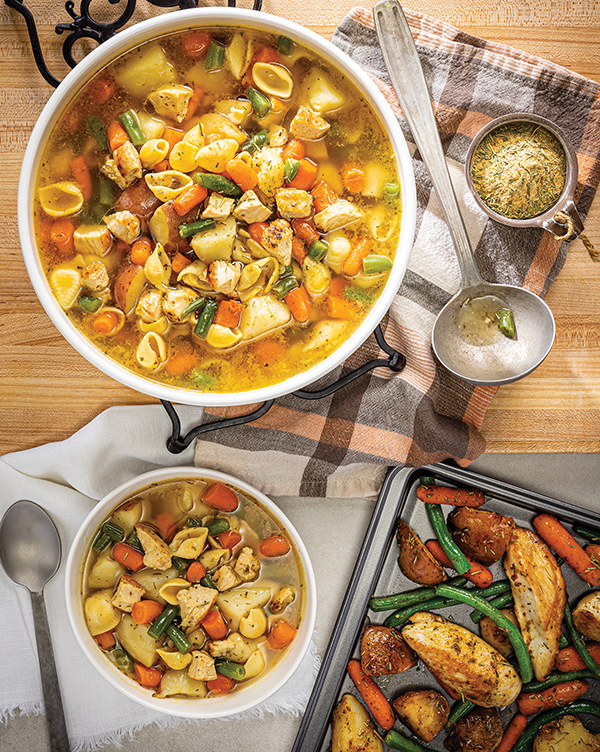
Roasted Chicken and Vegetable Soup
Prep time: 15 minutes
Cook time: 35 minutes
Servings: 4
- 1 DOLE® Homestyle Roasted Herb Sheet Pan Meal Starter Kit
- 1 container (32 ounces) chicken broth
- 1 cup whole-wheat pasta shells, cooked
- Prepare sheet pan meal starter kit according to package instructions. Transfer to cutting board and carefully cut chicken and vegetables into 1/2-inch pieces.
- In medium saucepot over medium-high heat, bring chicken broth to simmer. Stir in pasta shells, chicken and vegetables. Reduce heat to medium. Cook 5 minutes, or until heated through, stirring occasionally.
SOURCE:
Dole
At our core, we at STM Daily News, strive to keep you informed and inspired with the freshest content on all things food and beverage. From mouthwatering recipes to intriguing articles, we’re here to satisfy your appetite for culinary knowledge.
Visit our Food & Drink section to get the latest on Foodie News and recipes, offering a delightful blend of culinary inspiration and gastronomic trends to elevate your dining experience.
https://stmdailynews.com/category/food-and-beverage
You can also find food and beverage-related videos on our YouTube channel, where we regularly post new content and share tips, recipes, and demonstrations. https://youtube.com/playlist?list=PLEhXBupt8tVynuUhpQZMxQt4lvPmOiAtQ&si=InDwc7YaB0KIwmxy
Sign up for our STM & Coffee newsletter and get the latest food-related news and recipes directly into your inbox, ensuring you never miss out on exciting culinary trends, tips, and delicious inspirations.

Food and Beverage
6 Tips to Keep Your Grill Working Like New
With a combination of routine cleaning and long-term maintenance, you can keep your grill ready to entertain guests and feed your family for many cookout seasons to come. Start with these six tips.
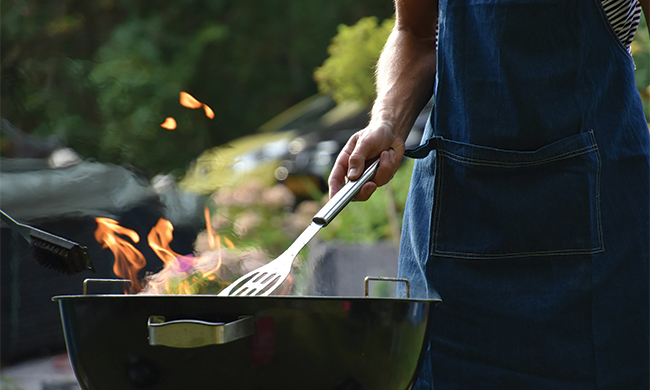
(Feature Impact) If the grill is one of the centerpieces of outdoor living in your household, it’s worth investing the effort to keep it looking nice and functioning well.
With a combination of routine cleaning and long-term maintenance, you can keep your grill ready to entertain guests and feed your family for many cookout seasons to come. Start with these six tips.
Quickly Clean After Each Use
Taking a few minutes to tidy up your grill after every session can prevent grease and grime from building up and turning into a much more annoying chore. Scrape away stuck-on food while the grates are still warm, but wait until the grill completely cools to empty and dry the grease drip tray, wipe down splatter and dispose of ashes. Always protect the grill with a weather-proof cover when it’s not in use.
Avoid Wire Brushes
Although many people reach for wire brushes as a go-to grill scraper, there are safer options. Bristles from wire grill brushes can break off, stick to grates, end up in food and potentially injure people. Look for alternative grill cleaning tools like temperature-safe nylon brushes, wood scrapers or pumice stones.
Use Safe, Non-Toxic Cleaners
When stubborn residue and grease call for something stronger, don’t reach for harsh chemicals like bleach or strong solvents. Since you’re cleaning a cooking surface, opt for food-safe, non-toxic cleaners like vinegar-based solutions or mild degreasers.
Catch Issues Early
Being aware of common grill issues can help you notice them before they turn into larger repairs. For instance, if you notice food cooking unevenly, it could be a sign of clogged burners or worn heat diffusers. An ignitor that clicks without lighting could signal blocked gas flow or a loose connection. Grease buildup can start fires and accelerate metal corrosion.
Give Components a Monthly Tune-Up
If you use your grill regularly, set aside time each month for extra maintenance. Check hinges, knobs and other moving parts, inspect burners and tubes for damage or clogs and clean the grill’s heat diffusers and vents.
Do a Seasonal Deep Clean
Before you stow the grill for the winter, give it a thorough inspection and cleaning. Soak removable parts like the grates and heat shields in warm, soapy water or food-safe degreaser. Scrub away carbon buildup from each part, as well as the interior lid and walls of the grill. Finally, polish exterior surfaces so you’ll be greeted by fresh, shiny equipment when the next cookout season rolls around.
Discover more home and outdoor tips at eLivingtoday.com.
Photo courtesy of Unsplash

SOURCE:





