

Beverages
Why Wheat Beers Still Win for Me After All These Years
After years of drinking beer from around the world, wheat beers remain my favorite. Here’s why flavor, balance, and craft still matter.

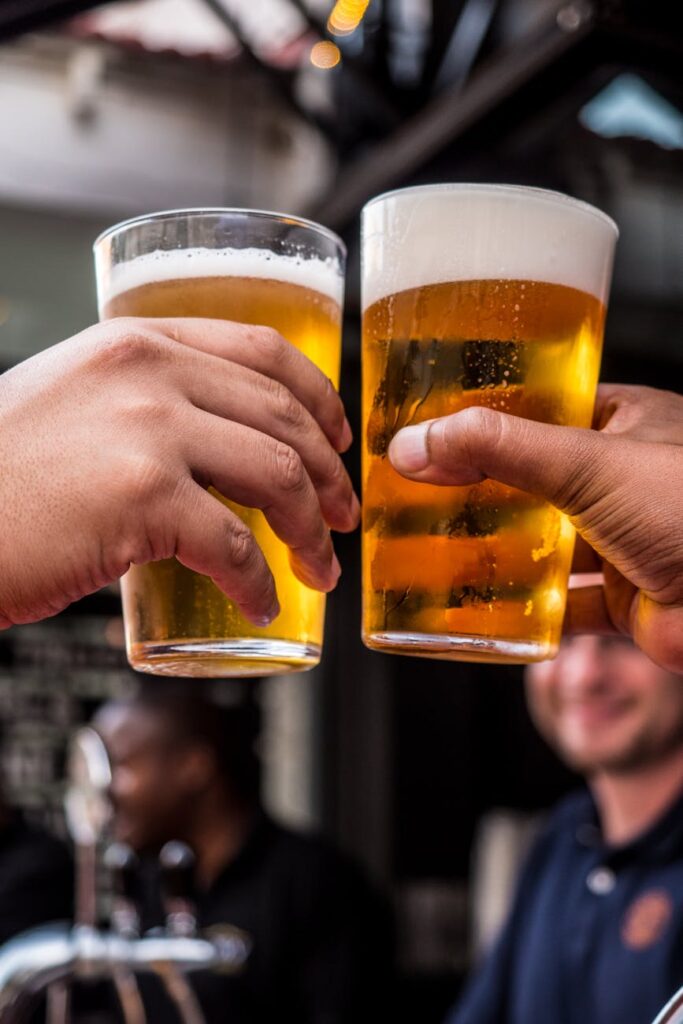
I’ve been legally drinking beer long enough to remember when the default choice at most bars was something cold, fizzy, and forgettable. Like most people, when I turned 21, I drank what was available, what was cheap, and what everyone else was drinking.
Over time, my palate evolved—and my patience for bland, mass-produced beer disappeared.
These days, if I’m reaching for a beer, chances are it’s a wheat beer.
From “Anything Cold” to Actually Tasting Beer
Early on, I learned something important: not all beer is created equal. The big mainstream domestic brands—built for volume, shelf life, and advertising budgets—never really did it for me. They’re engineered to offend no one, which usually means they excite no one either.
Thin body. Muted flavor. A sameness that makes one brand blur into the next.
That doesn’t mean I dislike American beer. Quite the opposite.
Why Craft and Small Breweries Changed Everything
What I do appreciate are medium-sized breweries, small operations, and microbreweries that actually care about flavor, balance, and craftsmanship. Domestic brewers who treat beer like food—not just a commodity—have produced some outstanding work over the years.
The rise of craft beer proved that American brewers could compete with the best in the world when flavor came first.
Discovering Wheat Beers: Flavor Without Heaviness
My appreciation for wheat beers came naturally. Unlike many heavy ales or aggressively hopped styles, wheat beers offer complexity without exhaustion.
A great wheat beer delivers:
- A soft, rounded mouthfeel
- Notes of banana, clove, citrus, or spice
- Natural carbonation that lifts the flavor
- Balance that works whether you sip or socialize
German Hefeweizens, Weissbiers, and Weizenbocks set the standard. Breweries like Weihenstephaner, Paulaner, Franziskaner, and Schneider Weisse showed me just how expressive wheat beer can be without trying to overwhelm the drinker.
Tasting the World, Not Just the Shelf
Over the years, I’ve sampled beers from around the world—Germany, Belgium, the UK, Mexico, Japan, and beyond. Each region brings something different, but the best beers share a common thread: intention.
Once you’ve tasted beers refined over centuries, it’s hard to get excited about products designed mainly for shelf stability and mass appeal.
Yes, American Wheat Beers Can Be Great Too
To be fair, American craft brewers have done some excellent work with wheat beers. Some stay true to traditional styles, while others experiment carefully with citrus or spice.
The good ones respect the base beer instead of burying it under gimmicks.
Why Wheat Beers Still Top My List
After years of drinking, tasting, and learning, wheat beers remain my go-to for one simple reason: they deliver flavor without fatigue.
They don’t need extreme bitterness. They don’t rely on shock value. They don’t pretend to be something they’re not.
Wheat beers are confident, approachable, and honest—and that’s something I appreciate more with every passing year.
I’ll always respect a well-made beer, no matter where it’s brewed. But if you ask me what I actually enjoy drinking, what I come back to again and again, it’s wheat beers.
Not shouted through a commercial.
Further Reading & Reference
- Weihenstephan Brewery – Official site of the world’s oldest continuously operating brewery and a benchmark for German wheat beer.
- Schneider Weisse – Renowned Bavarian brewery specializing in traditional and strong wheat beer styles.
- Paulaner Brewery – One of Munich’s historic breweries, best known in the U.S. for its Hefe-Weißbier.
- Franziskaner Weissbier – Classic German wheat beer brand with a strong yeast-forward profile.
- Erdinger Weissbräu – One of the world’s largest wheat beer breweries, known for consistency and global distribution.
- CraftBeer.com: Hefeweizen Style Guide – Educational overview of wheat beer styles, ingredients, and flavor profiles.
- BJCP Beer Style Guidelines – Industry-standard reference for beer styles, including German wheat beers.
- German Foods: German Beer Traditions – Overview of Germany’s brewing heritage and traditional beer styles.
Also Good to Know Information
American Craft Wheat Beers (Style-Respecting Examples)
- Allagash White (Maine) – A benchmark American wheat beer inspired by Belgian tradition, known for balance and restraint.
- Bell’s Oberon Ale (Michigan) – A widely respected American wheat ale that helped popularize the style domestically.
- Firestone Walker 805 Blanco – A modern American wheat beer with a lighter profile and regional influence.
- Odell American Wheat – A clean, straightforward American wheat beer emphasizing drinkability.
Academic & Historical Wheat Beer Sources
- Encyclopaedia Britannica: Wheat Beer – Historical overview of wheat beer origins, evolution, and regional styles.
- German Foods: German Beer Traditions – Context on Germany’s brewing laws and wheat beer heritage.
- BJCP Style Guidelines – Industry-standard definitions for wheat beer styles used by brewers and judges.
- Journal of the Institute of Brewing – Academic research on brewing science, including wheat malt and fermentation behavior.
Why Wheat Beer Yeast Matters
- Craft Beer & Brewing: Wheat Beer Yeast – Explains how yeast produces banana and clove flavors in wheat beers.
- White Labs: What Makes Hefeweizen Yeast Unique – Scientific breakdown of yeast strains and ester formation.
- Brülosophy: Fermentation & Hefeweizen Flavor – Experimental analysis of how fermentation affects wheat beer character.
Shopping & Availability Resources (U.S.-Friendly)
- Total Wine: Wheat Beer Selection – Broad national retailer with reliable availability of German and American wheat beers.
- BeerMenus – Useful for finding wheat beers on tap or in stores near you.
- Untappd: Top-Rated Wheat Beers – Community-driven ratings and availability insights.
For more stories exploring food, drink, and culture, visit the Food & Drink section at STM Daily News.


Beverages
Dr Pepper Ice Cream Float Is Coming: Keurig Dr Pepper Teases 2027 Flavor Pipeline Ahead of NACS

Keurig Dr Pepper is already looking past the next season and into 2027. In a new announcement ahead of the National Association of Convenience Stores (NACS) Show, the beverage giant previewed a slate of new products designed to hit the biggest pressure points in today’s drink culture: nostalgia that still feels fresh, a louder energy category, and brand updates meant to keep icons like 7UP and Sunkist relevant on shelves and fountain lines.
For Food & Drink readers, the headline is simple: the “treat soda” era isn’t slowing down—and KDP is leaning into it with flavors that borrow from desserts, frozen cocktails, and childhood staples, often with Regular and Zero Sugar versions built in from day one.
Familiar Favorites, Reimagined (and Built for Zero Sugar)
KDP’s pitch is that younger consumers are experimenting across categories, but they still want the comfort of brands they grew up with. That’s showing up in 2027 as “classic, but remixed.”
Dr Pepper Ice Cream Float (Permanent)
The biggest new reveal is Dr Pepper Ice Cream Float, a flavor that blends the brand’s signature “23 flavors” with creamy vanilla ice cream notes, plus caramel and butterscotch.
- Launch timing: February 2027
- Where you’ll see it: cans and 20 oz. bottles first
- More formats later: fountain and frozen dispensed versions expected mid-year
It’s an important detail that this one is nationwide and permanent, not a limited-time test. That signals confidence that dessert-forward sodas are now a stable lane—not just a novelty.
7UP Miami Vice (Limited-Time)
KDP is also turning 7UP into a tropical, frozen-cocktail-inspired playground with 7UP Miami Vice, combining lime-lemon with strawberry daiquiri and piña colada flavors.
- Launch timing: June 2027
- Status: limited-time offering
7UP Shirley Temple (Holiday Return)
One of 7UP’s most successful recent platforms is coming back: 7UP Shirley Temple, featuring cherry and pomegranate.
- Launch timing: holiday season 2027
- What’s new: expanded immediate-consumption availability via a new 20 oz. package
Canada Dry Raspberry Lemonade (Seasonal Twist)
For spring, KDP is adding Canada Dry Raspberry Lemonade, mixing raspberry and lemonade flavors with the brand’s crisp profile.
- Launch timing: Spring 2027
Energy Gets Bigger (and More Collaborative)
KDP’s other major bet is energy. The company says innovation and limited-time drops are driving a large share of category growth, and it plans to distribute more than 25 new energy items in 2027 across owned brands and partners.
GHOST Energy: 7UP and A&W Become Permanent
GHOST—now positioned by KDP as a $1 billion retail brand—is making two 2026 limited releases permanent in 2027:
- GHOST Energy x 7UP
- GHOST Energy x A&W
New additions include:
- GHOST Energy Sour Strips Appleberry (green apple + strawberry), launching January
- GHOST Energy Blueberry Cream (blueberry + vanilla, “nostalgic yogurt-inspired”), as a limited-time release later in 2027
Bloom Energy: “Iconic Treats” Lineup
Bloom is going straight for the ice-cream-truck memory bank:
- Strawberry Shortie (October 2026)
- Cotton Candy (January 2027)
- Lemon Freezie (January 2027)
C4 Energy: Cereal’s Most Wanted Expands
C4 is expanding its zero-sugar Cereal’s Most Wanted lineup:
- Cocoa Loco in 16 oz cans (January 2027)
- New 8.4 oz mini cans for select flavors
The subtext here is clear: energy is increasingly behaving like soda—flavor-first, collectible, and built for repeat discovery.
Icon Brands Get Refreshed (7UP and Sunkist)
Not every innovation is a new flavor. KDP is also investing in renovations that keep legacy brands competitive.
- 7UP recently rolled out its biggest evolution in more than 15 years, including a more lime-forward formula and refreshed visual identity.
- Sunkist is slated for updated graphics and a refreshed recipe in Q1 2027, aiming for a more fruit-forward orange taste.
For convenience retailers—and for anyone watching the beverage aisle—these updates matter because they’re designed to improve “shelf pop” and keep familiar brands from feeling dated next to trendier newcomers.
What to Watch For (Food & Drink Angle)
If you’re tracking where mainstream beverage culture is going, KDP’s 2027 preview points to three big themes:
- Dessert and “treat” flavors are becoming everyday drinksFloat, cream, caramel, butterscotch—these are no longer seasonal one-offs.
- Zero Sugar is now the default, not the alternativeMany of these launches are planned in both Regular and Zero Sugar formats, which changes how quickly they can scale.
- Energy is turning into a flavor labCollaborations, limited-time drops, and nostalgic concepts are making energy behave like the most experimental part of the aisle.
Bottom Line
Keurig Dr Pepper’s early look at 2027 innovation reads like a map of where beverage demand is headed: familiar brands with a twist, more energy variety, and strategic refreshes that keep icons in the conversation. If Dr Pepper Ice Cream Float lands the way KDP expects, don’t be surprised if “dessert soda” becomes a year-round staple—especially in convenience stores where discovery drives the impulse buy.
Quick Launch Timeline (At a Glance)
- Oct 2026: Bloom Energy Strawberry Shortie
- Jan 2027: GHOST Energy Sour Strips Appleberry; Bloom Cotton Candy + Lemon Freezie; C4 Cereal’s Most Wanted expansion
- Feb 2027: Dr Pepper Ice Cream Float (permanent)
- Spring 2027: Canada Dry Raspberry Lemonade
- Mid-2027: Dr Pepper Ice Cream Float fountain + frozen formats
- June 2027: 7UP Miami Vice (limited-time)
- Holiday 2027: 7UP Shirley Temple return (with expanded 20 oz availability)
- Q1 2027: Sunkist refreshed graphics + recipe
Source (Press Release)
- Keurig Dr Pepper — “Keurig Dr Pepper Reveals 2027 Beverage Innovation Ahead of NACS Show” (PRNewswire, Oct. 5, 2026)
Related Links
- Keurig Dr Pepper corporate site: https://www.keurigdrpepper.com
- Keurig Dr Pepper on LinkedIn (for brand updates/announcements): https://www.linkedin.com/company/keurig-dr-pepper-inc-/
- NACS Show (event context): https://www.nacsshow.com
- Circana (referenced for data in the release): https://www.circana.com

The Knowledge
When Did Water Vending Machines Become a Thing?
When did water vending machines appear in America? Explore their history from a 1908 penny water vendor to the refill machines of the 1970s and 1980s.

You’ve probably seen them hundreds of times.
They sit outside supermarkets, convenience stores and shopping centers—or sometimes stand alone in small roadside kiosks. You bring an empty bottle, usually one, three or five gallons, put in some money, push a button and watch purified water pour into your container.
For many people in California, Arizona and other parts of the American West, water vending machines seem like they’ve simply always been there.
But when did we actually start buying water this way?
The answer takes us back more than a century, although the machines we recognize today didn’t really arrive until the 1970s.
The Water Vending Machine’s Surprising Ancestor
The story begins in Boston in 1908 with a man named Lawrence Luellen.
Luellen was working on something that sounds surprisingly modern: a machine that would allow someone to pay a penny and receive a clean drink of water in an individual disposable cup.
At the time, public drinking water was often consumed from a communal cup or metal dipper—a practice that increasingly worried public-health officials because of the potential spread of disease.
Luellen developed a paper drinking cup along with what became known as the Luellen Cup & Water Vendor. The porcelain machine contained water, ice, disposable cups and a place for discarded cups.
For one penny, a customer could get a drink of cold water in a fresh cup.
Historical records at Lafayette College’s Hugh Moore Dixie Cup Company Collection show that Luellen completed work on the vending apparatus in early 1908. His company, the American Water Supply Company of New England, was incorporated on April 4 of that year.
There was just one problem.
The complete water machine was expensive to manufacture.
The company eventually concentrated on selling the disposable cups and cup dispensers instead. Those cups ultimately evolved into one of America’s most recognizable household products—the Dixie Cup.
So although Luellen’s machine wasn’t the five-gallon refill station we know today, the basic idea was already there:
Put money into a machine and receive drinking water.
The Modern Water Vending Machine Arrives
The next major chapter didn’t occur until roughly 65 years later.
According to histories of the water-vending industry, the first practical machines designed to sell purified water in bulk appeared during the mid-1970s.
These were fundamentally different from Luellen’s machine.
Instead of giving customers a cup of water, the new machines treated water—typically municipal tap water—and allowed customers to fill their own reusable containers.
And we have unusually strong evidence that these machines were operating by 1976.
On July 26, 1976, the U.S. Environmental Protection Agency issued a memorandum specifically addressing the regulatory status of water vending machines.
The EPA described machines that filtered and disinfected water with ultraviolet light and then dispensed the treated water into a customer’s own container using a coin-operated mechanism.
In other words, by the summer of 1976, the basic water-refill machine many of us recognize today was already operating in the United States.
Why the 1970s?
The timing wasn’t accidental.
Americans had become increasingly concerned about pollution and drinking-water quality during the 1960s and 1970s.
Congress passed the Safe Drinking Water Act in 1974, establishing a federal framework for protecting public drinking-water supplies. National drinking-water regulations followed during the decade.
Meanwhile, technologies such as filtration, activated carbon treatment, ultraviolet disinfection and eventually reverse osmosis made it practical to build relatively compact systems capable of treating municipal water at the point where it was sold.
The result was a new business opportunity:
Instead of transporting thousands of bottles of water to a store, a vending company could connect a machine to the local water supply, purify that water on site and sell it by the gallon.
Customers supplied the bottle.
California Helps Turn It Into a Business
California became one of the industry’s most important early markets.
One company that would eventually become a major player was founded by Robert G. Miller.
In 1983, Miller established Bottle Water Vending Inc., the predecessor of Glacier Water Services.
The company manufactured water vending machines and placed many of them outside supermarkets. Customers brought their own containers, while participating stores often sold reusable plastic jugs nearby.
The machines treated municipal water using combinations of filtration, reverse osmosis, carbon treatment and ultraviolet sterilization.
The idea caught on quickly.
In 1984, the company expanded from California into Arizona.
Nevada followed in 1986.
By 1987, the company reportedly had nearly 900 water vending machines operating.
Texas and Florida followed in 1988.
The familiar supermarket water-refill station was becoming a significant business.
Then Came the Drive-Up Water Kiosk
Another variation appeared at almost exactly the same time.
In 1984, Lani and Don Dolifka developed what became Watermill Express in Colorado.
Their idea was an automated stand-alone purification kiosk capable of taking municipal water, processing it through multiple purification stages and selling the finished drinking water directly to customers.
Instead of walking into a supermarket, customers could pull up to the kiosk with their bottles.
Later Watermill Express systems were designed to accommodate reusable containers ranging from one to five gallons, using treatment processes including sediment filtration, activated carbon, reverse osmosis, ultraviolet disinfection and ozone treatment.
That basic concept remains familiar today.
Why Five-Gallon Bottles?
The five-gallon container was already well established through traditional bottled-water delivery services.
But refill vending changed the economics.
Instead of purchasing another filled bottle—or waiting for a delivery—a customer could keep the same container and refill it repeatedly.
That eliminated much of the packaging and transportation involved with conventional bottled water.
It also made purified drinking water relatively inexpensive.
Bring the jug.
Buy the water.
Take the same jug home.
Bring it back when it’s empty.
More than four decades later, that’s still essentially how the system works.
So Who Invented the Modern Water Vending Machine?
That’s where the story gets complicated.
There doesn’t appear to be a single universally recognized inventor of the modern bulk purified-water vending machine.
Lawrence Luellen developed an important early coin-operated water vending concept in 1908, but his machine dispensed an individual drink and disposable cup—not gallons of purified water into a customer’s reusable bottle.
The modern bulk-water machine emerged much later, apparently during the mid-1970s, as water-treatment technology and consumer concern about drinking-water quality converged.
By 1976, the EPA was already dealing with the regulatory implications of machines that treated municipal water and sold it through coin-operated dispensers into customers’ own containers.
Entrepreneurs and companies then refined and expanded the idea during the 1980s.
From a Penny Cup to Five Gallons at a Time
The evolution is remarkable.
1908: Put in a penny and receive a cup of cold water.
Mid-1970s: Machines begin treating municipal water and selling purified water in bulk.
1976: The EPA documents coin-operated machines dispensing treated water into customers’ containers.
1983: Bottle Water Vending, the predecessor of Glacier Water Services, begins operations in California.
1984: Glacier’s predecessor expands into Arizona, while Watermill Express develops its automated purification kiosk in Colorado.
Late 1980s and beyond: Water refill machines become increasingly familiar outside supermarkets and at stand-alone locations throughout the United States.
Today, paying a few coins—or tapping a card—and filling a five-gallon jug might seem thoroughly ordinary.
But the machine sitting outside your neighborhood supermarket represents more than a century of evolution in how Americans buy something that once seemed almost unimaginable to sell from a vending machine:
a drink of water.
Sources and Further Reading
U.S. EPA — Status of Water Vending Machines Under Public Law 93-523
Lafayette College — Hugh Moore Dixie Cup Company Collection
U.S. EPA — Safe Water Research Milestones
Glacier Water Services Company History
World Vision — History of Watermill Express
📰 Enjoying STM Daily News? Join the conversation!
💬 Leave a comment, share your thoughts, and subscribe to our newsletter for the latest stories, updates, and “News You Can Use This Moment!” delivered to your inbox.
Stay connected with STM Daily News!

Every year on the first Friday in August, beer lovers around the world come together to celebrate International Beer Day. In 2026, the celebration falls on Friday, August 7, offering the perfect opportunity to discover new brews, support local breweries, and enjoy time with friends.
Founded in 2007 in Santa Cruz, California, International Beer Day has grown into a global event observed in dozens of countries. The celebration recognizes not only the beverage itself but also the brewers, bartenders, servers, and everyone who helps bring beer from the brewery to your glass.
Whether you’re a fan of crisp lagers, hoppy IPAs, rich stouts, refreshing wheat beers, or adventurous sour ales, International Beer Day is a great excuse to step outside your comfort zone and sample something new. Many breweries and pubs celebrate with special releases, tasting flights, live entertainment, brewery tours, and food pairings.
As the craft beer movement continues to flourish across the United States, this annual celebration is also a reminder of the creativity and community that local breweries bring to neighborhoods large and small.
If you decide to celebrate, remember to drink responsibly, arrange for a designated driver or rideshare if needed, and support your favorite local brewery.
Cheers to International Beer Day!
Related Links
- Serve Up Smiles with Favorite Holiday Sides
 Turkey and ham may sit centerstage, but classic holiday sides can make the season truly special. You can bring smiles to your loved ones’ faces by dishing out those favorite recipes everyone asks for year after year.
 - Halloween Monster Burgers That Just Might Bite Back
 (Feature Impact) Out with the ordinary, in with the weird – that’s what the Halloween season is all about. These Halloween Monster Burgers give a ghoulishly fun twist on burger night, featuring all your favorite toppings transformed into olive eyes, cheese fangs and a pickle tongue. Whether you reach for a traditional hamburger patty or… Read more: Halloween Monster Burgers That Just Might Bite Back
 - 4 Ways to Enjoy Fresher Foods at Home
 Fresher Foods at Home: Knowing your food was grown from the earth and nurtured by the sun and rain can add a whole new dimension of enjoyment to your meals, which processed foods often can’t replicate. Recipes like these Chicken and Avocado Rollups can be an easy solution for putting fresh foods like avocados on the menu.
 - Keeping the Love of Food with Type 2 Diabetes
 Living with Type 2 diabetes often means making adjustments to your daily routine, especially when it comes to food. Although adjusting to life with diabetes may take time, you don’t have to give up your favorite foods and flavors. In fact, it can be an opportunity to discover meals that support your health goals while still enjoying the foods you love.
 - Cozy Up with Comforting Soups and Stews
 Comforting Soups and Stews: As temperatures drop, few meals warm you from the inside out quite like Beef Stew with Rice or Hearty Rice Minestrone Soup. These comforting favorites deliver delicious flavor to the family table, and better yet, they don’t require much time in the kitchen, making them particularly practical for busy weekdays.
🍽️ Love discovering great food and drink? Join the conversation! Share your thoughts in the comments and subscribe to the STM Daily News Food and Drink newsletter for the latest recipes, restaurant news, food trends, and culinary stories delivered straight to your inbox.




