

home improvement
Fresh Start, Fresh Planet: 5 Steps to Reduce Waste During Spring Cleaning
Spring cleaning is a perfect opportunity to reset, reorganize and make small changes that can help the planet. Consider these five easy waste-reduction tips to help you jump into the season feeling organized and eco-friendly.

Last Updated on May 5, 2026 by Daily News Staff
(Feature Impact) As the days get longer and the weather improves, many people often find the motivation to refresh their homes – and their habits.
Spring cleaning is a perfect opportunity to reset, reorganize and make small changes that can help the planet. What’s more, these changes are simple to implement and can even earn you some extra cash.
Steps to Reduce Waste During Spring Cleaning
Consider these five easy waste-reduction tips from the experts at CalRecycle to help you jump into the season feeling organized and eco-friendly.
1. Recycle Kitchen Waste
As you clear out expired or forgotten food, sort items for maximum impact:
- Remove plastic and non-compostable packaging and put spoiled or freezer-burned food into your green bin. These scraps can be turned into compost and clean energy, helping cut methane emissions from landfills.
- Toss empty, dry recyclables, including condiment bottles, glass jars, metal cans and plastic food containers, into your blue bin.
2. Cash in Empty Beverage Containers
- Cleaning out your home may uncover some empty or forgotten beverage containers. Empty out leftover liquids and take eligible beverage containers for soda, water, juice, wine and distilled spirits to your nearest recycling site for cash back. Every California Redemption Value (CRV) beverage container you recycle saves resources and puts money back in your pocket.
- If you’re short on time, donate your empty CRV beverage containers to your favorite nonprofit organization. Set up a separate bin just for eligible beverage containers and drop them off for donation when it’s full.
 3. Give Clothes and Household Items a Second Life
- Dig into your closets and shelves to see what you can repair, repurpose or donate. Fix a missing button, turn old fabric into cleaning rags or give gently used items to a local free-exchange group or thrift store to reduce textile waste. Simple steps like these can keep usable items out of the landfill and help someone else put them to good use.
4. Declutter Paper and Electronics
- Recycle junk mail, magazines and newspapers in your blue bin. Remove any plastic windows, wrap or stickers first. If you shred documents, place the shredded paper inside a paper bag before recycling. Bonus tip: Switching to digital statements and bills can help prevent paper clutter in the first place.
- Old electronics and used batteries don’t belong in the trash. Gather them from drawers and cabinets then take them to an e-waste drop-off site or local household hazardous waste collection center for safe handling.
5. Refresh the Bathroom
- When restocking soaps or cleaners, look for products that offer refillable containers (especially reusable glass and aluminum ones). It’s a simple way to cut down on plastic waste.
- When you finish bottles of shampoo, conditioner, soap or cleaning sprays, make sure they land in your recycling bin after you empty them out.
- Swap out single-use paper towels for washable cloths or rags. They’re reusable, durable and kinder to the environment.
For more details, CRV redemption locations and food scrap recycling tips, visit RecyclingReimaginedCA.com.
Photos courtesy of Shutterstock


SOURCE:
Welcome to the Consumer Corner section of STM Daily News, your ultimate destination for savvy shopping and informed decision-making! Dive into a treasure trove of insights and reviews covering everything from the hottest toys that spark joy in your little ones to the latest electronic gadgets that simplify your life. Explore our comprehensive guides on stylish home furnishings, discover smart tips for buying a home or enhancing your living space with creative improvement ideas, and get the lowdown on the best cars through our detailed auto reviews. Whether you’re making a major purchase or simply seeking inspiration, the Consumer Corner is here to empower you every step of the way—unlock the keys to becoming a smarter consumer today!


Consumer Corner
5 Hidden Ways to Save on Home Insurance Costs
Lowering Home Insurance Costs? Many home improvements offer an added bonus of unlocking insurance discounts, but these savings opportunities can easily fly under the radar when you aren’t actively on the lookout for them.

5 Hidden Ways to Save on Home Insurance Costs
(Feature Impact) When you’re planning home improvements, you’re often thinking about improving the comfort, safety, aesthetic or value of your home. Many changes and renovations have the added bonus of unlocking insurance discounts, but these savings opportunities can easily fly under the radar when you aren’t actively on the lookout for them.
“Homeowners tend to think about their insurance when they buy the house or when they have a claim, but a lot can change in between,” said Larry Anderson, director of underwriting operations at Mercury Insurance. “Something as simple as reviewing your policy with your agent once a year can help make sure your coverage still reflects your home today and identify improvements or other factors that may qualify you for additional savings.”
The experts at Mercury Insurance, a multiple-line insurance carrier emphasizing competitive rates and excellent customer service, encourage homeowners to consider these five ways to save on home insurance costs.
Updating Older Parts of the Home
As a home ages, it’s wise to look at what parts and systems may be deteriorating and need upgrades for modernity or safety reasons. Replacing older electrical, plumbing or other major systems can protect your home from emergencies and loss risks. Depending on the state you live in, your specific policy and the improvements you made, it can also qualify your property for an updated-home insurance discount.
Keep records of major improvements – including receipts, work permits and information about when the work was completed – and plan to discuss the upgrades during your next insurance review.
 Adding Protective Technology
Beyond replacing the batteries in your smoke detectors, you can outfit your home with a variety of protective devices that make a difference to insurers. Consider options like monitored burglar and fire alarms, smart water sensors and automatic water shutoff systems designed to detect problems before they become major losses. Remember, while security upgrades can make your home less risky to insure, they won’t save you money if your insurer doesn’t know you’ve installed them.
Improving Resilience to Damage
If you live in an area prone to extreme weather or other hazards, resilience upgrades could both safeguard your home and access insurance savings. Depending on your location, qualifying improvements could include a stronger roof, wildfire mitigation measures or flood defense options. Local insurance agents can provide more specific guidance on ways to make your home less vulnerable to damage – or whether you’re eligible for discounts because of work you’ve already completed.
Qualifying for Community Programs
Even if you haven’t personally made renovations to your home, certain changes in your community could help you save on insurance. That could include local wildfire mitigation measures, membership in a qualifying homeowners association or other neighborhood characteristics that affect coverage options, but specific programs vary by location.
Reviewing Insurance Products and Discounts
Whether something significant has changed in your home or community or not, it’s always valuable to review your insurance coverage on a regular basis. For instance, there may be new products or discounts that simply didn’t exist when you originally purchased your policy. Beyond savings considerations alone, ask your agent questions to make sure your coverage still reflects your circumstances and goals.
“Finding savings is always welcome, but the bigger goal of a policy review is making sure your insurance keeps pace with your life and your home,” Anderson said. “A house isn’t static. We improve it, maintain it and protect it in new ways over time. Your insurance should keep up with those changes.”
For more information on homeowner coverage and discount eligibility, visit MercuryInsurance.com.
Questions to Consider During Your Annual Insurance Checkup
An annual insurance review is an opportunity to look for savings and update coverage. Use these questions as a jumping-off point for discussions with your agent:
- What has changed about my home?
- What has changed about my property or community?
- Have my circumstances changed?
- Are discounts available today that weren’t when I purchased my policy?
- Does my coverage still reflect what it would cost to repair or rebuild my home today?
Photos courtesy of Shuttersotck

SOURCE:
📰 Enjoying STM Daily News? Join the conversation!
💬 Leave a comment, share your thoughts, and subscribe to our newsletter for the latest stories, updates, and “News You Can Use This Moment!” delivered to your inbox.
Stay connected with STM Daily News!
Consumer Corner
5 Smart Ways to Prepare Your Home to Weather Storm Season
By readying your home for storm season in advance, you can prevent minor problems from turning into major damage. Consider these five tips to batten down the hatches when the skies are getting dark.

(Feature Impact) Whether your area is prone to thunderstorms, hurricanes, tornadoes or other forms of severe weather, the best time to prepare is before the first raindrop hits. By readying your home for storm season in advance, you can prevent minor problems from turning into major damage.
Consider these five tips to batten down the hatches when the skies are getting dark.
Check Your Roof and Gutters
Your roof has one job – to be a shield against the elements. Don’t wait for a storm to discover you have loose shingles that could fly off in high winds, cracked seals where the roof meets the walls or sagging gutters that aren’t capable of funneling water away from the house. Stay up to date on roof maintenance and clear leaves, twigs and other debris from gutters to prevent clogging.
Trim Trees and Landscaping
Dead trees or weak branches can break and turn into projectiles during storms, potentially causing damage to your house, car or nearby power lines. Next time you have yardwork on the agenda, factor storm preparation into your landscaping plans. Keep trees and bushes trimmed and consider bringing in a professional to assess the health of any trees near your home that could be at risk of toppling.
Strengthen Your Home’s Weak Spots
Windows and doors are some of the most vulnerable places during storms, so pay extra attention to weatherproofing there. Look for any cracks in the glass, check for worn seals or drafty areas and make sure doors close securely and don’t rattle. If you live in an area prone to strong winds or hurricanes, consider upgrading your home with storm shutters for extra peace of mind when debris starts flying.
Turn Your Yard Into a No-Fly Zone
When there’s bad weather in the forecast, you probably aren’t planning to go out and lounge on patio furniture as the skies open up – so pack it up. Secure any items that are too large to bring inside and check around the yard for lightweight items like gardening tools, toys and anything else that could become airborne during strong gusts.
Make a Power Outage Plan
During a storm, nobody wants to fumble around in the dark trying to find batteries for a dead flashlight. Save yourself the trouble by assembling an emergency kit to help your household get by without power if the lines go down. Know where to find flashlights, fresh batteries, power banks to charge your phones, nonperishable food and first-aid supplies or essential medications. If you plan to use a generator, test it and make sure you know how to use it before you need it.
Discover more tips to protect your home at eLivingtoday.com.
Photo courtesy of Unsplash

SOURCE:
🏡 Planning your next home project? Explore expert tips, DIY ideas, product reviews, and the latest home improvement news in Consumer Corner. Share your experiences in the comments and subscribe to the STM Daily News newsletter for practical advice and fresh inspiration delivered straight to your inbox.

Health
5 Babyproofing Tips for Baby Safety Month
Babyproofing is about anticipating those discoveries before little ones make them. In honor of National Baby Safety Month, consider these tips you can use to make your home safer all year round.
5 Babyproofing Tips for Baby Safety Month
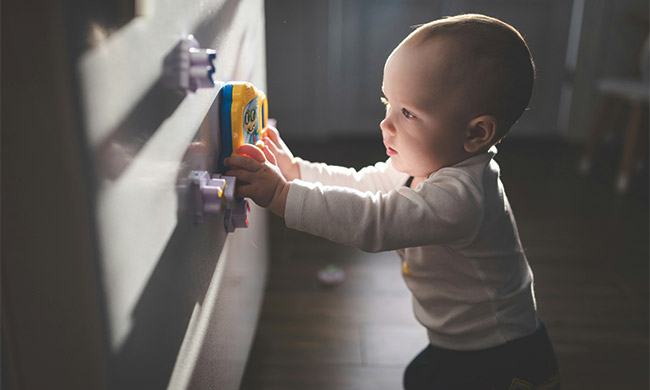
(Feature Impact) Outsmarting a baby can be harder than it sounds – especially when it comes to transforming your home into a safe place for them to explore. Through their eyes, a coffee table becomes a climbing opportunity, a dangling phone charger looks like a teething toy and a cabinet of cleaning supplies could be an exciting travel destination.
Babyproofing is about anticipating those discoveries before little ones make them. In honor of National Baby Safety Month, consider these tips to make your home safer all year round.
Install Gates and Doorknob Covers
Crawling babies and stairs are a bad combination. Make sure the two never have the chance to meet by securely installing safety gates at the top and bottom of staircases to thwart young explorers. Gates or doorknob covers can also block access to other rooms and areas you’d prefer to keep off limits, like kitchens, bathrooms and laundry areas.
Use Safety Latches Wisely
Cabinets and drawers can contain a myriad of dangerous items, from cleaning products to sharp objects and medications. Even if you have rooms gated off, treat safety latches and locked storage receptacles as a second line of defense to make sure babies and toddlers can’t rummage where they shouldn’t.
Stress-Test Furniture
As babies and toddlers transition from crawling to walking, they often try using furniture to pull themselves up. Tall or unstable objects like TV stands, small tables and bookshelves can tip over if they aren’t properly secured. Try giving these objects a shake to see whether they’re easily moveable or wobbly; if so, anchor them to the floor or wall when possible. While you’re at it, check for sharp corners at the right height to bonk little heads and cover them with softer edge protectors.
Cover Outlets and Stow Cords
Electrical outlets can be tempting targets for curious fingers. Outfit them with covers or plastic safety caps, especially if you don’t already have tamper-resistant receptacles with built-in mechanisms to block foreign objects from entering the slots. As you’re going about your outlet audit, pay attention to cords as well. When possible, tuck them away or secure them with cord organizing systems, and block access to objects like lamps where cords can be used for tugging and toppling.
See the World at Their Level
Although it might feel silly, one of the best ways to spot hazards around your home is to scout for them from a baby’s perspective. Try getting as close to the floor as you can then look around each room for anything that could interest a young child and pose potential danger. In particular, keep an eye out for small objects that could become choking hazards, like dropped coins, batteries or loose toy pieces.
As children grow, so do the needs of your space. Visit eLivingtoday.com for more ideas on designing your home to fit your family.
Photo courtesy of Unsplash

SOURCE:
💪 Your health journey starts here! Explore the latest health news, fitness tips, wellness trends, and healthy living advice. Share your thoughts in the comments and subscribe to the STM Daily News newsletter to stay informed and inspired every day.





