

child education
Making the Grade: How High-Impact Tutoring Builds Student Success
Student Success: If your child is struggling in school, it can feel overwhelming to know how to help. One approach many schools are turning to is high-impact tutoring, also known as high-dosage tutoring.

Last Updated on May 1, 2026 by Daily News Staff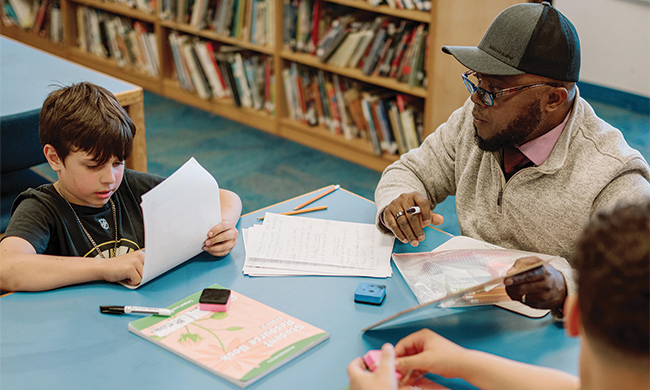
Making the Grade: How High-Impact Tutoring Builds Student Success
(Feature Impact) If your child is struggling in school, it can feel overwhelming to know how to help. Learning gaps can grow quickly, confidence can slip and what should be simple can start to feel frustrating for both students and parents. But families don’t have to solve this alone. Schools and districts play a critical role in providing the right support. One approach many schools are turning to is high-impact tutoring, also known as high-dosage tutoring.
Backed by extensive research, high-impact tutoring has emerged as one of the most effective school-based strategies for accelerating learning. Studies from EdResearch for Recoveryshow students who participate can gain the equivalent of 3-15 additional months of learning in reading and math within a single school year, making it a powerful tool for accelerating learning and closing achievement gaps.
This type of enrichment goes beyond merely homework help and is vastly different than traditional tutoring. Offered during the school day, many schools and districts across the country are starting to offer proven, structured high-impact tutoring programs by partnering with organizations like Catapult Learning, a leader in providing education solutions that generate demonstrable academic achievement and better life outcomes for students.
Consider these benefits of high-impact tutoring:
Small Group, Big Leaps
A number of factors set high-impact tutoring apart from traditional tutoring. To start, high-impact is most effective when it’s delivered during the school day (either on-site, live virtually or hybrid) in small group settings. Secondly, each session occurs up to five times per week and can be 20-45 minutes in duration. This type of small group instruction delivered with frequency and consistency isn’t just a supplement to classroom learning – it creates a pathway toward academic goals that may not have existed before.
 Trusted Tutors, Real Progress
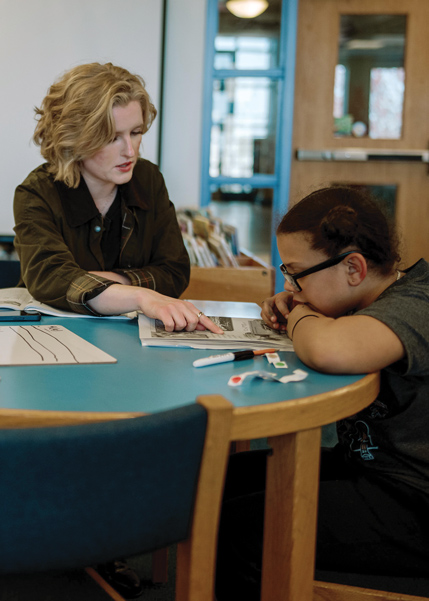
For families, finding the right tutor can feel overwhelming. Vetting private tutors, managing schedules and evaluating quality can be a time-consuming, uncertain exercise. School-based high-impact tutoring removes that guesswork. Districts partner with experienced education organizations to provide vetted, highly trained tutors, structured instructional materials and ongoing progress monitoring.
Through partnerships with school districts nationwide, Catapult Learning helps deliver structured, research-based high-impact tutoring programs that are designed to support students in reading and math, aligning with classroom goals to ensure learners of all skills and abilities receive the right support at the right time. Plus, its research-based instructional materials – combined with exemplary tutors and real-time accountability – allow families to benefit from clear insights into their child’s growth through real data and measurable outcomes.
Flexible and Accessible
High-impact tutoring has the added benefit of being flexible, accessible and less taxing on parents. Because it’s designed to be built directly into the school day, there are no extra trips, costs or added scheduling stresses for families. It’s a hassle-free way for students to get the help they need without burdening parents or caregivers.
Proven Results
The urgency for high-impact tutoring has only increased in the years following the pandemic. The widespread instructional disruptions left countless students with unfinished learning and specific skill gaps traditional classroom time can’t always address. High-impact tutoring offers a targeted way to make up for educational losses and promote equity by providing intensive, individualized instruction to the students who need it most.
Research shows high-impact tutoring is now recognized as the most effective school-based strategy for accelerating learning in reading and math for struggling students. Multiple studies confirm that well-designed tutoring programs produce measurable learning gains.
While many school districts face challenges in providing consistent, high-quality academic support due to limited capacity, staffing and resources, programs implemented by Catapult Learning have demonstrated students can achieve up to eight additional months of learning in reading or math within a single school year. In practical terms, this means students can make accelerated progress toward grade-level expectations, strengthen foundational skills and build confidence in the classroom – all within the structure of the regular school day.
As more schools adopt this approach, families can check with their district to learn whether high-impact tutoring is available. To better understand how these programs are delivered in schools, visit catapultlearning.com for additional information.


SOURCE:
Our Lifestyle section on STM Daily News is a hub of inspiration and practical information, offering a range of articles that touch on various aspects of daily life. From tips on family finances to guides for maintaining health and wellness, we strive to empower our readers with knowledge and resources to enhance their lifestyles. Whether you’re seeking outdoor activity ideas, fashion trends, or travel recommendations, our lifestyle section has got you covered. Visit us today at https://stmdailynews.com/category/lifestyle/ and embark on a journey of discovery and self-improvement.

Community
Zum Begins 2026–27 School Year With Expanded Student Transportation Network
Zum is launching the 2026–27 school year with expanded school bus operations in Fresno, Los Angeles and other communities, bringing real-time tracking and modern transportation technology to students and families.

New partnerships in Fresno and Kansas join ongoing operations in Omaha, St. Louis, Santa Barbara and Los Angeles
As millions of students return to classrooms, transportation company Zūm is beginning the 2026–27 school year with new district partnerships, expanded technology deployments and thousands of drivers preparing for what the company calls “the most important commute in America.”
The Redwood City, California-based student mobility company announced that its teams have completed months of driver training, route validation and operational planning ahead of the new academic year.
“There is nothing quite like the first day of school at Zum,” founder and CEO Ritu Narayan said in the company’s announcement. “You see drivers arriving before sunrise, teams making final preparations and buses rolling out of yards across the country—all united around one purpose: getting students safely and reliably to school.”
New buses roll out in Fresno
One of Zūm’s largest new launches is in California’s Fresno Unified School District. According to the company, 168 buses were placed into service just two weeks after its local team moved into a new transportation yard.
The district is also introducing the Zūm Parent App, which allows families to track buses in real time, receive arrival alerts, view scheduled rides and receive notifications when a child boards or exits a bus. Registered students will receive bus cards connected to the transportation system, according to Fresno Unified.
The rollout is part of a broader change in how Fresno Unified manages student transportation. Routes and stops will continue to be evaluated using registration information, actual ridership and family feedback, the district says. Beginning September 28, registered students will generally be required to show a bus pass before boarding. Fresno Unified’s transportation page provides registration instructions and assistance for families.
Technology comes to LAUSD’s in-house fleet
In Los Angeles, Zūm says its CMX technology has been deployed across the Los Angeles Unified School District’s internally operated bus fleet.
The platform is designed to connect routing, dispatch, drivers, schools, transportation officials and families through one operating system. Its tools include real-time vehicle visibility, route planning, operational coordination and family communications.
Rather than replacing the district’s in-house drivers, the Los Angeles deployment focuses on providing the technology used to coordinate district-operated buses.
New partnership in Kansas
Zūm also began a new partnership with the Shawnee Mission School District in Kansas. District leaders, drivers, monitors and school employees marked the start of the program with a launch celebration.
The company said Shawnee Mission’s transition is intended to give the district a more modern and technology-supported approach to student transportation.
Meanwhile, Zūm is returning for a third school year in Omaha and Santa Barbara. Its St. Louis operation is entering its second year.
Drivers remain at the center
Although technology plays a growing role in school transportation, Zūm emphasized that drivers remain essential to the daily experience of students and their families.
“Back to school is when months of preparation come to life,” said Liz Sanchez, Zūm’s executive vice president of student mobility. “Our teams spend months hiring and training drivers, validating routes and working alongside our district partners to prepare.”
Drivers often serve as the first school-related adults students see in the morning and the last they see before returning home. Their work can also determine whether students arrive safely and on time—especially in communities where families have limited transportation choices.
A changing school-bus experience
School transportation has traditionally depended on separate systems for scheduling, dispatching, vehicle tracking and communicating with parents. Zūm CMX is designed to bring those functions together and give school districts a clearer view of their daily operations.
For families, the most visible change may be access to real-time bus locations and arrival notifications. These tools can reduce some of the uncertainty associated with late buses, route changes and missed pickups.
Zūm reports that its technology and transportation services now support more than 6,500 schools across 19 states. As the company expands, the 2026–27 school year will test how effectively its technology, drivers and district partnerships can translate into dependable daily service.
For students, however, the goal remains straightforward: a safe ride to school, a reliable trip home and one less obstacle between them and their education.
This article is based primarily on information provided in an August 21, 2026, Zūm press release. Statements about the company’s national reach, fleet deployments and technology are attributed to Zūm unless independently noted.
Source: Zūm official website
Related links:
- Fresno Unified: Zūm Parent App
- Fresno Unified: New Transportation Model
- Fresno Unified: Bus Routes
- Fresno Unified: Back-to-School Resources
📰 Enjoying STM Daily News? Join the conversation!
💬 Leave a comment, share your thoughts, and subscribe to our newsletter for the latest stories, updates, and “News You Can Use This Moment!” delivered to your inbox.
Stay connected with STM Daily News!

Family
6 Hacks to Prep Your Mudroom for Back-to-School Season
When school is back in session, it means a lot of coming and going to and from your home – often in a rush. Start with these mudroom organization and habit hacks to make your family’s daily routines a little easier.

(Feature Impact) When school is back in session, it means a lot of coming and going to and from your home – often in a rush. Smooth out those morning scrambles and save yourself some afternoon cleanups by turning your mudroom into a space that feels more organized and less chaotic.
Start with these mudroom organization and habit hacks to make your family’s daily routines a little easier.
Do a Beginning-of-Year Declutter
If the coat hooks are still sporting rain jackets the kids outgrew several seasons ago, that’s your sign to plan a purge. Out with the old, in with the new: collect last year’s coats, too-small shoes, the backpack with the broken zipper, worn-out accessories and that pile of junk mail then figure out what to keep, toss and donate.
Create a “Get-Out-The-Door” Spot for Essentials
“Have you seen my…” is a sentence you can only stand to hear (and say) so many times in one morning. Set up shelves or baskets for important items like keys, permission slips, library books, water bottles, lunchboxes, sports gear and anything else that needs to leave the house with the family. Repetition will build the habit, and even if things still get lost from time to time, this system gives everyone a first place to look.
Choose a Shoe System
Whether you’re a shoe rack kind of family or you’ve got DIY dreams of building an aesthetic wooden bench with shoe storage underneath, lock it in. Shoes are easy for kids to kick off when they get home, and if they aren’t sure where to put them, they’ll remain wherever they land or pile up by the door. Also consider putting down washable mats so grime doesn’t accumulate on your rack or floor.
Give Each Child a Designated Drop Zone
It’s easier for kids to stay organized when they have their own dedicated spaces to hang up jackets, set down backpacks, put shoes and store everyday essentials. Provide each child with their own coat hooks, cubbies, bins or lockers. Build them at kid-friendly heights and make it fun by letting everyone decorate their own zone.
Have Options Ready for Bad Weather
With a little advanced planning, you can prevent your mudroom from living up to its name. Set up a rainy-day corner with an umbrella stand, boot tray, towel basket and hooks or racks to hang damp outerwear. Keep a laundry hamper in the mudroom, too, so wet clothes and dirty uniforms don’t migrate through the house.
Label Storage Areas Clearly
Nearly everyone’s been there: you start a new organization system feeling efficient and optimistic, then over time, memories lapse and it descends back into anarchy. Labels may not stop this from happening every time, but at least they might make kids stop and consider whether their books should go in the basket labeled “Books” or on top of the shoe rack. That’s one step closer to restoring order.
For more back-to-school tips and tricks, visit eLivingToday.com.

Photo courtesy of Unsplash
SOURCE:
📰 Enjoying STM Daily News? Join the conversation!
💬 Leave a comment, share your thoughts, and subscribe to our newsletter for the latest stories, updates, and “News You Can Use This Moment!” delivered to your inbox.
Stay connected with STM Daily News!
child education
Top 5 Tips for Teaching Kids Modern Money Lessons in the Digital Age
Teaching Kids Modern Money Lessons: Helping kids feel confident about money can start with simple, everyday experiences. Giving kids opportunities to practice earning, saving, spending and making choices with money can help them build skills and confidence, even as more of their financial lives become digital.

Top 5 Tips for Teaching Kids Modern Money Lessons in the Digital Age
(Feature Impact) Helping kids feel confident about money can start with simple, everyday experiences. That can be especially important today, when children may hear different messages about money from parents, friends and financial influencers on social media. Giving kids opportunities to practice earning, saving, spending and making choices with money can help them build skills and confidence, even as more of their financial lives become digital.
Parents don’t need to be financial experts to help children develop healthy money habits. Starting conversations early and giving kids opportunities to practice skills like budgeting, saving and investing can prepare them to make thoughtful financial decisions as they grow. Consider these tips from the experts at Charles Schwab, which provides a full range of brokerage, banking and financial advisory services, to help build kids’ financial knowledge and confidence.
- Start with Hands-On Activities
As children grow, the way parents teach them about money should grow with them. Young kids can start by filling piggy banks or savings jars with coins and cash. As they get older, help them open bank accounts to see how their balances change over time. Introduce budgeting by letting kids make some of their own spending decisions, such as choosing a snack or deciding whether to go to a movie or save for new headphones. Older kids can get involved in family decisions, such as planning a weekend trip within a set budget.
- Encourage Smart Saving and Investing Habits
Learning to save and invest early can help kids see how financial decisions pay off over time. Start with a savings account and show them how compound interest can help their money grow. As kids enter their teen years, look for ways to give them hands-on experience with investing. A teen investing account can give young people a real-world opportunity to research investments, make decisions and learn how to manage money with a parent’s guidance and oversight, helping them better understand risk and reward while building financial skills and confidence.
- Teach Teens About Debt and Credit
Before teens begin using credit themselves, help them understand what borrowing actually costs. A credit card may make a purchase feel easy in the moment, but interest and fees can make that purchase more expensive if the balance isn’t paid off. Talk about the importance of living within their means, how credit scores work and how interest and late fees can cause debt to grow. Real-life examples, such as comparing the cost of paying for something now versus the cost of carrying a balance, can make these lessons easier to understand.
- Introduce Kid-Friendly Digital Tools
For today’s kids, learning about money also means learning how to manage it digitally. When children are old enough to have their own devices or use a parent’s device with supervision, introduce them to age-appropriate banking and budgeting tools. Show them how to check a balance, track spending and follow progress toward a savings goal. These everyday experiences help connect the money lessons they learn at home with the tools they’ll likely use as adults.
- Keep Talking About Money
Building financial confidence doesn’t happen through one conversation. Make money an ongoing, age-appropriate topic by asking kids what they think about spending and saving, and what short- and long-term goals matter to them. Invite them to ask questions and, when appropriate, include them in everyday household money decisions. Giving kids a safe place to learn and make choices (and sometimes mistakes) can help them become more comfortable managing money.
Learn more modern strategies for teaching kids and teens financial literacy at SchwabMoneywise.com.

Photo courtesy of Shutterstock
SOURCE:
📰 Enjoying STM Daily News? Join the conversation!
💬 Leave a comment, share your thoughts, and subscribe to our newsletter for the latest stories, updates, and “News You Can Use This Moment!” delivered to your inbox.
Stay connected with STM Daily News!





