Automotive
The 2027 Jeep Wrangler Laredo Is Back — What That Means for Buyers in Arizona
Jeep unveiled the 2027 Jeep Wrangler Laredo, blending Southwest-inspired heritage styling with standard Xtreme 35 capability. Here’s what Arizona buyers should verify before ordering.

Jeep is bringing back a familiar name with a very modern twist. In a July 12 PR Newswire release, the brand unveiled the 2027 Jeep Wrangler Laredo, describing it as a heritage-inspired trim that revives an iconic 1980s-era nameplate—then pairs that nostalgia with serious off-road hardware based on the Wrangler Willys.
For Arizona drivers, this one lands differently than it might in cooler climates. The Laredo’s headline features—a tan soft-top option, 35-inch tires, and a lifted stance—touch the daily realities of desert heat, freeway commuting, monsoon-season visibility, and weekend trail access. Here’s the Consumer Corner breakdown: what’s real, what to verify, and who this trim actually makes sense for.
The quick takeaway
The 2027 Jeep Wrangler Laredo is essentially a Willys-based Wrangler with the Xtreme 35 Package baked in, wrapped in a distinctive Southwest-themed design and a premium interior. Jeep says orders open later this month, and pricing starts at $1,995 over a Wrangler Willys with the Xtreme 35 Tire Package.
That last line matters: this isn’t a “cheap Wrangler.” It’s a value comparison against a specific build (Willys + Xtreme 35). If you were already planning that setup, the Laredo may be a relatively small step up for a lot of visual and interior differentiation.
What Jeep is highlighting (and what it means in plain English)
1) Standard Xtreme 35 Package: the capability is the point
Jeep says the Laredo includes the Xtreme 35 Package as standard equipment, including:
- 35-inch BFGoodrich KO2 tires
- 1-inch lift
- Bronze beadlock-capable wheels
Consumer translation: this trim is not just decals. The tire size and lift change the stance, trail clearance, and replacement costs. If you like the look and you’ll actually use the traction/clearance, it’s a meaningful upgrade.
Arizona angle: 35-inch all-terrains can be great for dirt roads and rocky trails, but they can also mean more road noise and higher replacement costs. In extreme heat, tire condition matters—ask what the replacement set runs installed and how often you realistically drive on surfaces that justify the upgrade.
2) The tan soft-top is back (and the roof choice affects daily life)
Jeep is reintroducing the “highly coveted” tan soft-top. Roof options mentioned include:
- Tan soft-top (heritage-inspired)
- Sky One-touch powertop (four-door only)
- Black hardtop (two-door and four-door)
Consumer translation: roof choice isn’t just aesthetics—it’s noise, heat management, convenience, and long-term wear.
Arizona angle: if you park outside in Phoenix-area sun, your roof choice affects cabin temperature, UV wear, and how quickly the interior feels like an oven. Before you commit:
- Sit in one on a hot day if possible (or at least after it’s been outside)
- Ask about warranty coverage for top materials and seals
- Consider how often you’ll actually run top-down versus how often you’ll be fighting heat and glare
3) Southwest styling: you’re paying for a specific identity
Jeep leans hard into “American Southwest” cues:
- Gobi accent grille
- Laredo hood decals (center + side)
- Bodyside decals and a rear lasso-style “4WD” decal
- Bronze tow hooks and bronze-accented badging
Consumer translation: this is a trim for people who want their Wrangler to look like this from the factory—without aftermarket guesswork. If you’d delete the decals on day one, you’re probably not the target buyer.
Arizona angle: decals and exterior finishes live a harder life in intense sun. Ask about care guidance (and whether the dealer is pushing paint/graphics protection as an add-on you don’t need).
Inside the Laredo: premium touches (but confirm what’s truly standard)
Jeep says the cabin is built around a Bison Brown interior with:
- Bison Brown Nappa leather seats with front heat and power adjust
- Mayan Gold accent stitching
- Exclusive Laredo badging, including a rear swing gate plaque with coordinates of Laredo, Texas
- A subtle cowboy hat motif in HVAC pad prints
Consumer Corner note: “premium materials” can be real, but trims sometimes vary by package availability and dealer ordering. When you see the vehicle in person, verify:
- Seat material and whether it’s true leather vs leather-trimmed surfaces
- Exactly which seats are heated (and whether ventilation is offered)
- Whether any interior elements are tied to optional packages
Arizona angle: leather and dark interiors can feel premium, but they also absorb heat. If you’re sensitive to hot seats and steering wheels, ask about:
- Remote start availability (where applicable)
- Sunshade options
- Tint legality and pricing (and whether the dealer is bundling it)
The money question: what does “$1,995 over Willys + Xtreme 35” really mean?
Jeep’s pricing line is smart marketing because it anchors the Laredo as a modest step up—if you were already buying that exact Willys configuration.
Before you decide it’s a bargain, ask the dealer for two itemized build quotes:
- Wrangler Willys + Xtreme 35 Tire Package (as close as possible to the referenced build)
- Wrangler Laredo (same drivetrain/doors where possible)
Then compare:
- Out-the-door price (tax, title, registration, doc fees)
- Dealer add-ons (tint, nitrogen, paint protection, wheel locks)
- Insurance quote by VIN/trim (35-inch tires and higher replacement costs can affect premiums)
Arizona angle: don’t skip the insurance quote. Larger tires, higher replacement costs, and theft/vandalism risk can shift premiums. Get a quote using the exact trim before you fall in love with the look.
Who the 2027 Jeep Wrangler Laredo is best for
Best fit
- You already want a Willys + 35-inch tire Wrangler and prefer a factory-finished heritage look
- You care about distinctive styling and plan to keep the vehicle long enough for that identity to matter
- You want something that feels “special edition” without going full custom
- You do Arizona-style weekends: desert roads, trailheads, camping routes—where clearance and traction actually matter
Maybe not
- You’re shopping for the lowest-cost Wrangler payment
- You don’t want larger tires (replacement cost and ride feel can be different)
- You’d remove the graphics or prefer a clean, minimal exterior
Consumer Corner: what to watch for before you sign
Use this checklist when the Laredo hits lots.
- Confirm what’s standard: Xtreme 35 equipment, roof type, interior features
- Ask about tire replacement cost: 35-inch KO2s aren’t economy tires
- Check towing details: Jeep mentions an available trailer hitch and up to 3,500 lbs towing—confirm your exact configuration
- Verify roof options by door count: Sky One-touch is four-door only
- Get an out-the-door quote in writing: include add-ons and “market adjustment” if any
- Test daily comfort: cabin noise, seat comfort, visibility, parking practicality
- Arizona reality check: where will it park (garage vs outside), and how will you manage heat, glare, and interior wear?
Bottom line
The 2027 Jeep Wrangler Laredo is a nostalgia-forward trim that looks designed to be instantly recognizable—and it backs up the look with real off-road hardware via the standard Xtreme 35 Package. For buyers already leaning Willys + 35s, the Laredo’s pricing claim suggests it could be a relatively efficient way to get a more distinctive exterior and a richer interior without piecing together aftermarket parts.
For everyone else, treat it like any special trim: verify what’s standard, price it against the closest comparable build, and make sure the “icon” factor doesn’t distract from the monthly payment and long-term ownership costs—especially in Arizona, where heat and sun can turn small comfort details into daily dealbreakers.
Follow Jeep and company news and video on:
Media website: media.stellantisnorthamerica.com
Jeep brand: jeep.com
Facebook: facebook.com/jeep
Instagram: @jeep
X: @jeep
LinkedIn: linkedin.com/company/jeep
YouTube: youtube.com/thejeepchannel or youtube.com/StellantisNA
SOURCE Stellantis/ PR Newswire
🚗 Stay in the driver’s seat with the latest automotive news, vehicle reviews, industry updates, recalls, and buying tips. Share your opinions in the comments and subscribe to the STM Daily News newsletter for the latest Consumer Corner Automotive stories delivered straight to your inbox.


Automotive
Holiday Traffic Safety: Practical Tips to Stay Safe and Navigate the Rush
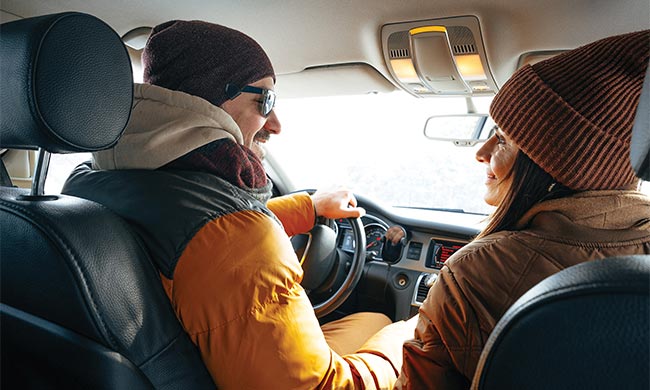
Holiday Traffic Safety: While holiday road trips offer opportunities to reconnect with family and friends, they can also create situations that demand greater attention behind the wheel. Whether traveling across town or across state lines, a little preparation and a few adjustments to everyday driving habits can help motorists reduce their risk of an accident.

Holiday Traffic Safety: Practical Tips to Stay Safe and Navigate the Rush
(Feature Impact) Throughout the holiday season, drivers may encounter heavier congestion, unfamiliar roads, unpredictable weather and the added distractions that come with busy schedules.
While holiday road trips offer opportunities to reconnect with family and friends, they can also create situations that demand greater attention behind the wheel. Whether traveling across town or across state lines, the experts at Mercury Insurance recommend a little preparation and a few adjustments to everyday driving habits that can help motorists reduce their risk of an accident.
“Holiday travel brings together a lot of factors that can make driving more challenging, from heavier traffic and longer trips to distractions and fatigue,” said Justin Yoshizawa, director of product management at Mercury Insurance. “The best thing drivers can do is prepare ahead of time, stay focused on the road and give themselves enough time to reach their destination safely.”
Give Your Vehicle a Pre-Holiday Checkup
Before heading out on a long drive, make sure their vehicles are ready for the journey. Even routine maintenance issues can become significant problems when drivers are far from home or traveling through unfamiliar areas.
Check tire pressure and tread depth, inspect windshield wipers, verify headlights and brake lights are functioning properly and make sure essential fluids are at recommended levels. Drivers should also consider having their brakes and battery inspected, particularly before traveling into colder climates.
Build Extra Time Into Your Travel Plans
Holiday traffic can turn an otherwise routine trip into a lengthy journey. Congested highways, construction zones, collisions and unexpected weather conditions may add significant delays.
Drivers should check traffic and weather forecasts before departing, consider alternative routes and avoid tightly scheduling arrivals as delays could create pressure to speed or make aggressive driving decisions.
Stay Alert and Eliminate Distractions
Holiday travel often involves coordinating arrival times, managing navigation systems, entertaining passengers and responding to messages from family members. Each distraction can take attention away from the road.
Program navigation systems before departing, silence unnecessary phone notifications and let passengers handle calls, messages and other tasks.
Long-distance drivers should also recognize the warning signs of fatigue, including frequent yawning, difficulty concentrating, drifting between lanes or struggling to remember the last few miles traveled.
Plan regular breaks, share driving responsibilities and stop somewhere safe to rest if drowsiness develops. Caffeine and opening a window are not reliable substitutes for adequate sleep.
 Adjust Driving to Changing Road Conditions
Holiday travel can take motorists through a wide range of weather conditions, sometimes within the same trip. Rain, snow, ice, fog and reduced daylight can affect visibility, traction and stopping distances.
Drivers should reduce speed when conditions deteriorate, increase following distances and avoid sudden braking or steering movements. Headlights should be used when visibility is reduced, and cruise control should generally be avoided on slippery roads.
Plan Ahead for Holiday Celebrations
Seasonal celebrations can involve alcohol, making responsible transportation planning especially important.
Anyone planning to drink should arrange for a designated driver, rideshare or other safe transportation before celebrations begin. Drivers should also remember certain prescription and over-the-counter medications can cause drowsiness or impair reaction time.
Be Prepared for Unexpected Delays
Traffic incidents, road closures and vehicle problems can occur even with careful planning. Keeping a basic emergency kit in the vehicle can help drivers manage unexpected situations.
Recommended supplies include a flashlight, phone charger, first-aid kit, drinking water, nonperishable snacks, jumper cables or a portable jump starter and warm clothing or blankets.
Before leaving, motorists should also confirm their roadside assistance information is readily accessible and review their auto insurance policy to understand what assistance or coverage may be available.
“Getting there safely is always more important than getting there quickly,” Yoshizawa said. “A little patience, a little preparation and a commitment to staying attentive behind the wheel can make a meaningful difference throughout the holiday season.”
For information about safe driving, visit MercuryInsurance.com/Resources.
Photos courtesy of Shutterstock

SOURCE:

Consumer Corner
What Shoppers Should Know Before Switching to a Hybrid Vehicle
Switching to a Hybrid Vehicle: With gas prices rising, fuel efficiency is an important consideration for car shoppers. Hybrid vehicles are an increasingly attractive solution for Americans navigating a challenging economy and those fluctuating fuel costs.
What Shoppers Should Know Before Switching to a Hybrid Vehicle
(Feature Impact) With gas prices rising, fuel efficiency is an important consideration for car shoppers. Hybrid vehicles are an increasingly attractive solution for Americans navigating a challenging economy and those fluctuating fuel costs.
For drivers who aren’t ready to make the transition to a fully electric vehicle, hybrids provide an easy middle ground for a smart alternative to gas-powered cars. They deliver improved fuel efficiency without major lifestyle changes, evolving significantly from earlier models to offer the styling and performance drivers expect from modern vehicles while reducing time at the pump.
Watch this to find out more:
//www.youtube.com/embed/ZheYI3sacZU
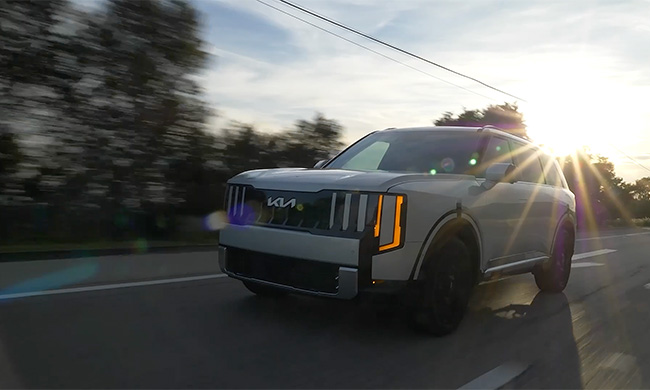
Consider the hybrid lineup from Kia, spanning multiple vehicle classes including the flagship, three-row Telluride, mid-size SUVs and minivans. That variety gives drivers more flexibility when choosing the best vehicle for their lifestyle.
Hybrid electric vehicles combine a gasoline engine with a self-charging electric motor to improve fuel economy. Since no plug-in is required, turbo hybrid models are a practical option for drivers looking for both maximum fuel efficiency and passing power.
“Start by considering your true budget, actual driving habits and cargo space you really need,” said James Bell, head of corporate communications and public relations at Kia America. “Shoppers should also compare a hybrid’s fuel economy and purchase price with similar gas-powered models to highlight expected savings.”
Hybrid vehicles have come a long way with more options for drivers looking for the right fit. Learn what you should consider before making the switch at Kia.com.

SOURCE:
Kia
Automotive
2027 Toyota Tundra Adds Trailhunter Package and Updated Technology
The 2027 Toyota Tundra adds a Trailhunter package, refreshed styling and a standard 14-inch touchscreen. Starting MSRP is $42,890.
Last Updated on November 7, 2026 by Daily News Staff
PLANO, Texas — Toyota is updating the 2027 Tundra with refreshed exterior styling, a new Trailhunter package and additional technology for its full-size pickup lineup.

2027 Toyota Tundra: Trailhunter Package and Tech Updates
Based on the SR5 grade, the Trailhunter package adds Old Man Emu suspension, Michelin all-terrain tires, front recovery hooks and extra underbody protection. A locking rear differential, Multi-Terrain Select and Crawl Control help drivers navigate challenging terrain, while bronze-colored wheels distinguish the package.
The TRD Pro receives newly designed, adjustable FOX Q3S shocks, standard red tow hooks and a new Honeycomb paint option.
Inside, a 14-inch multimedia touchscreen becomes standard. Toyota also adds a built-in drive recorder and makes Toyota Safety Sense 4.0 standard across the lineup. Gas and i-FORCE MAX hybrid powertrains remain available.
Toyota lists the 2027 Tundra with a starting MSRP of $42,890. Buyers should check destination charges, options and dealer pricing when comparing total costs.
Sources: