

Family
How Invasive Pests Spread and How You Can Help Stop Them

How Invasive Pests Spread and How You Can Help Stop Them
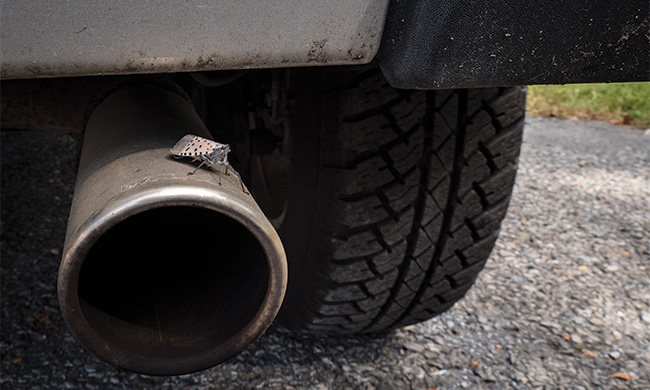
(Feature Impact) Invasive pests can hide in places you’d never expect, and once they spread, they can destroy the trees, plants and food people rely on every day. These pests pose a serious threat to agriculture, forests, ecosystems and the food supply. Many invasive species cannot travel far on their own; instead people unknowingly move them from place to place.
According to the U.S. Department of Agriculture’s Animal and Plant Health Inspection Service, invasive pests hitchhike on everyday items such as plants, produce, firewood, vehicles and outdoor equipment. That makes many common activities – from traveling and online shopping to camping and gardening – potential “pathways” for invasive pests to move and reach new areas. Understanding these pathways is the first step to stopping pests before they spread.
Traveling Abroad
When you travel abroad and return from another country, the agricultural items you bring back can introduce new invasive pests into the U.S. and threaten crops or trees that have no natural defenses against them. Even harmless-looking fruit, seed packets or souvenirs made with plant materials can carry pests such as fruit flies and diseases like citrus canker. That’s why it’s critical travelers declare food, plants and other agricultural products when entering the country from abroad.
Shopping Online
Just because you can order seeds and plants from sellers around the world, it doesn’t mean those items are legal or safe to import. In fact, some invasive snails and plant diseases have entered the U.S. this way. Many agricultural products from overseas require permits, inspections or special paperwork before they can enter the country. Buyers should check where an item ships from, learn the import requirements before purchasing and make sure sellers follow all labeling and shipping rules.
 Partaking in Outdoor Activities
When you spend time outdoors hiking, camping, hunting or fishing, you could inadvertently spread invasive species. For example, transporting firewood from one location to another can spread tree-killing insects, such as the emerald ash borer, which can live inside the wood and emerge later in a new area. The safest choice is to buy or use firewood where you burn it. Additionally, clean all outdoor clothing, gear, equipment and vehicles before leaving an area.
Moving Outdoor Equipment
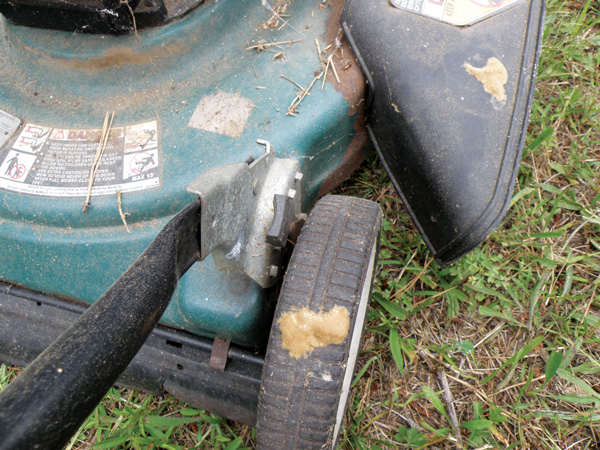
When you move to a new home, your move can create another opportunity for invasive insects to travel. Before relocating patio furniture, grills, trailers or lawn equipment, inspect and clean them carefully. Look for insects, plant debris and egg masses like spotted lanternfly egg masses, which can blend into outdoor surfaces and look like smears of mud or clumps of dirt. A few minutes of checking and cleaning before you move can help prevent pests from invading your new neighborhood.
Invasive pests cost the U.S. billions of dollars every year and damage forests, farms, parks and backyards. Stopping invasive pests starts with simple steps anyone can take: checking what you pack, clean, move and buy. When everyone does their part, fewer pests spread and communities stay healthier and more resilient.
Visit aphis.usda.gov/hungrypests to learn more about how invasive pests spread and the simple steps you can take to help stop them and protect America’s agriculture and natural resources.
Invasive Pest Protection Checklist
- Declare all food, plants and agricultural items when returning from another country.
- When ordering items online, check where the products ship from and verify U.S. import rules before buying.
- If you’re camping, buy firewood where you plan to burn it. Clean clothing, gear and vehicles before leaving.
- Before moving to a new home, inspect outdoor furniture and equipment, looking closely for egg masses or insects.
Content courtesy of USDA.

SOURCE:
United States Department of Agriculture
📰 Enjoying STM Daily News? Join the conversation!
💬 Leave a comment, share your thoughts, and subscribe to our newsletter for the latest stories, updates, and “News You Can Use This Moment!” delivered to your inbox.
Stay connected with STM Daily News!


home improvement
5 Simple Steps to Prepare Before Disaster Strikes
Disaster preparedness doesn’t have to be expensive or complicated. It’s all about the small, simple steps you can take to protect yourself, your family and your community.

(Feature Impact) Disaster preparedness doesn’t have to be expensive or complicated. It’s all about the small, simple steps you can take to protect yourself, your family and your community.
Yet, as severe weather becomes more frequent, many people aren’t prepared for the impact.
New research from United Way Worldwide and Verizon revealed that although 60% of U.S. adults are concerned a natural disaster could affect their household in the next year, only 15% would feel very prepared for one.
While many people understand the risks, they face real barriers to preparation. Cost remains the primary obstacle to disaster preparedness with 45% of those surveyed naming it as the top barrier. In addition to cost, lack of time (25%) and not knowing where to start (28%) prevented people from taking action.
That’s why preparedness should be practical and affordable.
For example, the United Way’s United We Prepare initiative, supported by Verizon, offers free disaster preparedness workshops, emergency kit distribution, information on local emergency services and practical guidance to help people plan and be ready to weather a storm.
When individuals and families are better prepared, communities are more resilient. Get started with these simple, zero-cost steps:
 Identify Key Emergency Contacts
Choose a relative or friend outside of your immediate community who can act as a central check-in point or offer shelter during an emergency. Also, take a few moments to create updated digital and physical emergency contact lists with names, phone numbers and addresses of loved ones as well as service and healthcare providers.
Enable Local Alerts
Identify trusted local emergency services and news that can provide weather and emergency information. Turn on wireless emergency alerts in your phone settings, bookmark local news weather pages and save other important website links to ensure you’re in-the-know when disasters strike.
Build a Support System
Before severe weather, touch base with at least two neighbors or family members to identify what help they may need (or what assistance they can provide) and create a plan for checking in with each other in the event of an emergency.
Plan for Special Needs
It’s easiest to make clear-headed decisions before you’re stressed and rushing in the heat of the moment, so sit down and sketch out basic plans for special needs related to transportation, prescriptions, caregiving and pets before severe weather arrives. Decide where you would meet if separated, how to get there if transportation is disrupted, who would pick up children or take care of pets, what health needs or medications need to be considered and more.
Save Key Information and Documents Digitally
During a crisis, you likely won’t have time to search filing cabinets, desks and glove compartments for important documentation. Take photos or make digital copies of identification documents, insurance information, medical cards, prescription details, important household records and other key documents to access if you need to leave home quickly. For insurance purposes, it may also be helpful to take a video of your property and valuable belongings in your home in case they’re damaged or ruined.
The goal isn’t to do everything at once; it’s to start. An hour spent making connections, gathering information and talking through a plan today can make it easier to act when time matters most.
For more simple preparedness tips and resources, visit UnitedWePrepare.org.
Test Your Disaster Preparedness Knowledge
Take the quiz at UnitedWePrepare.org to test your knowledge on 10 disaster preparedness questions customized to your area, such as:
- What should you include in a winter emergency supply kit for your car?
- What is the difference between a Tornado Watch and Tornado Warning?
- When should you evacuate during a wildfire?
- Why is it important to prepare for disasters?
Photo courtesy of Shutterstock (preparation supplies)
SOURCE:

child education
Preparing the Next Generation for Economic Mobility in an AI-Driven World
AI-Driven World: Within only a few years, AI has already changed many things about the world and workforce. Entry-level jobs, particularly the ones relying on routine and predictable tasks, are increasingly disappearing to automation, leaving young people wondering how to launch their careers and futures. To learn what preparing students for the future may look like in practice, consider these tips.

Preparing the Next Generation for Economic Mobility in an AI-Driven World
(Feature Impact) Within only a few years, AI has already changed many things about the world and workforce. Entry-level jobs, particularly the ones relying on routine and predictable tasks, are increasingly disappearing to automation, leaving young people wondering how to launch their careers and futures.
Access to economic mobility – the ability to change your income or wealth – doesn’t just rely on technical knowledge and skills but on leaning into humanity. Being able to think outside the box, collaborate, solve problems and grow as a person can open doors in life and at work. AI may be changing the world, but in change lies opportunity. The students who can adapt quickly are more likely to prosper as the economy continues to reshape itself.
To learn what preparing students for the future may look like in practice, consider these tips from the economic and career experts at Junior Achievement.
Build the Kinds of Skills AI Can’t Replace
Young people facing AI as their competition can get a boost from cultivating the uniquely human skills technology can’t replicate. Educators, parents and other adults in kids’ lives can help them develop increasingly important soft skills like critical thinking, communication, teamwork and leadership, which can translate to many different careers. Hands-on skills can fit into this category as well, like the kinds required in entrepreneurship and the trades.
Provide Real-World Experiences
When young people have the chance to test themselves in a real-world setting, it lets them hone their interests, skills and confidence before the time comes to make major decisions about their futures. As early as elementary school, experiential learning activities like Junior Achievement’s Biztown allow students to operate businesses, work with others, manage finances and solve problems, combining in-class learning with hands-on simulations. As kids grow up, other options can include job shadowing, internships and entrepreneurship experiments – all ways to build durable social and professional skills that can help them succeed.
Teach Foundational Financial Literacy
Earning money is only part of the equation for a healthy financial future; equally important is understanding how to manage it. As kids prepare to earn their first sources of income, make sure they’re also equipped with practical financial skills like budgeting, saving, investing, using credit wisely and planning for future goals. Giving them these tools early helps them make informed decisions about their long-term economic advancement.
Connect Students with Employers and Opportunities
Sometimes, all a student needs to succeed is someone who’s willing to give them a chance. Young people in a position to meet business professionals in (and beyond) their communities may be able to turn those connections into future opportunities. This can happen naturally as they seek real-world experiences through apprenticeships, mentorship programs, career fairs and more.
Programs like Junior Achievement’s 3DE puts students in authentic business challenges, connecting them with educators, business partners and volunteers as they work in teams to complete case experiences. This not only gives young people the opportunity to meet potential employers or mentors, it also lets them demonstrate critical thinking, social skills and real-world competence.
Visit jausa.ja.org for more ideas to help young people gain the confidence and connections needed to achieve economic mobility in a changing world.
Photo courtesy of Shutterstock
SOURCE:
Consumer Corner
Cold cities are the most ready for winter, with one exception. See where your city ranks
Cold cities? Every neighborhood has a mix of homeowners who approach seasonal home maintenance differently – there are the people who stay on schedule, and on the other end, the procrastinators. There are the dedicated DIYers, and those who have their favorite maintenance pro saved as a favorite contact in their phone. As it turns out, cities are no different. Some metropolitan areas keep their neighborhoods in tip-top shape, while others are a little more slow-going.
Cold cities are the most ready for winter, with one exception. See where your city ranks
(Sheeka Sanahori) Every neighborhood has a mix of homeowners who approach seasonal home maintenance differently – there are the people who stay on schedule, and on the other end, the procrastinators. There are the dedicated DIYers, and those who have their favorite maintenance pro saved as a favorite contact in their phone. As it turns out, cities are no different. Some metropolitan areas keep their neighborhoods in tip-top shape, while others are a little more slow-going.
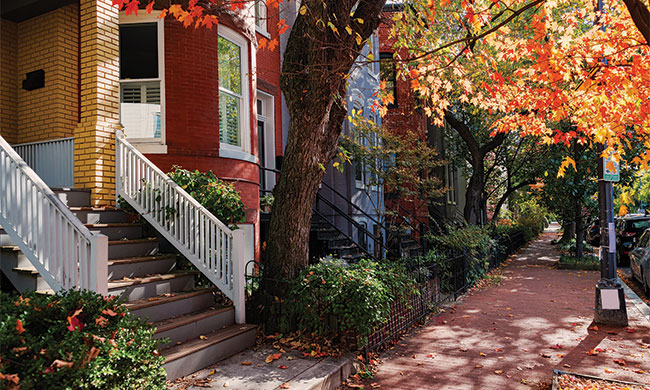
New data from home services company Angi, covering fall maintenance activity in August, reveals which U.S. metropolitan areas are the most proactive with fall maintenance. Washington, D.C., tops the ranking with the strongest demand for fall maintenance in the country, followed by Columbus, Ohio, and Milwaukee, Wisconsin. Northern cities dominate the rest of the list.
Cleveland, Ohio, and Albany-Schenectady-Troy, New York, round out the top five. Cold-weather markets dominate the ranking, accounting for eight of the 10 most-prepared metros. Rochester, New York; Charlotte, North Carolina; Chicago; Indianapolis; and Pittsburgh complete the top 10.
Least fall-ready metros
Fewer than 1 in 5 American cities is prepping for fall at an above-average rate. Among the 66 metros that recorded at least 100 fall maintenance service requests during the analysis period, Los Angeles had the lowest level of per-capita activity, followed by Oklahoma City and Riverside, California. California accounts for four of the bottom 10 markets, with Los Angeles, Riverside, San Diego and San Francisco all appearing on the list. These metros historically don’t experience the colder winter climates of the Northeast and Midwest, making fall maintenance less of an imperative.
Grand Rapids, Michigan, stands out as the only clearly cold-weather metro among the 10 least-prepared large metros. The New York City metro, which includes Newark and Jersey City, ranked just outside the 10 least-prepared large metros, coming in at number 11. Other New York state metros, including Syracuse, Rochester and the Albany metro area, were on the most prepared list.
Homeowners are choosing upkeep over upgrades
Sixty-three percent of homeowners who have recently hired a professional completed maintenance work, and 58% completed repairs. Although they may be waiting to do that dream kitchen or bath renovation, they’re focusing for now on the maintenance that keeps their homes in order.
The most common fall maintenance projects focus on outdoor upkeep. Nationally, tree trimming was the most popular, followed by lawn and yard waste cleanup and shrub care.
What homeowners should do now
When tackling a home maintenance list, start at the top of the home by inspecting the roof and gutters. Look for loose or damaged shingles, and make sure gutters are debris-free. It’s also a good idea to ensure downspouts direct water far away from the foundation. Homeowners should inspect these areas from the ground or hire a professional if the work requires climbing or feels unsafe.
Next, check for drafts around the windows and doors. Replacing worn weatherstripping and damaged caulk in the fall can prevent warm air from escaping once the heat comes back on. Homeowners should also inspect their HVAC filters and have the heating system checked before the temperatures drop.
Every home’s maintenance needs will vary, depending on the age and condition of the house and where it’s located. Whether homeowners hire a professional or safely address small issues, making the fixes can prevent larger and more expensive problems later.
The ranking: Metros from most to least prepared
America’s 10 Most Fall-Prepared Metros
1. Washington, D.C.
2. Columbus, Ohio
3. Milwaukee, Wisconsin
4. Cleveland, Ohio
5. Albany-Schenectady-Troy, New York
6. Rochester, New York
7. Charlotte, North Carolina
8. Chicago, Illinois
9. Indianapolis, Indiana
10. Pittsburgh, Pennsylvania
10 Metros With the Most Opportunity to Get Fall-Ready
1. Los Angeles, California
2. Oklahoma City, Oklahoma
3. Riverside, California
4. Miami, Florida
5. San Diego, California
6. Houston, Texas
7. Grand Rapids, Michigan
8. San Francisco, California
9. Austin, Texas
10. Memphis, Tennessee
Methodology
The rankings are based on fall maintenance activity recorded on Angi during August 2026. Projects included yard cleanup, winterization, roofing and gutters, heating systems, water and drainage, outdoor plumbing, fireplaces and chimneys, pest prevention, and snow and storm preparation. U.S. metropolitan areas were ranked by activity per 100,000 residents using 2020 U.S. Census population data. To qualify for the least-prepared ranking, metros were required to have at least five service requests or jobs during the analysis period. The rankings reflect activity on Angi’s platform and are not a complete measure of all home-maintenance activity within each metro. These rankings reflect activity observed on Angi’s platform and should not be interpreted as a complete measure of all home-maintenance behavior within a metro area.
Photo courtesy of Shutterstock
SOURCE:
Angi




