

Food and Beverage
Dish Up a Fall Seafood Delight: 5 ways to prepare fresh lobster at home
Maine Lobster, in its peak season this fall, offers versatile cooking methods like grilling, steaming, and air-frying, ideal for family meals. Latinx chef Marisel Salazar shares lobster recipes inspired by American Latino cuisines.

(Family Features) If you’re seeking a new way to bring your family together at mealtimes during a busy fall, look no further than sweet, succulent Maine Lobster. As a versatile solution at the center of delicious dinners, satisfying snacks and beyond, it’s a perfect way to serve up new fall favorites.
The fall harvest brings peak season for Maine Lobster, offering bountiful opportunities to enjoy its sweetness in an abundance of recipes like these dishes from Marisel Salazar, an accomplished Latinx food writer with a unique global perspective. Her debut cookbook, “Latin-ish,” celebrates more than 100 modern recipes influenced by American Latino cuisines.
Lobster is easier to cook than some may believe, making it accessible for cooks of all backgrounds and experience levels. Salazar and the experts at the Maine Lobster Marketing Collaborative recommend these five methods:
- Grilled: Lobster soaks up the charred flavors from the grill, delivering a smoky flavor that complements the sweet, succulent meat.
- Air-Fried: Results in a crisp exterior and tender, juicy meat, enhancing lobster’s natural flavors.
- Boiled: A quick, easy, popular method perfect for entertaining, boiling brings out the rich, sweet flavor in these recipes for Puerto Nuevo-Style Lobster and Lobster Ceviche.
- Steamed: Preserves lobster’s natural taste and tenderness as a gentle cooking method, making it harder to overcook.
- Baked: Allows for flavorful additions like garlic butter or a breadcrumb topping. Creates a delicious, savory crust for a gourmet twist.
With its first documented catch dating back to the 1600s, the Maine Lobster fishery is one of the oldest continually operated industries in North America. The fishery employs more than 5,000 independent lobstermen, harvests 90 million pounds of lobster and, in 2023, landed 80% of the lobster caught nationwide. Find more ways to enjoy fresh lobster this fall at LobsterFromMaine.com.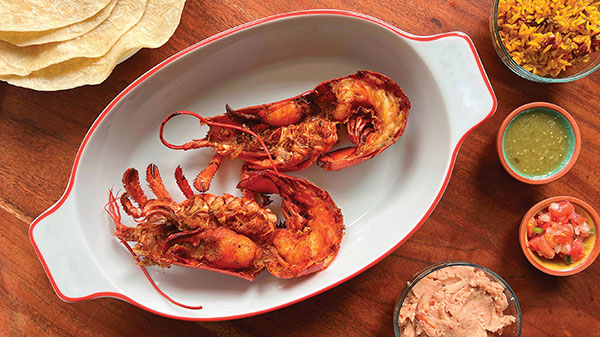
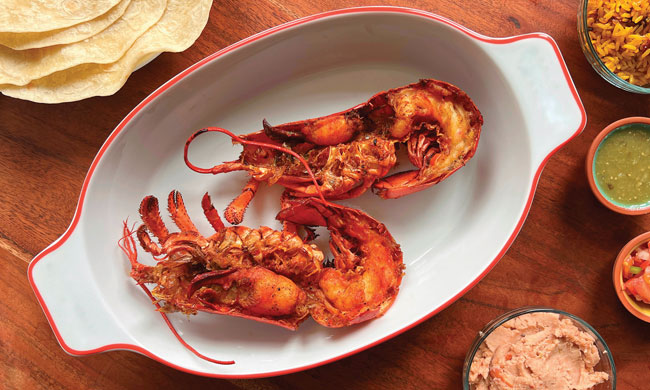
Puerto Nuevo-Style Lobster
Recipe courtesy of Marisel Salazar, on behalf of the Maine Lobster Marketing Collaborative
- Seafood seasoning, to taste
- 1 bottle Mexican beer
- 2 Maine Lobsters (about 3 pounds)
- black pepper, to taste
- 2/3 cup lard, vegetable shortening or olive oil
- 1/4 cup unsalted butter
- flour or corn tortillas
- 2 cups red rice
- 1 cup refried black or pinto beans
- 1 cup pico de gallo
- 1 cup salsa verde
- 6 lemon wedges
- Bring large pot of water to boil. Season with seafood seasoning, to taste, and a few splashes of Mexican beer. Boil lobsters 3 minutes.
- Remove and split lobsters in half down middle. Thoroughly rinse shell and lobster meat, discarding green intestines and black vein running down center of tail.
- Lightly season lobster halves with seafood seasoning and black pepper, to taste.
- In deep-frying pan, heat lard. Fry each lobster half 5 minutes on each side. Set aside to drain on paper towel-lined plate.
- To serve, scoop lobster meat onto tortilla with rice, beans, pico de gallo, salsa verde and squeeze of lemon.
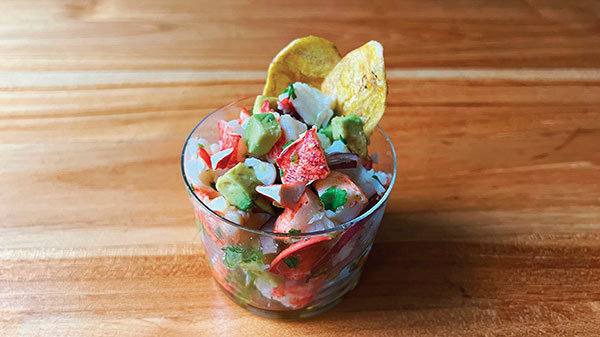
Lobster Ceviche
Recipe courtesy of Marisel Salazar, on behalf of the Maine Lobster Marketing Collaborative
- 1 Maine Lobster (about 1 1/2 pounds)
- 1 1/2 tablespoons fresh lime juice
- 1 small red or white onion, minced or sliced
- 2 tablespoons fresh cilantro, chopped
- 1 tablespoon jalapeno, seeded and minced
- 1-2 tablespoons extra-virgin olive oil or avocado oil
- flaky sea salt, to taste
- saltines, tortilla chips or plantain chips, for serving
- Bring large pot of salted water to boil. In large bowl, prepare ice bath with 2 quarts water and lots of ice.
- If using whole lobster, split lobster in half and use dish towel to twist off claws and tail. Discard body.
- Boil tail and claws 1 1/2 minutes. Remove tail from water and place in ice bath. Allow claws to boil 1 1/2 minutes longer. Remove and place in ice bath.
- On chopping board, shell lobster tail and claws. Discard shells. Roughly chop into pieces.
- In medium bowl, toss lobster and lime juice. Refrigerate 1 hour.
- When ready to serve, add onion, cilantro and jalapeno to bowl with lobster; toss to combine. Arrange on plate or in serving glass. Drizzle with oil and top with flaky sea salt, to taste. Serve with saltines, tortilla chips or plantain chips.
SOURCE:
Maine Lobster Marketing Collaborative
At our core, we at STM Daily News, strive to keep you informed and inspired with the freshest content on all things food and beverage. From mouthwatering recipes to intriguing articles, we’re here to satisfy your appetite for culinary knowledge.
Visit our Food & Drink section to get the latest on Foodie News and recipes, offering a delightful blend of culinary inspiration and gastronomic trends to elevate your dining experience.
https://stmdailynews.com/category/food-and-beverage


Food and Beverage
Jack-o’-Lantern Stuffed Peppers Prove Fun Isn’t Just for Pumpkins
These Jack-o’-Lantern Stuffed Peppers give you a Halloween-themed, kid-approved way to put vegetables on the dinner table.
Recipes:
Jack-o’-Lantern Stuffed Peppers
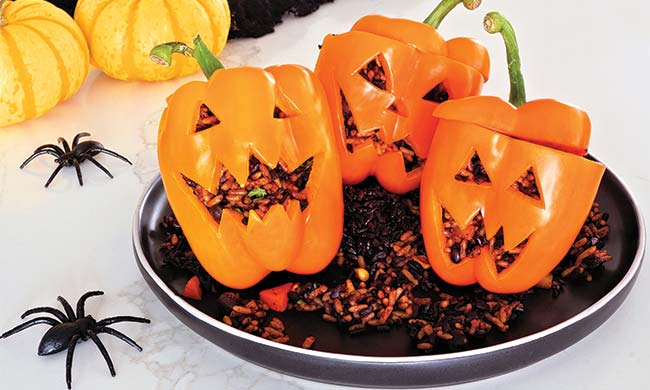
Jack-o’-Lantern Stuffed Peppers Prove Fun Isn’t Just for Pumpkins
(Feature Impact) Jack-o’-lantern carving is a cherished fall tradition – but pumpkins aren’t the only vegetables you can decorate with fun, spooky or scary faces. These Jack-o’-Lantern Stuffed Peppers give you a Halloween-themed, kid-approved way to put vegetables on the dinner table.
Filled with savory ground turkey, brown rice, melty cheese and warm, savory spices, these peppers taste as autumnal as they look. It’s simple to customize the filling to your family’s tastes, and you can even make the meal interactive by inviting kids to choose their own pepper colors and carve their own expressions.
Find more Halloween and seasonal recipes at Culinary.net.
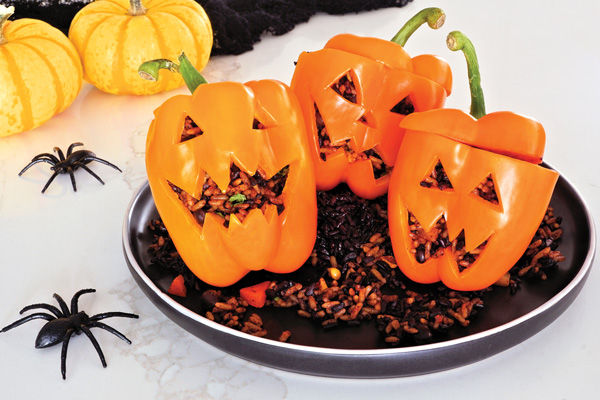
Jack-o’-Lantern Stuffed Peppers
Recipe adapted from AllRecipes
Prep time: 15 minutes
Cook time: 45 minutes
Servings: 4
- 1 teaspoon olive oil
- 1 pound ground turkey
- 3 cloves garlic, minced
- 1/2 medium onion, diced
- 1 teaspoon garlic powder
- 1 teaspoon cumin
- 4 large orange bell peppers
- 1 cup cooked brown rice
- 1 cup grated sharp cheddar cheese
- 2 teaspoons kosher salt
- 1/2 teaspoon ground black pepper
- cayenne pepper, to taste
- cups seasoned tomato sauce, warmed
- Preheat oven to 400 F and coat 9-by-13-inch baking dish with olive oil.
- In skillet, brown ground turkey with minced garlic, onion, garlic powder and cumin until meat is cooked, 4-5 minutes.
- With small knife, cut eyes, nose and mouth into flattest side of each pepper to resemble jack-o’-lantern. Cut around seed pods and remove pepper tops, trimming and discarding any seeds from under stems then setting tops aside. Trim white membranes from inside each pepper and shake out seeds. Place peppers in prepared baking dish.
- In bowl, combine turkey mixture with cooked rice, cheddar cheese, salt, black pepper and cayenne pepper, to taste.
- Divide and stuff mixture into peppers; cover with reserved pepper tops.
- Wrap baking dish loosely with aluminum foil and bake until peppers are tender, about 45 minutes.
- Spoon about 3 tablespoons warm tomato sauce onto each plate; place stuffed peppers on top. Serve remaining sauce on side.
Photo courtesy of Shutterstock

SOURCE:
Food and Beverage
Serve Up Smiles with Favorite Holiday Sides
Turkey and ham may sit centerstage, but classic holiday sides can make the season truly special. You can bring smiles to your loved ones’ faces by dishing out those favorite recipes everyone asks for year after year.
(Family Features) Turkey and ham may sit centerstage, but classic holiday sides can make the season truly special. You can bring smiles to your loved ones’ faces by dishing out those favorite recipes everyone asks for year after year.
Made with a delicious combination of rice, cheddar cheese, cream of mushroom soup and broccoli florets, this quick and easy version of Broccoli and Cheese Rice Casserole is an ideal one-pot dish to keep the holidays simple. With three easy steps and everyday ingredients, it comes together with minimal effort for traditional casserole taste.
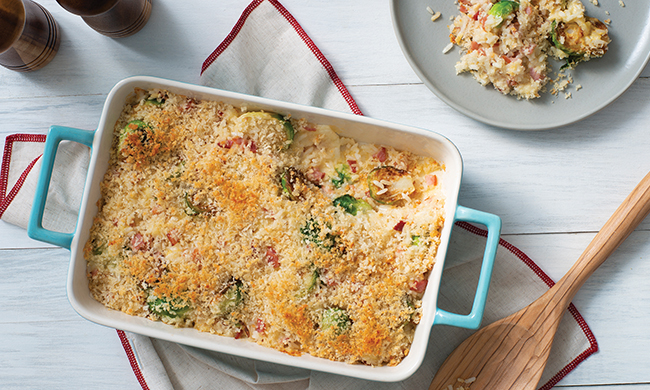
When it comes to feeding a crowd, it’s often best to let your oven do the work. This Brussels Sprouts and Ham Rice Gratin recipe allows you to serve up a filling favorite with little effort using pantry staples. Plus, it’s a kid-friendly way to encourage veggies at this year’s holiday meal with gooey cheese providing tempting taste bud motivation.
These seasonal classics and more are made quick and easy with an option like Success Boil-in-Bag Rice, a pre-measured, mess-free way to make fluffy, high-quality rice. It’s cooked by simply dropping a bag of rice in a pot of water or broth then boiling it for 10 minutes. BPA-free and FDA-approved, the bags are safe to use and made to withstand high temperatures.
An added bonus: If you’re aiming to achieve a particular flavor, just season the rice by cooking in water infused with herbs, spices, broth, coconut milk or other liquids like juice for sweeter recipes.
Visit SuccessRice.com to find more holiday recipe inspiration.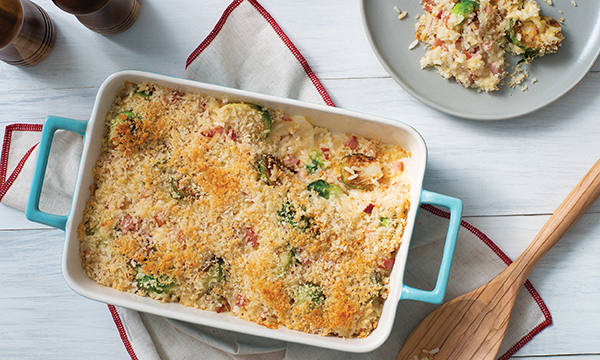
Brussels Sprouts and Ham Rice Gratin
Prep time: 20 minutes
Cook time: 25 minutes
Servings: 4
- 1 bag Success White Rice
- 1/2 pound Brussels sprouts, trimmed and halved
- 1/3 cup diced ham
- 1 clove garlic, minced
- 1 tablespoon olive oil
- 3/4 teaspoon salt, divided
- 3/4 teaspoon black pepper, divided
- 1 cup heavy cream
- 2 tablespoons finely chopped fresh chives
- 2 tablespoons Dijon mustard
- 1 cup shredded sharp cheddar cheese
- 1/2 cup grated Parmesan cheese, divided
- 1/3 cup breadcrumbs
- 2 tablespoons butter, melted
- Preheat oven to 450 F. Prepare rice according to package directions.
- In large bowl, toss Brussels sprouts, ham, garlic, olive oil, 1/4 teaspoon salt and 1/4 teaspoon pepper. Place on parchment paper-lined baking tray and roast 12-15 minutes, or until caramelized. Decrease oven temperature to 425 F.
- In large bowl, toss rice, Brussels sprouts mixture, cream, chives, Dijon mustard, remaining salt and remaining pepper. Stir in cheddar and 1/3 cup Parmesan cheese. Transfer mixture to greased, 2-quart baking dish.
- In small bowl, stir breadcrumbs, remaining Parmesan and melted butter. Sprinkle over rice mixture.
- Bake 12-15 minutes, or until golden brown and bubbling.
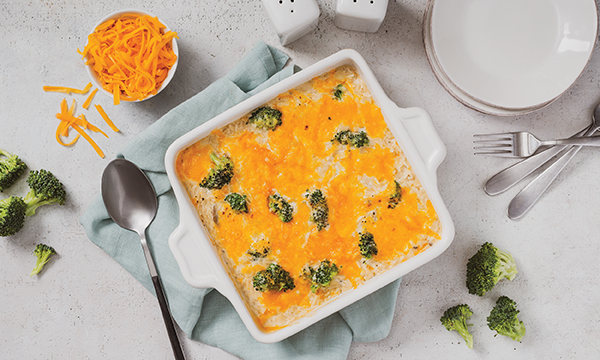
Broccoli and Cheese Rice Casserole
Prep time: 5 minutes
Cook time: 30 minutes
Servings: 4-6
- 1 bag Success White Rice or Brown Rice
- nonstick cooking spray
- 1 can (10 3/4 ounces) condensed cream of mushroom soup
- 2 cups frozen broccoli florets, thawed and drained
- 1 1/2 cups shredded cheddar cheese, divided
- 1/2 cup evaporated milk
- 3 tablespoons butter, melted
- 1 tablespoon grated onion
- 1/2 teaspoon salt
- 1/2 teaspoon black pepper
- Prepare rice according to package directions. Preheat oven to 350 F.
- Coat 2-quart casserole dish with nonstick cooking spray. In medium bowl, combine soup, broccoli, 1 cup cheddar cheese, evaporated milk, butter, onion, salt and pepper. Fold in rice.
- Pour mixture into prepared dish and top with remaining cheddar cheese. Bake 20 minutes.
SOURCE:
Success Rice
At our core, we at STM Daily News, strive to keep you informed and inspired with the freshest content on all things food and beverage. From mouthwatering recipes to intriguing articles, we’re here to satisfy your appetite for culinary knowledge.
Visit our Food & Drink section to get the latest on Foodie News and recipes, offering a delightful blend of culinary inspiration and gastronomic trends to elevate your dining experience.
https://stmdailynews.com/category/food-and-beverage
You can also find food and beverage-related videos on our YouTube channel, where we regularly post new content and share tips, recipes, and demonstrations. https://youtube.com/playlist?list=PLEhXBupt8tVynuUhpQZMxQt4lvPmOiAtQ&si=InDwc7YaB0KIwmxy
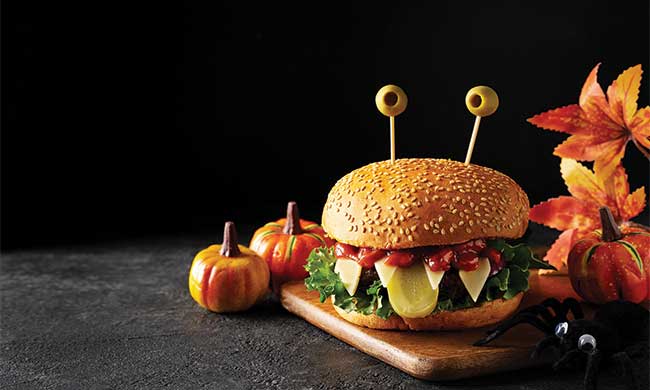
(Feature Impact) Out with the ordinary, in with the weird – that’s what the Halloween season is all about. These Halloween Monster Burgers give a ghoulishly fun twist on burger night, featuring all your favorite toppings transformed into olive eyes, cheese fangs and a pickle tongue.
Whether you reach for a traditional hamburger patty or switch it up with chicken, turkey, bean or veggie options, the effect is the same: a dinner that looks like it escaped from a mad scientist’s lab. It’s a good way to get some protein and veggies into kids before the trick-or-treating sugar rush, and you can even make it interactive by inviting them to decorate their own monsters and come up with creative variations.
Alternatively, if you’re looking for some spooky hors d’oeuvres to impress at this year’s Halloween party, these burgers are easy to size down into slider form. Serve a whole tray of mini monsters ready to devour – or be devoured by – hungry guests.
Find more Halloween recipe inspiration at Culinary.net.
Halloween Monster Burgers
Recipe adapted from Happy Foods Tube
Prep time: 10 minutes
Total time: 18 minutes
Servings: 4
- 4 hamburger, chicken or veggie patties
- 4 tablespoons mayonnaise
- 4 teaspoons ketchup, plus additional, to taste, divided
- 4 hamburger buns
- 8 leaves baby romaine lettuce
- 4 slices dill pickles, sliced lengthwise
- 4 cheese slices
- 8 large green olives, pits removed
- Cook burger patties until they reach desired doneness.
- In small bowl, combine mayonnaise and 4 teaspoons ketchup. Spread each bun base with about 1 tablespoon mayo sauce then add two lettuce leaves and cooked burger patty.
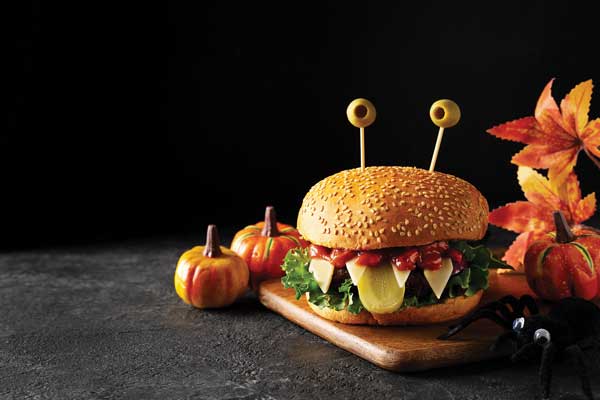
- Add pickle slice as monster “tongue.” Take each cheese slice and cut triangles into one side to resemble teeth; add to burger then cover with ketchup “blood,” to taste.
- Stick olives on toothpicks and add two to each top bun as “eyeballs.”
Photo courtesy of Shutterstock

SOURCE:




