

fitness
How to Keep Your Lungs Healthy

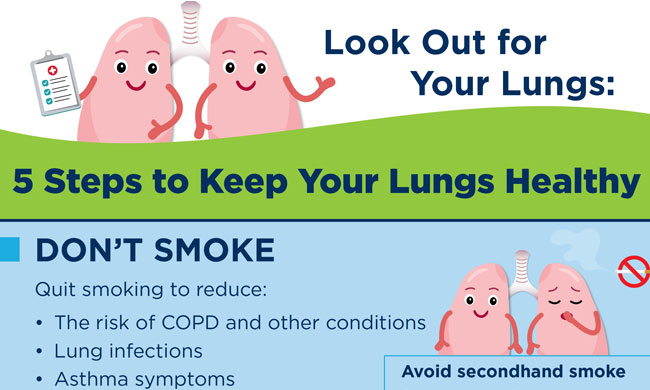
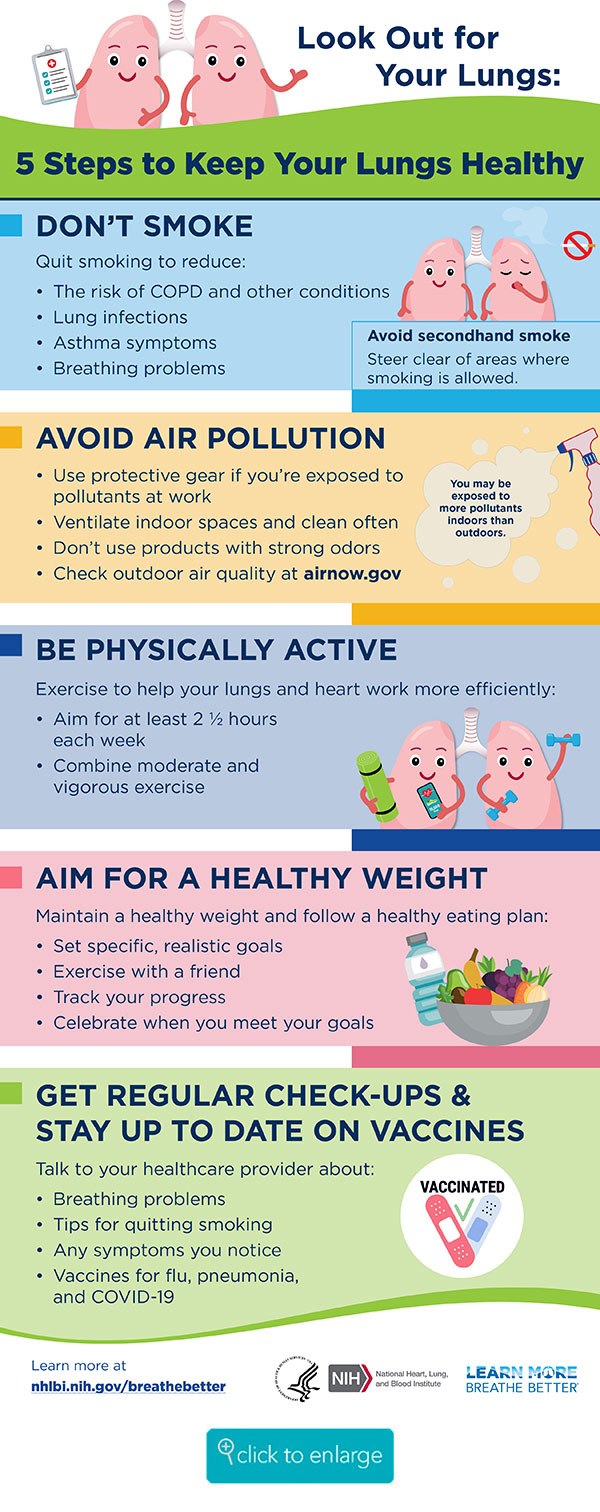
(Family Features) The centerpiece of your respiratory system, your lungs have the important job of moving oxygen to your blood when you breathe in and removing carbon dioxide, a waste gas, when you breathe out. Millions of Americans are living with lung diseases such as chronic obstructive pulmonary disease (COPD) and asthma, which make breathing difficult and can lead to other breathing-related problems. Experts at the National Heart, Lung, and Blood Institute’s Learn More Breathe Better® program offer tips to help protect your lungs from injury or disease. Learn more at nhlbi.nih.gov/BreatheBetter.
SOURCE:
National Heart, Lung, and Blood Institute
https://stmdailynews.com/category/lifestyle/health-and-wellness/health/


Food and Beverage
Beyond Protein: 2 Nutrients Your Plate Might Be Missing
Nutrients: Everyone is talking about protein these days whether watching their weight or managing a disease like type 2 diabetes. However, fiber and healthy fats are nutrients many people are overlooking. One food that makes it easier to invest in your health, according to nutrition experts: avocados.

Beyond Protein: 2 Nutrients Your Plate Might Be Missing
(Feature Impact) Everyone is talking about protein these days whether watching their weight or managing a disease like type 2 diabetes. However, fiber and healthy fats are nutrients many people are overlooking. The latest reports show most Americans already meet or exceed recommendations for protein while nearly all (about 95%) do not eat enough fiber, and many people consume too much saturated fat versus unsaturated fat, according to the 2025 Dietary Guidelines Advisory Committee. Prioritizing ways to get more fiber and healthy fats on your plate could be key to managing weight and type 2 diabetes goals this summer.
One food that makes it easier to invest in your health, according to nutrition experts: avocados.
A growing body of research and materials from Avocados – Love One Today, a science-based resource, suggests fresh avocados offer weight management benefits, help with type 2 diabetes management and are good for blood sugar management.
 According to a study* of more than 27,000 adults published in the journal “Internal Medicine Review,” people who ate just over half of an avocado per day weighed 7.5 pounds less, had smaller waist sizes and tended to have healthier overall eating habits, including higher intakes of fiber and healthy fats, compared to people who didn’t eat avocados. Among the list of benefits, this delicious and healthy fruit uniquely contains fiber and healthy fats in each nutrient-dense bite which slows digestion, helping you feel satisfied and fuller longer which can help you consume fewer calories overall. In fact, if you’re using a GLP-1, avocados are one of the foods to add to your menu to make small meals feel more filling and satisfying while supporting nutrient needs.
Scientists also recently took a second look at the largest study* about avocado consumption to-date involving close to 1,000 adults, per the journal “Current Developments in Nutrition,” and found that consistently eating one avocado every day for six months (no other diet changes required) significantly reduced dietary glycemic load (GL) by nearly 14 points, a metric that evaluates how what you are eating is affecting your blood sugar levels. GL may be an important consideration in the management of chronic diseases like type 2 diabetes. By slowing digestion, fiber and healthy fats also support stable blood sugar levels.
There are many ways to enjoy avocados, including chopped, sliced, mashed, blended, in baked goods or even frozen. Avocados add flavor, variety and nutrition across the day.
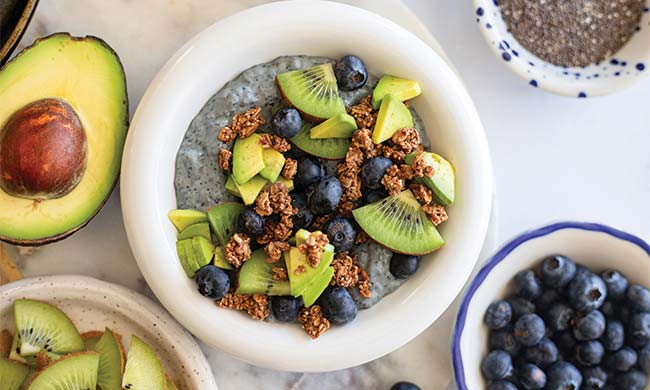
Try these recipes for Avocado and Blueberry Chia Pudding, Avocado Breakfast Bowl with Leafy Greens for your next breakfast or snack.
*Remember: Small, consistent food choices can add up over time. Research suggests regularly eating avocados may support weight management and blood sugar targets while providing the fiber and healthy fats that many Americans are overlooking. These studies were supported by the Avocado Nutrition Center. While these findings are encouraging, the studies highlighted show an association, not cause and effect, and thus more research is needed to confirm these findings in other populations.
To explore evidence-based avocado nutrition information, along with practical tips and easy recipes, visit Avocados – Love One Today, a leading resource for avocado nutrition information.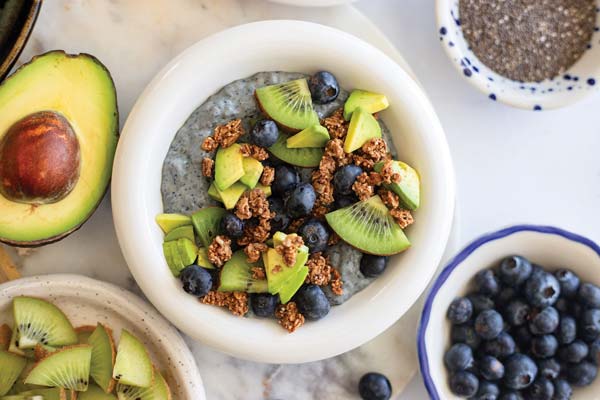
Avocado and Blueberry Chia Pudding
- 1 1/2 cups plain, unsweetened soy milk (or milk of choice)
- 1 ripe, fresh avocado, halved, pitted and peeled
- 3/4 cup frozen blueberries
- 1/2 cup unsweetened vanilla Greek yogurt
- 1 tablespoon maple syrup
- 1/3 cup chia seeds
To Serve:
- 1/3 cup granola
- 1/3 cup fresh blueberries
- 1 kiwi, chopped
- 1/2 fresh, ripe avocado, halved, pitted, peeled and chopped
- In blender, puree soy milk, avocado, blueberries, yogurt and maple syrup until smooth. Pour mixture into storage container or bowl and add chia seeds. Whisk well to combine. Cover with lid or plastic wrap and refrigerate 4 hours or overnight, until thickened.
- To serve, divide into bowls and top with granola, fresh blueberries, kiwi and avocado.
- Notes: Use any milk (dairy or non-dairy) that you prefer in pudding. Use fresh blueberries or conventional frozen blueberries. Other topping options include: nuts, seeds, hemp hearts, sliced banana or strawberries, or nut butter.
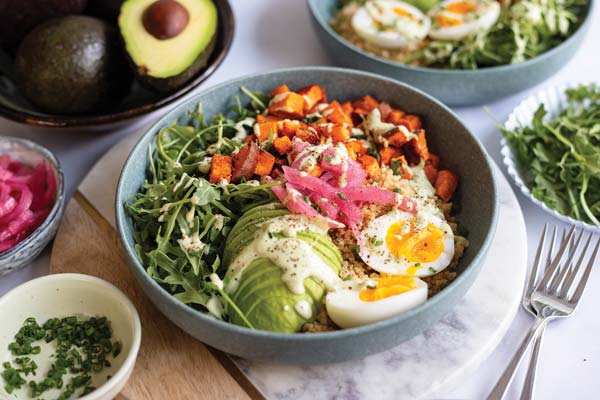
Avocado Breakfast Bowl with Leafy Greens
Bowl:
- 1 medium sweet potato, chopped (about 1 3/4 cup)
- nonstick cooking spray
- 1/4 teaspoon smoked paprika
- 1/4 teaspoon garlic powder
- 1/4 teaspoon salt
- 1/2 cup quinoa
- 1 cup water, plus additional for boiling eggs, divided
- 2 eggs
- 2 cups arugula
- 1 ripe, fresh avocado, halved, pitted, peeled and chopped
- 1/4 cup pickled red onions
Avocado Tahini Dressing:
- 1/2 large avocado
- 1/4 cup tahini
- 1 lemon, juice only (2 tablespoons)
- 3/4 cup water
- 1 tablespoon fresh chives
- salt, to taste
- pepper, to taste
- Preheat oven to 400 F. Add chopped sweet potato to baking sheet. Spray with cooking oil then add smoked paprika, garlic powder and salt. Toss to coat in spices. Bake 22-25 minutes, or until tender.
- In medium saucepan, add quinoa and water. Bring to simmer and cover, cooking 12-15 minutes, or until quinoa is tender and fluffy.
- Fill small saucepan with water and bring to boil. Use slotted spoon to lower eggs into water. Cook 8 minutes then transfer eggs to bowl of ice water to cool before peeling.
- To make dressing: In small blender, puree avocado, tahini, lemon juice, water and fresh chives until smooth. Add more water, 1 tablespoon at a time, if needed, to thin until pourable. Season with salt and pepper, to taste.
- Assemble bowls, each with 1/2 sweet potato, 1/2 cup quinoa, 1 egg, 1 cup arugula, 1/2 avocado, 2 tablespoons pickled red onion and 3 tablespoons dressing. Reserve remaining dressing in refrigerator.
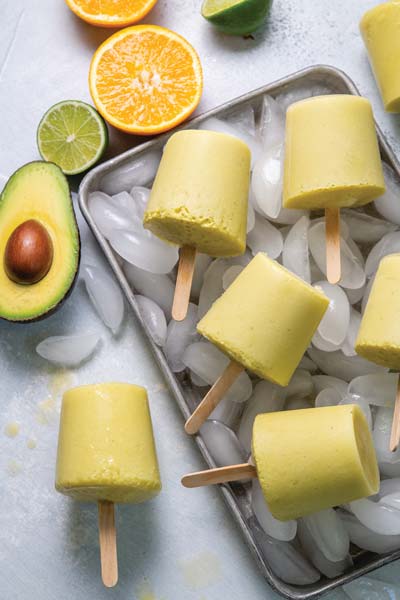
Heart-Healthy Frozen Avocado Banana Paleta
- 1 ripe, fresh avocado, halved, pitted, peeled and diced
- 4 cups orange juice
- 2 medium bananas, peeled and sliced
- 1 tablespoon lime juice
- 8 paper cups (5 ounces)
- 8 wooden craft sticks
- In blender, blend avocado, orange juice, bananas and lime juice on high until smooth. Divide into paper cups. Cover cups with aluminum foil. Insert one stick through center of each foil. Freeze 4 hours until firm.

SOURCE:
🍴 What’s your favorite food, recipe, or dining spot? Tell us in the comments! Then subscribe to the STM Daily News newsletter for fresh recipes, restaurant news, food trends, and delicious stories delivered straight to your inbox. Join our growing community of food lovers today!


(Feature Impact) When it comes to stroke, time matters. Recognizing the warning signs and calling 911 quickly can help with receiving time-sensitive, life-saving treatment. Recovery should begin early, too.
Having a stroke can divide life into a stark before and after, affecting many aspects of daily life. While it’s easy to focus on the things a stroke can take away, it’s important to remember there’s life after stroke. Recovery isn’t just about relearning skills. It’s about adapting to new challenges, finding purpose in a different reality and continuing to move forward.
Navigating the aftermath of a stroke means balancing short-term and long-term plans. Once medically stable, rehabilitation should ideally begin within 48 hours, according to the 2026 Guideline for Adult Stroke Rehabilitation and Recovery from the American Stroke Association. Recovery doesn’t have a fixed end. Meaningful progress can continue for months or years after survivors leave the hospital or complete formal therapy.
“Stroke rehabilitation is complicated,” said Lorie Gage Richards, Ph.D., FAHA, volunteer chair of the new guideline, associate professor at the University of Utah and an occupational therapist. “Each person faces a different set of challenges and care should be personalized to fit each person’s needs. The goal is to help individuals gain as much independence as possible to perform everyday activities while improving their overall quality of life.”
Approximately 800,000 people have a stroke each year in the U.S, according to the American Heart Association’s 2026 Heart Disease and Stroke Statistics. Whether you’re navigating recovery yourself or supporting someone you love, connecting with a coordinated healthcare team is an important first step. Ask about a comprehensive assessment, develop a rehabilitation plan based on what matters to you and set small, achievable goals throughout recovery.
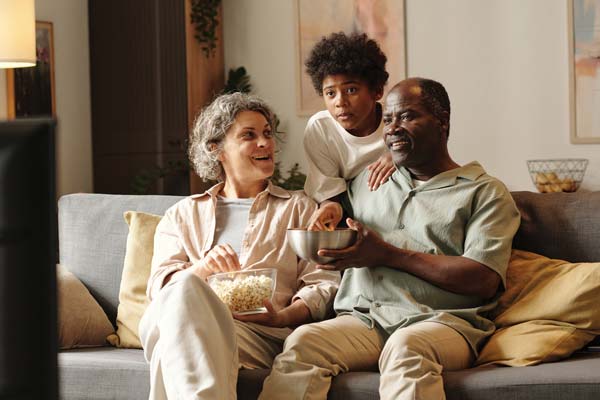 Building Skills and Independence
After a stroke, familiar parts of a daily routine may take more effort or require a new approach. A rehabilitation team can assess how stroke has affected movement, communication, thinking, vision, hearing and other abilities then develop a plan based on individual needs and goals.
Recovery doesn’t look the same for everyone. For one person, a meaningful goal may be dressing independently. For others, it could be returning to work, driving safely or participating in favorite activities. Start with manageable goals, evaluate progress and reassess the plan as needs change.
Understanding the Invisible Impacts
Some of the most challenging parts of recovery may be the ones others can’t see. For instance, you might lose confidence or sense of identity, have trouble concentrating or experience anxiety or depression. Along with mental and emotional changes, you may notice ongoing physical symptoms like pain, difficulty sleeping, changes in sexual function or difficulty with bladder control.
Invisible challenges don’t have to stay that way. Ask your healthcare team to assess your physical and emotional health, including depression and anxiety, during the hospital stay and throughout recovery. Speaking up about new or changing symptoms can help identify appropriate treatment and support.
Navigating Changing Relationships
When you have a stroke, your life isn’t the only one that changes. A partner, parent or friend may suddenly take on new responsibilities, making honest conversations about support especially important.
Family responsibilities may also look different. Parenting young children, supporting loved ones or balancing work and family can bring new challenges during recovery. Give yourself permission to slow down, accept care and connect with the people who matter most.
Finding Purpose and Redefining Success
Recreation, hobbies, social connections and other meaningful activities are an important part of recovery and can help people regain confidence, participate in their communities and improve quality of life. That may mean returning to music, art, exercise or time with friends. It could also mean modifying favorite activities, discovering new interests or connecting with a support group.
Life after stroke may look different, but different doesn’t mean less meaningful. Recovery isn’t measured by how closely someone returns to who they were before. It’s about finding new ways to pursue what matters most and continuing to move forward.
Learn more about recognizing stroke, preparing for rehabilitation and adjusting to life after stroke by visiting Stroke.org.
Photos courtesy of Shutterstock

SOURCE:
Please subscribe to the STM Morning News brief Newsletter!
fitness
Design Your Home Workout Space Around the Way You Actually Exercise
Use these tips to create a home workout space you’ll keep using after the novelty wears off.
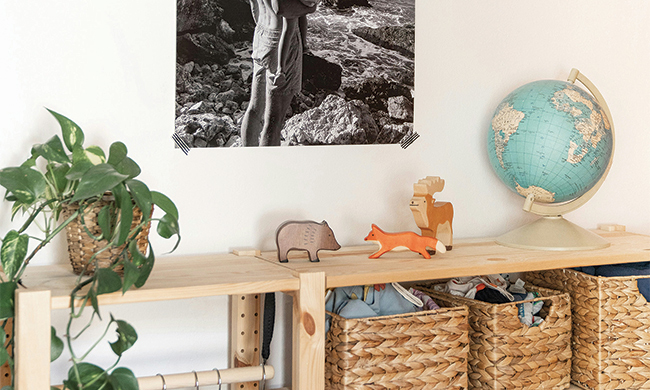
Design Your Home Workout Space Around the Way You Actually Exercise
(Feature Impact) It’s a tale as old as treadmills: You buy a new exercise machine with the best of intentions, only for it to become an expensive laundry rack that makes you feel guilty every time you glance over at it. When it comes to making lifestyle changes, the key is not to overhaul your whole routine at once, but to figure out what habits match your lifestyle, personality and passions.
Use these tips to create a home workout space you’ll keep using after the novelty wears off.
Figure Out What Exercises You Enjoy
Before you commit to a big equipment purchase, think about what kinds of exercise feel natural and enjoyable (and which ones make you groan).
If you love running, a treadmill may be worth the space it takes up. However, a rack of dumbbells might just wind up collecting dust if you hate lifting weights. Yoga or dance enthusiasts may prefer to design a more studio-like home gym, while bodyweight strength trainers could be happy with a pull-up bar in the doorway and a mat to do planks on. Consider joining a workout class or gym for a month or two to try different kinds of exercises and machines so you’ll have a better idea of what’s worth investing in permanently.
Evaluate the Space You Have
A good home workout area needs to work around the physical realities of your house or apartment. If you have a whole room or finished basement to dedicate to the cause, this won’t constrain you too much. If you’re working with a corner of your home office, bedroom or garage, saving space becomes a more critical factor.
In these cases, it all comes down to priorities. If you only have room for one piece of bigger equipment, get the one you know you’ll actually use, whether that’s an elliptical, strength machine, standing bicycle or rowing machine. Then build out your collection with other items that can be easily moved and stored, like resistance bands and small weights or dumbbells.
Start Small and Expand as Needed
Don’t fall into the trap of thinking you need to have everything before you can get started. It’s often better to build out your workout space slowly – get a few things at a time, see what you use regularly and figure out what you might be missing along the way. Maybe you realize you enjoy lifting weights and keep wishing you had heavier ones, signaling a need to upgrade.
Add Some Atmosphere
Dark, dismal home gyms are more likely to make your workout feel like a punishment instead of a part of your day worth looking forward to. Creating a space you enjoy being in is just as important as choosing a workout you enjoy doing.
For you, that might look like choosing an area of the home with plenty of natural lighting to make you feel more awake – or adding string lights and color-changing wall sconces for a relaxing yoga session. Maybe it means adding art on the walls or a floor-to-ceiling mirror so you can check your form. A large rubber floormat with a cheerful design, a sound system to play your favorite hype songs or a daily calendar of motivational quotes could be the magic ingredient to get you into the right mindset so you can crush your workout. As long as it works for you, anything goes.
For more tips on home design that fits your life, visit eLivingtoday.com.
Photo courtesy of Unsplash

SOURCE:




