

Child Health
Why Simple Daily Habits Matter More Than Big Health Resolutions

Last Updated on April 14, 2026 by Daily News Staff
(Feature Impact) Most people don’t set out to ignore their health. It usually slips down the list somewhere between the morning alarm and the last email of the day. Breakfast gets rushed or skipped. Exercise is postponed until tomorrow. Sleep is cut short to catch up on everything else. By the end of the week, healthy intentions are still there, but the follow-through feels harder than expected.
For many, the challenge is not motivation but finding habits that fit into real life. Small, repeatable choices around sleep, exercise, nutrition, mental well-being and social connection can support how the body and mind function over time.
Sleep Well
Sleep is essential for physical recovery, mental focus and emotional balance, but it’s often the first habit to slip when schedules get busy.
Establishing a regular bedtime routine helps signal when it’s time to rest. Limiting screen exposure in the evening, keeping sleep and wake times consistent and creating a dark, quiet sleep environment can support more restorative sleep. Over time, better sleep contributes to improved mood, focus and overall heart health.
Exercise in Manageable Ways
Exercise often falls into the same trap as sleep. When schedules get full, it becomes something to get back to rather than something that fits into the day as it unfolds. A missed workout can quickly turn into a missed week, even for people who value staying active.
Regular movement supports heart health, muscle strength and overall energy, but it doesn’t need to be all-or-nothing. Short periods of activity spread throughout the day can still make a difference, especially when long stretches of sitting are the default.
Walking between meetings, stretching in the morning or adding light strength exercises at home are simple ways to stay active without blocking out extra time.
Eat Nutritiously
Food decisions often happen on autopilot as meals are squeezed into busy schedules and long days, making nutrition one of the most influential daily habits.
Meals do more than provide fuel. When built around nutrient-rich foods, they support muscle health, brain health and heart health. An overall healthy eating pattern includes a variety of whole foods like fruits, vegetables, whole grains and lean proteins, helping the body keep up with everyday demands.
Protein plays an important role in maintaining muscle and supporting daily movement, especially as people age. High-quality protein from foods, along with a balanced diet and regular exercise, can help support all the muscles in the body. Choosing protein sources that are easy to prepare and repeat supports consistency when schedules are full.
As part of a balanced approach to healthy habits, nutrition guidance from the American Heart Association’s Healthy for Good initiative, nationally sponsored by the Egg Nutrition Center, highlights how everyday food choices can support the body and brain over time. Eggs are an example of a high-quality protein and they fit easily into meals throughout the day.
Eggs also deliver choline, a nutrient many Americans don’t get enough of. Choline is a critical nutrient, among others, for supporting brain development, memory and mood. Along with protein, choline helps support brain health, making it an important consideration across life stages.
According to the American Heart Association, healthy people can include one egg daily, up to seven eggs per week, as part of a heart-healthy diet. For healthy older adults with normal cholesterol, two eggs per day can be included as part of a heart-healthy dietary pattern.
Mind Your Mental Well-Being
The way people eat, sleep and move does not just affect the body. It also shapes how the brain responds to stress and daily demands. When routines feel rushed or inconsistent, mental well-being is often one of the first areas to feel the strain.
Ongoing stress can interfere with focus, sleep and eating habits, making it harder to maintain healthy routines. Simple practices like deep breathing, mindfulness or stepping away from screens for a few minutes can help reduce tension and restore attention.
Making time for rest and reflection, and setting realistic expectations, can also support emotional balance. What supports the brain often supports the heart as well, reinforcing the value of caring for mental and physical health together.
Socialize and Stay Connected
Mental well-being is shaped by both daily routines and relationships. When life feels busy or stressful, social connection is often the first thing to get pushed aside, even though it plays an important role in emotional health.
Staying connected doesn’t require packed calendars or constant interaction. Shared meals, short conversations or a quick check-in with a friend or family member can help maintain a sense of connection.
Build Habits That Fit Real Life
Healthy routines are more likely to last when they fit into the rhythm of everyday life rather than compete with it. Big changes can feel motivating at first, but it is often the small, repeatable choices that quietly shape how people feel over time.
Choosing foods that are easy to prepare, finding enjoyable ways to exercise and protecting time for sleep can make healthy habits feel more realistic. When routines are built around what is already happening during a typical day, they are easier to return to even when schedules get busy.
For more information and educational resources on nutrition and healthy living, visit Heart.org.
Photos courtesy of Shutterstock

SOURCE:
Our Lifestyle section on STM Daily News is a hub of inspiration and practical information, offering a range of articles that touch on various aspects of daily life. From tips on family finances to guides for maintaining health and wellness, we strive to empower our readers with knowledge and resources to enhance their lifestyles. Whether you’re seeking outdoor activity ideas, fashion trends, or travel recommendations, our lifestyle section has got you covered. Visit us today at https://stmdailynews.com/category/lifestyle/ and embark on a journey of discovery and self-improvement.


Food and Beverage
A Lesson in Kindness, Inclusion and How Kids Eat Differently
Kids Eat Differently: The school year brings new classmates, routines and opportunities for children to learn about people whose experiences may be different from their own. They could include friends who use a wheelchair, carry an inhaler or even receive nutrition through a feeding tube.

A Lesson in Kindness, Inclusion and How Kids Eat Differently
(Feature Impact) The school year brings new classmates, routines and opportunities for children to learn about people whose experiences may be different from their own. They could include friends who use a wheelchair, carry an inhaler or even receive nutrition through a feeding tube.
Watch this video to learn more
For families who rely on tube feeding, it is an essential part of daily life but is often understood only by those who experience it. That limited awareness can leave children who are tube fed and their families feeling isolated or unseen, according to Gerard Minor, a pediatric gastroenterology and hepatology specialist.
Parents can use everyday questions as opportunities to help children understand there are many ways people receive nourishment. Teachers, classmates, caregivers and communities can also help make tube feeding part of the everyday conversation around childhood rather than something that separates children from it.
“Helping children understand those differences early can encourage curiosity, kindness and inclusion,” Minor said.
To help bring greater awareness, understanding and representation to children and families who experience tube feeding every day, Compleat, a leader in tube feeding formulas, launched “What Is Better Than How,” featuring “Sesame Street’s” Elmo and his signature warmth and curiosity. The original song celebrates the many ways people eat. Some people eat with a fork, some use a spoon and some use a tube, reinforcing a simple message: What matters is not how you eat. What matters is that you are nourished, loved and included.
To hear the song, create a personalized version and learn more about the campaign, visit Compleat.com/WhatIsBetterThanHow.

SOURCE:

Child Health
Changing the Landscape of Childhood Cancer Survivorship
Childhood Cancer: hile “cancer” is a term no family wants to hear, especially when it comes to their children, there is reason for hope. Today, 85% of children diagnosed with cancer survive at least five years. Survival is only part of the journey, however.

Changing the Landscape of Childhood Cancer Survivorship
(Feature Impact) While “cancer” is a term no family wants to hear, especially when it comes to their children, there is reason for hope. Today, 85% of children diagnosed with cancer survive at least five years, according to the National Cancer Institute, up from 75% three decades ago.
Watch this video to learn more
“This progress is driven in large part by dedicated research,” Hyundai Hope on Wheels Board Member Kevin Reilly said. “Over the last 28 years, Hyundai Hope on Wheels has committed over $300 million in pediatric cancer research and program grants, awarding more than 1,600 grants to 210 medical institutions nationwide, impacting thousands of young lives each year.”
Survival is only part of the journey, however. Nearly half (46%) of U.S. adults believe a child ringing the hospital bell after cancer treatment means the child is cancer-free and their medical journey is largely over, according to a survey conducted by Atomik Research on behalf of Hyundai Hope on Wheels. For the children and families living through a diagnosis, the reality is far more complex.
“The reality is that healing continues long after treatment, which is why sustained investment in survivorship care is a priority for us,” said John Guastaferro, executive director of Hyundai Hope on Wheels.
Isabella Franco-Capps, 11, understands that journey firsthand. Diagnosed with B-cell acute lymphoblastic leukemia at age 5, her journey took two years before she could say she’s “a cancer survivor.”
“I was diagnosed with b-cell acute lymphoblastic leukemia,” she said. “This began my two-year-long journey of scans, pokes, chemotherapy and hospital stays. And now I’m a cancer survivor.”
Fellow Hyundai Hope on Wheels National Youth Ambassador, Jackson Trihn, 12, is using his voice to call for continued research and to bring hope to others.
“The role … is being able to share my story,” he said. “Not just to spread awareness but to spread hope to kids that need it. And awareness is so important because people don’t understand how hard pediatric cancer can be.”
Continued progress can help ensure more children ring the bell and receive the care and support they need long after they’ve had the opportunity to do so. To learn more about these efforts and how you can help, visit HyundaiHopeOnWheels.org.

SOURCE:
💪 Your health journey starts here! Explore the latest health news, fitness tips, wellness trends, and healthy living advice. Share your thoughts in the comments and subscribe to the STM Daily News newsletter to stay informed and inspired every day.
Women's Health
From Pregnancy to Parenthood: How Medicaid Supports Women Across the Maternal Health Journey
When women are planning, expanding or raising families, access to healthcare is a vital source of physical and mental support. For millions of women and families across the U.S., Medicaid provides that support, enabling parents and children to access the reproductive, maternal and pediatric healthcare they need to thrive.

(Feature Impact) When women are planning, expanding or raising families, access to healthcare is a vital source of physical and mental support. For millions of women and families across the U.S., Medicaid provides that support, enabling parents and children to access the reproductive, maternal and pediatric healthcare they need to thrive. It’s there for anyone who needs it, from working adults to families navigating unemployment or disability.
To learn about how Medicaid supports growing families through every stage of the parenthood journey, consider this information from the maternal health experts at Community Catalyst.
Making Family Planning Possible
When people are able to plan and prepare to welcome children into the world, it can remove a lot of stress, uncertainty and complication from their journeys. Medicaid family-planning coverage may include reproductive health counseling, pre-pregnancy screenings, many forms of FDA-approved contraception and other preventive services. Comprehensive access to birth control allows women and couples to make their own decisions about pregnancy timing or spacing between siblings.
Supporting Healthy Pregnancies
Pregnancy is no small endeavor, and a woman with a healthcare team at her side is better prepared to face whatever challenges may arise. Pregnancy often requires frequent appointments for ultrasounds, laboratory testing and monitoring – all of which are made possible and affordable through Medicaid. Since 1 in 4 Medicaid recipients are women ages 15-49, this care can make a difference during their childbearing years.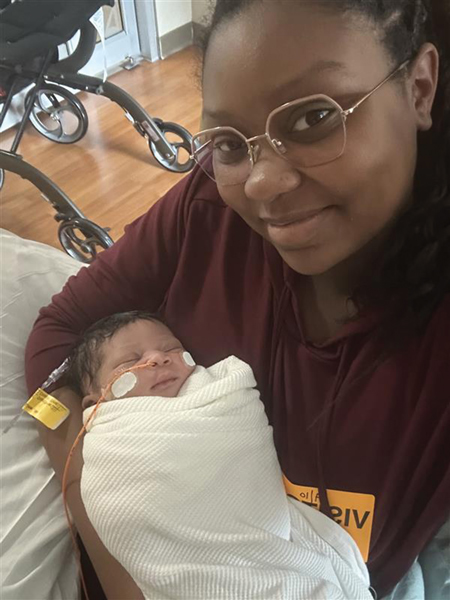
Covering Labor and Delivery Costs
Labor and birth can be unpredictable, but being able to afford them shouldn’t be. Without Medicaid, which finances approximately 41% of U.S. births, based on data from the National Center for Health Statistics, the cost of hospitalization and delivery could be financially devastating to young families. Coverage for labor, delivery and NICU care, if needed, gives parents the ability to focus on their new babies instead of overwhelming medical bills.
Providing Postpartum Care
The need for maternal healthcare doesn’t end when mother and child are discharged from the hospital. Physical recovery takes time, especially if there were any complications during the pregnancy or delivery. Beyond that, postpartum women may need mental health support, treatment for chronic conditions, contraception renewals and other health services that Medicaid can provide. Currently, 49 states plus Washington, D.C. have extended postpartum Medicaid coverage to 12 months, which helps new mothers get continuous care without worrying about insurance lapses.
Caring for Growing Kids
Nearly half of all Medicaid recipients in the U.S. are children ages 0-18 – and sometimes kids qualify for Medicaid even when their parents don’t. The program can help new parents stay up to date with well-child visits for infants, immunizations and ongoing preventive care throughout childhood.
To learn more about access to essential services at every stage of life, visit communitycatalyst.org/maternalhealth.
Filling Gaps in Pregnancy and Postpartum Care: Kayla and Tru’s Story
When Kayla found out she was pregnant at 24 years old, she had no idea how she was going to afford all the costs that were coming. Despite having part-time employment and primary insurance through her mother, she faced gaps in coverage for pregnancy care.
Qualifying for Medicaid changed everything. Not only did it cover Kayla’s prenatal visits, labs, ultrasounds and delivery, but once her son Tru was born, both mother and baby required an extended hospital stay. Medicaid made it possible for Tru to get the care he needed in the NICU while Kayla recovered from birth complications.
Afterward, the program continued to cover Kayla and Tru for follow-up appointments and well-child visits. She’s grateful it was there during her time of need and has one simple message to share: If you qualify for Medicaid, apply.
“You never know what’s going to happen,” she said. “I didn’t expect to be in the hospital as long. I didn’t expect for him to be where he was. But it was definitely needed and helpful.”
Photo courtesy of Shutterstock (mother leaning over hospital bassinet)

SOURCE:
💪 Your health journey starts here! Explore the latest health news, fitness tips, wellness trends, and healthy living advice. Share your thoughts in the comments and subscribe to the STM Daily News newsletter to stay informed and inspired every day.




