

love and romance
5 Timeless Valentine’s Day Gift Ideas

Last Updated on December 22, 2024 by Daily News Staff

(Family Features) On a day that signifies the importance of love and companionship, many people find it rewarding to show their loved ones just how much they mean. If you’re in the gift-giving spirit this Valentine’s Day, you may find a bit of inspiration with these ideas.
Just remember, whether you’re celebrating the relationship with your significant other or showing appreciation for a friend, the best gifts come from the heart.
- Food – If your partner is a foodie, a Valentine’s Day date is an obvious choice. Make a reservation at his or her favorite restaurant or opt for takeout and enjoy quiet time together in the comfort of home. Satisfy that special someone’s sweet tooth with a classic box of chocolates or create a personalized candy basket full of guilty pleasures.
- Jewelry – Whether you’ve been together a year, a decade or more, it’s a perfect opportunity to splurge for a gift he or she will cherish for a lifetime. Necklaces, bracelets, earrings, anklets, watches and more all make for perfect gifts that can often be customized with engravings like names or important dates.
- Experiences – Oftentimes, the gift of moments together means more than a trinket. Consider the things you enjoy doing side by side and schedule a day or weekend to do nothing but your favorite activities. Book a tour at a local museum, find tickets to the next big game, sit frontstage for a favorite band or road trip to a nearby attraction for new sights and sounds.
- Subscriptions – Gifts don’t always need to be sentimental. Sometimes, they can be downright practical. Creating an account for a new streaming service or music platform, signing up for monthly food or wine gift boxes and buying ticket packages for a favorite local team are all gifts that keep on giving.
- Handwritten Notes and Flowers – Take time to write what you appreciate most about your special someone – personality traits, favorite memories, thoughtful gestures and why they’re important to you – and pair your note with favorite flowers. Gifts may spark a smile, but sharing a moment of connection offers a reminder of what you’re celebrating in the first place.
Find more Valentine’s Day gift ideas by visiting eLivingtoday.com.
Photo courtesy of Unsplash
SOURCE:
eLivingtoday.com
STM Daily News is a vibrant news blog dedicated to sharing the brighter side of human experiences. Emphasizing positive, uplifting stories, the site focuses on delivering inspiring, informative, and well-researched content. With a commitment to accurate, fair, and responsible journalism, STM Daily News aims to foster a community of readers passionate about positive change and engaged in meaningful conversations. Join the movement and explore stories that celebrate the positive impacts shaping our world.


Summer is supposed to be the season of yes: yes to rooftop drinks, weekend flights, beach clubs, festivals, and finally trying that hobby you’ve been bookmarking since January. But according to a new Dating.com analysis, the “main character summer” lifestyle can come with a very real price tag—especially if you’re paying for everything on your own.
Dating.com’s latest report, Dating.com Reveals the Most Expensive Cities to Be Single in Summer 2026, looked at 50 popular destinations worldwide and ranked them by what it calls a Single Tax Score—a composite measure of the costs singles are likely to face during peak summer months.
Why being single can cost more than you think
The study builds on Dating.com’s earlier findings that 43% of singles focus on self-care—from gym memberships and skincare to solo dates and travel. At the same time, 41% of singles say they’d feel less lonely if they had more money, underscoring how financial flexibility can influence how often people can say yes to experiences that build connection.
Dating.com’s resident therapist, Jaime Bronstein, LCSW, notes that the assumption “single = cheaper” often doesn’t hold up. Couples can split rent, transportation, meals, and entertainment, while singles absorb the full cost alone—plus summer’s calendar tends to be packed with higher-priced social events and trips.
The 10 most expensive cities to be single in Summer 2026
Here are the top destinations where the summer “single tax” hits hardest, based on Dating.com’s ranking.
1) Miami (Single Tax Score: 75)
Miami takes the top spot thanks to steep nightlife and entertainment costs. Dating.com estimates:
- $110 for a solo date night
- $200/night for beach clubs and nightlife venues
- $280/night average summer hotel rates
2) New York (74)
New York lands at #2 with high costs across nearly every category:
- $115 average solo date night
- $380/night average summer hotel rates
Even without flight costs for locals, accommodation and social spending push NYC near the top.
3) Mykonos (72)
Europe’s most expensive destination for singles on the list, Mykonos is priced like a fantasy:
- $1,900 average summer flights from New York
- $280/night beach club and nightlife costs (highest in the study)
- $300/night average hotels
4) Las Vegas (70)
Vegas is built for entertainment—and the bill reflects it:
- $250 average festival/concert tickets (highest among the top ten)
- $180/night nightlife costs
- $145/night average hotels (relatively affordable, but spending adds up fast)
5) Boston (67)
Boston’s biggest driver is lodging:
- $390/night average summer hotel stays (highest of any city in the top ten)
- $108 average solo date night
6) Maldives (64)
A classic “romantic” destination that gets especially expensive solo:
- $480/night average hotels (highest in the top ten)
- $1,300 average summer flights from New York
- $124 average solo date night
7) San Francisco (62)
San Francisco remains costly for both travel and everyday experiences:
- $820 average flights from London
- $100 typical solo date
- $245/night average hotels
8) Los Angeles (61)
LA’s premium social scene pushes it into the top ten:
- $100 average solo date night
- $820 average flights from London
- $22 average rooftop cocktail
9) London (61)
London’s costs are driven by international travel and peak-season lodging:
- $1,900 average flights from New York
- $295/night average hotels
- $108 average solo date
10) Santorini (61)
Like Mykonos, Santorini’s popularity inflates nearly every summer expense:
- $1,900 average flights from New York
- $160/night beach club and nightlife costs
- $310/night average hotels
What to watch for (and how to plan smarter)
The takeaway isn’t “don’t travel” or “don’t go out.” It’s that destination choice can dramatically change the cost of a solo summer, and singles may want to budget differently than couples.
If you’re planning a solo trip (or just trying to make the most of where you live), consider:
- Swapping one premium hotspot for a value city (the ranking includes lower-cost options like Bangkok, Medellín, Mexico City, and Kuala Lumpur)
- Prioritizing experiences that don’t scale with group size (museums, walking tours, day trips, free festivals)
- Booking lodging early in high-demand cities where hotels are doing the most damage
As Bronstein emphasizes, being single isn’t a problem to solve—and solo experiences can be just as meaningful as romantic ones. The goal is to make sure your summer plans support your life, not stress your wallet.
Methodology (in plain English)
Dating.com reviewed 50 popular destinations and analyzed costs associated with being single in summer, including:
- Date night costs for one person
- Summer hotel rates
- Summer flight costs
- Rooftop cocktail prices
- Festival and concert ticket prices
- Beach club costs
- Pet-related surcharges
- Other seasonal leisure expenses
Each factor was normalized on a 0–1 scale (with 1 representing the highest cost), then combined into a final score to rank cities from most to least expensive for singles.
Source: Dating.com, via PRNewswire (June 25, 2026)
📰 Enjoying STM Daily News? Join the conversation!
💬 Leave a comment, share your thoughts, and subscribe to our newsletter for the latest stories, updates, and “News You Can Use This Moment!” delivered to your inbox.
Stay connected with STM Daily News!
Lifestyle
Mother’s Day Celebration: Honoring the Hardest Job in the World
“On Mother’s Day, let’s celebrate the sacrifices and unwavering love of mothers. Join us in honoring the hardest job in the world – motherhood.”

Last Updated on May 4, 2026 by Daily News Staff
Mother’s Day is a special day that celebrates the hard work and dedication of mothers around the world. Being a mother is one of the most difficult jobs there is, yet it is also one of the most rewarding. Mothers work tirelessly to care for their children, often sacrificing their own needs and wants in order to provide for their families.
On Mother’s Day, it is important to take the time to show appreciation for all that mothers do. Whether it’s a simple card, a bouquet of flowers, or a heartfelt message, any gesture of gratitude can go a long way in letting mothers know that their efforts are valued and appreciated.
However, it’s important to remember that Mother’s Day is not just about gifts and presents. It’s a day to acknowledge the sacrifices that mothers make on a daily basis, and to recognize the love and care that they provide to their families.
Mothers work hard to instill values, provide guidance and support, and create a safe and nurturing home environment for their children. They are often the backbone of the family, and their contributions cannot be overstated.
So, on this Mother’s Day, let us take the time to celebrate the mothers in our lives. Let us thank them for their hard work, their sacrifices, and their unwavering love and support. Let us show them that they are valued and appreciated, not just on this special day, but every day of the year.
https://en.wikipedia.org/wiki/Mother%27s_Day
https://stmdailynews.com/category/lifestyle/

love and romance
Love Your Space: 4 Valentine’s Day Home Decor Ideas
Valentine’s Day offers an opportunity to enhance home decor with love-themed touches. Key ideas include using a classic red and pink palette, incorporating soft lighting and inviting textures, adding fresh flowers and heartfelt accents, and personalizing decor with meaningful items. Each element contributes to a romantic and welcoming atmosphere.
Last Updated on February 14, 2026 by Daily News Staff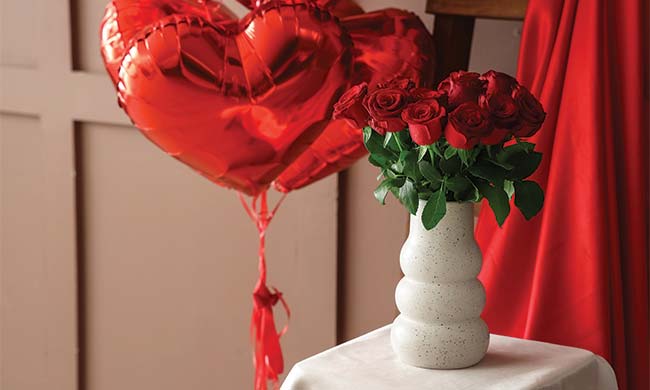
Love Your Space: 4 Valentine’s Day Home Decor Ideas
(Family Features) From planning a romantic night in with your significant other to hosting friends for Galentine’s Day, Valentine’s Day is a perfect opportunity to fill your home with love and heartfelt style.
Whether you add subtle accents or bold pops of color, decorating for the season of love is about adding intentional touches that make your spaces feel special.
1. Choose a Valentine’s Palette
The classic red and pink motif is a perfect starting point. A few heart-shaped throw pillows, blush pink accessories or a rich red accent blanket can capture the spirit without overwhelming. If bold colors don’t match your current design style, ground them with neutrals like soft whites, creams or grays to create a romantic look that feels intentional and cohesive.
2. Set the Mood with Lighting and Texture
Soft lighting – think string lights draped along a mantel, clusters of warm-hued candles or a table lamp with a rosy glow – can make rooms feel cozier, as can layering sensual textures like velvet pillows, knit throws and lace or crochet accents. These elements feel inviting and chic, creating a relaxed, intimate ambience perfect for a celebratory evening at home.
3. Fresh Florals and Heartfelt Accents
A timeless Valentine’s Day tradition, fresh flowers can bring life, color and fragrance to any room. A vase of red roses, pink tulips or mixed seasonal blooms can serve as a centerpiece on your dining room table or entry console. For an added seasonal touch, consider heart-shaped garlands or DIY paper hearts on shelves, mirrors or around picture frames.
4. Personalize With Love
Much like heart-warming gifts, the most meaningful decor often has a personal story. Frame a favorite photo, display a handwritten love note or incorporate a treasured keepsake into your Valentine’s arrangement to make your space feel uniquely yours.
For more ideas to celebrate love every time you walk through the door, visit eLivingtoday.com.
Photo courtesy of Shutterstock
SOURCE:




