

Health
5 Lifestyle Changes to Help Combat Incontinence


(Family Features) Sometimes living a healthy lifestyle can feel like an impossible task when combined with all your other responsibilities like working a full-time job, taking care of family and friends or spending time in the gym. Add dealing with an underlying health condition and it may seem almost overwhelming.
For example, a condition such as urinary incontinence is a common problem that is often difficult to manage and can range from a light leak while coughing or sneezing to even greater loss of bladder control.
In fact, almost two-thirds of U.S. women over the age of 20 will experience leaking, according to the experts at FitRight Fresh Start. While stress, aging and obesity can cause incontinence, certain health events unique to women such as pregnancy, childbirth and menopause can also cause problems with the muscles and nerves that help control your bladder.
Consider these healthy lifestyle changes to help combat issues like urinary incontinence:
Focus on Fluid Intake
While it may seem counterintuitive when dealing with certain conditions, it’s important to hydrate appropriately. In fact, drinking too infrequently can cause other issues like dehydration. To avoid frequent or urgent needs to urinate, the Mayo Clinic recommends drinking smaller amounts throughout the day, such as 16 ounces with each meal and 8 ounces between meals. If you find yourself waking multiple times at night to urinate, try drinking more of your fluids in the morning and afternoon rather than evening, and avoid alcohol and beverages with caffeine like coffee, tea and soda.
Make Dietary Modifications
The things you eat can have an impact on your condition – both positively and negatively. For example, alcohol; spicy foods; chocolate; artificial sweeteners; caffeinated, carbonated and citrus beverages; and high-acid foods, like citrus and tomatoes, may contribute to bladder irritation, according to the National Institutes of Health. On the other hand, consider incorporating more of these foods considered good for bladder health:
- Blueberries
- Green beans
- Cauliflower
- Winter squash
- Sea bass
- Eggs or egg whites
- Whole grains
- Nuts
Manage Bladder Leaks
Changing day-to-day habits may improve bladder control, but for those living with leaks, it’s important to manage the condition rather than letting it disrupt your life or define you. One way to do that is choosing products that allow you to live your life to the fullest.
For example, created for women by women, FitRight Fresh Start offers a range of options including discreet underwear, surface protectors, liners and pads that fit close to your body and smoothly under your clothes – all available in a variety of sizes and styles – deliver one-of-a-kind wetness and odor control and uncompromising personal care. The proven power of Arm and Hammer Baking Soda helps fight odor faster and longer, and ultra-advanced materials instantly absorb and trap moisture to keep you feeling dry and confident all day long. Additionally, they’re built for maximum comfort for discreet use whether you’re staying on the couch or heading out on the town, and the 100% breathable materials enriched with vitamin E help soften and protect sensitive skin.
Maintain a Healthy Weight and Stay Active
Two factors that have been shown to be part of nearly every healthy lifestyle include overall body strength and weight loss, which can be improved by increasing physical activity. Seek out exercises you enjoy so you can get physical while having fun. Aim for 30 minutes daily of low-impact activities such as brisk walking, biking or swimming.
Stop Smoking
As a habit that can be detrimental to overall health, smokers are also more likely to suffer more severe symptoms from a variety of conditions, according to the Mayo Clinic. For instance, heavy smokers may also develop a chronic cough, which could cause pressure on the bladder, further aggravating urinary incontinence.
Find more savvy tips to slow urinary incontinence at FitRightFreshStart.com.
Understanding Urinary Incontinence
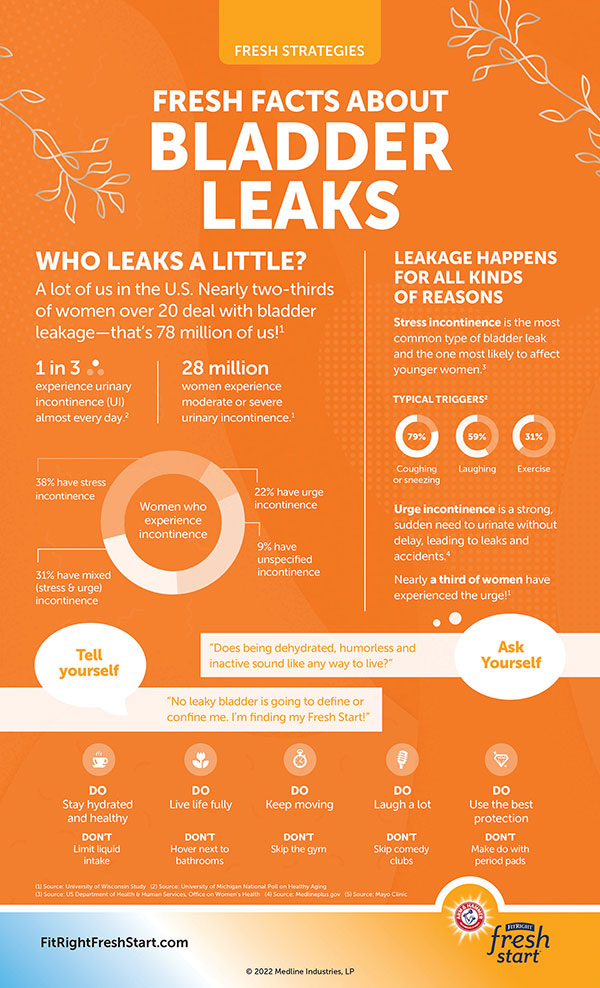 If you’re experiencing bladder leaks, dealing with them and the frustrations they bring shouldn’t keep you from freely living your full, multifaceted life. Designed for women by women, FitRight Fresh Start offers this information to help you learn about leaks and understand what’s happening to give you the power to keep bladder leaks from disrupting or defining your life.
Common Kinds of Urinary Incontinence
Strong urges: That overwhelming need to use the restroom right away is known as urge incontinence, which frequently involves some level of unwelcome, involuntary leakage.
Stress and pressure: This is the type of incontinence many people experience and hate when they leak a little (or sometimes a lot) simply because a tiny sneeze or good laugh put extra pressure on the bladder. Jumping and heavy lifting are also causes.
Ongoing overflow: If it feels like your bladder is never completely empty and you feel a slow, continuous drip, you’re experience overflow incontinence.
Common Causes of Urinary Incontinence
Motherhood: Carrying a bundle of joy inside your body for nine months then giving birth is bound to put pressure on your pelvic floor muscles, which don’t always bounce back, especially after multiple births.
Menopause: Leaks can begin in perimenopause, before you actually stop having periods, usually in your 40s or 50s. As hormones shift, lower estrogen levels can lead to less elastic, weaker pelvic floor muscles.
Medical issues: Health conditions like diabetes, nerve or joint conditions, urinary tract infections and obesity can cause bladder leaks, too, as well as physical limitations that inhibit your ability to make it to the bathroom in time.
Photos courtesy of Getty Images
SOURCE:
FitRight Fresh Start
https://stmdailynews.com/category/lifestyle/


Lifestyle
Strong at Every Age: How Women Can Help Combat Muscle Loss
Combat Muscle Loss: Aging is inevitable, but losing muscle and mobility doesn’t have to be. Consider these tips to help women protect their muscle health.
Strong at Every Age: How Women Can Help Combat Muscle Loss
(Feature Impact) Aging is inevitable, but losing muscle and mobility doesn’t have to be. For many women, maintaining strength, independence, energy and mobility are top priorities as they get older, particularly as they deal with the mental and physical responsibilities that come with working, caregiving, keeping up with friends, hobbies and enjoying an active lifestyle.
In fact, 58% of women in the United States are actively focused on staying healthy as they age, according to a recent survey commissioned by Viactiv, a line of award-winning supplements for women known for their unique formats and flavors. However, 73% of respondents weren’t aware of sarcopenia, or age-related muscle loss. According to the “International Journal of Women’s Health,” age-related muscle loss often begins between ages 30-35, with women losing 3-8% of their muscle mass per decade and increasing to 5-10% loss per decade after age 60.
Hormonal changes, decreased activity levels, stress, poor sleep and inadequate nutrition can all contribute to the decline in muscle, which can also negatively impact balance, bone health, metabolism, posture and everyday mobility.
Yet, despite 70% of women reporting some level of concern about muscle loss, 54% are unsure how to protect their muscle health.
“Women want to stay strong, active and independent as they age, but many are getting mixed messages about what actually supports long-term muscle health,” said Dr. Tania Elliott, a dual board-certified physician in internal medicine. “A lot of women are already making healthy choices like walking and staying active, which is a great start. However, maintaining muscle health really requires a more complete approach, and one that starts earlier than most women think, which is in your 30s.”
Prioritize Strength Training
Many women report barriers such as lack of time (15%), feeling overwhelmed (23%) or simply not enjoying exercise (23%). The key is finding realistic, sustainable habits. While walking and cardio exercise aid in heart health, which 58% of survey respondents report already engaging in, strength training is one of the most effective ways to preserve and build muscle as you age. Still, just 34% of women report doing strength or resistance training.
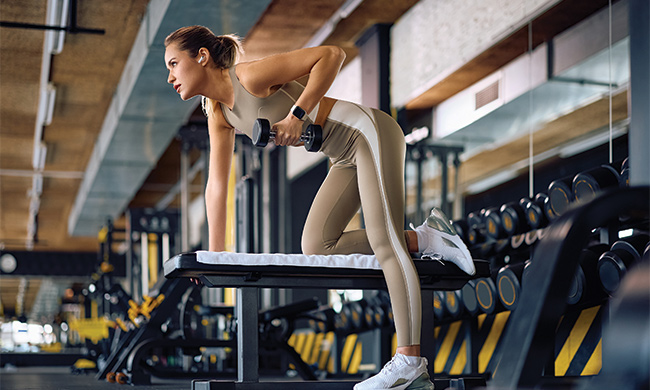
You don’t need an intense fitness regimen to support healthy aging. Aiming for at least two strength-focused workouts a week – lifting weights, using resistance bands, practicing weight-bearing yoga or doing bodyweight exercises like squats and pushups – that target major muscle groups can help maintain muscle health. The goal is to fatigue your muscles during sets so they build.
Fuel Muscles with Proper Nutrition
Exercise is only part of the equation. Muscles also need proper nutrition to recover and stay strong. Protein plays a critical role in maintaining muscle mass, especially as women age. Incorporating high-quality protein throughout the day, such as eggs, Greek yogurt, fish, lean meats, beans, lentils, nuts and seeds, may help support muscle repair and overall strength.
Support Healthy Aging with Supplements
In addition to a balanced diet and exercise, some women may consider supplements that support healthy aging and energy production, including CoQ10, which is a naturally occurring antioxidant that helps cells produce energy. According to research published in “The Journal of Nutrition, Health and Aging,” because muscles require significant energy to function, CoQ10 shows potential for managing sarcopenia by improving mitochondrial function and reducing oxidative stress.
An option like Viactiv CoQ10 Cardio Complete, available in a tasty fruit-flavored chew, can help support heart health, muscles, nerve function and daily energy. Enhanced with vitamins D3 and K2, it provides daily essential nutrition for women without the need to swallow a large pill.
Practice Healthy Habits
Muscle health is influenced by more than workouts. Sleep, stress management and daily movement all play important roles. Adopting some simple habits, including prioritizing quality sleep, stretching regularly, staying properly hydrated, reducing sedentary time throughout the day and practicing stress-management techniques, like yoga, meditation or deep breathing, can help aid in healthy aging, including maintaining muscle.
The earlier women begin prioritizing muscle health, the better positioned they may be to maintain strength and mobility as they age. Visit Viactiv.com for more information and resources to help combat muscle loss.
Photo courtesy of Shutterstock

SOURCE:
Viactiv
💪 Your health journey starts here! Explore the latest health news, fitness tips, wellness trends, and healthy living advice. Share your thoughts in the comments and subscribe to the STM Daily News newsletter to stay informed and inspired every day.
health and wellness
Heat waves can leave homes dangerously hot – even for young, healthy adults
Heat waves can turn homes into dangerous heat traps—especially during blackouts or in houses without AC—pushing indoor temperatures and humidity into lethal territory even for young, healthy adults, not just the elderly.

Heat waves can leave homes dangerously hot – even for young, healthy adults
Zoltan Nagy, Eindhoven University of Technology
Most people know that heat waves can be dangerous, but what they may not realize is that the heat indoors can be much worse than outdoors.
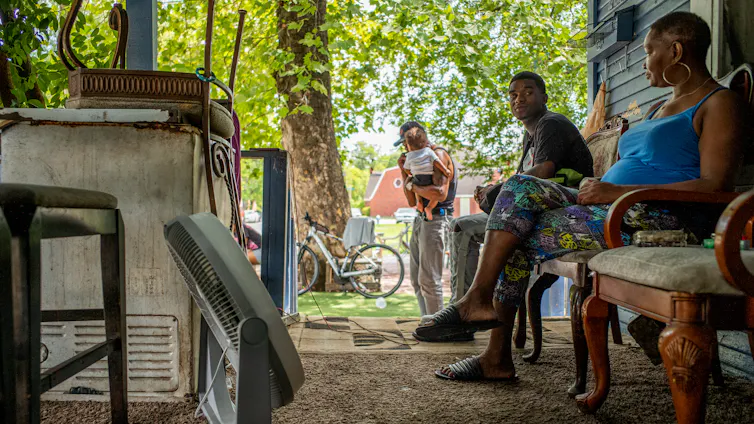
When the power goes out and air conditioning stops, or in homes without cooling, a house starts to function like a greenhouse during a heat wave. Heat enters through windows and walls and has nowhere to go. Air stagnates.
Within hours, indoor temperatures can climb well above what the thermometer shows outside, especially on upper floors and in rooms with south-facing windows. Over longer periods, especially if temperatures don’t cool off overnight, conditions can become lethal.
Most heat-related deaths occur indoors. When a heat dome sent temperatures soaring in the Pacific Northwest in 2021, 98% of the more than 600 deaths in British Columbia happened inside homes. Washington and Oregon also saw high numbers of deaths in homes that lacked air conditioning.
In Europe, where only 1 in 10 households have air conditioning, heat waves killed an estimated 60,000 people in 2022 and 47,000 in 2023, largely inside buildings never designed for these temperatures.
People of all ages are at risk in heat waves like these. I spent eight years at the University of Texas at Austin studying how buildings respond to extreme heat. In a recent study, my team assessed the heat risk in every single-family home in Austin.
We found that even younger, healthy adults face far more risk than they realize.
How hot is too hot for a human body?
Your body maintains a core temperature of about 98.6 degrees Fahrenheit (37 degrees Celsius). To cool down, it pushes blood to the skin and sweats. But when air temperature is high, that convective cooling weakens. When humidity is also high, sweat cannot evaporate.
If the body has no way to release heat, core temperature rises. If the core temperature increases past about 104 F (40 C), the body’s thermoregulation starts to fail. Past 109 F (42.8 C), death becomes likely.

What makes indoor heat especially dangerous is that it does not let up at night in homes that lack air conditioning. Outdoor temperatures typically drop after sunset, and someone outside can get a few hours of recovery. But a poorly insulated home that has been absorbing heat all day releases that heat slowly, keeping indoor temperatures elevated through the night. A person inside the home never gets a break.
After two or three nights of this, even healthy people start to be at serious risk for heat-related illnesses.
Why homes heat up more than people expect
People tend to underestimate indoor heat for a few reasons.
One is that the thermostat typically sits on one wall in one room. It does not tell what the temperature is in an upstairs bedroom or near a sun-facing window. In older, underinsulated homes, the actual felt temperature can exceed 90 F (32.2 C) even when a thermostat reads 75 F (23.9 C). The hot walls, ceilings and windows can radiate heat directly onto your body.
Another reason is that people assume all homes respond to heat the same way. However, a newer home with double-pane windows and good insulation acts like a thermos, keeping heat out for a longer time. An older home with single-pane windows and cracks in the walls heats up fast.
Two houses on the same street, exposed to the same outdoor conditions, can have completely different temperatures inside. And in a blackout, where neither home has cooling, those differences can become a matter of life and death.
What we found in Austin
Our study combined two datasets. From Austin’s tax appraisal records, we pulled basic property information, such as the year the home was built, the size and the number of stories for each of the city’s 213,000 single-family homes. We then matched each home to the most similar energy simulation models in a U.S. Department of Energy database that contains thousands of detailed, physics-based building energy models representing the U.S. residential building stock.
Using those models, we simulated each building’s indoor temperatures over time during a three-day heat wave and power outage with outdoor temperatures above 110 F (43 C).
We found that 85% of homes got hot enough to pose a significant risk of death for an elderly occupant. But what surprised us was the risk to younger people.
Under today’s climate conditions in Austin, about 15% of homes already have the potential to get hot enough without air conditioning to pose serious heat risks to healthy adults. Under future warming scenarios, that number jumps to as high as 65% if average summer highs reach 104 F (40 C). Further, climate projections for Austin show that heat waves will double in frequency by the end of the century.
We found three types of buildings and accompanying risks:
- Resilient homes, which are newer and well insulated, tended to have temperature and humidity conditions that would be survivable for an elderly occupant throughout the simulated heat wave with blackout.
- Critical-risk buildings, which are mostly older homes, became dangerous almost immediately.
- And then there was the middle group – homes where temperatures rose slowly during the simulated blackout, day by day, possibly giving occupants a false sense of security until it was too late.
Texas has already seen conditions like our case study’s – a heat wave paired with a power outage. In 2024, a derecho knocked out power for nearly 900,000 Houston households while the heat index climbed to 100 F (37.8 C). Seven weeks later, Hurricane Beryl cut power to 2.6 million homes, leaving them without power for over three days, with temperatures over 90 F (32.2 C).
What you can do to stay safe
If you can’t get cooling at home, there are steps you can take that can help.
Move to the lowest floor of your home, where it will be coolest. Close the blinds and curtains on sun-facing windows. Drink water constantly to stay hydrated, which is essential for regulating body temperature.
If you’re facing a blackout, be sure to also check on elderly neighbors, especially those living alone. You can also try to find a public cooling center; many cities now open them during heat emergencies.
Longer term, upgrades such as reflective window film, attic insulation and lighter-colored roofing can reduce how much a home heats up. After the 2021 heat dome, British Columbia’s coroner recommended updating building codes to address heat.
Our own findings point in the same direction: We propose that new homes should be required by building codes to maintain conditions in which at least light physical activity remains possible for all occupants for at least 72 hours during a power outage.
As summers get hotter with climate change and blackouts become more frequent, the risks of people suffering heat illnesses will only continue to rise.
Zoltan Nagy, Professor of Building Services, Eindhoven University of Technology
Heat waves can leave homes dangerously hot – even for young, healthy adults
This article is republished from The Conversation under a Creative Commons license. Read the original article.
💪 Your health journey starts here! Explore the latest health news, fitness tips, wellness trends, and healthy living advice. Share your thoughts in the comments and subscribe to the STM Daily News newsletter to stay informed and inspired every day.

Lifestyle
Social media before bedtime wreaks havoc on our sleep − a sleep researcher explains why screens alone aren’t the main culprit
Social Media Before Bedtime? A sleep researcher explains why late-night social media disrupts sleep less because of screens and blue light, and more because of emotional engagement—doomscrolling, social comparison, habitual checking and FOMO—that keeps the brain aroused and delays rest.
Brian N. Chin, Trinity College
“Avoid screens before bed” is one of the most common pieces of sleep advice. But what if the real problem isn’t screen time − it’s the way we use social media at night?
Sleep deprivation is one of the most widespread yet overlooked public health issues, especially among young adults and adolescents.
Despite needing eight to 10 hours of sleep, most adolescents fall short, while nearly two-thirds of young adults regularly get less than the recommended seven to nine hours.
Poor sleep isn’t just about feeling tired − it’s linked to worsened mental health, emotion regulation, memory, academic performance and even increased risk for chronic illness and early mortality.
At the same time, social media is nearly universal among young adults, with 84% using at least one platform daily. While research has long focused on screen time as the culprit for poor sleep, growing evidence suggests that how often people check social media − and how emotionally engaged they are − matters even more than how long they spend online.
As a social psychologist and sleep researcher, I study how social behaviors, including social media habits, affect sleep and well-being. Sleep isn’t just an individual behavior; it’s shaped by our social environments and relationships.
And one of the most common yet underestimated factors shaping modern sleep? How we engage with social media before bed.
Emotional investment in social media
Beyond simply measuring time spent on social media, researchers have started looking at how emotionally connected people feel to their social media use.
Some studies suggest that the way people emotionally engage with social media may have a greater impact on sleep quality than the total time they spend online.
In a 2024 study of 830 young adults, my colleagues and I examined how different types of social media engagement predicted sleep problems. We found that frequent social media visits and emotional investment were stronger predictors of poor sleep than total screen time. Additionally, presleep cognitive arousal and social comparison played a key role in linking social media engagement to sleep disruption, suggesting that social media’s effects on sleep extend beyond simple screen exposure.
I believe these findings suggest that cutting screen time alone may not be enough − reducing how often people check social media and how emotionally connected they feel to it may be more effective in promoting healthier sleep habits.
How social media disrupts sleep
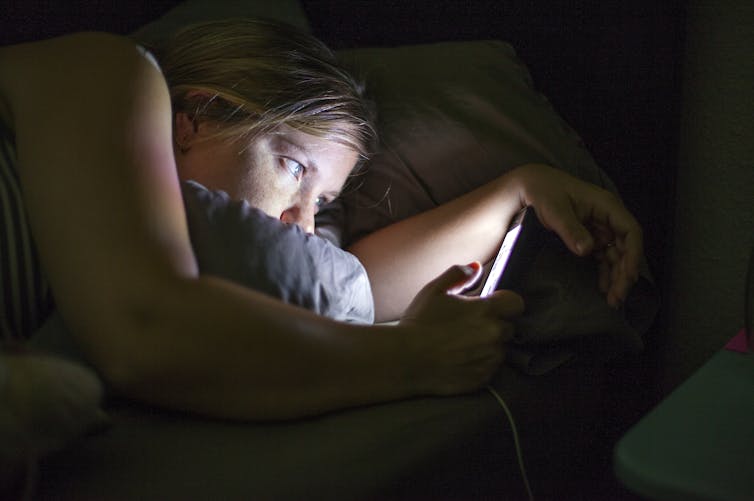
If you’ve ever struggled to fall asleep after scrolling through social media, it’s not just the screen keeping you awake. While blue light can delay melatonin production, my team’s research and that of others suggests that the way people interact with social media may play an even bigger role in sleep disruption.
Here are some of the biggest ways social media interferes with your sleep:
- Presleep arousal: Doomscrolling and emotionally charged content on social media keeps your brain in a state of heightened alertness, making it harder to relax and fall asleep. Whether it’s political debates, distressing news or even exciting personal updates, emotionally stimulating content can trigger increased cognitive and physiological arousal that delays sleep onset.
- Social comparison: Viewing idealized social media posts before bed can lead to upward social comparison, increasing stress and making it harder to sleep. People tend to compare themselves to highly curated versions of others’ lives − vacations, fitness progress, career milestones − which can lead to feelings of inadequacy and anxiety that disrupt sleep.
- Habitual checking: Social media use after lights out is a strong predictor of poor sleep, as checking notifications and scrolling before bed can quickly become an automatic habit. Studies have shown that nighttime-specific social media use, especially after lights are out, is linked to shorter sleep duration, later bedtimes and lower sleep quality. This pattern reflects bedtime procrastination, where people delay sleep despite knowing it would be better for their health and well-being.
- Fear of missing out, or FOMO: The urge to stay connected also keeps many people scrolling long past their intended bedtime, making sleep feel secondary to staying updated. Research shows that higher FOMO levels are linked to more frequent nighttime social media use and poorer sleep quality. The anticipation of new messages, posts or updates can create a sense of social pressure to stay online and reinforce the habit of delaying sleep.
Taken together, these factors make social media more than just a passive distraction − it becomes an active barrier to restful sleep. In other words, that late-night scroll isn’t harmless − it’s quietly rewiring your sleep and well-being.
How to use social media without sleep disruption
You don’t need to quit social media, but restructuring how you engage with it at night could help. Research suggests that small behavioral changes to your bedtime routine can make a significant difference in sleep quality. I suggest trying these practical, evidence-backed strategies for improving your sleep:
- Give your brain time to wind down: Avoid emotionally charged content 30 to 60 minutes before bed to help your mind relax and prepare for sleep.
- Create separation between social media and sleep: Set your phone to “Do Not Disturb” or leave it outside the bedroom to avoid the temptation of late-night checking.
- Reduce mindless scrolling: If you catch yourself endlessly refreshing, take a small, mindful pause and ask yourself: “Do I actually want to be on this app right now?”
A brief moment of awareness can help break the habit loop.
Brian N. Chin, Assistant Professor of Psychology, Trinity College
This article is republished from The Conversation under a Creative Commons license. Read the original article.
📰 Enjoying STM Daily News? Join the conversation!
💬 Leave a comment, share your thoughts, and subscribe to our newsletter for the latest stories, updates, and “News You Can Use This Moment!” delivered to your inbox.
Stay connected with STM Daily News!





