

fitness
OATS from AARP Celebrates National Physical Fitness and Sports Month with Online Programs Geared to Get Older Adults Moving

NEW YORK /PRNewswire/ — In honor of National Fitness Month, Older Adults Technology Services (OATS) from AARP is celebrating its growing community of older adults with a variety of free virtual classes, through its flagship Senior Planet program, aiming to help seniors flip the script on aging, get active, build strength and have fun while doing it. To cap off the month’s activities, Senior Planet will also host a virtual “Meet and Move,” where this year’s Senior Planet Sponsored Athletes will share their inspiring fitness journeys with older adults around the nation.
Now in its fourth year, the Senior Planet Sponsored Athlete Program highlights the remarkable athletic feats that older adults aged 60+ can accomplish – along with the importance of staying active and fit. This year’s Sponsored Athletes participate in weightlifting, pickleball, walking and more. Each Senior Planet Sponsored Athlete challenges outdated stereotypes about aging and fitness, while inspiring their peers to take the initial steps to improve their own health.
To keep the excitement and activities going throughout the month, Senior Planet will offer a number of health and wellness classes, including Morning Stretch, Fit Fusion Workout, Easy-to-Follow Tai Chi, Stronger Bones, Chair Yoga and Strength and Stability. Older adults across the nation can join free virtual exercise classes online at www.seniorplanet.org.
“We’re passionate about helping older adults get connected and stay active,” said OATS from AARP Executive Director Tom Kamber. “Senior Planet offers a wide range of free classes designed to offer something for everyone, from strength exercises that help build muscle to stretch classes that encourage flexibility. Our goal is to make fitness fun and approachable. In classes, older adults aren’t just building strength and confidence – they’re making friends, too.”
According to AARP, regular exercise could be essential to ensuring older adults maintain healthy and strong lives, from possibly stalling memory loss to helping people live longer. OATS is on a mission to help older adults make that happens with courses and programs that help them thrive in the modern age.
About OATS from AARP
OATS from AARP helps older adults learn to use and leverage technology to transform their lives and their communities. Through its flagship program, Senior Planet, OATS works closely with older adults to create extraordinary experiences in-person and online. As one of AARP’s charitable affiliates, the mission of OATS from AARP is “to harness the power of technology to change the way we age.” To learn more, visit www.oats.org or follow @OlderAdultsTech on social media.
SOURCE Older Adults Technology Services from AARP


Lifestyle
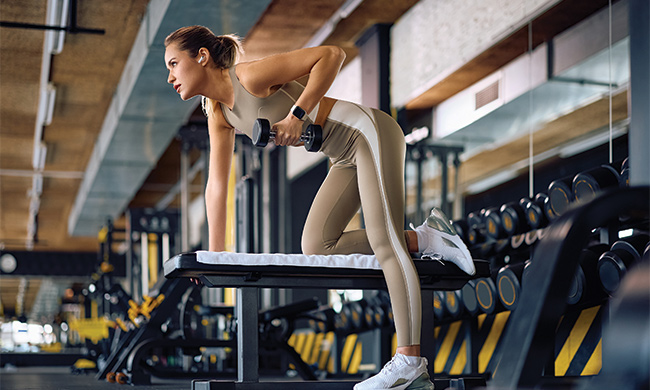
Strong at Every Age: How Women Can Help Combat Muscle Loss
Combat Muscle Loss: Aging is inevitable, but losing muscle and mobility doesn’t have to be. Consider these tips to help women protect their muscle health.
Strong at Every Age: How Women Can Help Combat Muscle Loss
(Feature Impact) Aging is inevitable, but losing muscle and mobility doesn’t have to be. For many women, maintaining strength, independence, energy and mobility are top priorities as they get older, particularly as they deal with the mental and physical responsibilities that come with working, caregiving, keeping up with friends, hobbies and enjoying an active lifestyle.
In fact, 58% of women in the United States are actively focused on staying healthy as they age, according to a recent survey commissioned by Viactiv, a line of award-winning supplements for women known for their unique formats and flavors. However, 73% of respondents weren’t aware of sarcopenia, or age-related muscle loss. According to the “International Journal of Women’s Health,” age-related muscle loss often begins between ages 30-35, with women losing 3-8% of their muscle mass per decade and increasing to 5-10% loss per decade after age 60.
Hormonal changes, decreased activity levels, stress, poor sleep and inadequate nutrition can all contribute to the decline in muscle, which can also negatively impact balance, bone health, metabolism, posture and everyday mobility.
Yet, despite 70% of women reporting some level of concern about muscle loss, 54% are unsure how to protect their muscle health.
“Women want to stay strong, active and independent as they age, but many are getting mixed messages about what actually supports long-term muscle health,” said Dr. Tania Elliott, a dual board-certified physician in internal medicine. “A lot of women are already making healthy choices like walking and staying active, which is a great start. However, maintaining muscle health really requires a more complete approach, and one that starts earlier than most women think, which is in your 30s.”
Prioritize Strength Training
Many women report barriers such as lack of time (15%), feeling overwhelmed (23%) or simply not enjoying exercise (23%). The key is finding realistic, sustainable habits. While walking and cardio exercise aid in heart health, which 58% of survey respondents report already engaging in, strength training is one of the most effective ways to preserve and build muscle as you age. Still, just 34% of women report doing strength or resistance training.
You don’t need an intense fitness regimen to support healthy aging. Aiming for at least two strength-focused workouts a week – lifting weights, using resistance bands, practicing weight-bearing yoga or doing bodyweight exercises like squats and pushups – that target major muscle groups can help maintain muscle health. The goal is to fatigue your muscles during sets so they build.
Fuel Muscles with Proper Nutrition
Exercise is only part of the equation. Muscles also need proper nutrition to recover and stay strong. Protein plays a critical role in maintaining muscle mass, especially as women age. Incorporating high-quality protein throughout the day, such as eggs, Greek yogurt, fish, lean meats, beans, lentils, nuts and seeds, may help support muscle repair and overall strength.
Support Healthy Aging with Supplements
In addition to a balanced diet and exercise, some women may consider supplements that support healthy aging and energy production, including CoQ10, which is a naturally occurring antioxidant that helps cells produce energy. According to research published in “The Journal of Nutrition, Health and Aging,” because muscles require significant energy to function, CoQ10 shows potential for managing sarcopenia by improving mitochondrial function and reducing oxidative stress.
An option like Viactiv CoQ10 Cardio Complete, available in a tasty fruit-flavored chew, can help support heart health, muscles, nerve function and daily energy. Enhanced with vitamins D3 and K2, it provides daily essential nutrition for women without the need to swallow a large pill.
Practice Healthy Habits
Muscle health is influenced by more than workouts. Sleep, stress management and daily movement all play important roles. Adopting some simple habits, including prioritizing quality sleep, stretching regularly, staying properly hydrated, reducing sedentary time throughout the day and practicing stress-management techniques, like yoga, meditation or deep breathing, can help aid in healthy aging, including maintaining muscle.
The earlier women begin prioritizing muscle health, the better positioned they may be to maintain strength and mobility as they age. Visit Viactiv.com for more information and resources to help combat muscle loss.
Photo courtesy of Shutterstock

SOURCE:
Viactiv
💪 Your health journey starts here! Explore the latest health news, fitness tips, wellness trends, and healthy living advice. Share your thoughts in the comments and subscribe to the STM Daily News newsletter to stay informed and inspired every day.
Lifestyle
Loneliness affects 1 in 6 people globally. New research reveals the childhood experiences that help adults thrive
The World Health Organization (WHO) calls loneliness a global health threat, and the numbers explain why. With 1 in 6 people affected worldwide, loneliness hits the hardest among teens and young adults ages 13 to 29, where between 17% and 21% report feeling lonely.
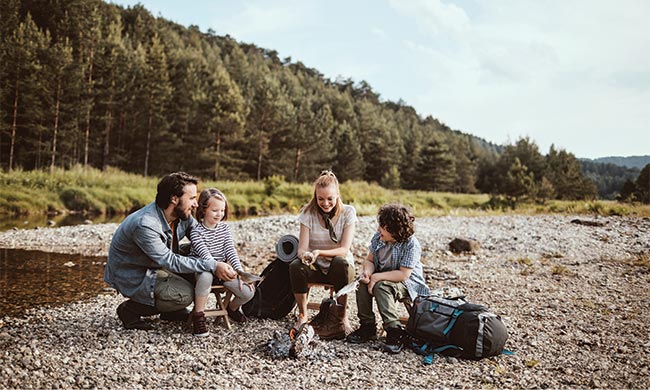
(Tiffany Miller) Kids have more ways to connect than ever. They can text, scroll, game, comment and chat all before they even leave the house. Yet for many young people, all that connection does not necessarily translate into feeling known, useful or part of something larger than themselves.
The World Health Organization (WHO) calls loneliness a global health threat, and the numbers explain why. With 1 in 6 people affected worldwide, loneliness hits the hardest among teens and young adults ages 13 to 29, where between 17% and 21% report feeling lonely. Young people experiencing chronic loneliness are twice as likely to develop depression and 22% more likely to earn lower grades, according to the WHO. If screens are now built into childhood, what actually helps kids build confidence, purpose and belonging?
New research from Harris Poll, commissioned by Scouting America, examined more than 3,000 U.S. adults, including those who earned the Eagle Scout rank, the program’s highest designation, and compared them with adults who never participated. Conducted for three months beginning October 10, 2025, the survey of 3,178 adults asked for feedback on well-being, civic engagement, leadership and character development. The findings reveal meaningful differences in how those groups describe their relationships, outlook, civic involvement, connection and sense of purpose.
The clearest difference may be loneliness. Just 11% of those who earned the Eagle Scout rank say they frequently feel lonely, compared with 23% of non-participants. Those who earned the rank are also more likely to report a strong sense of purpose, with 78% saying they feel one compared with 60% of those who were never in the program, and 95% describe themselves as happy versus 82% of adults who never took part.
The data does not reduce childhood connection to a single activity. It shows how structured, real-world experiences can give young people repeated chances to be active participants rather than passive ones, working alongside others, taking responsibility, solving problems, serving a community and building confidence over time.
That matters because belonging is not built in theory, it is built through repetition and lived experience. A young person shows up, learns a skill, helps with a project, gets trusted with responsibility and begins to see that their presence matters. From the outside these moments may look small, but over time, they can shape how a person sees themselves and how they relate to others.
Those patterns extend into adult life. The research does not establish that the program causes these outcomes, but the consistency across measures is striking. Some 74% of those who earned the Eagle Scout rank say they have held leadership positions at work, compared with 31% of non-participants. Another 57% say they have spoken up for a cause they believe in or on behalf of others, versus 33% of those who never took part.
The story inside the numbers is not that every child needs the same path. It is that young people need places where they are asked to show up, contribute and be counted on. They need adults who mentor them, peers to collaborate with them and real responsibilities that help them practice who they are becoming.
In a childhood increasingly shaped by digital life, those experiences can be easy to underestimate. But the research shows the long-term value of giving kids something to do, somewhere to belong and a reason to see themselves as capable. For families worried about loneliness, confidence or lack of meaningful connection alongside their digital lives, the takeaway is practical: Look for structured experiences that allow young people to participate, contribute and lead. Connection is not just something kids feel. It is something they get to practice.
Methodology
The research was conducted online in the United States by The Harris Poll on behalf of Scouting America among 3,178 U.S. adults ages 18-plus, including 1,549 who were never members of Scouting America (“non-Scouts”) and members of Scouting America (“Scouts”), including 1,067 who achieved the rank of Eagle Scout (“Eagle Scouts”) and 562 who did not achieve the rank of Eagle Scout (“non-Eagle Scouts”). The survey was conducted initially from Oct. 10 through Nov. 17, 2025, and relaunched from Dec. 16, 2025, through Jan. 9, 2026.
Photo courtesy of Shutterstock

SOURCE:
Looking for stories that inform, inspire, and keep you connected to what matters right now? Visit STM Daily News for breaking news, community stories, travel, food and drink, health and wellness, technology, transportation, and our popular Knowledge series. Discover fresh content updated daily, and stay informed with news you can use this moment. Don’t forget to subscribe to our newsletter and follow us on social media so you never miss a story.
Lower back pain is one of those complaints that cuts across age, fitness level, and lifestyle. It shows up after long hours at a desk, after a tough workout, or after a weekend of sports that asks a lot from the hips and spine. Now, San Francisco-based Infraway LLC is aiming to make daily support and recovery easier with a wearable device designed to fit into real life—not just the clinic.
Infraway’s flagship product, the L1 Lower Back Wearable Heat Pad, combines Far Infrared (FIR) technology with topical heat to help users enhance mobility, support recovery, and warm up more effectively. The company positions the L1 as a more discreet alternative to bulkier competitor products: it’s made to be worn under clothing, on the go, and every day. The device is also app-controlled, allowing users to customize their heat and recovery experience from a smartphone. Infraway says the L1 is priced below $200, putting it in reach for consumers who want something more advanced than a basic wrap but less expensive than many premium recovery tools. More information is available at theinfraway.com.
What’s Different About Far Infrared (FIR)?
Heat therapy is a familiar tool for soreness and stiffness, but Infraway’s pitch centers on the difference between surface-level warmth and FIR’s deeper interaction with the body. FIR is described as a non-visible, longer-wavelength energyon the electromagnetic spectrum—one that the body absorbs and that can penetrate deeper than topical heat alone. In practical terms, topical heat warms the surface, while FIR is associated with a broader biological response: increased local circulation, more oxygen delivered to surrounding muscle, and faster clearance of metabolic waste.
Infraway points to research on FIR-emitting fabrics and their potential to support muscle recovery after exercise and reduce tightness—factors that can translate into improved mobility and performance. For readers who want to go deeper on the research and the company’s explanation of the mechanism, Infraway provides additional background here: theinfraway.com/pages/science.
Built From an Athlete’s Injury—and a Long Rehab Reality
Infraway was founded by Max Betkowski, a former two-sport Division I athlete who dealt with a torn hip labrum before his senior season. Betkowski played through the injury, but his recovery didn’t end when his college career did. Despite extensive rehab, he continued to experience lower back issues—an all-too-common pattern for athletes whose injuries affect movement mechanics and load distribution over time.
Drawing on a background in kinesiology and engineering, Betkowski developed Infraway in 2017. The company’s L1 Gen 2 belt launched in 2025, featuring expanded heating coverage, longer battery life, and an updated FIR fabric—positioned as an evolution informed by newer scientific research and product iteration.
Why Golf (and Other Rotational Sports) Are Paying Attention
Infraway is also gaining traction in sports where the lower back takes repeated rotational stress—especially golf. Lower back pain is one of the most common issues among golfers, often linked to the torque and repeated rotation placed on the spine. Over time, that stress can contribute to muscle or ligament sprains, or even disc-related problems.
That’s part of why the product has been finding fans among golf professionals. Ryan Hitt, lead coach of the PGA America Coaching Center, said the device has become part of his routine: “Infraway has made a noticeable difference in how my body feels day to day. Whether it’s after a round of golf or a full day of coaching athletes, it helps me recover quicker and stay loose.”
The device is also used by Mats Wilander, former world No. 1 tennis player and seven-time Grand Slam champion, who described it as a daily warm-up staple—now extending into his pickleball routine. “I start every morning with this, my go-to ritual to get my day rolling, and now it’s a core part of my warm-up for pickleball. It wakes my body up, primes my muscles, and keeps me feeling flexible and ready to move,” Wilander said.
The Takeaway
Recovery tech has exploded in recent years, but many tools still require you to stop what you’re doing—lie down, plug in, or carve out time you don’t really have. Infraway’s approach is built around a simple idea: if you can wear recovery support discreetly throughout the day, you’re more likely to use it consistently. With a combination of FIR fabric, topical heat, and app-based control, the L1 is designed to meet people where lower back pain actually happens—during workdays, travel, coaching, training, and everyday movement.
To learn more about the product, visit theinfraway.com, and for the science background, see theinfraway.com/pages/science.
Our Lifestyle section on STM Daily News is a hub of inspiration and practical information, offering a range of articles that touch on various aspects of daily life. From tips on family finances to guides for maintaining health and wellness, we strive to empower our readers with knowledge and resources to enhance their lifestyles. Whether you’re seeking outdoor activity ideas, fashion trends, or travel recommendations, our lifestyle section has got you covered. Visit us today at https://stmdailynews.com/category/lifestyle/ and embark on a journey of discovery and self-improvement.





