

home improvement
How to Improve Your Home’s Look with Wallpaper

Last Updated on October 20, 2025 by Daily News Staff
How to Improve Your Home’s Look with Wallpaper
(Family Features) To understand the mood of a room, look no further than its walls. Wallpaper can add instant texture and flair, and today’s DIY-friendly options make it easy to create inspired spaces with little fuss.
The key to successful wallpapering is in the preparation. Clean, dry walls are a must, and any holes or cracks should be filled and sanded. To avoid paste that absorbs into porous surfaces, take time to apply a light, even coat of primer before beginning.
Choose a corner or space behind a door as your starting point. Mark your starting point using a level to draw a vertical line from floor to ceiling. Next, cut a length of wallpaper several inches longer than the height of your wall from the baseboard to ceiling.
Apply paste or activate the adhesive according to the manufacturer’s directions. Be sure to fully cover or dampen the paper surface; dry spots may result in unsightly bubbles.
Begin smoothing the paper onto the wall using the vertical line as a guide. Begin at the ceiling and smooth using a brush or plastic smoothing tool. If you encounter wrinkles or bubbles, gently lift the paper and smooth, relaying the paper as you go.
With each strip, you should end with several inches above the ceiling joint and below the baseboard line. Ensure the paper has firmly adhered top to bottom then trim using a sharp blade. Smooth each seam as you go.
Continue this process around the room, aligning your paper pattern as needed. If it isn’t possible to completely match the pattern, focus on the middle third of the wall, which is most likely to be at eye level.
To maneuver corners, cut a slit in the paper overhanging the ceiling and floor. This allows the paper to lay flat for a smoother finish.
When you round back to your starting point, overlap your original strip of paper with the final strip. Make a single cut for a clean, crisp seam. Gently wipe away excess adhesive from the trim and seams.
To prevent rips and ripples, allow paper to dry completely – at least overnight – before replacing furniture and hanging artwork to complete your space.
Find more easy home improvement tips and ideas at eLivingtoday.com.
Photo courtesy of Unsplash
SOURCE:
Family Features


home improvement
Easy Furniture Upcycling Projects You Can Do in a Weekend
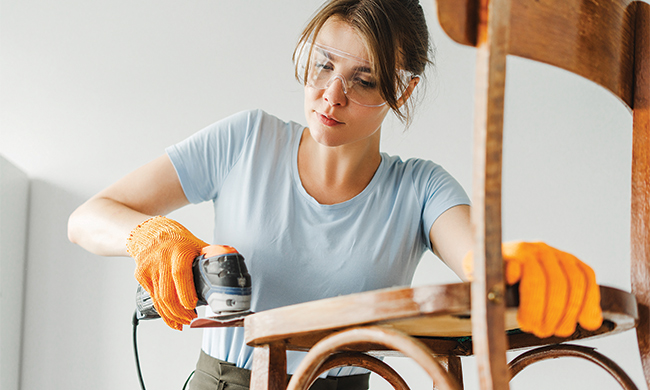
Easy Furniture Upcycling Projects: Giving secondhand furniture a new life is a creative, satisfying and budget-friendly way to add personality to your home. Next time you’re in the mood to spend time working with your hands, try these simple DIY furniture upcycling ideas.
Easy Furniture Upcycling Projects You Can Do in a Weekend
(Feature Impact) Giving secondhand furniture a new life is a creative, satisfying and budget-friendly way to add personality to your home. Upcycling doesn’t have to be complicated or expensive – all it takes is a little imagination, some basic supplies and a free weekend.
Next time you’re in the mood to spend time working with your hands, try these simple DIY furniture upcycling ideas.
Give a Worn Dresser a Fresh Look
Dressers have a way of accumulating scuffs and scratches over time, but it doesn’t take much to refresh their look. Clean the surfaces, sand away any rough spots then apply a fresh coat of furniture paint. To turn it into a stylish statement piece, choose a classy, on-trend color like sage green, deep navy or a warm neutral and replace the drawer pulls with modern hardware to match.
Transform an Old Coffee Table
The coffee table is a natural centerpiece of your living room, so give it an update that fits your preferred aesthetic. Sand it smooth, choose a new wood stain for a more natural look or paint it to match or create contrast with your walls and seating. Adding a protective clear coat can help the surface withstand everyday use and look new for longer.
Turn Wooden Chairs into Stylish Accent Pieces
If you have a collection of mismatched or worn-out wooden chairs around the house, try your hand at refurbishing instead of replacing them. Give them a good wash, repair any broken rungs, update the seats with fresh fabric or new cushions or unleash your inner artist by giving the chairs fun new designs with paint or peel-and-stick contact paper. If they aren’t a good fit for your main dining area, use the chairs as porch decorations or extra seating during parties.
Repurpose an Old Bookshelf
Bookshelves don’t just have to be for books. Give it a fresh design using paint or decorative wallpaper then transform it into a display cabinet, pantry organizer, entryway cubby for shoes and school supplies or whatever else your imagination sparks. Stave off clutter by adding visually appealing bins or baskets to help the shelves stay clean and organized.
Create a Unique Side Table
You can turn a variety of old furniture into side tables, from nightstands and end tables to stools and chairs with the backs removed. Consider adding decorative trim, stenciled designs, patterned tabletops or vibrant paint colors then give the finished table a new life as a plant display, bedside stand or porch accent piece.
Discover more home, lifestyle and crafting ideas at eLivingtoday.com.
Photo courtesy of Shutterstock
SOURCE:

home improvement
4 Ways to Make Room for Better Living
Make Room for Better Living: Oftentimes, making your home better suited for your needs starts with rethinking how the doors open. Whether you’re remodeling or building a new home, understanding the options can help you choose doors – and the installation hardware behind them – that make rooms more comfortable and convenient.
4 Ways to Make Room for Better Living
A bathroom door that bumps into the vanity. A closet interior that’s awkward to reach. A home office that needs a little separation from family activity. Oftentimes, making your home better suited for your needs starts with rethinking how the doors open.
Sliding, folding and pocket doors offer practical ways to improve everyday spaces without adding square footage. Whether you’re remodeling or building a new home, understanding the options can help you choose doors – and the installation hardware behind them – that make rooms more comfortable and convenient.
Consider these four ways to put your doors to work from the experts at Johnson Hardware, who make easy-to-install hardware systems in the U.S.:
Free Up Floor Space with Pocket Doors
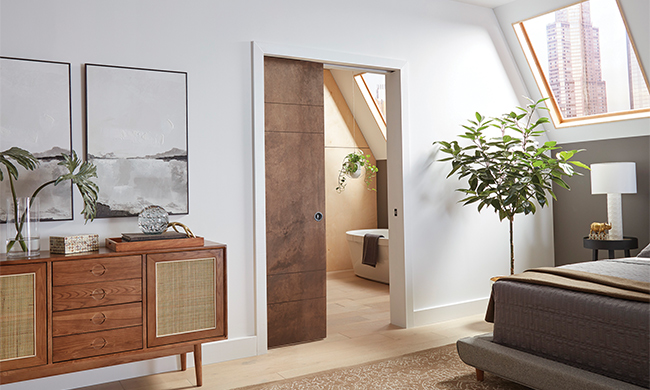
In bathrooms, kitchen pantries and laundry rooms, a swinging door can compete with storage, taking up to 14 square feet of floor space and interrupting traffic flow. Pocket doors slide into the wall, freeing the area a hinged door needs to swing open.
Made for single pocket doors in compact rooms or two converging doors for larger openings between adjoining spaces, pocket door hardware with its soft-close feature helps doors glide gently into the open and closed positions, reducing slamming. Discuss pocket doors early in your project so your building professional can plan for the space needed inside the wall.
 Keep Essentials Handy with Bypass and Multi-Pass Doors
A frequently used mudroom, hallway or bedroom closet can look more organized with sliding bypass or multi-pass doors. The panels travel on separate tracks and slide past one another, letting you reach different sections without doors swinging into the room.
Options like Johnson’s bypass and multi-pass hardware systems help keep walkways clear while concealing storage or everyday clutter. Ask your designer or remodeler about panel arrangements and soft-close options that suit the opening based on how you’ll use the space.
Add Flexibility with Wall-Mount Sliding Doors
If you want the space-saving benefits of a sliding door but a pocket door isn’t practical, wall-mount doors travel along a track outside the wall. With easy-to-install hardware systems, making the switch from a swinging door can be a quick, practical room upgrade.
Often called barn doors, they can complement many decorating styles, from traditional painted wood to contemporary glass designs. Wall-mount sliding doors work well in home offices, bedrooms, laundry rooms and pantries, where soft-close and soft-open hardware can help reduce noise. Plan for clear wall space beside the opening so the door has room to slide.
Open Up Storage with Full-Access Bifold Doors
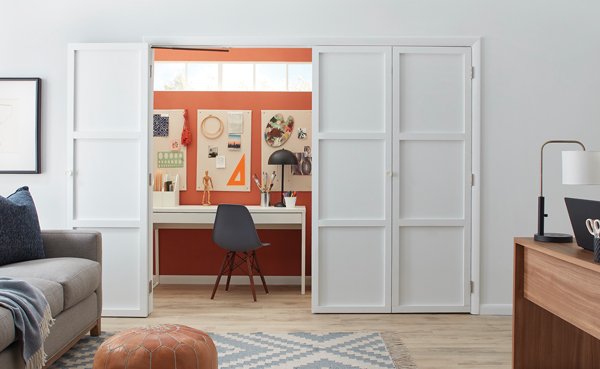
A closet can hold more than clothes. It might become a craft station, compact workspace or convenient place for laundry supplies.
Bifold doors use hinged panels that fold together as they open. Unique 1601 Full-Access Bifold Door Hardware goes a step further, allowing panels to fold flat against adjacent walls for full access across the opening. That makes it easier to reach shelves, organize supplies and use the space inside.
Thoughtful door hardware choices can make everyday routines easier, from reaching pantry shelves to creating a quiet place to work. As you plan your project, ask your designer, architect, remodeler or building contractor how pocket, sliding and folding door hardware systems can help make better use of your space.
For more ideas, visit johnsonhardware.com.
SOURCE:
Consumer Corner
5 Affordable Bathroom Upgrades That Feel Luxurious
5 Affordable Bathroom Upgrades: If you dream of having a bathroom that feels like a spa-inspired retreat, the good news is you don’t need a full renovation or huge budget to make it happen. Small, thoughtful upgrades can add style, comfort and ambience to your space without breaking the bank.
5 Affordable Bathroom Upgrades That Feel Luxurious
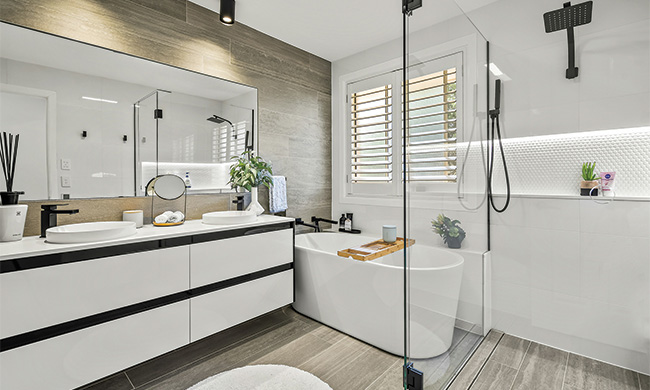
(Feature Impact) If you dream of having a bathroom that feels like a spa-inspired retreat, the good news is you don’t need a full renovation or huge budget to make it happen. Small, thoughtful upgrades can add style, comfort and ambience to your space without breaking the bank.
Consider these five affordable bathroom upgrade ideas to add touches of luxury to your home.
Warm, Soft Lighting
Lighting can completely change the atmosphere of a room; you can instantly create a welcoming, calming vibe by replacing harsh, bright lighting with soft, warm tones. To make your bathroom feel even more like a fancy hotel, think about adding wall sconces next to the mirror, accent lighting around the vanity or candles on the counter.
New Hardware and Finishes
Replacing outdated hardware and fixtures can immediately refresh the space – you don’t even have to buy a new vanity or cabinets if sleek new knobs and drawer handles are enough to make the old ones look like new. Another easy upgrade: A new faucet can give your whole sink area a more modern and sophisticated look. Opt for sleek, durable materials that feel cohesive with the rest of your design, like brushed nickel, matte black or warm bronze.
Upgraded Showerheads
Make your daily routine more indulgent by turning your shower into something that feels like an experience instead of a chore. If you enjoy gentle showers, consider a rain-style showerhead. For water pressure you can customize depending on your preference, look for a combination model. Also decide whether you’d rather have a detachable showerhead for extra convenience or one that’s fixed in place.
Heated Towel Racks
After a shower or bath, enjoy a little extra cozy luxury by wrapping up in a freshly warmed towel from an electric rack. You can install a permanent wall-mounted unit or choose a freestanding option for extra portability. As a hygienic bonus, towel warmers can also help linens dry faster, minimizing dampness and musty odors.
Refreshed Decor
Don’t underestimate how even small details can make a big difference. A few carefully chosen pieces of decor can elevate the look and feel of the whole room. That might be wall art, new curtains, a stylish mirror or even practical things like a new toothbrush holder and soap tray. Also think about choosing one or two plants suited to your bathroom’s natural lighting and humidity levels – a little greenery can make everything feel fresh and classy.
Get inspired with more home design and renovation tips at eLivingtoday.com.
Photo courtesy of Unsplash
SOURCE:




