

health and wellness
Millions of Long-Term Smokers Have Lung Disease that Defies Diagnosis
UCSF study finds current definition of chronic tobacco-related lung diseases leaves patients undiagnosed and untreated

Last Updated on September 6, 2025 by Daily News Staff

Prescott Woodruff, MD, MPH, UCSF Division Chief of Pulmonary, Critical Care, Allergy and Sleep Medicine
« Millions of Long-Term Smokers Have Lung Disease that Defies Diagnosis
Newswise — Millions of Americans with tobacco-related lung disease have symptoms that do not fit any existing tobacco-related disease criteria – including the most common of those, chronic obstructive pulmonary disease (COPD) – according to a new study led by researchers at UC San Francisco.
In a study publishing Aug. 1, 2023, in the Journal of the American Medical Association (JAMA), the research team found that half of the participants with extensive tobacco exposure had a persistently high level of respiratory symptoms, including shortness of breath, daily cough and phlegm, and decreased ability to exercise, but performed well in the breathing tests used to diagnose COPD.
COPD assessment was an essential part of the “SubPopulations and InteRmediate Outcome Measures In COPD Study” (SPIROMICS) – a multicenter study of 1379 people 40 to 80 years old who had more than 20 pack-years of tobacco exposure (smoking one pack of cigarettes per day for 20 or more years). The study also included control participants who had never smoked cigarettes and did not have airflow obstruction.
COPD is the sixth leading cause of death in the United States and is frequently associated with long-term tobacco exposure. In 2020, an estimated 12.5 million Americans reported having been diagnosed with COPD, according to the Centers for Disease Control and Prevention. Yet previous studies indicated that more than 18 million had evidence of impaired lung function, a sign that millions more might be suffering without a clear diagnosis.
COPD is assessed with spirometry, a lung function test that measures how quickly and effectively a person can fill and then empty their lungs at maximum effort. It is diagnosed when the test shows airflow obstruction, indicating a problem with getting enough air out in the normal amount of time. Evidence of airflow obstruction is medically defined as an abnormally low ratio of the forced expiratory volume in the first second (FEV1) of an exhalation to total forced vital capacity (FVC).
“We found that many people who have a lot of primary tobacco exposure have the same symptoms as people who have COPD, but can’t be diagnosed with COPD, because their FEV1/FVC ratio is considered normal on spirometry,” said William McKleroy, MD, a former UCSF Pulmonology Fellow and first author of the study. “This demonstrates a major gap in effective and compassionate care for tobacco-exposed persons and highlights the need for further study to find ways to help them.”
Participants were enrolled in SPIROMICS I from November 2010 to July 2015 and followed through July 2021 in an extension study, SPIROMICS II. They underwent spirometry, 6-minute walk distance testing, assessment of respiratory symptoms, and CT scans of their lungs, at yearly visits for 3 to 4 years. Many of these participants then completed another round of testing 5 to 10 years after their original visit.
Some of the study participants were found to have COPD after undergoing spirometry, while others had “preserved spirometry,” meaning they did not have COPD. The researchers found that the vast majority of the participants with tobacco exposure and preserved spirometry (TEPS) and pulmonary symptoms at the beginning of the study continued to have symptoms through more than five years of follow-up. They also had high rates of respiratory exacerbations and shortness of breath that limited their ability to be active over the course of the study.
Additionally, participants with symptomatic TEPS did not have increased incidence of COPD compared those with asymptomatic TEPS (33.0% among participants with symptomatic TEPS vs. 31.6% among those with asymptomatic TEPS), or a faster rate of lung function decline, as measured by the decline in FEV1 over time, compared to asymptomatic TEPS participants. By contrast, participants with COPD did have a more rapid rate of FEV1 decline compared to symptomatic TEPS participants.
“These findings suggest that a large proportion of tobacco smoke-exposed persons without airflow obstruction have a persistent, symptomatic non-obstructive chronic airway disease that is distinct from COPD,” said Prescott Woodruff, MD, MPH, UCSF division chief of Pulmonology and principal investigator for SPIROMICS. “Although tobacco-exposed persons with preserved spirometry are currently categorized as having pre-COPD by the COPD guidelines, the data from the current study emphasize that the definition of smoking-related lung disease needs to be broadened so new treatments can be developed.”
The study found that many individuals with a history of smoking have respiratory symptoms and increased risk of exacerbations that persist over several years, added James Kiley, Ph.D., director of the Division of Lung Diseases at the National Heart, Lung, and Blood Institute, part of the National Institutes of Health.
“Even in persons with no respiratory symptoms and normal breathing tests, smoking continues to harm their lungs,” Kiley said. “The study results highlight the importance of smoking cessation, underscore the need for regular follow-up of smokers with and without symptoms, and call for more research to treat respiratory symptoms due to smoking.”
In addition to the findings related to symptomatic TEPS, the study also found a higher proportion of black individuals in the study had symptomatic TEPS compared with white participants. They also found an increased risk of progression to COPD in black participants as compared with white participants in this study. The authors suggest an evaluation of the contribution of occupational and environmental exposures, socioeconomic status and structural racism to the development of these symptoms.
Authors: In addition to Woodruff, additional UCSF authors include Mehrdad Arjomandi, MD, and Stephen Lazarus, MD. For other authors, please see the study.
Funding: The study was supported by the National Heart, Lung, and Blood Institute (grants U01 HL137880, U24 H141762, F32HL158222, 5K24LH137013). See the study for additional funders.
About UCSF Health: UCSF Health is recognized worldwide for its innovative patient care, reflecting the latest medical knowledge, advanced technologies and pioneering research. It includes the flagship UCSF Medical Center, which is a top-ranked specialty hospital, as well as UCSF Benioff Children’s Hospitals, with campuses in San Francisco and Oakland; Langley Porter Psychiatric Hospital and Clinics; UCSF Benioff Children’s Physicians; and the UCSF Faculty Practice. These hospitals serve as the academic medical center of the University of California, San Francisco, which is world-renowned for its graduate-level health sciences education and biomedical research. UCSF Health has affiliations with hospitals and health organizations throughout the Bay Area. Visit https://ucsfhealth.org. Follow UCSF Health on Facebook or on Twitter.
Source: University of California, San Francisco (UCSF)


Child Health
How One Sweet Fruit Packs a Powerful Nutritional Punch
As conversations around nutrient-dense eating continue to grow, fresh fruit has become one of the simplest ways to add naturally occurring vitamins and minerals to everyday routines. One easy place to start is this Nut Butter and Kiwifruit Toast, which combines wholesome ingredients with the sweet tropical flavor of kiwifruit (sweet fruit) for a satisfying breakfast, snack or light meal.

How One Sweet Fruit Packs a Powerful Nutritional Punch
(Feature Impact) Consumers today are looking for foods that do more than simply taste good; they want foods that deliver nutrition in every bite. As conversations around nutrient-dense eating continue to grow, fresh fruit has become one of the simplest ways to add naturally occurring vitamins and minerals to everyday routines.
Kiwifruit is a standout example. According to the International Fresh Produce Association, kiwifruit climbed to No. 14 among the nation’s top-selling fresh fruits with household purchasing increasing 20%. What’s more, it’s now the fastest-growing fruit in the fruit bowl as more shoppers discover its unique combination of exceptional nutrition and naturally sweet flavor.
That success story has been more than a century in the making.
From Ancient Origins to Modern Favorite
Although many people associate kiwifruit with New Zealand, its story began in China’s Yangtze River Valley. In 1904, New Zealand educator Isabel Fraser returned home from China with green kiwifruit seeds, which she passed along to horticulturist Alexander Allison. Over the following decades, growers cultivated and refined the fruit, helping establish New Zealand as the world’s leading kiwifruit producer.
By the 1990s, years of natural breeding and cross-pollination led to the development of the first commercially successful yellow-fleshed kiwifruit, offering consumers a sweeter flavor and vibrant golden flesh. When a devastating vine disease threatened orchards worldwide in 2010, continued breeding innovation led to the development of Zespri SunGold Kiwifruit – a resilient variety with smooth skin, juicy golden flesh and a tropical-sweet flavor that helped revitalize the category.
Jam-Packed With Nutrition
Today, kiwifruit is recognized as one of the most nutrient-dense fruits available, making it an easy choice for people looking to get more nutritional value from the foods they eat. They provide more than 10 vitamins and minerals in every serving, including vitamin C to contribute to the normal function of the immune system, folate to support healthy cell growth and development and vitamin E to help protect cells from everyday damage.
“When people think about eating healthier, they often assume it has to be complicated,” registered dietitian Nisha Melvani said. “I encourage people to start with simple, whole foods that naturally deliver a variety of nutrients. Zespri SunGold Kiwifruit is an easy choice because it provides more than 10 vitamins and minerals, including 100% of your daily vitamin C needs, in one delicious fruit that fits seamlessly into breakfast, snacks or even dessert.”
From Orchard to Everyday Favorite
As more consumers embrace whole foods over complicated nutrition trends, kiwis are finding their way into everyday routines – and pop culture. Creators including Emma Chamberlain and musician Josh Conway have highlighted the fruit as part of their daily snacking habits, while “Good Housekeeping” featured golden kiwifruit in its 2025 Best Produce Snacks of the Year, highlighting its naturally sweet flavor, juicy texture and broad appeal.
Whether enjoyed on its own, added to smoothies, layered onto yogurt or incorporated into savory dishes, kiwifruit offers a simple, delicious way to enjoy more nutrition throughout the day. One easy place to start is this Nut Butter and Kiwifruit Toast, which combines wholesome ingredients with the sweet tropical flavor of Zespri SunGold Kiwifruit for a satisfying breakfast, snack or light meal.
Discover more fresh recipes, nutrition insights and delicious ways to enjoy kiwifruit at Zespri.com and see why one of today’s fastest-growing fruits is earning a permanent place in more fruit bowls.

Nut Butter and Kiwifruit Toast
Nut Butter:
- 1 cup roasted nuts (almonds, cashews, hazelnuts or pecans)
- sunflower oil
- 1/4 teaspoon salt
- 1 tablespoon seeds (chia, sunflower or hemp)
- 2 slices sprouted grain bread, toasted
- 1 Zespri SunGold Kiwifruit, sliced
- To make nut butter: In food processor, blend nuts at high speed until finely ground. Scrape sides of blender. Add few drizzles of sunflower oil, salt and seeds; blend until creamy. Transfer to jar and store up to 1 week in refrigerator.
- Spread nut butter onto toasted bread and top with slices of kiwi.

SOURCE:
Zespri
💪 Your health journey starts here! Explore the latest health news, fitness tips, wellness trends, and healthy living advice. Share your thoughts in the comments and subscribe to the STM Daily News newsletter to stay informed and inspired every day.
How Invasive Pests Spread and How You Can Help Stop Them
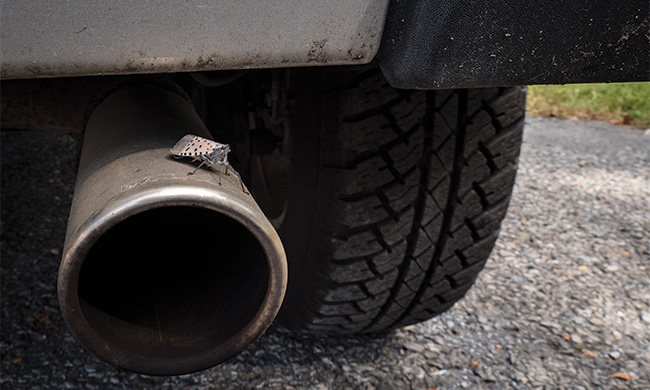
(Feature Impact) Invasive pests can hide in places you’d never expect, and once they spread, they can destroy the trees, plants and food people rely on every day. These pests pose a serious threat to agriculture, forests, ecosystems and the food supply. Many invasive species cannot travel far on their own; instead people unknowingly move them from place to place.
According to the U.S. Department of Agriculture’s Animal and Plant Health Inspection Service, invasive pests hitchhike on everyday items such as plants, produce, firewood, vehicles and outdoor equipment. That makes many common activities – from traveling and online shopping to camping and gardening – potential “pathways” for invasive pests to move and reach new areas. Understanding these pathways is the first step to stopping pests before they spread.
Traveling Abroad
When you travel abroad and return from another country, the agricultural items you bring back can introduce new invasive pests into the U.S. and threaten crops or trees that have no natural defenses against them. Even harmless-looking fruit, seed packets or souvenirs made with plant materials can carry pests such as fruit flies and diseases like citrus canker. That’s why it’s critical travelers declare food, plants and other agricultural products when entering the country from abroad.
Shopping Online
Just because you can order seeds and plants from sellers around the world, it doesn’t mean those items are legal or safe to import. In fact, some invasive snails and plant diseases have entered the U.S. this way. Many agricultural products from overseas require permits, inspections or special paperwork before they can enter the country. Buyers should check where an item ships from, learn the import requirements before purchasing and make sure sellers follow all labeling and shipping rules.
 Partaking in Outdoor Activities
When you spend time outdoors hiking, camping, hunting or fishing, you could inadvertently spread invasive species. For example, transporting firewood from one location to another can spread tree-killing insects, such as the emerald ash borer, which can live inside the wood and emerge later in a new area. The safest choice is to buy or use firewood where you burn it. Additionally, clean all outdoor clothing, gear, equipment and vehicles before leaving an area.
Moving Outdoor Equipment
When you move to a new home, your move can create another opportunity for invasive insects to travel. Before relocating patio furniture, grills, trailers or lawn equipment, inspect and clean them carefully. Look for insects, plant debris and egg masses like spotted lanternfly egg masses, which can blend into outdoor surfaces and look like smears of mud or clumps of dirt. A few minutes of checking and cleaning before you move can help prevent pests from invading your new neighborhood.
Invasive pests cost the U.S. billions of dollars every year and damage forests, farms, parks and backyards. Stopping invasive pests starts with simple steps anyone can take: checking what you pack, clean, move and buy. When everyone does their part, fewer pests spread and communities stay healthier and more resilient.
Visit aphis.usda.gov/hungrypests to learn more about how invasive pests spread and the simple steps you can take to help stop them and protect America’s agriculture and natural resources.
Invasive Pest Protection Checklist
- Declare all food, plants and agricultural items when returning from another country.
- When ordering items online, check where the products ship from and verify U.S. import rules before buying.
- If you’re camping, buy firewood where you plan to burn it. Clean clothing, gear and vehicles before leaving.
- Before moving to a new home, inspect outdoor furniture and equipment, looking closely for egg masses or insects.
Content courtesy of USDA.

SOURCE:
United States Department of Agriculture
📰 Enjoying STM Daily News? Join the conversation!
💬 Leave a comment, share your thoughts, and subscribe to our newsletter for the latest stories, updates, and “News You Can Use This Moment!” delivered to your inbox.
Stay connected with STM Daily News!
Lifestyle
Get Your Kids Ready to Go Back-to-School with Affordable Health Coverage
Once school starts, life moves fast. There is homework, practices, permission slips, and early mornings. Before the calendar fills up, take a moment to make sure your child has affordable health coverage for the year ahead.

Get Your Kids Ready to Go Back-to-School with Affordable Health Coverage
(Feature Impact) Once school starts, life moves fast. There is homework, practices, permission slips, and early mornings. Before the calendar fills up, take a moment to make sure your child has health coverage for the year ahead.
Free or low-cost health coverage is available through the Children’s Health Insurance Program (CHIP) or Medicaid in your state for eligible individuals. With health coverage, your kids and teens can get the care they need to stay healthy and do well in school.
Think your family might not qualify? You might be surprised. Many families may qualify for coverage without realizing it! Eligibility varies by state and is based on family income and household size. In most states, children up to age 19 from a family of four earning up to $80,000 per year may be eligible. In some states, eligible children can still qualify if family income is even higher.
Getting your child covered helps you get them the health care they may need. When a child is sick, the right medicines help them get back to school. If a child has a tough time focusing, there are supports to help. If your child does not see as well as other children, these programs cover glasses. Healthy kids are confident kids, who are ready to participate in every opportunity inside and outside the classroom!
Why Health Coverage Belongs on Your Kids’ Back-to-School List
Having health coverage can help families, like yours, to send your kids and teens off to school ready to learn. Depending on the program and a child’s individual needs, Medicaid and CHIP can provide eligible kids up to age 18 (Medicaid) or 19 (CHIP) with a range of services to support their health all year long, such as:
- Annual checkups and school physicals to prepare children to learn, play, and participate.
- Preventive care to identify health needs early and keep children healthy throughout the year.
- Dental care to help prevent tooth aches, cavities, and missed school days.
- Vision and hearing services to support learning and classroom participation.
- Mental health care to support emotional well-being and school success.
- Prescription medications and treatment to help manage symptoms and stay on track.
- Specialized services for children with disabilities to support growth and learning.
How to Apply
You can apply for Medicaid and CHIP in many ways:
- By phone
- By mail
- In-person through your state’s Medicaid or CHIP office
- Or find your state’s information online at InsureKidsNow.gov/coverage.
Act now to get your child covered before they need health care. Enrollment for these programs is open year-round, meaning families do not have to wait for a specific time of year to get covered.
Once enrolled, coverage must be renewed every twelve months, so it is important to keep your address, email, and phone number up to date with your state Medicaid or CHIP office to avoid missing important renewal information. Visit InsureKidsNow.gov or call 1-877-KIDS-NOW (1-877-543-7669) for more information.
Information provided by the U.S. Department of Health & Human Services. This communication was printed, published, or produced and disseminated at U.S. taxpayer expense.
Photo courtesy of Shutterstock

SOURCE:
Centers for Medicare and Medicaid Services
💪 Your health journey starts here! Explore the latest health news, fitness tips, wellness trends, and healthy living advice. Share your thoughts in the comments and subscribe to the STM Daily News newsletter to stay informed and inspired every day.





