

Lifestyle
Know as They Grow: How birth defects affect each stage of life

Last Updated on July 26, 2024 by Daily News Staff
(Family Features) Birth defects, structural changes that affect one or more parts of the body, are the leading cause of infant mortality. A baby is born with a birth defect every 4.5 minutes, according to the U.S. Centers for Disease Control & Prevention (CDC).
Birth Defects
Birth defects most often develop during the first three months of pregnancy, when a baby’s organs are forming. Not only can they affect mortality, but they can also cause problems for a baby’s overall health and how the body develops and functions. Common birth defects include congenital heart defects, cleft lip, cleft palate and spina bifida.
Genetics, behaviors and social and environmental factors can impact the risk for birth defects, and not all birth defects can be prevented. To help improve the lives of people living with birth defects, consider this information from the experts at March of Dimes, who aim to provide knowledge about what birth defects are, how to prevent them and their impact across all stages of life.
Pregnancy
Although not all birth defects can be prevented, people can increase their chances of having a healthy baby by managing health conditions and adopting healthy behaviors before becoming pregnant.
When planning a pregnancy, see a health care professional and start prenatal care as soon as possible. Talk about taking any medications you’re currently taking (or might need during the pregnancy), including vitamins. Most doctors recommend women take 400 micrograms of folic acid every day before and during pregnancy to help prevent birth defects.
Also discuss vaccinations (including COVID-19, since pregnant women are at elevated risk for severe COVID-19 illness) and other medical concerns, such as how to manage diabetes. Avoid overheating and treat fevers and infections promptly. Avoid alcohol, smoking cigarettes and marijuana or other drugs during pregnancy.
Infancy
If your baby is diagnosed with a birth defect during pregnancy, or born with a birth defect or other health condition, he or she may need special care to aid growth and development. Many children with birth defects lead long and happy lives. However, birth defects remain critical conditions that can cause lifelong challenges.
Advancements such as improved newborn screening and early detection of birth defects can help pinpoint potential problems and ensure the baby begins receiving supportive care for better survival rates and quality of life. Examples include newborn screenings for critical congenital heart defects and monitoring bladder and kidney function in infants and children with spina bifida.
Childhood
Meeting the complex needs of a person with birth defects involves the whole family and can be challenging at times. Finding resources, knowing what to expect and planning for the future can help. Early intervention services and support include special education, speech therapy and physical therapy. These can have a significant impact on a child’s ability to learn new skills, overcome challenges and increase success in school and life.
Some babies born with birth defects may also have physical and intellectual disabilities. The exact ages of developmental milestones are different for each child. Families, educators and health care providers can work together to set meaningful goals and create a plan to help children living with birth defects reach their full potential.
Adolescence
Adolescents and young adults living with birth defects may face unique challenges as they transition from childhood to adulthood. They may need to navigate changes in insurance and transition from a familiar pediatric specialist to a new adult doctor. It’s important for people with birth defects and their families to begin planning for this transition during childhood so they can lead healthy, independent lives as adults.
Other areas of focus might include medications, surgeries and other procedures; mental health; social development and relationships within and outside the family; physical activity; and independence.
Adulthood
With every pregnancy, a woman starts out with a 3% chance of having a baby with a birth defect, regardless of underlying health conditions or lifestyle factors, according to the CDC.
Many women with birth defects and other health conditions have healthy, uneventful pregnancies. However, women with birth defects may be more likely to have a baby with a birth defect. People living with birth defects should talk with their health care providers before becoming pregnant about how a pregnancy might affect them and their baby.
Having someone in your family with a birth defect also increases your chances of having a baby with a birth defect. To learn more about your genetic risk of having a baby with a birth defect, talk with a clinical geneticist or a genetic counselor.
Learn more about birth defects by following #EveryJourneyMatters and #BirthDefects on social media and visiting marchofdimes.org/birthdefects.
Tips to Prevent Birth Defects
Not all birth defects can be prevented, but you can help reduce the risk and increase your chances of having a healthy baby by following these steps.
- Get a preconception checkup before you start trying to get pregnant.
- Ensure your vaccinations are up to date. Some vaccinations protect you from infections that can cause birth defects and updating certain vaccinations may mean you need to wait before trying to become pregnant.
- Take a vitamin supplement that includes 400 micrograms of folic acid every day.
- Learn about your family health history. If you, your partner, your children or someone in your families has a birth defect, you may want to see a genetic counselor to learn more about your risk.
- Work with your health care provider to manage chronic health conditions, such as diabetes.
- Talk to your health care provider about medicines you take, including any prescriptions, over-the-counter medicines, supplements and herbal products. Certain medicines may increase your baby’s risk of a birth defect.
- Reach a healthy weight. Being obese can increase your baby’s chances of having birth defects like neural tube defects, heart defects and cleft palate.
Photos courtesy of Shutterstock
SOURCE:
March of Dimes
Our Lifestyle section on STM Daily News is a hub of inspiration and practical information, offering a range of articles that touch on various aspects of daily life. From tips on family finances to guides for maintaining health and wellness, we strive to empower our readers with knowledge and resources to enhance their lifestyles. Whether you’re seeking outdoor activity ideas, fashion trends, or travel recommendations, our lifestyle section has got you covered. Visit us today at https://stmdailynews.com/category/lifestyle/ and embark on a journey of discovery and self-improvement.





Lifestyle
Social media before bedtime wreaks havoc on our sleep − a sleep researcher explains why screens alone aren’t the main culprit
Social Media Before Bedtime? A sleep researcher explains why late-night social media disrupts sleep less because of screens and blue light, and more because of emotional engagement—doomscrolling, social comparison, habitual checking and FOMO—that keeps the brain aroused and delays rest.

Brian N. Chin, Trinity College
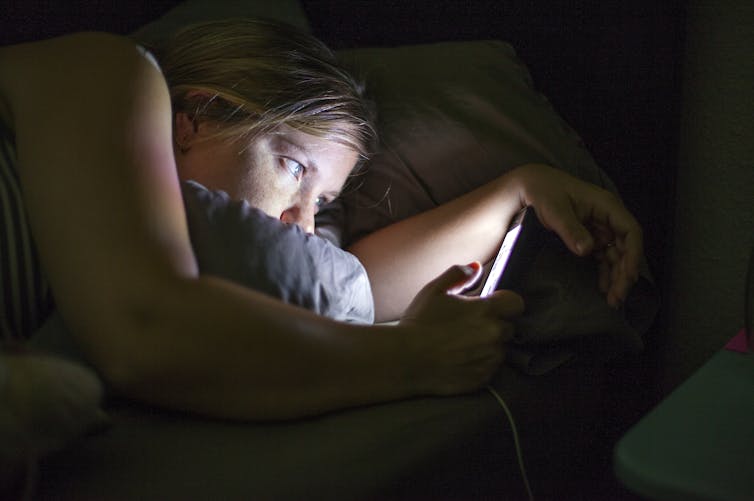
“Avoid screens before bed” is one of the most common pieces of sleep advice. But what if the real problem isn’t screen time − it’s the way we use social media at night?
Sleep deprivation is one of the most widespread yet overlooked public health issues, especially among young adults and adolescents.
Despite needing eight to 10 hours of sleep, most adolescents fall short, while nearly two-thirds of young adults regularly get less than the recommended seven to nine hours.
Poor sleep isn’t just about feeling tired − it’s linked to worsened mental health, emotion regulation, memory, academic performance and even increased risk for chronic illness and early mortality.
At the same time, social media is nearly universal among young adults, with 84% using at least one platform daily. While research has long focused on screen time as the culprit for poor sleep, growing evidence suggests that how often people check social media − and how emotionally engaged they are − matters even more than how long they spend online.
As a social psychologist and sleep researcher, I study how social behaviors, including social media habits, affect sleep and well-being. Sleep isn’t just an individual behavior; it’s shaped by our social environments and relationships.
And one of the most common yet underestimated factors shaping modern sleep? How we engage with social media before bed.
Emotional investment in social media
Beyond simply measuring time spent on social media, researchers have started looking at how emotionally connected people feel to their social media use.
Some studies suggest that the way people emotionally engage with social media may have a greater impact on sleep quality than the total time they spend online.
In a 2024 study of 830 young adults, my colleagues and I examined how different types of social media engagement predicted sleep problems. We found that frequent social media visits and emotional investment were stronger predictors of poor sleep than total screen time. Additionally, presleep cognitive arousal and social comparison played a key role in linking social media engagement to sleep disruption, suggesting that social media’s effects on sleep extend beyond simple screen exposure.
I believe these findings suggest that cutting screen time alone may not be enough − reducing how often people check social media and how emotionally connected they feel to it may be more effective in promoting healthier sleep habits.
How social media disrupts sleep
If you’ve ever struggled to fall asleep after scrolling through social media, it’s not just the screen keeping you awake. While blue light can delay melatonin production, my team’s research and that of others suggests that the way people interact with social media may play an even bigger role in sleep disruption.
Here are some of the biggest ways social media interferes with your sleep:
- Presleep arousal: Doomscrolling and emotionally charged content on social media keeps your brain in a state of heightened alertness, making it harder to relax and fall asleep. Whether it’s political debates, distressing news or even exciting personal updates, emotionally stimulating content can trigger increased cognitive and physiological arousal that delays sleep onset.
- Social comparison: Viewing idealized social media posts before bed can lead to upward social comparison, increasing stress and making it harder to sleep. People tend to compare themselves to highly curated versions of others’ lives − vacations, fitness progress, career milestones − which can lead to feelings of inadequacy and anxiety that disrupt sleep.
- Habitual checking: Social media use after lights out is a strong predictor of poor sleep, as checking notifications and scrolling before bed can quickly become an automatic habit. Studies have shown that nighttime-specific social media use, especially after lights are out, is linked to shorter sleep duration, later bedtimes and lower sleep quality. This pattern reflects bedtime procrastination, where people delay sleep despite knowing it would be better for their health and well-being.
- Fear of missing out, or FOMO: The urge to stay connected also keeps many people scrolling long past their intended bedtime, making sleep feel secondary to staying updated. Research shows that higher FOMO levels are linked to more frequent nighttime social media use and poorer sleep quality. The anticipation of new messages, posts or updates can create a sense of social pressure to stay online and reinforce the habit of delaying sleep.
Taken together, these factors make social media more than just a passive distraction − it becomes an active barrier to restful sleep. In other words, that late-night scroll isn’t harmless − it’s quietly rewiring your sleep and well-being.
How to use social media without sleep disruption
You don’t need to quit social media, but restructuring how you engage with it at night could help. Research suggests that small behavioral changes to your bedtime routine can make a significant difference in sleep quality. I suggest trying these practical, evidence-backed strategies for improving your sleep:
- Give your brain time to wind down: Avoid emotionally charged content 30 to 60 minutes before bed to help your mind relax and prepare for sleep.
- Create separation between social media and sleep: Set your phone to “Do Not Disturb” or leave it outside the bedroom to avoid the temptation of late-night checking.
- Reduce mindless scrolling: If you catch yourself endlessly refreshing, take a small, mindful pause and ask yourself: “Do I actually want to be on this app right now?”
A brief moment of awareness can help break the habit loop.
Brian N. Chin, Assistant Professor of Psychology, Trinity College
This article is republished from The Conversation under a Creative Commons license. Read the original article.
📰 Enjoying STM Daily News? Join the conversation!
💬 Leave a comment, share your thoughts, and subscribe to our newsletter for the latest stories, updates, and “News You Can Use This Moment!” delivered to your inbox.
Stay connected with STM Daily News!

child education
Toy Story 5’s ‘Lilypad’ is an indictment of the world that birthed the ‘iPad Kid’
Toy Story 5 introduces “Lilypad,” a kid-friendly tablet that sidelines Woody and Buzz—and spotlights how the “iPad kid” debate is less about bad parenting and more about work, childcare costs, and a broken social safety net.
Aarushi Bhandari, Davidson College
In the trailer for “Toy Story 5,” a little girl named Bonnie is playing with her toys when a package arrives in the mail.
She opens it to find Lilypad, a tablet for children.
The iconic toys from the series – Woody, Buzz Lightyear, the Potato Heads, Forky and Slinky Dog – then watch in dismay as Bonnie casts them all aside in favor of the bright tablet screen. Rex the dinosaur exclaims, “What? Extinction? Not again!”
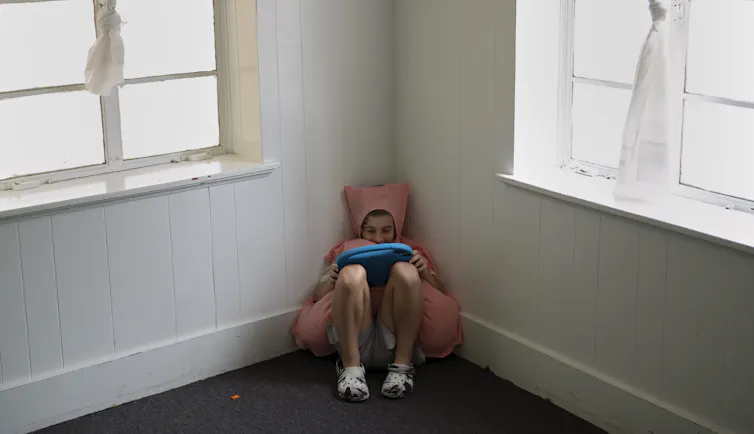
The film zeros in on a uniquely 21st-century phenomenon: the “iPad kid,” a term used – often disparagingly – to describe a generation of children who grew up enchanted by screens.
A lot of the discussion around tablet use among kids shames parents, framing it as an example of lazy or bad parenting. Yet factors such as long working hours and lack of access to affordable childcare compel many parents to rely on tablets.
As a scholar of the attention economy – and also as a mom to a 4-year-old – I’ve noticed a disconnect between the resources U.S. society offers parents versus what’s expected of them in the digital age.
’ Woody, Buzz and the gang must prove that traditional toys still matter when Bonnie becomes captivated by a high-tech tablet named Lilypad.
The pandemic and the ‘square au pair’
When the first “Toy Story” came out in 1995, many single-income families could still afford to comfortably raise multiple kids. It was more common for new parents to live near their extended families, such as grandparents, to provide childcare support. Federal policies provided some low-income families with cash assistance that helped ease the cost of transition to parenthood.
Since then, parenting has become a lot more challenging. Single-income households with kids under 18 have steadily declined as wages have stagnated, forcing both parents into the workforce. At the same time, it’s harder to qualify for government benefits.
And even when moms do earn a paycheck, working moms experience what sociologists call the “motherhood penalty” – career disadvantages, such as lower wages and promotion barriers, due to childbirth – even as U.S. parental leave policies remain weak.
So it’s hardly a surprise that fewer Americans are choosing to become parents under these conditions. But those who did have kids in the years leading up to 2020 ran smack into the COVID-19 pandemic.
The lockdown that started in March 2020 following the outbreak of the pandemic led to closures of schools and many workplaces. Many parents either worked from home or provided critical work in grocery stores and hospitals. Kids stayed home and schools transitioned to remote-learning models.
It’s important to remember that many institutions with social legitimacy and authority encouraged the use of tablets during the COVID-19 pandemic lockdowns.
School systems around the world normalized their use for remote learning. Children as young as 4 were given tablets, which gave their parents space to complete their own remote work and other household tasks, with some moms referring to it as “the square au pair.”
In this sense, the tablet became a form of school-sanctioned childcare.
Economic activity was minimally disrupted. Productivity hummed along. And the kids? Comfortably distracted.
For some households, there’s little choice
When lockdowns ended, tablets remained integrated into the education system. In 2021, 4 in 5 U.S. households with children had a tablet. Beyond schoolwork, kids also use tablets for activities, such as video games and watching TV.
The adverse impacts of excessive screen time in general has been well documented for decades. But scholars have only recently unpacked the specific harms of interactive tablet use among young children.
Children who use tablets are more likely to experience emotional dysregulation and dependency on screens. Researchers have also found tablet use among kids to be significantly associated with ADHD diagnoses.
At the same time, research shows screen time use among children is tied to social class.
Parents from working- and middle-class households are more likely to rely on screens compared to high-income parents, who can hire childcare services, such as full-time nannies.
Parental education is also a factor. Americans generally have little grasp of digital hygiene – knowledge about best practices to minimize negative effects of screens. But households with parents who didn’t graduate from college are even more in the dark.
And while schools hand out tablets, most of them fail to provide students and families with a comprehensive education on the adverse impacts of excessive screen time.
In other words, this isn’t a Generation Alpha problem. Most people – adults included, with or without children – aren’t properly educated and informed about their choices around technology use. Yet adults continue to be shamed if they hand their kid a tablet. All the while, parents navigate the added burdens of challenging the educational status quo around tablets.
Frankenstein’s village
When work is the only sturdy pillar in a society where government benefits for low-income people, family ties and community institutions have eroded, tablets replace the metaphorical village – the web of social support that helps families thrive.
In pursuit of jobs or affordable housing, many young parents move farther from their extended families and the communities where they grew up. The working parents who are forced to rely on daycare – sending kids as young as a few weeks old – end up spending an exorbitant amount of money on the service.
Meanwhile, the persistence of traditional gender roles ensures that many moms still go home to a second shift: Working women continue to disproportionately cook, clean and care for children. No matter how overworked or exhausted some parents are, they cannot afford to hire help as the inflation and cost-of-living crises hit historic highs.
Big Tech takes advantage of this crisis with a “solution” that ultimately treats children as products, manipulating their emotions and mining their data. As I argue in my book, “Attention and Alienation,” children’s dependency on screens is a key component of the attention economy.
The earlier a life is monetized, the longer it is profitable.
“Toy Story 5” and its critical take on the tablet may be helpful. But it will take more than a blockbuster movie to protect small kids from the harms of too much screen time. Instead, I think it will require strong parental leave policies, expansive and affordable childcare access, fair wages and shared household labor.
In other words, there needs to be a full rehabilitation of the village.
Aarushi Bhandari, Assistant Professor of Sociology, Davidson College
This article is republished from The Conversation under a Creative Commons license. Read the original article.
📰 Enjoying STM Daily News? Join the conversation!
💬 Leave a comment, share your thoughts, and subscribe to our newsletter for the latest stories, updates, and “News You Can Use This Moment!” delivered to your inbox.
Stay connected with STM Daily News!
STM Blog
What is Nude Recreation Week?
Nude Recreation Week is a real event that promotes the idea of enjoying the outdoors without clothing.
Nude Recreation Week is a real event that promotes the idea of enjoying the outdoors without clothing. It is a week-long celebration of the human body and its natural state. The history of Nude Recreation Week is a fascinating one, with its origins dating back to the early 1970s.
The idea of Nude Recreation Week came from a group of naturists who wanted to promote the benefits of nudity in the outdoors. They believed that nudity was a natural and healthy way to enjoy the outdoors, and that it allowed people to connect with nature in a more meaningful way. The first Nude Recreation Week was held in 1976, and it has been celebrated every year since then.
There are many ways to celebrate Nude Recreation Week legally. Many naturist organizations offer events and activities that are open to the public, such as nude hikes, beach cleanups, and other outdoor activities. There are also many private resorts and campsites that cater to naturists, and they offer a variety of activities and amenities for those who want to enjoy the outdoors in the nude.
Nude Recreation Week – July 6–12
Nude Recreation Week celebrates naturism, body positivity, and the freedom to enjoy outdoor activities in a clothing-free environment. Observed at nudist resorts, beaches, and private spaces, it encourages self-acceptance and connection with nature. The week culminates in International Skinny Dip Day. Learn more about the history and celebration: National Today, National Day Calendar, American Association for Nude Recreation.
The opinions about Nude Recreation Week are divided. Some people believe that it is a healthy and natural way to enjoy the outdoors, and that it promotes body positivity and self-confidence. Others believe that it is inappropriate and offensive, and that it should not be allowed in public spaces.
On one hand, some people argue that nudity is a natural state for humans and that it should be celebrated. They believe that nudity is not inherently sexual or offensive, and that it is a healthy way to connect with nature and with other people. They also argue that nudity promotes body positivity and self-confidence, and that it can help people overcome body shame and negative self-image.
On the other hand, some people argue that nudity is inappropriate and offensive, especially in public spaces. They believe that nudity is a private matter and that it should not be displayed in public. They also argue that nudity can be sexualized and that it can lead to inappropriate behavior and harassment.

In conclusion, Nude Recreation Week is a real event that promotes the idea of enjoying the outdoors without clothing. It has a fascinating history, and it is celebrated by many people around the world. While opinions about nudity are divided, it is clear that there are many ways to celebrate Nude Recreation Week legally, and that it is a healthy and natural way to enjoy the outdoors.
https://nationaltoday.com/nude-recreation-week/
National Nude Day – July
National Nude Day celebrates body positivity, personal freedom, and self-acceptance—not sex. Observed by nudist and naturist communities, the day encourages people to embrace their natural form and challenge societal body shaming. Participants may visit naturist beaches or resorts or enjoy private time at home to connect with their body and nature. Learn more about the celebration and its history here: National Day Calendar, National Today, The Guardian on Naturism.
🌿 Enjoying Naturist News? Explore more stories celebrating naturism, body positivity, and the naturist lifestyle. Subscribe to the STM Daily News newsletter to stay informed with the latest articles, community news, and exclusive updates delivered right to your inbox.





