

Child Health
Illuminating Global Landmarks: Make NF Research Visible

Last Updated on May 29, 2024 by Daily News Staff
Global landmarks are set to illuminate in a stunning display of support for World NF Awareness Day. The Children’s Tumor Foundation (CTF) has organized the “Shine a Light on NF” campaign, which will see nearly 400 famous buildings, bridges, waterfalls, castles, and architectural icons light up in blue and green, the official colors of the neurofibromatosis (NF) cause.
NF is a group of genetic conditions that affects approximately 4 million people worldwide. It is known as either neurofibromatosis or schwannomatosis, and it causes tumors to grow on nerves throughout the body. The impact of NF can be severe, leading to disabilities such as blindness, deafness, bone abnormalities, disfigurement, learning disabilities, disabling pain, and cancer. Despite the significant challenges it poses, there is currently no cure for NF. However, the “Shine a Light on NF” campaign aims to raise awareness and highlight the crucial need for scientific research funding.
The “Shine a Light on NF” campaign, launched by the Children’s Tumor Foundation, has grown substantially over the years. The foundation works in partnership with NF organizations, medical and research institutions, and corporate and media partners around the world to expand global awareness of this rare set of genetic conditions. The involvement of internationally recognized landmarks is a testament to the campaign’s reach.
Landmarks such as Niagara Falls, the National Theatre in London, The City of Arts and Sciences in Valencia, and The David in Florence are among the many iconic sites that will light up in blue and green this year. This show of unity and support not only raises awareness but also sends a powerful message of solidarity to those affected by NF.
In conjunction with World NF Awareness Day, the Children’s Tumor Foundation is also launching its “Make NF Research Visible” campaign. This initiative focuses on the transformative potential of scientific research in the fight against NF. By highlighting advancements in NF scientific research and clinical care, the campaign showcases the crucial role these efforts play in improving patient outcomes.
As part of the “Make NF Research Visible” campaign, a collection of portraits and stories featuring clinicians, researchers, and patients is being shared. These compelling narratives demonstrate how increased visibility can drive further progress in NF research and provide support to those affected by the condition.
Simon Vukelj, Chief Marketing Officer of the Children’s Tumor Foundation, emphasizes the importance of the “Make NF Research Visible” campaign, stating that it aims to inspire greater support and drive further advancements. By shining a light on the incredible work being done by researchers and clinicians, the foundation aims to brighten the path forward for everyone affected by NF.
Carson McNall, a 16-year-old living with neurofibromatosis type 1, shares his experiences and hopes for a future where NF can be cured. Carson describes the chaos of living with NF at such a young age and dreams of a life free from constant appointments and worries about the future. The “Make NF Research Visible” campaign aims to turn these dreams into reality by amplifying the voices of patients and showcasing how research can transform lives within the NF community.
Neurofibromatosis encompasses a group of genetic conditions that lead to the growth of tumors on nerves throughout the body. The Children’s Tumor Foundation has initiated campaigns like “Shine a Light on NF” and “Make NF Research Visible” to raise awareness and underscore the importance of advancements in scientific research. These efforts highlight the impact of NF on public awareness, diagnosis, clinical care, and ongoing research endeavors towards finding a cure.
As the world witnesses the illumination of global landmarks and engages with the “Make NF Research Visible” campaign, it is a reminder of the power of unity and the potential for scientific advancements to bring hope and transformation to those affected by neurofibromatosis.
For the full, global list of locations Shining a Light on NF, visit ctf.org/shinealight.
For more information about NF Awareness Month and Make NF Visible, visit makenfvisible.org.
For more information about the Children’s Tumor Foundation, visit ctf.org.
About the Children’s Tumor Foundation
The Children’s Tumor Foundation is the world’s leading organization dedicated to funding and driving innovative research that will result in effective treatments for the millions of people worldwide living with NF, a group of genetic conditions that causes tumors to grow on nerves throughout the body. Through collaboration with the scientific community, pharmaceutical and biotech industries, and other key partners, we work diligently to accelerate research and development efforts, ensuring that promising treatments reach those who need them. One in every 2,000 people is born with some type of neurofibromatosis or schwannomatosis, which may lead to blindness, deafness, bone abnormalities, disfigurement, learning disabilities, disabling pain, or cancer. NF affects all populations equally, and while there is no cure yet, the Children’s Tumor Foundation mission of driving research, expanding knowledge, and advancing care for the NF community fosters our vision of one day ending NF. For more information, please visit: ctf.org.
https://stmdailynews.com/category/lifestyle/health-and-wellness/health
SOURCE Children’s Tumor Foundation


Women's Health
From Pregnancy to Parenthood: How Medicaid Supports Women Across the Maternal Health Journey
When women are planning, expanding or raising families, access to healthcare is a vital source of physical and mental support. For millions of women and families across the U.S., Medicaid provides that support, enabling parents and children to access the reproductive, maternal and pediatric healthcare they need to thrive.

(Feature Impact) When women are planning, expanding or raising families, access to healthcare is a vital source of physical and mental support. For millions of women and families across the U.S., Medicaid provides that support, enabling parents and children to access the reproductive, maternal and pediatric healthcare they need to thrive. It’s there for anyone who needs it, from working adults to families navigating unemployment or disability.
To learn about how Medicaid supports growing families through every stage of the parenthood journey, consider this information from the maternal health experts at Community Catalyst.
Making Family Planning Possible
When people are able to plan and prepare to welcome children into the world, it can remove a lot of stress, uncertainty and complication from their journeys. Medicaid family-planning coverage may include reproductive health counseling, pre-pregnancy screenings, many forms of FDA-approved contraception and other preventive services. Comprehensive access to birth control allows women and couples to make their own decisions about pregnancy timing or spacing between siblings.
Supporting Healthy Pregnancies
Pregnancy is no small endeavor, and a woman with a healthcare team at her side is better prepared to face whatever challenges may arise. Pregnancy often requires frequent appointments for ultrasounds, laboratory testing and monitoring – all of which are made possible and affordable through Medicaid. Since 1 in 4 Medicaid recipients are women ages 15-49, this care can make a difference during their childbearing years.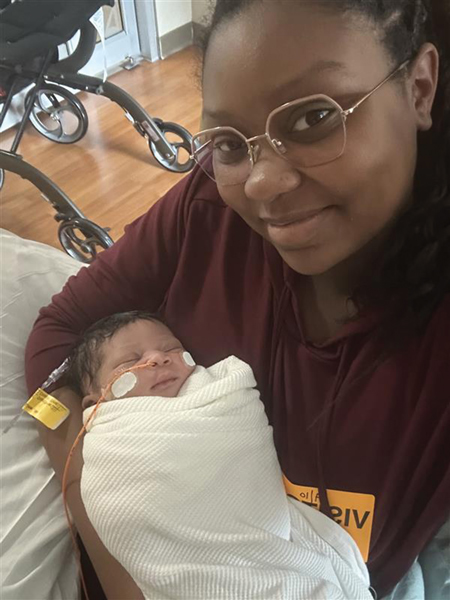
Covering Labor and Delivery Costs
Labor and birth can be unpredictable, but being able to afford them shouldn’t be. Without Medicaid, which finances approximately 41% of U.S. births, based on data from the National Center for Health Statistics, the cost of hospitalization and delivery could be financially devastating to young families. Coverage for labor, delivery and NICU care, if needed, gives parents the ability to focus on their new babies instead of overwhelming medical bills.
Providing Postpartum Care
The need for maternal healthcare doesn’t end when mother and child are discharged from the hospital. Physical recovery takes time, especially if there were any complications during the pregnancy or delivery. Beyond that, postpartum women may need mental health support, treatment for chronic conditions, contraception renewals and other health services that Medicaid can provide. Currently, 49 states plus Washington, D.C. have extended postpartum Medicaid coverage to 12 months, which helps new mothers get continuous care without worrying about insurance lapses.
Caring for Growing Kids
Nearly half of all Medicaid recipients in the U.S. are children ages 0-18 – and sometimes kids qualify for Medicaid even when their parents don’t. The program can help new parents stay up to date with well-child visits for infants, immunizations and ongoing preventive care throughout childhood.
To learn more about access to essential services at every stage of life, visit communitycatalyst.org/maternalhealth.
Filling Gaps in Pregnancy and Postpartum Care: Kayla and Tru’s Story
When Kayla found out she was pregnant at 24 years old, she had no idea how she was going to afford all the costs that were coming. Despite having part-time employment and primary insurance through her mother, she faced gaps in coverage for pregnancy care.
Qualifying for Medicaid changed everything. Not only did it cover Kayla’s prenatal visits, labs, ultrasounds and delivery, but once her son Tru was born, both mother and baby required an extended hospital stay. Medicaid made it possible for Tru to get the care he needed in the NICU while Kayla recovered from birth complications.
Afterward, the program continued to cover Kayla and Tru for follow-up appointments and well-child visits. She’s grateful it was there during her time of need and has one simple message to share: If you qualify for Medicaid, apply.
“You never know what’s going to happen,” she said. “I didn’t expect to be in the hospital as long. I didn’t expect for him to be where he was. But it was definitely needed and helpful.”
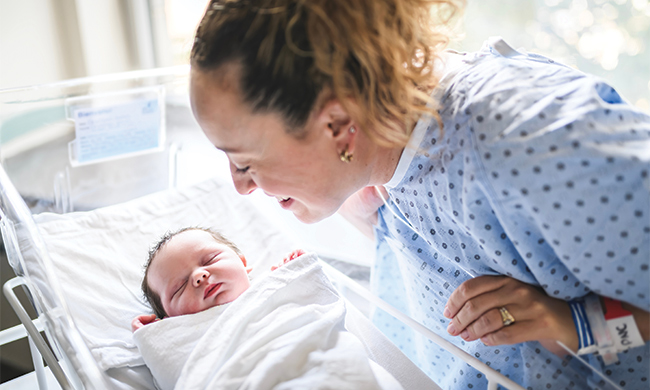
Photo courtesy of Shutterstock (mother leaning over hospital bassinet)

SOURCE:
💪 Your health journey starts here! Explore the latest health news, fitness tips, wellness trends, and healthy living advice. Share your thoughts in the comments and subscribe to the STM Daily News newsletter to stay informed and inspired every day.
Lifestyle
P.F. Chang’s Partners With Starlight Children’s Foundation for New “Spirit of the Zodiac” Giving Campaign
P.F. Chang’s launches Spirit of the Zodiac, a giving campaign supporting Starlight Children’s Foundation with Bao plush purchases and in-restaurant donations.

P.F. Chang’s Launches Spirit of the Zodiac Campaign to Support Starlight Children’s Foundation
P.F. Chang’s is launching a new annual charitable initiative designed to bring comfort to children during hospital stays. The Scottsdale-based restaurant brand announced Spirit of the Zodiac, a giving program inspired by the Chinese zodiac, with its inaugural campaign—Year of the Fire Horse: Spirit of Strength—benefiting Starlight Children’s Foundation.
What the campaign supports
Starlight Children’s Foundation serves more than 800 children’s hospitals nationwide, providing programs such as toy deliveries, hospital gowns, gaming stations, and other experiences intended to help kids feel more comfortable, connected, and supported during medical care.
How guests can participate (Sept. 2–Sept. 30)
From September 2 through September 30, 2026, guests can purchase Bao, a limited-edition horse plushie, for $10 through dine-in transactions at participating P.F. Chang’s restaurants (while supplies last). For each Bao purchased, P.F. Chang’s will donate an identical Bao plushie to Starlight for distribution through its hospital network—up to 20,000 donated plushies.
Guests can also support the campaign by rounding up their checks or making a direct donation in restaurant. The overall effort aims to raise $500,000 to support Starlight’s work with children and families.
Bonus offer for donors
P.F. Chang’s says guests who purchase Bao or make an in-restaurant donation of $10 or more to Starlight will receive an offer for a complimentary appetizer with the purchase of an entrée on a future dine-in visit, valid through October 31, 2026 (restrictions apply; participating locations only).
A story component for families
The campaign also includes a storytelling element: Bao’s journey will be featured in a digital story and an original children’s book by author Jenny Liao and illustrator Adriane Tsai, expected to publish later this month.
What to watch for
P.F. Chang’s and Starlight plan to continue the partnership beyond September, including in-hospital catering and plush deliveries in early October.
For more information, visit www.pfchangs.com/offers/spirit-of-the-zodiac. To learn more about the partnership, visit starlight.org/pfchangs.
💪 Your health journey starts here! Explore the latest health news, fitness tips, wellness trends, and healthy living advice. Share your thoughts in the comments and subscribe to the STM Daily News newsletter to stay informed and inspired every day.

Child Health
Pediatric Cancer Goes Beyond a Victory Bell: How Research and Innovation Improve Survivorship Rates

(Feature Impact) For every tear-jerking video found online of a child ringing a bell that signifies a cancer journey victory, there are dozens, if not more, people working behind the scenes. From leading minds in cancer research to doctors, nurses and support staff, a vast network of people and decades of medical advancements make those moments possible.
In fact, in the last 10 years, the FDA approved 10 new immunotherapies and 20 molecularly targeted therapies to treat pediatric cancers, according to the American Association for Cancer Research. Those breakthroughs – and the children they impact – come with a cost, which is why Hyundai Hope on Wheels has served as a pioneer in increasing survival rates by investing $303 million in pediatric cancer research over nearly three decades.
Those funds have supported more than 1,600 grants to 210 institutions, leading to new insights into cancer biology, clinical trials and new drug development while bringing hope at all stages of a child’s cancer journey.
However, there remains work to be accomplished. According to a survey conducted by Atomik Research on behalf of Hyundai Hope on Wheels, 46% of U.S. adults believe that a child ringing a hospital bell after cancer treatment signifies the child is cancer-free and their medical journey is largely over. The reality is more nuanced than that. In fact, more than one-third of respondents said they’re not familiar with the term cancer survivorship or they have heard the term but don’t fully understand what it means.
Many health care organizations define survivorship as beginning at the time of diagnosis and continuing through treatment and beyond. According to the American Association for Cancer Research, children who survive cancer face several long-term physical and psycho-social challenges due to their cancer and treatment, including planned surgeries, additional rounds of radiation or other forms of medical treatment to address common physical challenges stemming from chemotherapy.
Survival rates continue increasing with scientific and technological breakthroughs, up from 75% to 85% in nearly three decades, representing roughly 40,000 more children surviving their diagnoses. More than 3 in 4 U.S. adults are encouraged by that progress.
For survivors, treatment is just the beginning. Research, follow-up care and long-term funding determine what comes next, and every grant funded and every survivorship program backed means more children reaching adulthood.
According to the survey, more than 80% of adults said they’re more likely to support organizations that fund survivorship services, creating opportunities to fund crucial research and support for children facing pediatric cancer. Collaboration among leading minds, made possible by funding from organizations like Hyundai Hope on Wheels, has led to the development of comprehensive approaches to help children thrive during life after cancer, including enhanced medical records, AI integration, socioemotional support and combatting long-term side effects.
Find more information and ways you can join the fight by visiting HyundaiHopeOnWheels.org.
Photo courtesy of Shutterstock

SOURCE:
📰 Enjoying STM Daily News? Join the conversation!
💬 Leave a comment, share your thoughts, and subscribe to our newsletter for the latest stories, updates, and “News You Can Use This Moment!” delivered to your inbox.
Stay connected with STM Daily News!





