

recipes
5 Basic Steps for Sizzling Steak
A perfectly grilled sizzling steak starts with trimming and warming the meat, adding salt, using two-zone heat, searing, checking doneness, and letting it rest.


(Culinary.net) A sizzling steak is a surefire sound of summer, and the flavors achieved from one that’s perfectly grilled are hard to match.
Sizzling Steak Choice
Before you fire up your grill, consider these five basics for cooking a chef-worthy steak:
Prepare Your Cut
Taste preferences (and prices) may differ among sirloins, ribeyes, T-bones and more, but the way you prepare steaks likely won’t change much from cut to cut. You’ll want to trim the thickness down to 1/2-1 inch for proper cooking, and setting the meat out ahead of time allows it to warm to room temperature before hitting the grill. Placing a refrigerator-cool slab on hot grates works against you in two ways: first, the cold meat instantly chills your previously warm grill, and second, the inner portion of the steak will take longer to grill.
Add Some Salt
Feel free to add any spices that you prefer, but remember a good steak typically doesn’t require fancy seasoning – a pinch of salt works just fine. Add your salt anywhere between 30 minutes to a few hours before grilling time to help retain moisture and improve flavor.
Aim for High Heat
Grilling a steak correctly actually isn’t just about maintaining a sweltering flame. A two-zone fire is usually the way to go – one side of the grill should be hot (using direct heat) with the other side not quite as warm (indirect heat). This allows you to create a sear over direct heat before finishing cooking through – without burning – over indirect heat.
Sear and Slide
Speaking of searing: Cooking your steak over direct heat 1-2 minutes on each side is normally about right for creating a proper sear. At this point, depending on the thickness of your steak, you’ll want to check for doneness. If it’s not quite to the temperature you’re looking to achieve, simply slide it over to the indirect heat for a finishing touch.
Keep in mind these general guidelines for doneness: 120-125° F is rare, 130-135° F is medium-rare, 140-145° F is medium, 150-155° F is medium-well and 160-175° F is well done.
Let Rest
Finally, as hungry as you may be at this point, resting steaks is an important last step before diving in. Giving your steaks 5-10 minutes (foil or no foil) allows flavors to redistribute and moisture to be retained in the meat.
Find more cooking tips and recipes at Culinary.net.
Photo courtesy of Getty Images
SOURCE:
Culinary.net
At our core, we at STM Daily News, strive to keep you informed and inspired with the freshest content on all things food and beverage. From mouthwatering recipes to intriguing articles, we’re here to satisfy your appetite for culinary knowledge.
Visit our Food & Drink section to get the latest on Foodie News and recipes, offering a delightful blend of culinary inspiration and gastronomic trends to elevate your dining experience.
https://stmdailynews.com/category/food-and-beverage


A poached egg may look fancy, but it is surprisingly easy to prepare. With a tender egg white and warm, runny yolk, it makes a delicious addition to toast, salads, breakfast bowls or avocado toast.
Ingredients
- 1 large fresh egg
- Water
- 1 teaspoon white vinegar, optional
- Salt and black pepper
- Toast or English muffin for serving, optional
Instructions
Fill a saucepan with about 2 to 3 inches of water and bring it to a gentle simmer. Avoid a rolling boil, which can break the egg apart.
Crack the egg into a small cup or bowl. Add the vinegar to the water if desired—it helps the egg white hold its shape.
Gently slide the egg into the simmering water. Cook for about 3 minutes for a runny yolk, or 4 to 5 minutes for a firmer center.
Remove the egg with a slotted spoon and place it briefly on a paper towel to absorb excess water. Season with salt and pepper, then serve immediately.
Quick Tip
Fresh, cold eggs usually produce the neatest poached eggs because their whites are thicker and stay closer to the yolk while cooking.
Simple, satisfying and ready in minutes, a poached egg is an easy way to make an everyday breakfast feel a little more special.
recipes
Fiber is Trending: Sorghum Makes it Simple
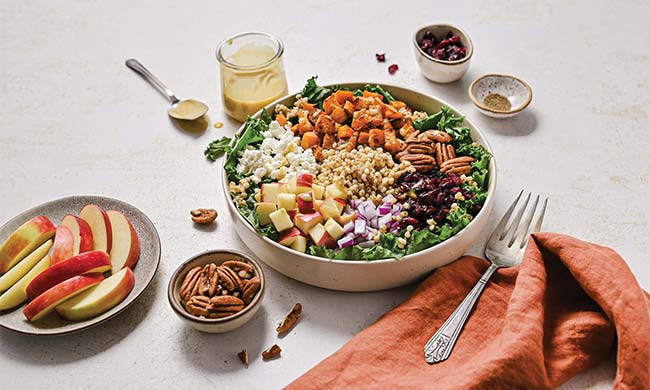
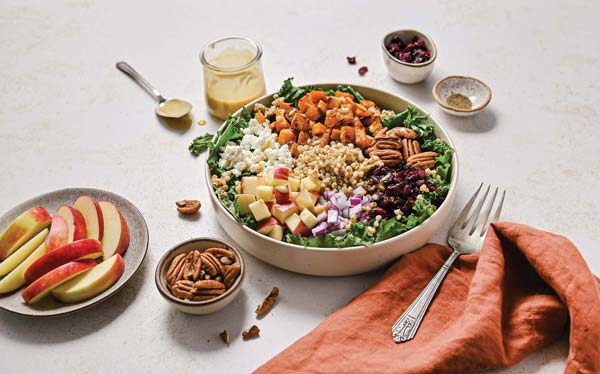
One whole grain quietly gaining recognition for its impressive nutritional profile and versatility in the kitchen is sorghum. This Sorghum Fall Harvest Salad makes it easy to add more fiber to your plate, pairing whole-grain sorghum with seasonal produce like kale, butternut squash and apples.
Fiber is Trending: Sorghum Makes it Simple
(Feature Impact) Protein has long dominated nutrition headlines. Now, dietitians encourage people to pay close attention to another important nutrient: fiber.
One whole grain quietly gaining recognition for its impressive nutritional profile and versatility in the kitchen is sorghum. It’s a naturally gluten-free whole grain that provides both fiber and protein, contains naturally occurring antioxidants and supplies essential nutrients including magnesium, iron and B vitamins.
One reason sorghum is attracting attention is its fiber content. Whole-grain sorghum contains a type of fiber called resistant starch, which research has shown can contribute to healthy body weight and improved insulin resistance.
Unlike many refined gluten-free products that are lower in fiber, sorghum delivers the benefits of a whole grain while remaining naturally gluten-free. Whether you have celiac disease, gluten sensitivity or simply want to enjoy a wider variety of whole grains, sorghum is an easy addition to your menu.
 Another reason nutrition experts are taking a closer look at sorghum is its antioxidant content, specifically its health-promoting polyphenols.
Perhaps the biggest surprise is how easy sorghum is to cook with. Whole-grain sorghum offers a mild, slightly nutty flavor and pleasantly chewy texture, making it a delicious alternative for brown rice, quinoa or farro in grain bowls, soups and salads.
Pearled sorghum cooks faster, making it ideal for busy weeknights. Sorghum flour can replace wheat flour in pancakes, muffins and quick breads, while popped sorghum creates bite-sized crunchy kernels for a fun snack or topping for yogurt, soups and salads. For example, this Sorghum Fall Harvest Salad makes it easy to add more fiber to your plate, pairing whole-grain sorghum with seasonal produce like kale, butternut squash and apples.
Healthy eating doesn’t have to mean following the latest trend. Sometimes it simply means rediscovering nutritious foods that have stood the test of time. With its combination of fiber, protein, antioxidants and naturally gluten-free, whole-grain goodness, sorghum is an ancient grain worth adding to your pantry.
You can find dozens of recipes, cooking tips and meal ideas at SorghumCheckoff.com/recipes.
Easy Sorghum Swaps for Everyday Dishes
If you’re looking for ways to add more sorghum to your meals, these easy swaps make it simple to enjoy this versatile grain in recipes you already love.
- Replace rice. Use cooked whole-grain or pearled sorghum instead of white or brown rice in grain bowls, stir fries, burrito bowls and side dishes.
- Swap for pasta. Stir cooked sorghum into pasta salads or use it in place of small pasta shapes in soups for a hearty twist.
- Mix into salads. Add cooked sorghum to green salads, grain salads or vegetable salads for extra texture and whole-grain nutrition.
- Boost your breakfast. Stir cooked sorghum into oatmeal, yogurt parfaits or breakfast bowls then top with fruit, nuts or cinnamon.
- Bake with sorghum flour. Replace wheat flour in pancakes, muffins, cookies, waffles or quick breads with sorghum flour for a mild, slightly sweet flavor.
Sorghum Fall Harvest Salad
Recipe courtesy of Sorghum Checkoff
- 1 cup roasted butternut squash, cubed
- 1/4 cup olive oil, plus additional for drizzling, divided
- salt, to taste
- pepper, to taste
- 2 tablespoons apple cider vinegar
- 1 tablespoon sorghum syrup
- 1 teaspoon Dijon mustard
- 4 cups kale, chopped
- 1 cup cooked whole-grain sorghum
- 1 small apple, diced
- 1/2 cup pecan halves, toasted
- 1/4 cup dried cranberries
- 1/4 cup red onions, diced
- 1/3 cup feta cheese, crumbled
- Preheat oven to 400 F. Toss cubed butternut squash with a drizzle of olive oil and salt and pepper, to taste.
- Spread on a baking sheet and roast for 20-25 minutes, flipping halfway, until tender and golden.
- In a jar or small bowl, whisk 1/4 cup olive oil, apple cider vinegar, sorghum syrup, Dijon mustard and salt and pepper, to taste, until emulsified.
- Add chopped kale to a large bowl. Massage with a drizzle of olive oil 1-2 minutes until tender.
- Arrange precooked sorghum, roasted squash, apple, pecans, dried cranberries, red onion and feta cheese on top of kale.
- Drizzle with sorghum syrup dressing just before serving. Toss lightly to combine or serve dressing on the side.

SOURCE:
🍴 What’s your favorite food, recipe, or dining spot? Tell us in the comments! Then subscribe to the STM Daily News newsletter for fresh recipes, restaurant news, food trends, and delicious stories delivered straight to your inbox. Join our growing community of food lovers today!
Food and Beverage
Enjoy Tangy, Spicy Buffalo Chicken with a Superfood Swap
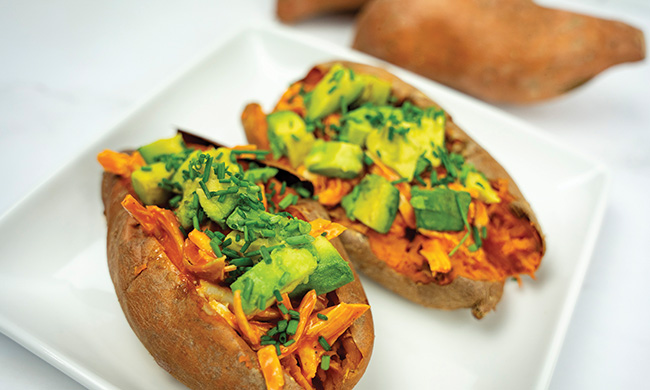
Enjoy Tangy, Spicy Buffalo Chicken: When you’re craving a specific comfort food, other flavors just aren’t going to hit the spot the same way. The good news: It only takes one or two simple ingredient changes to satisfy your taste buds while leveling up the nutrition of a meal like these Buffalo Chicken Stuffed Sweetpotatoes.
Enjoy Tangy, Spicy Buffalo Chicken with a Superfood Swap
(Feature Impact) When you’re craving a specific comfort food, other flavors just aren’t going to hit the spot the same way. The good news: It only takes one or two simple ingredient changes to satisfy your taste buds while leveling up the nutrition of a meal.
Watch video to see how to make this recipe!
For instance, if you’re jonesing for the zesty kick of buffalo sauce, your mind might initially go to pizza and wings. This Buffalo Chicken Stuffed Sweetpotatoes recipe featuring North Carolina Sweetpotatoes invites you to rethink that takeout order and enjoy the same bold, satisfying flavors in a more nutritious way. They’re a little sweet and a little spicy with savory chicken and creamy avocado stuffed jacket-style inside a nutrient-dense baked sweetpotato.
Sweetpotatoes – deliberately spelled as one word to better differentiate this unique root vegetable from traditional potatoes – are an excellent source of vitamins, minerals, antioxidants and fiber. The American Diabetes Association even calls them a “diabetes superfood,” as they raise blood sugar more slowly than other starchy foods while allowing you to savor some natural sweetness. They’re also a great choice for athletes, thanks to complex carbohydrates that boost energy and nutrients that support endurance and recovery.
Find more ways to level up your favorite flavors at ncsweetpotatoes.com.
Buffalo Chicken Stuffed Sweetpotatoes
Recipe courtesy of the North Carolina Sweetpotato Commission
Prep time: 10 minutes
Cook time: 45 minutes
Servings: 4
- 4 sweetpotatoes
- 1 rotisserie chicken, shredded
- 1 1/2 cups buffalo sauce
- 1 avocado, diced
- 2 tablespoons diced chives
- Preheat oven to 400 F. Place sweetpotatoes on lined baking sheet and use fork to pierce each one for venting. Bake 45 minutes, or until tender.
- Let sweetpotatoes cool slightly then use knife to gently cut each open lengthwise and crosswise. Use fork to lightly mash inside sweetpotatoes.
- In large bowl, combine shredded rotisserie chicken with buffalo sauce until evenly coated.
- Spoon buffalo chicken mixture into each sweetpotato. Top with diced avocado and chives.

SOURCE:
North Carolina Sweetpotato Commission





