

Health
2 Steps to Save a Life: The importance of Hands-Only CPR
More than 350,000 sudden cardiac arrests occur annually outside hospital settings. However, a hands-on emergency intervention like cardiopulmonary resuscitation can double or triple a cardiac arrest victim’s chance of survival.

Last Updated on June 4, 2025 by Daily News Staff
(Family Features) More than 350,000 sudden cardiac arrests occur annually outside hospital settings. However, a hands-on emergency intervention like cardiopulmonary resuscitation (CPR), especially if performed immediately, can double or triple a cardiac arrest victim’s chance of survival.
According to the American Heart Association, 70% of cardiac arrests – electrical malfunctions in the heart that cause an irregular heartbeat (arrhythmia) and disrupt the flow of blood to the brain, lungs and other organs – occur at home, but often family and friends who witness a child, spouse, parent or friend going into cardiac arrest hesitate to perform potentially lifesaving CPR for fear of making the situation worse.
“By equipping people with Hands-Only CPR training, we are empowering them to spring into action if a loved one needs help, as the majority of cardiac arrests occur at home,” said Dr. Anezi Uzendu, M.D., interventional cardiologist and American Heart Association volunteer.
As part of its Hands-Only CPR campaign, nationally supported by the Elevance Health Foundation, the American Heart Association aims to increase awareness about the importance of bystander CPR and offers these two simple steps:
- Call 911.
- Push hard and fast in the center of the chest of the individual experiencing cardiac arrest.
Using the beat of a familiar song with 100-120 beats per minute, such as “Stayin’ Alive” by the Bee Gees, can help you stay on pace with the necessary compressions.
“Being able to efficiently perform Hands-Only CPR in the moment can mean the difference between life and death, and by following these two simple steps we can increase someone’s chance of survival from cardiac arrest,” said Shantanu Agrawal, M.D., board certified emergency medicine doctor and chief health officer at Elevance Health. “As a longstanding supporter of the American Heart Association, we remain focused on working together to improve health inequities in our communities by expanding access to training and increasing the number of people who learn and feel confident performing Hands-Only CPR to save lives.”
To find more information, watch a livestream video demonstration of Hands-Only CPR or download a first aid smartphone app, visit heart.org/CPR.
Photo courtesy of Getty Images
SOURCE:
American Heart Association


Health
Type 2 Diabetes Doesn’t Have to Be Your Future: Medicare Has a Benefit That Can Help
Left unchecked, prediabetes can progress to type 2 diabetes. However, with the right support, prediabetes can often be managed or even reversed. If you have Medicare, you may qualify for a Medicare-covered program that can help you lower your chances of developing type 2 diabetes – at no cost to you.


(Feature Impact) Nearly 1 in 2 people age 65 and older has prediabetes – a condition where blood sugar (glucose) levels run higher than normal. Left unchecked, prediabetes can progress to type 2 diabetes. However, with the right support, prediabetes can often be managed or even reversed. If you have Medicare, you may qualify for a Medicare-covered program that can help you lower your chances of developing type 2 diabetes – at no cost to you.
The Medicare Diabetes Prevention Program is a covered Medicare benefit that gives you practical tools, personalized support, and proven strategies to make healthy lifestyle changes. Learn how to eat better, exercise more, and build healthy habits that stick while guided by a certified coach who helps you every step of the way.
Research shows the program works. People with prediabetes who complete the program result in weight loss, which ultimately leads to reduced risk of type 2 diabetes onset.
What can you expect?
Prevention does not mean you have to make big changes all at once. This program helps you take small, realistic steps that can add up to lasting results. It includes 16 core sessions where you can learn how to reduce your diabetes risk by making healthier meals, moving more, and building healthy habits.
The core sessions are followed by six months of monthly maintenance sessions to help you keep your momentum.

You can choose the class format that works for you
You can enroll in these services from approved Medicare Diabetes Prevention Program suppliers and participate in the way most convenient for you:
- In-Person: Attend sessions in a community location.
- Live-Distance Learning: Join interactive group sessions from home.
- Self-Paced Online: This new option allows you to access online content and learn on your own schedule.
Visit www.medicare.gov/PreventDiabetes to find a class that’s right for you.
Who is eligible?
You may qualify if you are enrolled in Medicare Part B and meet these criteria:
- Have had one of the following test results within the past 12 months:
- Hemoglobin A1c between 5.7% and 6.4%
- Fasting plasma glucose between 110 and 125 mg/dL
- Two-hour plasma glucose between 140 and 199 mg/dL after an oral glucose tolerance test
- Have a body mass index (BMI) of 25 or higher (or 23 or higher if you self-report as Asian descent).
- Have never been diagnosed with type 1 or type 2 diabetes or end-stage renal disease (ESRD).
What does it cost?
If you have Medicare Part B and qualify for the program, you pay nothing to participate. If you are in a Medicare Advantage Plan, you may have to go to an in-network provider to get these services. Contact your plan for more information.
Ready to get started on your healthier future?
Take control of your health on your own terms, schedule, and pace that fits into your life. Check with your doctor to find out if you have prediabetes or are at risk for developing type 2 diabetes. If you’re eligible for the Medicare Diabetes Prevention Program, your doctor can refer you, or you can enroll on your own.
If you’re ready to get started today, find the class that’s right for you at: www.medicare.gov/PreventDiabetes.
Information provided by the U.S. Department of Health and Human Services
Photos courtesy of Shutterstock
SOURCE:
Centers for Medicare & Medicaid Services

health and wellness
The Oral and Cardiovascular Health Connection: 4 Tips to Protect Your Teeth, Gums and Heart
People often think of dentists and doctors as totally separate healthcare professionals: one cares for your teeth and mouth while the other handles the rest of the body. In reality, the different systems in the human body are closely interconnected and oral health is no exception, making dentists a vital part of your healthcare team. Care for your teeth, gums and heart all at once using these tips.
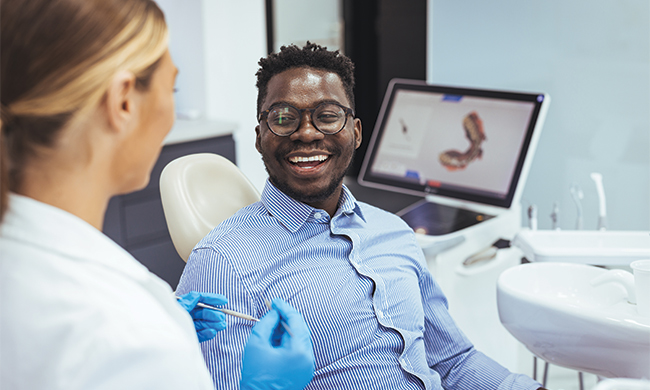
(Feature Impact) People often think of dentists and doctors as totally separate healthcare professionals: one cares for your teeth and mouth while the other handles the rest of the body. In reality, the different systems in the human body are closely interconnected and oral health is no exception, making dentists a vital part of your healthcare team.
Oral health and heart health have a particularly close connection, with inflammation at the core of it. When your gums are inflamed, the resulting bacteria can make their way from your mouth through your bloodstream, potentially contributing to your blood vessels constricting or becoming blocked. This, in turn, may force your heart to work harder and raise your blood pressure, putting you at risk of heart disease and stroke. More than 46% of adults in the U.S. have high blood pressure, and more than 40% of adults age 30 and older are affected by periodontal (gum) disease.
To help address these issues, the American Heart Association’s Healthy Smiles, Healthy Hearts initiative, in collaboration with Delta Dental of California, is encouraging dental teams to take a total-body perspective with their patients. Simple steps like blood pressure screenings during checkups can give a more complete picture of a person’s overall health. If a member of your dental care team pulls out a blood pressure cuff at your next appointment, it’s a good sign.
“The mouth is a gateway to the body and can often reveal more about your total body health than you may think,” said Daniel Croley, D.M.D., chief dental officer at Delta Dental of California and Affiliates. “Oral health professionals have a powerful opportunity to integrate more into their patients’ collective health care team beyond protecting their patients’ teeth By connecting oral health and heart health, this initiative helps dentists identify risks early and guide patients toward care that can improve and even save lives.”
Care for your teeth, gums and heart all at once using these tips from experts at the American Heart Association.
Follow a Brushing and Flossing Schedule
 Good dental health starts with a daily routine. If you don’t want to sheepishly cringe next time the dentist inquires about yours, brush at least twice a day and floss at least once a day to disrupt plaque-forming bacteria. Dentists recommend using toothpaste with fluoride and brushing your teeth and gums thoroughly yet gently, as applying too much pressure can wear away enamel and cause gum recession.
Eat a Healthy Diet and Limit Sugar
Most kids are used to hearing sugar will rot their teeth – and that’s not just a parental scare tactic to get their little hands out of the candy jar. Sugar feeds harmful bacteria in your mouth, producing acid that can cause cavities and gum disease. For a diet your heart and teeth will both appreciate, prioritize vegetables, lean proteins, complex carbohydrates and healthy fats, while limiting added sugars and refined carbohydrates.
Avoid Smoking and Tobacco Products
The connection between smoking and oral disease is well established: smokers face significantly higher risks of developing periodontal disease, losing teeth or being diagnosed with oral cancer. Cigarettes aren’t the only form of tobacco to worry about, either. Vaping, dipping and chewing tobacco can also harm your dental health by drying out your mouth and restricting blood flow to the gums. Since these products are also harmful to heart health, quitting or avoiding them offers plenty of worthwhile benefits. Seek support if you need help to kick the habit.
Communicate with Your Healthcare Team
Since your body’s systems are connected to each other, it’s helpful to talk to your dentist about your blood pressure and to your doctor about your oral health. Start thinking of your dentist as a key member of your integrated healthcare team. Don’t be afraid to share your medical history, discuss the side effects of any medications you’re taking and ask for personalized recommendations on caring for your teeth, gums and overall health.
To learn more about how to improve your oral and cardiovascular health, visit Heart.org/OralHealth.
Photos courtesy of Shutterstock

SOURCE:

5 Habits to Boost Immunity During Cold and Flu Season
(Feature Impact) Your immune system is your strongest ally during cold and flu season, working hard to keep you healthy as you start hearing those telltale coughs and sneezes all around. Help your body do its job well by adopting a few simple habits that naturally support its ability to fight off germs or recover faster.
Talk to your healthcare provider for personalized advice then work on making these habits normal in your household.
Get Regular Exercise
Exercise is like a wonder drug that can improve nearly every aspect of health and wellness. Physical activity increases blood flow, reduces long-term inflammation, helps immune cells circulate through the body to guard against invaders and may even flush bacteria out of your lungs and airways. Plan to fit at least 150 minutes of moderate exercise into each week, like a bike ride, brisk walk, yoga class or on-demand video workout.
Eat Foods That Support Immune Health
To keep your immune system fueled, experts recommend eating a varied diet featuring plenty of fruits, vegetables, nuts, seeds, whole grains and healthy fats like olive oil. Consider adding fresh grapes to your diet to enjoy benefits from their naturally occurring plant compounds.
Protecting the body starts all the way down at the cellular level, and grapes contain powerful polyphenols that support the health and function of cells. Studies indicate certain compounds in grapes, like resveratrol and flavonoids, support immune system function as well as brain, skin, GI and heart health.
These little fruits are easy to add to your diet, whether you enjoy sweet, juicy Grapes from California by the handful or toss them in a blender to make this California Grape Wellness Juice recipe. Support multiple aspects of wellness with the drink’s powerful combination of fruits and vegetables, delivering a variety of immune-boosting vitamins, minerals and antioxidants.
Stay Hydrated
Drinking enough water helps clean your lymphatic system, which is responsible for producing special white blood cells that fight germs. It also keeps membranes in your nose and mouth moist, decreasing infection risk. If you struggle to drink enough, eating water-rich foods like grapes also helps you improve hydration.
Practice Good Germ Hygiene
To increase your odds of staying healthy during peak illness season, hearken back to the tried-and-true hygiene advice your parents might have tried to drill into your head as a kid. Regularly wash your hands with warm water and soap, avoid touching your face while out and about, keep your distance from symptomatic people and disinfect commonly used surfaces like doorknobs when someone in the house or office is sick.
Sleep More, Stress Less
Before you start feeling stressed that you aren’t getting enough sleep, rest assured there are easy changes you can make to support your well-being in both areas. Try switching up your nightly routine to be oriented less around screens and more around calming activities that actually help you wind down, like yoga, meditation or reading.
Discover more health information and recipes at GrapesFromCalifornia.com.
California Grape Wellness Juice
Servings: 3 (1 cup each)
- 5 cups black or red Grapes from California
- 1/2 cup peeled raw beet slices
- 3/4 cup orange juice
- 1/4 cup lemon juice
- 1 small carrot, peeled and sliced
- 1 piece fresh turmeric (1-inch), peeled and sliced or1 teaspoon ground turmeric
- In high-speed blender, puree grapes, beet slices, orange juice, lemon juice, carrot and turmeric until smooth.
- Pour through fine mesh sieve, stirring to extract as much juice as possible, about 3 cups. Stop when mixture starts to get thick. Enjoy immediately or cover and refrigerate until ready to serve.
Notes: This juice can also be added to iced tea or fizzy water.
Nutritional information per serving: 230 calories; 3 g protein; 58 g carbohydrates; 0.5 g fat (2% calories from fat); 0 g saturated fat (0% calories from saturated fat); 0 mg cholesterol; 35 mg sodium; 0 g fiber.

SOURCE:
California Table Grape Commission





