

health and wellness
Understanding Breast Cancer Risk Factors

Last Updated on October 1, 2025 by Daily News Staff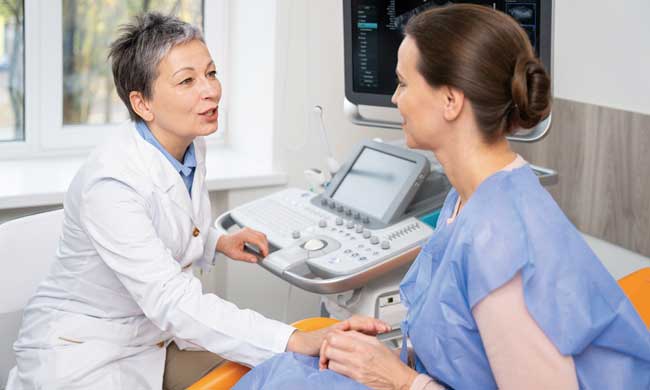
(Family Features) This year, more than 310,000 women and 2,800 men are estimated to be diagnosed with invasive breast cancer, according to the National Breast Cancer Awareness Foundation. However, advances in early detection and treatment in recent years have increased survival rates to the point where there are currently more than 4 million breast cancer survivors in the United States.
When caught early, the 5-year survival rate is extremely high, which makes preventative measures like screenings and staying informed about risk factors – particularly those that impact you personally – critical elements in prevention and detection. Keep these risk factors in mind to make informed decisions about your health.
Genetic Factors and Family History
Mutations in specific genes, such as BRCA1 and BRCA2, greatly increase the likelihood of the disease. These mutations can be inherited, which means a family history of breast cancer can be a strong indicator of your own risk. If you have a family history of breast cancer, undergo genetic testing and counseling to better understand your risk and take appropriate preventive measures.
Lifestyle Choices
Factors such as diet, physical activity, alcohol consumption and smoking have all been linked to breast cancer risk. Maintaining a healthy weight, engaging in regular physical activity and limiting alcohol intake can help reduce that risk. Additionally, avoiding smoking and following a balanced diet rich in fruits and vegetables are key preventive measures.
Environmental Exposures
Prolonged exposure to certain chemicals and pollutants including endocrine-disrupting chemicals, such as those found in some plastics and pesticides, have been studied for their potential link to increased risk of developing breast cancer. Being aware of – and minimizing – exposure to harmful environmental agents can be an essential step in reducing the risk. This includes using safer household products and advocating for cleaner environments.
Age, Gender and Ethnicity
The risk for breast cancer increases with age, and women are at a significantly higher risk than men. However, men can also develop breast cancer, though it’s much rarer. Ethnicity also plays a role. For example, white women are more likely to develop breast cancer compared to women of other ethnicities, but African American women are more likely to die from the disease.
Learn more about risk factors and preventative measures you can take at eLivingtoday.com.
Photo courtesy of Shutterstock
SOURCE:
eLivingtoday.com



(Feature Impact) Menopause is a phase of life every woman knows will come eventually yet few are truly prepared for. Beyond stereotypical symptoms like hot flashes and mood swings, the other realities of menopause can be mysterious, taking women by surprise when their experiences differ from expectations.
Rather than being a single event, menopause involves a gradual transition that happens as estrogen production changes – meaning symptoms can appear and evolve unpredictably. According to a survey commissioned by the National Menopause Foundation, 63% of U.S. women ages 35-54 experienced symptoms they believed may be related to perimenopause or menopause, yet nearly half (49%) said they weren’t prepared for the changes beforehand.
When women and their loved ones understand what they’re facing, they can approach this time with patience and compassion, which can make a real difference to the 71% of women who wished the people in their lives understood more about perimenopause or menopause. Consider these five facts to help fill in the menopause knowledge gap.
Perimenopause Can Start Years Before Menopause
The physiological transition to menopause can happen up to 10 years before a woman’s final menstrual period, although the average length of perimenopause is about four years. Symptoms may quietly begin in a woman’s 30s, 40s or 50s, and what might look like an isolated problem at first – like brain fog, a night of insomnia or an irregular monthly cycle – could be connected to broader hormonal changes.
Menopause Is More Than Just “Hot Flashes”
Since more than half of women surveyed were already aware of menopause symptoms like hot flashes, mood changes, anxiety and fatigue, these may not take them by surprise. Little-known symptoms are a different story – the majority of respondents didn’t anticipate menopausal issues like rage, inner-ear itching or reduced joint mobility. According to the National Menopause Foundation, women may also experience sleep disturbances, sweating, changes in libido, vaginal dryness, incontinence, weight changes and more.
Every woman’s experience is unique, so these symptoms could present in different combinations and intensities during menopausal years or may not appear at all.
Talking About Menopause Can Be Difficult
Even as women go through these physical and emotional shifts, many struggle to open up about their experiences. In fact, women rank menopause symptoms (17%) more difficult to discuss than hot-button topics like political views (13%), weight (13%) and religious beliefs (10%).
However, suffering in silence can lead to feelings of isolation, relationship misunderstandings and hesitation to seek help, which is why 66% of women said the lack of open discussion about menopause makes the experience worse.
Menopause Isn’t All Bad News
Although this season of life comes with challenges, there are joys to embrace as well. Women navigating midlife can come out the other side with more resilience, emotional awareness and a stronger sense of self. In fact, 44% of women surveyed said their outlook on life became more positive since their transition.
What Loved Ones Can Actually Do
Menopause is a highly individual experience, but that doesn’t mean women have to navigate it alone. Support from partners, families and friends can lift women up during difficult moments, and it can be as simple as taking the time to ask questions, listen and learn about how menopause is affecting their lives. With 30% of women in the U.S. labor force – approximately 15-16 million – in the age range corresponding to menopausal transition (ages 45-60), workplaces can also take steps to become more menopause friendly.
For more resources to help understand symptoms and discuss the transition with loved ones, visit nationalmenopausefoundation.org.
Photo courtesy of Shutterstock

SOURCE:

Consumer Corner
Cold cities are the most ready for winter, with one exception. See where your city ranks
Cold cities? Every neighborhood has a mix of homeowners who approach seasonal home maintenance differently – there are the people who stay on schedule, and on the other end, the procrastinators. There are the dedicated DIYers, and those who have their favorite maintenance pro saved as a favorite contact in their phone. As it turns out, cities are no different. Some metropolitan areas keep their neighborhoods in tip-top shape, while others are a little more slow-going.
Cold cities are the most ready for winter, with one exception. See where your city ranks
(Sheeka Sanahori) Every neighborhood has a mix of homeowners who approach seasonal home maintenance differently – there are the people who stay on schedule, and on the other end, the procrastinators. There are the dedicated DIYers, and those who have their favorite maintenance pro saved as a favorite contact in their phone. As it turns out, cities are no different. Some metropolitan areas keep their neighborhoods in tip-top shape, while others are a little more slow-going.
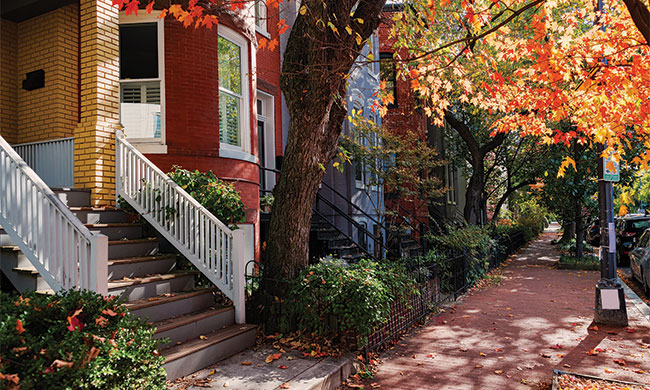
New data from home services company Angi, covering fall maintenance activity in August, reveals which U.S. metropolitan areas are the most proactive with fall maintenance. Washington, D.C., tops the ranking with the strongest demand for fall maintenance in the country, followed by Columbus, Ohio, and Milwaukee, Wisconsin. Northern cities dominate the rest of the list.
Cleveland, Ohio, and Albany-Schenectady-Troy, New York, round out the top five. Cold-weather markets dominate the ranking, accounting for eight of the 10 most-prepared metros. Rochester, New York; Charlotte, North Carolina; Chicago; Indianapolis; and Pittsburgh complete the top 10.
Least fall-ready metros
Fewer than 1 in 5 American cities is prepping for fall at an above-average rate. Among the 66 metros that recorded at least 100 fall maintenance service requests during the analysis period, Los Angeles had the lowest level of per-capita activity, followed by Oklahoma City and Riverside, California. California accounts for four of the bottom 10 markets, with Los Angeles, Riverside, San Diego and San Francisco all appearing on the list. These metros historically don’t experience the colder winter climates of the Northeast and Midwest, making fall maintenance less of an imperative.
Grand Rapids, Michigan, stands out as the only clearly cold-weather metro among the 10 least-prepared large metros. The New York City metro, which includes Newark and Jersey City, ranked just outside the 10 least-prepared large metros, coming in at number 11. Other New York state metros, including Syracuse, Rochester and the Albany metro area, were on the most prepared list.
Homeowners are choosing upkeep over upgrades
Sixty-three percent of homeowners who have recently hired a professional completed maintenance work, and 58% completed repairs. Although they may be waiting to do that dream kitchen or bath renovation, they’re focusing for now on the maintenance that keeps their homes in order.
The most common fall maintenance projects focus on outdoor upkeep. Nationally, tree trimming was the most popular, followed by lawn and yard waste cleanup and shrub care.
What homeowners should do now
When tackling a home maintenance list, start at the top of the home by inspecting the roof and gutters. Look for loose or damaged shingles, and make sure gutters are debris-free. It’s also a good idea to ensure downspouts direct water far away from the foundation. Homeowners should inspect these areas from the ground or hire a professional if the work requires climbing or feels unsafe.
Next, check for drafts around the windows and doors. Replacing worn weatherstripping and damaged caulk in the fall can prevent warm air from escaping once the heat comes back on. Homeowners should also inspect their HVAC filters and have the heating system checked before the temperatures drop.
Every home’s maintenance needs will vary, depending on the age and condition of the house and where it’s located. Whether homeowners hire a professional or safely address small issues, making the fixes can prevent larger and more expensive problems later.
The ranking: Metros from most to least prepared
America’s 10 Most Fall-Prepared Metros
1. Washington, D.C.
2. Columbus, Ohio
3. Milwaukee, Wisconsin
4. Cleveland, Ohio
5. Albany-Schenectady-Troy, New York
6. Rochester, New York
7. Charlotte, North Carolina
8. Chicago, Illinois
9. Indianapolis, Indiana
10. Pittsburgh, Pennsylvania
10 Metros With the Most Opportunity to Get Fall-Ready
1. Los Angeles, California
2. Oklahoma City, Oklahoma
3. Riverside, California
4. Miami, Florida
5. San Diego, California
6. Houston, Texas
7. Grand Rapids, Michigan
8. San Francisco, California
9. Austin, Texas
10. Memphis, Tennessee
Methodology
The rankings are based on fall maintenance activity recorded on Angi during August 2026. Projects included yard cleanup, winterization, roofing and gutters, heating systems, water and drainage, outdoor plumbing, fireplaces and chimneys, pest prevention, and snow and storm preparation. U.S. metropolitan areas were ranked by activity per 100,000 residents using 2020 U.S. Census population data. To qualify for the least-prepared ranking, metros were required to have at least five service requests or jobs during the analysis period. The rankings reflect activity on Angi’s platform and are not a complete measure of all home-maintenance activity within each metro. These rankings reflect activity observed on Angi’s platform and should not be interpreted as a complete measure of all home-maintenance behavior within a metro area.
Photo courtesy of Shutterstock
SOURCE:
Angi
Health
Type 2 Diabetes Doesn’t Have to Be Your Future: Medicare Has a Benefit That Can Help
Left unchecked, prediabetes can progress to type 2 diabetes. However, with the right support, prediabetes can often be managed or even reversed. If you have Medicare, you may qualify for a Medicare-covered program that can help you lower your chances of developing type 2 diabetes – at no cost to you.

(Feature Impact) Nearly 1 in 2 people age 65 and older has prediabetes – a condition where blood sugar (glucose) levels run higher than normal. Left unchecked, prediabetes can progress to type 2 diabetes. However, with the right support, prediabetes can often be managed or even reversed. If you have Medicare, you may qualify for a Medicare-covered program that can help you lower your chances of developing type 2 diabetes – at no cost to you.
The Medicare Diabetes Prevention Program is a covered Medicare benefit that gives you practical tools, personalized support, and proven strategies to make healthy lifestyle changes. Learn how to eat better, exercise more, and build healthy habits that stick while guided by a certified coach who helps you every step of the way.
Research shows the program works. People with prediabetes who complete the program result in weight loss, which ultimately leads to reduced risk of type 2 diabetes onset.
What can you expect?
Prevention does not mean you have to make big changes all at once. This program helps you take small, realistic steps that can add up to lasting results. It includes 16 core sessions where you can learn how to reduce your diabetes risk by making healthier meals, moving more, and building healthy habits.
The core sessions are followed by six months of monthly maintenance sessions to help you keep your momentum.

You can choose the class format that works for you
You can enroll in these services from approved Medicare Diabetes Prevention Program suppliers and participate in the way most convenient for you:
- In-Person: Attend sessions in a community location.
- Live-Distance Learning: Join interactive group sessions from home.
- Self-Paced Online: This new option allows you to access online content and learn on your own schedule.
Visit www.medicare.gov/PreventDiabetes to find a class that’s right for you.
Who is eligible?
You may qualify if you are enrolled in Medicare Part B and meet these criteria:
- Have had one of the following test results within the past 12 months:
- Hemoglobin A1c between 5.7% and 6.4%
- Fasting plasma glucose between 110 and 125 mg/dL
- Two-hour plasma glucose between 140 and 199 mg/dL after an oral glucose tolerance test
- Have a body mass index (BMI) of 25 or higher (or 23 or higher if you self-report as Asian descent).
- Have never been diagnosed with type 1 or type 2 diabetes or end-stage renal disease (ESRD).
What does it cost?
If you have Medicare Part B and qualify for the program, you pay nothing to participate. If you are in a Medicare Advantage Plan, you may have to go to an in-network provider to get these services. Contact your plan for more information.
Ready to get started on your healthier future?
Take control of your health on your own terms, schedule, and pace that fits into your life. Check with your doctor to find out if you have prediabetes or are at risk for developing type 2 diabetes. If you’re eligible for the Medicare Diabetes Prevention Program, your doctor can refer you, or you can enroll on your own.
If you’re ready to get started today, find the class that’s right for you at: www.medicare.gov/PreventDiabetes.
Information provided by the U.S. Department of Health and Human Services
Photos courtesy of Shutterstock
SOURCE:
Centers for Medicare & Medicaid Services





