

health and wellness
Seasonal allergies may increase suicide risk – new research
Research indicates that seasonal allergies may heighten suicide risk, with deaths by suicide increasing by 5.5% on moderate pollen days and 7.4% on high pollen days. The study suggests allergies exacerbate existing mental health vulnerabilities. Addressing allergy symptoms and enhancing pollen monitoring could help mitigate these risks, especially in vulnerable populations.


Seasonal allergies may increase suicide risk – new research
Shooshan Danagoulian, Wayne State University
Seasonal allergies – triggered by pollen – appear to make deaths by suicide more likely. Our findings, published in the Journal of Health Economics, show that minor physical health conditions like mild seasonal allergies, previously thought not to be an immediate trigger of suicide, are indeed a risk factor.
To evaluate the link between seasonal allergies and suicide, my co-authors and I combined daily pollen measurements with daily suicide counts across 34 U.S. metropolitan areas.
Because both pollen and suicide are sensitive to weather conditions, we carefully accounted for temperature, rainfall and wind. We also controlled for differences in local climate and plant life, since pollen levels vary by region, and for seasonal averages that might otherwise obscure results. This allowed us to compare suicide counts on days with unexpectedly high pollen to days with little or none in the same county.
The results were striking. Relative to days with no or low levels of pollen, we found that deaths by suicide rose by 5.5% when pollen levels are moderate and 7.4% when levels are high. The increase was even larger among people with a known history of mental health conditions or treatment. We also showed that on high-pollen days, residents of affected areas experience more depressive symptoms and exhaustion.
Our analysis suggests that allergies exacerbate existing vulnerabilities, pushing some people toward crisis. We suspect that sleep disruption is the link between allergies and suicide rates.
Why it matters
More than 80 million Americans experience seasonal allergies each year.
Symptoms include sneezing, congestion, itchy eyes and scratchy throat. Most people experiencing these symptoms feel sluggish during the day and sleep poorly at night. Allergy sufferers might not realize, however, that these symptoms reduce alertness and cognitive functioning – some of the factors that can worsen mental health and increase vulnerability to suicidal thoughts and behaviors.
Suicide rates have been growing steadily in the past two decades, by 37% between 2000 and 2018. According to the Centers for Disease Control and Prevention, more than 49,000 Americans died by suicide in 2022, and over 616,000 visited emergency departments for self-harm injuries.
Although socioeconomic and demographic factors are the most important predictors of suicide, much less is known about its short-term triggers. Our study adds to growing evidence that the environment – including something as natural as pollen – can influence mental health risks.
This issue is likely to become more urgent as the climate changes. Rising temperatures lengthen pollen seasons and increase pollen volume. Over the past two decades, pollen seasons have grown in both intensity and duration, and projections suggest they will continue to worsen.
That means more people will experience stronger allergy symptoms, with ripple effects not only for physical health but also for sleep, mood and mental well-being.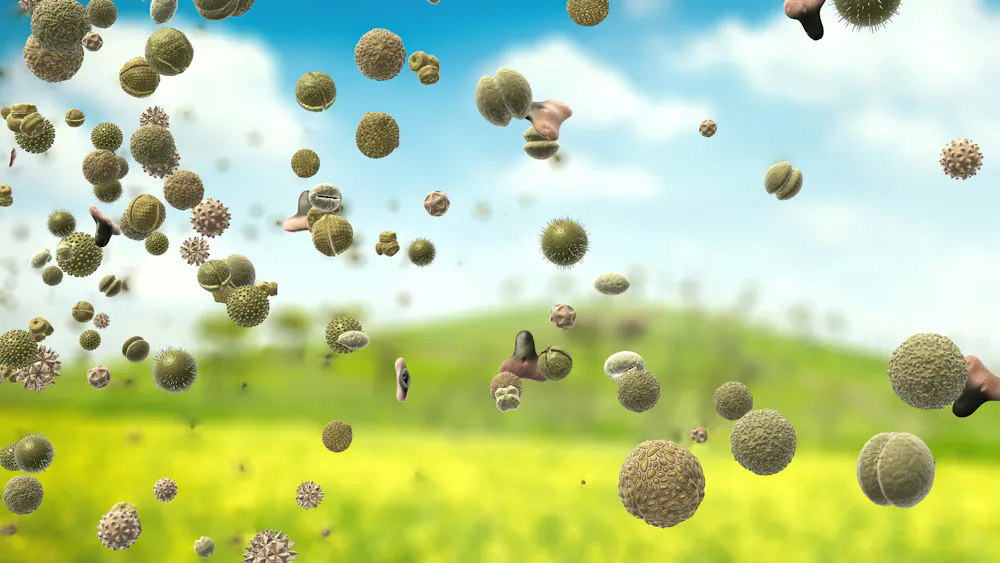
What we still don’t know
Despite the scale of the problem, there are no national systems in the U.S. to consistently measure and communicate pollen levels. Most communities lack reliable forecasts and alert systems that would allow vulnerable people to take precautions. This gap limits both prevention and research.
Our study focused on metropolitan areas where pollen and death counts were available, but we cannot yet generalize to rural areas. That is a concern because rural communities often face greater shortages in mental health care and pharmacy access – and have seen rising suicide rates over the past decade.
What’s next
For people who are already receiving mental health care, recognizing and treating seasonal allergies is a key part of self-care.
Over-the-counter medications can be highly effective at reducing symptoms.
More broadly, people should be aware that during peak allergy season, reduced alertness, sleep disruptions and mood fluctuations may place an increased burden on their mental health, in addition to the allergy symptoms.
In terms of policy, improving pollen monitoring and public communication could help people anticipate high-risk days. Such infrastructure would also support further research, particularly in rural areas where data is currently lacking. Our next step, supported by the American Foundation for Suicide Prevention, is to examine the impact of pollen on rural communities.
The Research Brief is a short take on interesting academic work.
Shooshan Danagoulian, Associate Professor of Economics, Wayne State University
This article is republished from The Conversation under a Creative Commons license. Read the original article.
Our Lifestyle section on STM Daily News is a hub of inspiration and practical information, offering a range of articles that touch on various aspects of daily life. From tips on family finances to guides for maintaining health and wellness, we strive to empower our readers with knowledge and resources to enhance their lifestyles. Whether you’re seeking outdoor activity ideas, fashion trends, or travel recommendations, our lifestyle section has got you covered. Visit us today at https://stmdailynews.com/category/lifestyle/ and embark on a journey of discovery and self-improvement.


Food and Beverage
Millions of Eggs Recalled Over Possible Salmonella Risk: What Consumers Need to Know
A major egg recall is affecting nearly 1.6 million dozen eggs sold under several popular brands. Here’s how to determine if your eggs are included and what steps to take if they are.

News You Can Use This Moment!

Consumers are being urged to check their refrigerators after a major recall involving nearly 1.6 million dozen shell eggs due to the potential presence of Salmonella Enteritidis, a bacterium that can cause serious foodborne illness.
The voluntary recall, announced by Midwest Poultry Services, L.P., affects white shell eggs and brown cage-free eggs produced at two Texas farms and distributed between June 6 and July 3, 2026. According to the U.S. Food and Drug Administration (FDA), the eggs were sold through grocery stores and foodservice distributors in Texas, Louisiana, Oklahoma, Arkansas, Mississippi, and New Mexico.
What Brands Are Included?
The recalled eggs were sold under several familiar brand names, including:
- Kroger
- Simple Truth
- Brookshire’s
- Country Morning
- Sunups
Not every carton under these brands is affected. Consumers should look for:
- Plant Code: P-1950 or 0840962
- Julian Dates: 157 through 184
- Best By/Sell By Dates: July 20, 2026, through August 17, 2026
Why the Recall Matters
Salmonella can cause symptoms including:
- Diarrhea
- Fever
- Stomach cramps
- Nausea
- Vomiting
Symptoms typically begin 12 to 72 hours after eating contaminated food and usually last four to seven days. While many healthy adults recover without treatment, infections can become severe in young children, older adults, pregnant women, and people with weakened immune systems.
The FDA and the Centers for Disease Control and Prevention (CDC) are investigating a multistate outbreak involving 98 confirmed illnesses across 17 states, resulting in 26 hospitalizations. No deaths have been reported. Investigators say the recalled eggs are linked to part of the outbreak, although they do not account for every reported illness.
What Should You Do?
If you have eggs matching the recalled codes:
- Do not eat them.
- Return them to the store for a refund or dispose of them safely.
- Wash your hands thoroughly after handling the carton.
- Clean and sanitize any refrigerator shelves, containers, or kitchen surfaces the eggs may have touched.
If you have already eaten the eggs and develop symptoms of Salmonella infection, contact your healthcare provider, especially if symptoms are severe or persist.
Are Arizona Consumers Affected?
The recalled products were officially distributed in six states, and Arizona is not listed among the primary distribution states. However, because food products can move through wholesalers, travelers, or secondary retailers, Arizona consumers who recently purchased eggs while traveling—or who received eggs from family or friends in affected states—should still check the carton codes.
The Bottom Line
Food recalls are an important part of protecting public health. Taking a few moments to inspect the eggs in your refrigerator could help prevent a serious illness. If your carton matches the recalled plant codes and date range, don’t take the risk—return it or throw it away.
STM Daily News will continue to monitor this developing story and provide updates as additional information becomes available.
Related Resources
- FDA Recalls, Market Withdrawals & Safety Alerts
- FDA Foodborne Illness Outbreak Investigations
- CDC: Salmonella Information
- FoodSafety.gov Consumer Resources

Child Health
How One Sweet Fruit Packs a Powerful Nutritional Punch
As conversations around nutrient-dense eating continue to grow, fresh fruit has become one of the simplest ways to add naturally occurring vitamins and minerals to everyday routines. One easy place to start is this Nut Butter and Kiwifruit Toast, which combines wholesome ingredients with the sweet tropical flavor of kiwifruit (sweet fruit) for a satisfying breakfast, snack or light meal.

How One Sweet Fruit Packs a Powerful Nutritional Punch
(Feature Impact) Consumers today are looking for foods that do more than simply taste good; they want foods that deliver nutrition in every bite. As conversations around nutrient-dense eating continue to grow, fresh fruit has become one of the simplest ways to add naturally occurring vitamins and minerals to everyday routines.
Kiwifruit is a standout example. According to the International Fresh Produce Association, kiwifruit climbed to No. 14 among the nation’s top-selling fresh fruits with household purchasing increasing 20%. What’s more, it’s now the fastest-growing fruit in the fruit bowl as more shoppers discover its unique combination of exceptional nutrition and naturally sweet flavor.
That success story has been more than a century in the making.
From Ancient Origins to Modern Favorite
Although many people associate kiwifruit with New Zealand, its story began in China’s Yangtze River Valley. In 1904, New Zealand educator Isabel Fraser returned home from China with green kiwifruit seeds, which she passed along to horticulturist Alexander Allison. Over the following decades, growers cultivated and refined the fruit, helping establish New Zealand as the world’s leading kiwifruit producer.
By the 1990s, years of natural breeding and cross-pollination led to the development of the first commercially successful yellow-fleshed kiwifruit, offering consumers a sweeter flavor and vibrant golden flesh. When a devastating vine disease threatened orchards worldwide in 2010, continued breeding innovation led to the development of Zespri SunGold Kiwifruit – a resilient variety with smooth skin, juicy golden flesh and a tropical-sweet flavor that helped revitalize the category.
Jam-Packed With Nutrition
Today, kiwifruit is recognized as one of the most nutrient-dense fruits available, making it an easy choice for people looking to get more nutritional value from the foods they eat. They provide more than 10 vitamins and minerals in every serving, including vitamin C to contribute to the normal function of the immune system, folate to support healthy cell growth and development and vitamin E to help protect cells from everyday damage.
“When people think about eating healthier, they often assume it has to be complicated,” registered dietitian Nisha Melvani said. “I encourage people to start with simple, whole foods that naturally deliver a variety of nutrients. Zespri SunGold Kiwifruit is an easy choice because it provides more than 10 vitamins and minerals, including 100% of your daily vitamin C needs, in one delicious fruit that fits seamlessly into breakfast, snacks or even dessert.”
From Orchard to Everyday Favorite
As more consumers embrace whole foods over complicated nutrition trends, kiwis are finding their way into everyday routines – and pop culture. Creators including Emma Chamberlain and musician Josh Conway have highlighted the fruit as part of their daily snacking habits, while “Good Housekeeping” featured golden kiwifruit in its 2025 Best Produce Snacks of the Year, highlighting its naturally sweet flavor, juicy texture and broad appeal.
Whether enjoyed on its own, added to smoothies, layered onto yogurt or incorporated into savory dishes, kiwifruit offers a simple, delicious way to enjoy more nutrition throughout the day. One easy place to start is this Nut Butter and Kiwifruit Toast, which combines wholesome ingredients with the sweet tropical flavor of Zespri SunGold Kiwifruit for a satisfying breakfast, snack or light meal.
Discover more fresh recipes, nutrition insights and delicious ways to enjoy kiwifruit at Zespri.com and see why one of today’s fastest-growing fruits is earning a permanent place in more fruit bowls.

Nut Butter and Kiwifruit Toast
Nut Butter:
- 1 cup roasted nuts (almonds, cashews, hazelnuts or pecans)
- sunflower oil
- 1/4 teaspoon salt
- 1 tablespoon seeds (chia, sunflower or hemp)
- 2 slices sprouted grain bread, toasted
- 1 Zespri SunGold Kiwifruit, sliced
- To make nut butter: In food processor, blend nuts at high speed until finely ground. Scrape sides of blender. Add few drizzles of sunflower oil, salt and seeds; blend until creamy. Transfer to jar and store up to 1 week in refrigerator.
- Spread nut butter onto toasted bread and top with slices of kiwi.

SOURCE:
Zespri
💪 Your health journey starts here! Explore the latest health news, fitness tips, wellness trends, and healthy living advice. Share your thoughts in the comments and subscribe to the STM Daily News newsletter to stay informed and inspired every day.
How Invasive Pests Spread and How You Can Help Stop Them
(Feature Impact) Invasive pests can hide in places you’d never expect, and once they spread, they can destroy the trees, plants and food people rely on every day. These pests pose a serious threat to agriculture, forests, ecosystems and the food supply. Many invasive species cannot travel far on their own; instead people unknowingly move them from place to place.
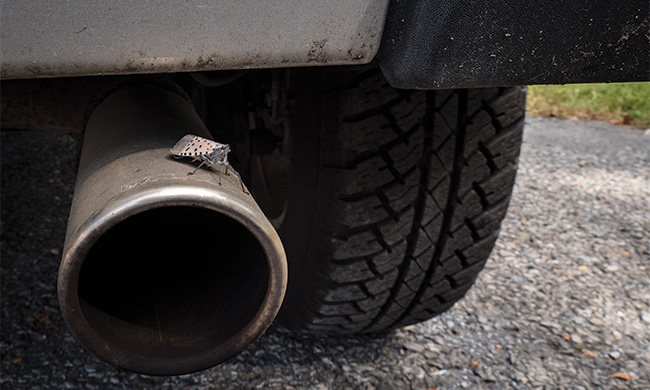
According to the U.S. Department of Agriculture’s Animal and Plant Health Inspection Service, invasive pests hitchhike on everyday items such as plants, produce, firewood, vehicles and outdoor equipment. That makes many common activities – from traveling and online shopping to camping and gardening – potential “pathways” for invasive pests to move and reach new areas. Understanding these pathways is the first step to stopping pests before they spread.
Traveling Abroad
When you travel abroad and return from another country, the agricultural items you bring back can introduce new invasive pests into the U.S. and threaten crops or trees that have no natural defenses against them. Even harmless-looking fruit, seed packets or souvenirs made with plant materials can carry pests such as fruit flies and diseases like citrus canker. That’s why it’s critical travelers declare food, plants and other agricultural products when entering the country from abroad.
Shopping Online
Just because you can order seeds and plants from sellers around the world, it doesn’t mean those items are legal or safe to import. In fact, some invasive snails and plant diseases have entered the U.S. this way. Many agricultural products from overseas require permits, inspections or special paperwork before they can enter the country. Buyers should check where an item ships from, learn the import requirements before purchasing and make sure sellers follow all labeling and shipping rules.
 Partaking in Outdoor Activities
When you spend time outdoors hiking, camping, hunting or fishing, you could inadvertently spread invasive species. For example, transporting firewood from one location to another can spread tree-killing insects, such as the emerald ash borer, which can live inside the wood and emerge later in a new area. The safest choice is to buy or use firewood where you burn it. Additionally, clean all outdoor clothing, gear, equipment and vehicles before leaving an area.
Moving Outdoor Equipment
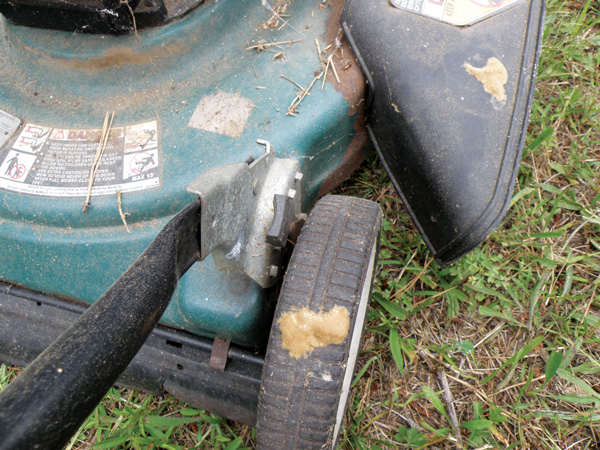
When you move to a new home, your move can create another opportunity for invasive insects to travel. Before relocating patio furniture, grills, trailers or lawn equipment, inspect and clean them carefully. Look for insects, plant debris and egg masses like spotted lanternfly egg masses, which can blend into outdoor surfaces and look like smears of mud or clumps of dirt. A few minutes of checking and cleaning before you move can help prevent pests from invading your new neighborhood.
Invasive pests cost the U.S. billions of dollars every year and damage forests, farms, parks and backyards. Stopping invasive pests starts with simple steps anyone can take: checking what you pack, clean, move and buy. When everyone does their part, fewer pests spread and communities stay healthier and more resilient.
Visit aphis.usda.gov/hungrypests to learn more about how invasive pests spread and the simple steps you can take to help stop them and protect America’s agriculture and natural resources.
Invasive Pest Protection Checklist
- Declare all food, plants and agricultural items when returning from another country.
- When ordering items online, check where the products ship from and verify U.S. import rules before buying.
- If you’re camping, buy firewood where you plan to burn it. Clean clothing, gear and vehicles before leaving.
- Before moving to a new home, inspect outdoor furniture and equipment, looking closely for egg masses or insects.
Content courtesy of USDA.

SOURCE:
United States Department of Agriculture
📰 Enjoying STM Daily News? Join the conversation!
💬 Leave a comment, share your thoughts, and subscribe to our newsletter for the latest stories, updates, and “News You Can Use This Moment!” delivered to your inbox.
Stay connected with STM Daily News!





