Connect with us

Health

What to Give Someone With Cancer: Skip Fuzzy Socks, Give Practical Help Instead

Research with 50 cancer patients reveals fuzzy socks and care packages often miss the mark. Discover what people with cancer actually want: meal help, grocery gift cards, errand assistance, and practical support that addresses real daily struggles.

Published

on

What to Give Someone With Cancer: Skip Fuzzy Socks, Give Practical Help Instead
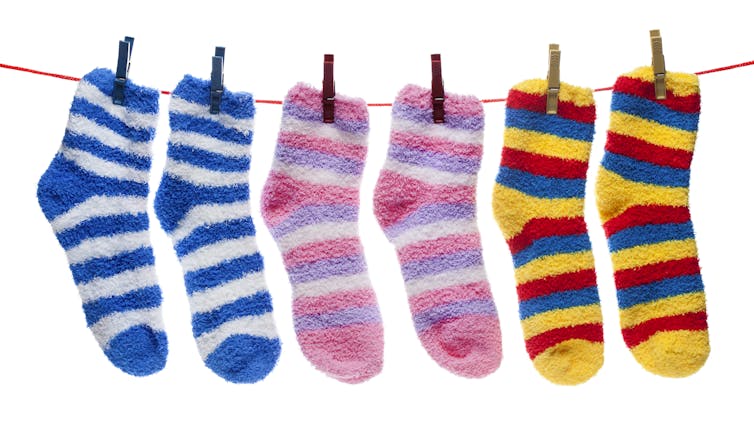
Fuzzy socks are a popular gift for people with a serious illness such as cancer.
pepifoto/iStock via Getty Images Plus

What to Give Someone With Cancer: Skip Fuzzy Socks, Give Practical Help Instead

Ellen T. Meiser, University of Hawaii at Hilo

The season of gifting is in full swing – a time when people scour the internet and shops of all kinds for items that appropriately symbolize their relationships with their loved ones.

Gift givers hope that their gift will appropriately communicate their feelings and bring the recipient joy. But that’s not always the reality. Gifts can be tricky and rife with hidden hazards. Relationships can even be ruined when the mismatch between the giver’s intention and the recipient’s perceptions of it is too vast.

The circumstances of the people involved also shape a gift’s meaning and the way it might be interpreted.

My research partner, Nathalie Rita, and I have been seeking to better understand gifting in one of life’s most dicey, distressing circumstances: cancer.

As sociologists, we use techniques such as in-depth interviews to study the experiences, feelings and motivations of specific groups of people. I focus on restaurant workers and my colleague on migrants and minorities. But in 2021, we were both diagnosed with cancer in our early 30s – breast cancer for me and endometrial cancer for her. This encouraged us to explore the experiences of other young women dealing with cancer.

By 2023, we had interviewed 50 millennial women diagnosed with cancer about a plethora of social and emotional topics related to their illness. Our own bouts with cancer revealed curious patterns in the gifts we very gratefully received from family and friends. So, we included a few questions about gifts in our research.

We expected some eccentric anecdotes similar to our own experiences. But our research, which isn’t yet published, revealed just how much of a mismatch there is between what people wanted and what they received – often driven by the marketing of specific gifts or care packages for cancer patients.

What loved ones give

One of our first questions was, what exactly do women diagnosed with cancer receive from their loved ones? Their answers ran the gamut. Our interviewees reported hundreds of gifts, from stuffed possums to child care help to Vitamix blenders. Friends and family were very eager to shower them in goods.

But from these hundreds of items and acts, 10 popped up over and over again. In order of frequency, they were:

  1. Fuzzy socks.
  2. Food and drinks, particularly herbal teas, groceries, gourmet goodies and Meal Trains.
  3. Money, GoFundMe donations and gift cards.
  4. Blankets.
  5. Fancy, spa-style self-care items.
  6. Written thoughts and prayers.
  7. Flowers and plants.
  8. Mugs, tumblers and bottles.
  9. Adult coloring books.
  10. Books.

The women we spoke with largely understood and appreciated the intentions behind these items in the context of their illness: books to distract, flowers to beautify. They viewed the gifts as material proof that their loved ones wanted to deliver comfort and support in a time of discomfort and helplessness.

But the frequency of certain items perplexed us. Why socks and coloring books instead of, say, Rollerblades and bongs?

Advertisement
Get More From A Face Cleanser And Spa-like Massage

The long shadow of online commerce and gift guides

We traced these gifting trends to two sources: premade cancer care packages and online gift guides.

Numerous women reported receiving some of the items from our top 10 list in premade care packages sourced from Etsy, Amazon or cancer-specific companies such as Rock the Treatment and The Balm Box. They noted that the contents of these packages felt predictable: spa-style self-care goods such as aromatherapy oils, lip balms and soy candles; herbal teas; a mug with a slogan or ribbon; and hard candies or throat lozenges.

Some received more opulent care packages, similar to Rock the Treatment’s large chemo care package for women, which adds adult coloring books, protein-rich snacks, a beanie and fuzzy socks. These additions mirror our interviewees’ top 10 received gifts even more closely.

Online gift guides published by magazines, news sites and stores may be influencing gifters’ behaviors, too. A Google search for “gift guide” yields countless lists for niche demographics – chicken lovers, mathematicians, even people who are always cold. Online viewership of these lists is prolific. For example, New York Magazine’s product recommendation site, The Strategist, received 10.7 million monthly views in 2021.

The top seven Google-ranked gift guides for cancer patients also contain suggestions that align almost perfectly with what our interviewees reported, with the addition of clothing and jewelry emblazoned with inspirational declarations such as “I’m stronger than cancer!”

These overlaps reflect the broader phenomena of the commodification and commercialization of cancer. As businesses seek to extract economic value out of all aspects of daily life, cancer has become a lucrative business opportunity and patients a source of profit.

Our research suggests that these market forces warp how gift givers perceive people with cancer and their desires. In turning cancer into something profitable, the ugly parts of illness are also glossed over to make cancer palatable to the market. Businesses then sell would-be gifters the idea that cancer can be assuaged by purchasing and giving a bejeweled, teal-ribboned Stanley tumbler.

Additionally, while premade care packages ease the labor of decision-making for gifters, they run a greater risk of disappointing recipients. These generic boxes, we found, can communicate a degree of thoughtlessness at a time when our study participants were aching for thoughtfulness.

Woman delivering groceries to a neighbor
Practical gifts, such as bringing groceries, can help relieve daily stressors for people coping with a serious illness.
SDI Productions/E+ via Getty Images

What to actually gift

So, what do women going through cancer treatment actually want to receive? Our interviewees recommended:

  1. Money in the form of cash or useful gift cards, such as for Door Dash, grocery stores and Petco.
  2. Meals and groceries, particularly if the recipient is a parent with mouths to feed.
  3. Help with errands and tasks such as babysitting, transportation, cleaning and lawn care.
  4. Cards and personal messages of love, which serve as check-ins and gestures of care and support.
  5. Practical self-care items such as thick lotions, face masks and soft soaps that don’t irritate skin.

Pragmatic. Simple. Even a little mundane.

There is some overlap between these recommendations and the frequently received gifts mentioned earlier. But notably, almost none of the women we interviewed expressed a desire for the nonessential items usually stocked in commercial care packages or those associated with profiting from cancer.

Instead, the gifts they felt touched them more deeply were ones that addressed ways in which they felt the disease incapacitated their abilities as a worker, woman, mother or caregiver.

Advertisement
Get More From A Face Cleanser And Spa-like Massage

Our interviewees spoke of financial strain from medical bills, fatigue preventing them from mothering in ways they used to, and mounting burdens that made it almost impossible to be present for partners or spouses. A monstera plant in a whimsical vase offered little reprieve from these pressures. However, a chat while folding laundry or a Pyrex of enchiladas did.

Perhaps most importantly, such offerings made them feel cared for and seen – their unvarnished circumstances recognized.

So, if a friend with cancer – or any other serious illness, for that matter – is on your list this holiday season, consider hanging those fuzzy socks back on the rack.

Instead, mull over their daily stresses, and choose an item – or a task – that provides a bit of relief.

Ellen T. Meiser, Assistant Professor of Sociology, University of Hawaii at Hilo

This article is republished from The Conversation under a Creative Commons license. Read the original article.

Continue Reading
Advertisement SodaStream USA, inc

Lifestyle

If You’re Feeling Stressed by Pricey Meds, Pharmacists Can Help

Stressed by Pricey Meds? If your wallet is feeling the squeeze of prescription drug costs as other living expenses like grocery and energy prices rise, you’re not alone. That’s where a powerful ally can help you manage drug costs: a health-system pharmacist.

Published

on

Stressed by Pricey Meds

If You’re Feeling Stressed by Pricey Meds, Pharmacists Can Help

(Feature Impact) If your wallet is feeling the squeeze of prescription drug costs as other living expenses like grocery and energy prices rise, you’re not alone.

More people are worrying about affording essential medications these days. In fact, more than 40% of adults said they skipped doses or didn’t fill prescriptions in the past year due to cost, according to a KFF Health survey.

People who take multiple drugs to manage chronic conditions often feel this pinch even more severely. They’re also more likely to make more frequent visits to their clinic or health system for care. That’s where a powerful ally can help them manage their drug costs: a health-system pharmacist.

These medication experts work side-by-side with the clinicians who prescribe drugs in health care practices – and sometimes prescribe medications themselves. Their deep knowledge can help people get the most out of the drugs they take.

“Pharmacists really know the full picture of medications, including pricing, insurance coverage, alternative therapies and potential side effects,” said Lindsey Amerine, PharmD, chief pharmacy officer for the Cleveland Clinic. “That’s why it’s helpful to not only count on your doctor to diagnose your condition and prescribe therapies, but also your pharmacist to optimize your medications.”

Get a Comprehensive Review of Your Medications

Asking the pharmacist on your health-system care team to go over your medications may reveal opportunities to save, Amerine said. Health-system pharmacists are uniquely qualified to provide this service because they keep close track of medication costs as well as approvals of new drugs and how those compare to older options.

A full review might reveal:

  • Drugs once needed may not be as useful anymore. People often continue taking medications unaware that something new could offer greater benefits or their condition no longer requires the same therapy.
  • Changes in your condition may mean you could safely take a lower dosage of a drug, thereby reducing costs.
  • There may be less costly alternatives that would work as well such as a generic or older medication.

Get Help Exploring Discount Options

You’ve probably heard about programs that can help lower prescription costs, including discount and patient assistance programs. Pharmacists can help you understand how to navigate these programs and access potential discount programs and opportunities, Amerine said. Here’s how:

  • Pharmacists can guide you through discount programs your health system offers.
  • They can check your eligibility for drug maker discounts and help you understand how those discounts work with your insurance, especially if you have a high-deductible plan.
  • Pharmacists can help you navigate the various prescription cost-savings programs and how they work.
  • They can also help you learn about patient assistance programs that provide free or discounted medications to people who cannot afford them.

Medications are a vital part of your health care. Before you try to stretch a costly medicine or give it up altogether, talk to the medication expert on your health care team: your health-system pharmacist. For more information, visit yourpharmacist.org

Why It Pays to Talk Meds with a Pharmacist

“My doctor prescribed it, so I must need it.” Often this is true, but not always. People sometimes take drugs longer than they need to, at doses higher than necessary or that may interact with other medications.

Just as you’d see a heart specialist about an odd pulse rate, it can help to see a pharmacist – your medication specialist – to discuss your prescriptions.

Of all health care professionals, pharmacists have the deepest knowledge of drug interactions and safety issues. They’re experts on how the effectiveness of different medications – brand name and generic – compare. They also closely track changes in prices and know when a drug’s cost has dropped or if an effective, less costly alternative is available.

Health-system pharmacists’ expertise is especially helpful for those with multiple chronic conditions who typically take several medications with more benefits, costs and side effects to balance.

Advertisement
Get More From A Face Cleanser And Spa-like Massage

Talking with a pharmacist can ensure your prescriptions are best for you and that you have access to the most affordable options. collect?v=1&tid=UA 482330 7&cid=1955551e 1975 5e52 0cdb 8516071094cd&sc=start&t=pageview&dl=http%3A%2F%2Ftrack.familyfeatures track


SOURCE:

American Society of Health-System Pharmacists

💪 Your health journey starts here! Explore the latest health news, fitness tips, wellness trends, and healthy living advice. Share your thoughts in the comments and subscribe to the STM Daily News newsletter to stay informed and inspired every day.

Continue Reading

Health

Is Vaping Really Safer Than Smoking? Here’s What You Should Know

Vaping may expose users to fewer harmful chemicals than cigarettes, but it isn’t risk-free. Here’s what you should know about the health risks, side effects, and potential benefits of switching from smoking to vaping.

Published

on

thoughtful young woman vaping in dark room
Photo by Dede Avez on Pexels.com

Over the past decade, vaping has become a common alternative to traditional cigarette smoking. While many people view e-cigarettes as a “healthier” option, the reality is more complicated. Experts generally agree that vaping exposes users to fewer harmful chemicals than burning tobacco, but that doesn’t mean it’s risk-free.

Unlike traditional cigarettes, vaping devices heat a liquid—often containing nicotine, flavorings, and other chemicals—into an aerosol that users inhale. Because there is no combustion, vaping eliminates many of the toxic substances produced by cigarette smoke, including tar and carbon monoxide. However, users are still exposed to potentially harmful chemicals and ultrafine particles that can affect the lungs and cardiovascular system.

Known Health Risks

Research has linked vaping to several potential health concerns, including:

  • Nicotine addiction
  • Increased heart rate and blood pressure
  • Lung irritation, coughing, and wheezing
  • Exposure to chemicals such as formaldehyde and heavy metals
  • Possible long-term effects on heart and lung health that are still being studied

In addition, nicotine can affect brain development in adolescents and young adults, making vaping especially concerning for younger users.

Is It Better Than Smoking?

For adults who already smoke cigarettes, many public health experts believe that completely switching to regulated nicotine vaping products is likely less harmful than continuing to smoke traditional cigarettes. That’s because cigarette smoke contains thousands of chemicals, including dozens known to cause cancer.

However, vaping is not considered safe. The greatest health benefits come from quitting nicotine altogether. People who both vape and continue smoking cigarettes may see little reduction in health risks.

Common Side Effects

Some people who vape report:

  • Dry mouth
  • Sore throat
  • Coughing
  • Headaches
  • Dizziness
  • Nausea
  • Sleep disturbances related to nicotine

The Bottom Line

If you don’t smoke, health experts recommend that you don’t start vaping. For smokers trying to quit, vaping may reduce exposure to many of the harmful chemicals found in cigarettes—but it should be viewed as a potential harm-reduction tool rather than a harmless habit.

Whether you smoke, vape, or are trying to quit, talking with your healthcare provider about evidence-based smoking cessation options can help you find the approach that’s right for you.

Your health is worth investing in—every step away from tobacco is a step toward a healthier future.

Related Links

💪 Your health journey starts here! Explore the latest health news, fitness tips, wellness trends, and healthy living advice. Share your thoughts in the comments and subscribe to the STM Daily News newsletter to stay informed and inspired every day.

Advertisement
Get More From A Face Cleanser And Spa-like Massage
Continue Reading

health and wellness

5 Ways to Naturally Support Summer Energy and Focus

Naturally Support Summer Energy with five simple daily habits designed to boost focus and help you enjoy longer days, vacations, and summer events without feeling tired or distracted.

Published

on

5 Ways to Naturally Support Summer Energy and Focus

5 Ways to Naturally Support Summer Energy and Focus

(Feature Impact) Summertime means sunshine, longer days, family vacations and social events everywhere you look – but summer can slip away if you feel too tired and distracted to make the most of your experiences.

According to a survey conducted by Atomik Research on behalf of Botanic Tonics, many adults ages 21 and older struggle to feel fully present in summer activities. Nearly half of respondents said having enough energy and a clear mind would help them get more enjoyment out of the summer moments that matter most.

With that in mind, here are five simple daily habits to support your energy and focus throughout the rest of the summer season.

Improve Your Sleep Quality

It might sound obvious, but getting better sleep should be a top priority for anyone trying to harness more physical and mental energy throughout the day. Keep your bedroom cool, dark and quiet; avoid consuming caffeine too close to bedtime; and wind down with a relaxing routine like reading or yoga.

Get Regular Exercise

Even though a workout consumes energy in the short term, it pays you back with dividends. Just 30 minutes of movement a day – including favorite summer activities like swimming or playing games in the yard – can improve your mood. Physical movement also helps reduce stress, which was a reported obstacle for 33% of survey respondents who wished they could be more present with friends and family during the summer months.

Stay Hydrated

When the weather is hot, it becomes more important to stay on top of your hydration. Even mild dehydration can negatively impact your energy and focus. When you’re out of the house, bring a reusable water bottle and set reminders to drink regularly, especially during and after outdoor activities.

Limit Device Usage

When you’re feeling sluggish, it can be tempting to collapse on the couch or in bed to scroll on your phone or watch TV. There’s nothing wrong with screen time in moderation, but digital fatigue is real and it can drain your energy and disrupt your sleep. Plus, 49% of surveyed adults said social-media-driven FOMO (“fear of missing out”) made it harder for them to enjoy their summer experiences in the moment.

Try Botanical Energy Offerings

When energy levels start to dip, it’s easy to reach for a cup of coffee, a sugary energy drink or soda. Products made with thoughtfully sourced botanical ingredients offer a different approach. For example, Botanic Tonics’ “feel free” kava-centric supplements are designed to deliver chilled energy: a unique combination of energy, focus and elevated mood.

For smooth, sustained energy without caffeine jitters or sugar crashes, try KavaMaté, crafted with noble kava root and yerba maté. For those looking to elevate their mood and enhance focus, feel free Classic is thoughtfully crafted with noble kava root and natural whole leaf kratom – never synthetic ingredients, alcohol or concentrates.

Learn more about these products, responsible consumption and where to purchase at BotanicTonics.com.

Advertisement
Get More From A Face Cleanser And Spa-like Massage

Photo courtesy of Shutterstock collect?v=1&tid=UA 482330 7&cid=1955551e 1975 5e52 0cdb 8516071094cd&sc=start&t=pageview&dl=http%3A%2F%2Ftrack.familyfeatures track


SOURCE:

Botanic Tonics

💪 Your health journey starts here! Explore the latest health news, fitness tips, wellness trends, and healthy living advice. Share your thoughts in the comments and subscribe to the STM Daily News newsletter to stay informed and inspired every day.

Continue Reading

Trending