

Child Health
Managing Birth Defects for a Lifetime


(Family Features) An estimated 1 in 33 babies is born with a birth defect, according to the Centers for Disease Control and Prevention (CDC). While some require minimal intervention after birth, many birth defects affect the individual, parents and families across a lifetime.
Birth defects are structural changes present at birth that can affect almost any part of the body. They may affect how the body looks, works or both. They can cause problems in overall health, how the body develops or how the body works, and may range from mild to serious health conditions.
Awareness of birth defects across the lifespan helps provide affected individuals, parents and families the information they need to seek proper care. Learn more about birth defects at each stage of life from the experts at March of Dimes:
Before and During Pregnancy
Not all birth defects are preventable but protecting a mother’s health before and during pregnancy can help increase the likelihood of a healthy baby. Having adequate folic acid for at least one month before getting pregnant and throughout the pregnancy can prevent major birth defects.
Other important steps include receiving proper prenatal care from a doctor, preventing infections, avoiding alcohol and drugs, controlling conditions like diabetes and avoiding getting too hot.
Infancy
Babies who are diagnosed with a birth defect during pregnancy or at birth may need special care. Similarly, monitoring for certain birth defects can help pinpoint a potential problem and ensure the baby begins receiving supportive care for better survival rates and quality of life. Examples include newborn screenings for critical congenital heart defects and monitoring bladder and kidney function in infants and children with spina bifida.
Childhood
For children born with heart defects and conditions like spina bifida, muscular dystrophy or Down syndrome, early intervention services and support can make a significant impact on a child’s success in school and life. They can help children with learning problems and disabilities; school attendance; participation in school, sports and clubs; mobility adaptations; and physical, occupational and speech therapy.
Adolescence
Many adolescents and young adults who have birth defects begin working toward a transition to a healthy, independent adult life in their later teen years. This may involve insurance changes and switching from pediatricians to adult doctors.
Other areas of focus might include medications, surgeries and other procedures; mental health; social development and relationships within and outside the family; physical activity; and independence.
Adulthood
Certain conditions, such as heart defects, can cause pregnancy complications or affect sexual function. Talking with a doctor about your specific condition can help you understand your risk.
In addition, every pregnancy carries a 3% risk of birth defects, even without lifestyle factors or health conditions that add risk, according to the CDC. Women who have had a pregnancy affected by a birth defect may be at greater risk during future pregnancies.
Talking with a health care provider can help assess those risks. A clinical geneticist or genetic counselor can assess your personal risk of birth defects caused by changes in genes, as well as your risk due to family history.
Find more information about birth defect prevention and management at marchofdimes.org/birthdefects.
Common Causes of Birth Defects
Research shows certain circumstances, or risk factors, may make a woman more likely to have a baby with a birth defect. Having a risk factor doesn’t mean a baby will be affected for sure, but it does increase the chances. Some of the more common causes of birth defects include:
Environment
The things that affect everyday life, including where you live, where you work, the kinds of foods you eat and how you like to spend your time can be harmful to your baby during pregnancy, especially if you’re exposed to potentially dangerous elements like cigarette smoke or harmful chemicals.
Health Conditions
Some health conditions, like pre-existing diabetes, can increase a baby’s risk of having a birth defect. Diabetes is a medical condition in which the body has too much sugar (called glucose) in the blood.
Medications
Taking certain medicines while pregnant, like isotretinoin (a medicine used to treat acne), can increase the risk of birth defects.
Smoking, Drinking or Using Drugs
Lifestyle choices that affect your own health and well-being are likely to affect an unborn baby. Smoking, drinking or using drugs can cause numerous problems for a baby, including birth defects.
Infections
Some infections during pregnancy can increase the risk of birth defects and other problems. For example, if an expectant mother has a Zika infection during pregnancy, her baby may be at increased risk of having microcephaly.
Age
Women who are 34 years old or older may be at increased risk of having a baby with a birth defect.
Photos courtesy of Getty Images
SOURCE:
March of Dimes


Food and Beverage
A Lesson in Kindness, Inclusion and How Kids Eat Differently
Kids Eat Differently: The school year brings new classmates, routines and opportunities for children to learn about people whose experiences may be different from their own. They could include friends who use a wheelchair, carry an inhaler or even receive nutrition through a feeding tube.


A Lesson in Kindness, Inclusion and How Kids Eat Differently
(Feature Impact) The school year brings new classmates, routines and opportunities for children to learn about people whose experiences may be different from their own. They could include friends who use a wheelchair, carry an inhaler or even receive nutrition through a feeding tube.
Watch this video to learn more
For families who rely on tube feeding, it is an essential part of daily life but is often understood only by those who experience it. That limited awareness can leave children who are tube fed and their families feeling isolated or unseen, according to Gerard Minor, a pediatric gastroenterology and hepatology specialist.
Parents can use everyday questions as opportunities to help children understand there are many ways people receive nourishment. Teachers, classmates, caregivers and communities can also help make tube feeding part of the everyday conversation around childhood rather than something that separates children from it.
“Helping children understand those differences early can encourage curiosity, kindness and inclusion,” Minor said.
To help bring greater awareness, understanding and representation to children and families who experience tube feeding every day, Compleat, a leader in tube feeding formulas, launched “What Is Better Than How,” featuring “Sesame Street’s” Elmo and his signature warmth and curiosity. The original song celebrates the many ways people eat. Some people eat with a fork, some use a spoon and some use a tube, reinforcing a simple message: What matters is not how you eat. What matters is that you are nourished, loved and included.
To hear the song, create a personalized version and learn more about the campaign, visit Compleat.com/WhatIsBetterThanHow.

SOURCE:

Child Health
Changing the Landscape of Childhood Cancer Survivorship
Childhood Cancer: hile “cancer” is a term no family wants to hear, especially when it comes to their children, there is reason for hope. Today, 85% of children diagnosed with cancer survive at least five years. Survival is only part of the journey, however.

Changing the Landscape of Childhood Cancer Survivorship
(Feature Impact) While “cancer” is a term no family wants to hear, especially when it comes to their children, there is reason for hope. Today, 85% of children diagnosed with cancer survive at least five years, according to the National Cancer Institute, up from 75% three decades ago.
Watch this video to learn more
“This progress is driven in large part by dedicated research,” Hyundai Hope on Wheels Board Member Kevin Reilly said. “Over the last 28 years, Hyundai Hope on Wheels has committed over $300 million in pediatric cancer research and program grants, awarding more than 1,600 grants to 210 medical institutions nationwide, impacting thousands of young lives each year.”
Survival is only part of the journey, however. Nearly half (46%) of U.S. adults believe a child ringing the hospital bell after cancer treatment means the child is cancer-free and their medical journey is largely over, according to a survey conducted by Atomik Research on behalf of Hyundai Hope on Wheels. For the children and families living through a diagnosis, the reality is far more complex.
“The reality is that healing continues long after treatment, which is why sustained investment in survivorship care is a priority for us,” said John Guastaferro, executive director of Hyundai Hope on Wheels.
Isabella Franco-Capps, 11, understands that journey firsthand. Diagnosed with B-cell acute lymphoblastic leukemia at age 5, her journey took two years before she could say she’s “a cancer survivor.”
“I was diagnosed with b-cell acute lymphoblastic leukemia,” she said. “This began my two-year-long journey of scans, pokes, chemotherapy and hospital stays. And now I’m a cancer survivor.”
Fellow Hyundai Hope on Wheels National Youth Ambassador, Jackson Trihn, 12, is using his voice to call for continued research and to bring hope to others.
“The role … is being able to share my story,” he said. “Not just to spread awareness but to spread hope to kids that need it. And awareness is so important because people don’t understand how hard pediatric cancer can be.”
Continued progress can help ensure more children ring the bell and receive the care and support they need long after they’ve had the opportunity to do so. To learn more about these efforts and how you can help, visit HyundaiHopeOnWheels.org.

SOURCE:
💪 Your health journey starts here! Explore the latest health news, fitness tips, wellness trends, and healthy living advice. Share your thoughts in the comments and subscribe to the STM Daily News newsletter to stay informed and inspired every day.
Women's Health
From Pregnancy to Parenthood: How Medicaid Supports Women Across the Maternal Health Journey
When women are planning, expanding or raising families, access to healthcare is a vital source of physical and mental support. For millions of women and families across the U.S., Medicaid provides that support, enabling parents and children to access the reproductive, maternal and pediatric healthcare they need to thrive.
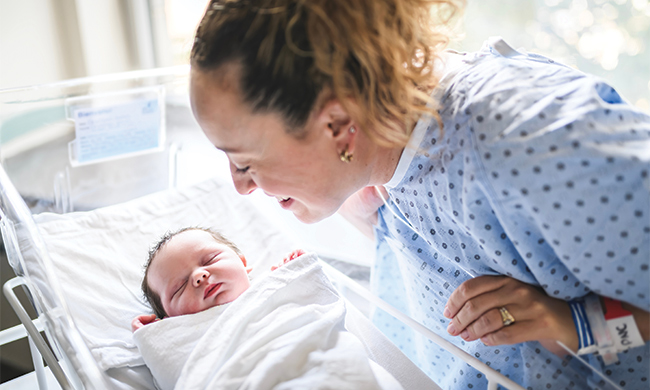
(Feature Impact) When women are planning, expanding or raising families, access to healthcare is a vital source of physical and mental support. For millions of women and families across the U.S., Medicaid provides that support, enabling parents and children to access the reproductive, maternal and pediatric healthcare they need to thrive. It’s there for anyone who needs it, from working adults to families navigating unemployment or disability.
To learn about how Medicaid supports growing families through every stage of the parenthood journey, consider this information from the maternal health experts at Community Catalyst.
Making Family Planning Possible
When people are able to plan and prepare to welcome children into the world, it can remove a lot of stress, uncertainty and complication from their journeys. Medicaid family-planning coverage may include reproductive health counseling, pre-pregnancy screenings, many forms of FDA-approved contraception and other preventive services. Comprehensive access to birth control allows women and couples to make their own decisions about pregnancy timing or spacing between siblings.
Supporting Healthy Pregnancies
Pregnancy is no small endeavor, and a woman with a healthcare team at her side is better prepared to face whatever challenges may arise. Pregnancy often requires frequent appointments for ultrasounds, laboratory testing and monitoring – all of which are made possible and affordable through Medicaid. Since 1 in 4 Medicaid recipients are women ages 15-49, this care can make a difference during their childbearing years.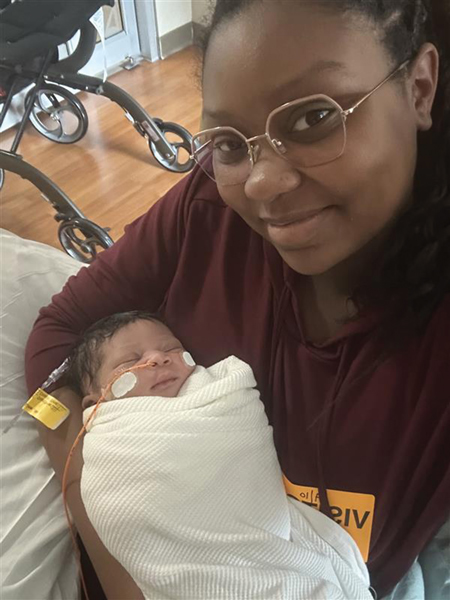
Covering Labor and Delivery Costs
Labor and birth can be unpredictable, but being able to afford them shouldn’t be. Without Medicaid, which finances approximately 41% of U.S. births, based on data from the National Center for Health Statistics, the cost of hospitalization and delivery could be financially devastating to young families. Coverage for labor, delivery and NICU care, if needed, gives parents the ability to focus on their new babies instead of overwhelming medical bills.
Providing Postpartum Care
The need for maternal healthcare doesn’t end when mother and child are discharged from the hospital. Physical recovery takes time, especially if there were any complications during the pregnancy or delivery. Beyond that, postpartum women may need mental health support, treatment for chronic conditions, contraception renewals and other health services that Medicaid can provide. Currently, 49 states plus Washington, D.C. have extended postpartum Medicaid coverage to 12 months, which helps new mothers get continuous care without worrying about insurance lapses.
Caring for Growing Kids
Nearly half of all Medicaid recipients in the U.S. are children ages 0-18 – and sometimes kids qualify for Medicaid even when their parents don’t. The program can help new parents stay up to date with well-child visits for infants, immunizations and ongoing preventive care throughout childhood.
To learn more about access to essential services at every stage of life, visit communitycatalyst.org/maternalhealth.
Filling Gaps in Pregnancy and Postpartum Care: Kayla and Tru’s Story
When Kayla found out she was pregnant at 24 years old, she had no idea how she was going to afford all the costs that were coming. Despite having part-time employment and primary insurance through her mother, she faced gaps in coverage for pregnancy care.
Qualifying for Medicaid changed everything. Not only did it cover Kayla’s prenatal visits, labs, ultrasounds and delivery, but once her son Tru was born, both mother and baby required an extended hospital stay. Medicaid made it possible for Tru to get the care he needed in the NICU while Kayla recovered from birth complications.
Afterward, the program continued to cover Kayla and Tru for follow-up appointments and well-child visits. She’s grateful it was there during her time of need and has one simple message to share: If you qualify for Medicaid, apply.
“You never know what’s going to happen,” she said. “I didn’t expect to be in the hospital as long. I didn’t expect for him to be where he was. But it was definitely needed and helpful.”
Photo courtesy of Shutterstock (mother leaning over hospital bassinet)

SOURCE:
💪 Your health journey starts here! Explore the latest health news, fitness tips, wellness trends, and healthy living advice. Share your thoughts in the comments and subscribe to the STM Daily News newsletter to stay informed and inspired every day.




