

Travel
Air Canada Significantly Increases Service to Ottawa
Air Canada expands services in Ottawa with increased flights, year-round routes, and wider connections, boosting tourism and economic growth.

MONTREAL /CNW/ – Air Canada today announced it is boosting its schedule serving Canada’s capital, Ottawa, by almost 60 per cent with flights to Calgary and Winnipeg now operating year-round, increased flights providing additional capacity to Halifax and Quebec City, and the addition of widebody service to Vancouver. Additional schedule improvements include more flights to popular leisure destinations Fort Lauderdale, Tampa, Orlando, Cancun and Punta Cana this winter.
“Ottawa is an important part of Air Canada’s network and in response to demand, we are growing our capacity to our nation’s capital city by almost 60 per cent compared to 2023. We are very excited to add more flights to the rest of the country with the extension of key non-stop routes to year-round and additional capacity to other cities. We are also adding capacity to popular sun destinations and in conjunction with our joint venture partner United Airlines, increasing options for travel to and from the U.S.,” said Mark Galardo, Executive Vice President, Revenue and Network Planning, at Air Canada.
“I’m delighted to see Air Canada significantly increase air service in and out of Ottawa. This is great news for Ottawa’s economy and recognizes the importance and vibrancy of the Ottawa market on the world stage. It’s particularly welcome news for the tourism industry, for business owners, and for Ottawa residents travelling to destinations throughout North America,” said Mark Sutcliffe, Mayor of Ottawa.
“Air Canada, a long-standing provider of frequent and reliable service to YOW, reinforces its presence with this notable capacity increase for the winter season. Timely and strategic, these flights cater to the needs of Ottawa-Gatineau residents as they jet off to their favourite destinations or welcome visitors from afar,” said Joel Tkach, Vice President, Business Development & Marketing, Ottawa International Airport Authority.
“Air Canada’s decision to increase flight capacity to Ottawa International Airport is a significant development for our city,” said Michael Crockatt, President and CEO of Ottawa Tourism. “This enhancement will make it easier for Canadian and American visitors to access Ottawa, supporting growth for business events, sport hosting, tour operators, and leisure visitation. It is incredibly encouraging to see the confidence that Air Canada has in our destination, and we look forward to welcoming even more travelers to experience all that Ottawa has to offer.”
Increased domestic schedule:From Ottawa Schedule resumptions and service improvements Ottawa (YOW) – Calgary (YYC) Daily service resumed May 1 now extended to year-round Ottawa (YOW) – Winnipeg (YWG) Daily service resumed April 30 now extended to year-
roundOttawa (YOW) – Halifax (YHZ) Increases to three times daily from once daily as of July 1 Ottawa (YOW) – Quebec (YQB) Increased to daily service as of May 1 Ottawa (YOW) – Vancouver (YVR) Two times daily, with one flight on a Boeing 787-9
Dreamliner
Transborder schedule improvements:From Ottawa Winter 2024 service improvements Ottawa (YOW) – Fort Lauderdale (FLL) Increases from four to six times weekly – seasonal Ottawa (YOW) – Orlando (MCO) Increases from two to four times weekly – seasonal Ottawa (YOW) – Tampa (TPA) Increases from one to two times weekly – seasonal
Air Canada’s joint venture partner United Airlines is increasing Ottawa capacity this winter season with an additional frequency each day to Chicago and to Washington-Dulles. In total, the combined Air Canada and United Airlines U.S. schedule from Ottawa will offer (excluding services to Florida):
- Ottawa to Chicago (three times daily)
- Ottawa to New York-Newark (three times daily)
- Ottawa to Washington-Dulles (three times daily)
- Ottawa to Washington-Reagan (once daily)
Sun Destinations:From Ottawa Winter 2024 service improvements Ottawa (YOW) – Cancun (CUN) Increase from three to four times weekly – seasonal Ottawa (YOW) – Punta Cana (PUJ) Increase from three to four times weekly – seasonal
About Air Canada
Air Canada is Canada’s largest airline, the country’s flag carrier and a founding member of Star Alliance, the world’s most comprehensive air transportation network. Air Canada provides scheduled service directly to more than 180 airports in Canada, the United States and Internationally on six continents. It holds a Four-Star ranking from Skytrax. Air Canada’s Aeroplan program is Canada’s premier travel loyalty program, where members can earn or redeem points on the world’s largest airline partner network of 45 airlines, plus through an extensive range of merchandise, hotel and car rental partners. Through Air Canada Vacations, it offers more travel choices than any other Canadian tour operator to hundreds of destinations worldwide, with a wide selection of hotels, flights, cruises, day tours, and car rentals. Its freight division, Air Canada Cargo, provides air freight lift and connectivity to hundreds of destinations across six continents using Air Canada’s passenger and freighter aircraft. Air Canada aims to achieve an ambitious net zero emissions goal from all global operations by 2050. Air Canada shares are publicly traded on the TSX in Canada and the OTCQX in the US.
Internet: aircanada.com/media
Read Our Annual Report Here
Sign up for Air Canada news: aircanada.com


Travel
Alaska Airlines Announces New Nonstop Flights From Seattle to Athens and Paris
Alaska Airlines is expanding its European service with new nonstop flights from Seattle to Athens and Paris beginning in May 2027. Introductory round-trip fares start at $999.

SEATTLE — Alaska Airlines is expanding its international network with new nonstop flights connecting Seattle to Athens, Greece, and Paris, France, beginning in May 2027.

The seasonal Seattle-to-Athens route launches May 12, 2027, with three weekly flights through October. According to Alaska Airlines, it will be the first nonstop service between Seattle and Athens and the only nonstop connection between the West Coast and the Greek capital.
Service between Seattle and Paris begins May 25, 2027, operating five times weekly through October.
Both routes will feature Boeing 787-9 Dreamliner aircraft, offering lie-flat business-class suites and upgraded amenities. Alaska says Starlink Wi-Fi will become available as installation continues across its fleet through 2027.

The new destinations join Alaska’s growing international lineup from Seattle, which includes Iceland, London, Rome, Seoul, and Tokyo. The airline plans to add at least five more intercontinental destinations by 2030.
Introductory round-trip main-cabin fares start at $999 and are available for purchase in the United States through August 26, 2026, subject to restrictions. Travelers can book at Alaska Airlines.
Would you choose Athens or Paris for your next European adventure? Share your thoughts in the comments and subscribe to the STM Daily News newsletter for more travel updates.
Source: Alaska Airlines press release, August 20, 2026.
Related Links

Travel
How to Get More Out of Your Travel Budget
Every great vacation starts long before you pack a suitcase – from choosing where to go to mapping out the perfect itinerary – ensuring you get the most out of your travel budget.
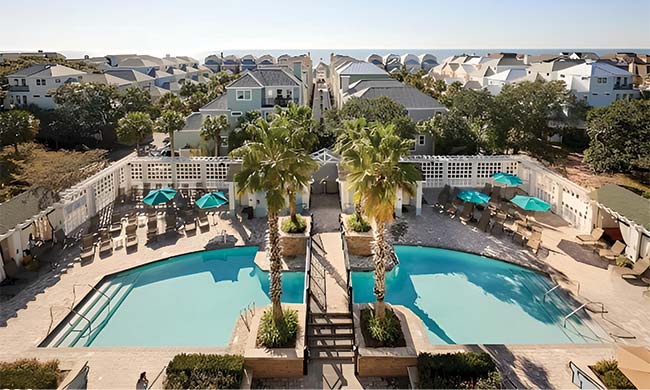
How to Get More Out of Your Travel Budget
(Feature Impact) Every great vacation starts long before you pack a suitcase – from choosing where to go to mapping out the perfect itinerary.
A recent survey conducted online by Talker Research on behalf of World of Hyatt found 70% of U.S. respondents ages 18-65 feel pressure to make every vacation feel “worth the money.” For many, travel rewards have become part of making that happen with 74% saying using travel rewards makes travel spending feel more worthwhile. That sentiment is even stronger among younger travelers, including 84% of Gen Z and 77% of Millennials.
It’s no surprise travelers are putting more thought into the planning process. Nearly 4 in 10 respondents said they spend three or more hours researching and choosing a destination, showing that getting the most out of a travel budget has become just as important as choosing the destination itself.
Make Everyday Spending More Rewarding
One of the easiest ways to stretch your travel budget is choosing a credit card that rewards the purchases you’re already making. More than half of travelers (53%) who travel at least once a year and use credit cards said they’d travel more often if accommodations were partially covered by rewards or points, while 36% said they’d take trips they otherwise wouldn’t.
 With the World of Hyatt Credit Card from Chase, cardmembers earn two Bonus Points per $1 spent on dining, local transit and airline tickets purchased directly from the airline, plus one Bonus Point per $1 on all other purchases. When it’s time to travel, cardmembers earn up to 9X total points on qualifying purchases at participating Hyatt hotels and resorts (four Bonus Points per $1 spent with the card and up to five Base Points per eligible $1 spent as a World of Hyatt member). By turning everyday spending into travel rewards, the credit card can help bring those getaways within reach.
For those looking to earn toward future vacations faster, now through Aug. 20, 2026, new World of Hyatt Credit Card cardmembers can earn up to 75,000 Bonus Points – enough to redeem for up to five free nights at Category 1-5 Hyatt hotels or resorts when redemption levels are at or below 15,000 points per night.
- 45,000 Bonus Points after spending $5,000 on purchases in the first three months from account opening
- Up to 30,000 Bonus Points by earning two Bonus Points total per $1 spent in the first six months on purchases that normally earn one Bonus Point (up to $15,000)
Free hotel nights also top many travelers’ wish lists with nearly half of survey respondents (45%) saying they’re the most valuable travel reward. To help make stays more attainable, the credit card also includes an annual Category 1-4 Free Night Award after each cardmember anniversary with the opportunity to earn a second after spending $15,000 in a calendar year. Complimentary Discoverist status adds even more value with perks like room upgrades and 2 p.m. late checkout (as available), helping make every stay even more enjoyable.
Find Your Next Escape
Put your rewards to work at unforgettable destinations, such as:
- Get away this fall
Experience fall at Hyatt Regency Chesapeake Bay Golf Resort, Spa and Marina, where scenic waterfront trails, championship golf and seasonal outdoor adventures offer a relaxing change of pace.
- Celebrate the season in the city
Plan a festive Chicago getaway at Chicago Athletic Association with easy access to Millennium Park’s ice-skating rink, the Christkindlmarket, holiday lights and the city’s vibrant dining scene.
- Spend the new year at the beach
Escape to Wild Dunes Resort, where oceanfront accommodations, sandy beaches, championship golf and resort amenities create the perfect coastal Carolina getaway.
Start Planning Your Next Adventure
Whether you’re planning a bucket-list vacation or a weekend escape, thoughtful planning and making everyday spending work harder can help unlock your next getaway.
Learn more about maximizing your travel rewards at chase.com/gethyattcard.
Content courtesy of Chase and World of Hyatt.
Credit Cards are issued by JPMorgan Chase Bank, N.A. Member FDIC.
Talker Research surveyed 2,000 U.S. adults aged 18 – 65 who travel at least once per year and use credit cards. The survey was commissioned by Hyatt and administered online by Talker Research between June 29-July 6, 2026.+

SOURCE:
🍴 What’s your favorite food, recipe, or dining spot? Tell us in the comments! Then subscribe to the STM Daily News newsletter for fresh recipes, restaurant news, food trends, and delicious stories delivered straight to your inbox. Join our growing community of food lovers today!
Travel
Escape the Everyday Routine: Summer Travel Experiences Worth Logging Off For
Summer Travels: Between busy schedules, daily responsibilities and the seemingly nonstop pace of everyday life, taking time to disconnect can feel impossible. This summer, make an effort to step away from daily distractions and reconnect with yourself, your passions and the moments that matter most.
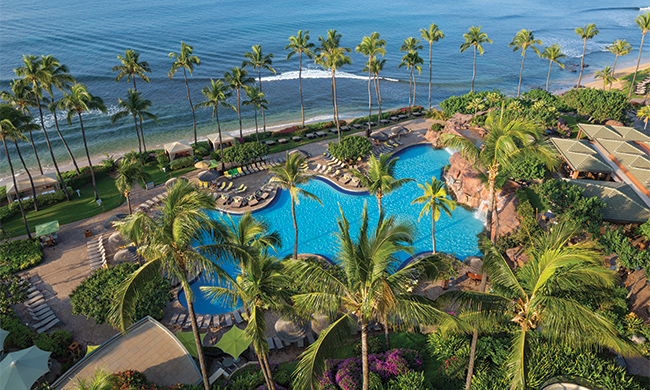
Escape the Everyday Routine: Summer Travel Experiences Worth Logging Off For
(Feature Impact) Between busy schedules, daily responsibilities and the seemingly nonstop pace of everyday life, taking time to disconnect can feel impossible. This summer, make an effort to step away from daily distractions and reconnect with yourself, your passions and the moments that matter most.
Whether it’s a solo seaside escape, a culinary adventure with friends or a memory-making family vacation, World of Hyatt’s Global Summer Offers give members access to exclusive savings of up to 25% on stays at participating hotels and resorts across the U.S., Canada, Caribbean, Latin America, Europe and Africa, making it easy to plan a perfect getaway to escape the everyday this summer.
From paddleboarding in the Bahamas to wandering through Panama’s historic streets, these curated destination recommendations offer inspiration for every kind of traveler.
Sun-Soaked Seaside Escapes
Some summer vacations are about trading packed schedules for ocean breezes and sun-soaked days by the water. For a chic coastal escape, The Georgian, part of The Unbound Collection by Hyatt, brings timeless glamour to the shores of Santa Monica. Just steps from the ocean, this iconic art deco hotel serves as the perfect seaside retreat for biking along the boardwalk, relaxing on the beach and exploring Santa Monica’s vibrant dining scene.
Every detail of a stay at Dreams Puerto Morelos Resort & Spa is crafted to inspire relaxation, connection and discovery. The all-inclusive resort offers a vibrant escape where contemporary comfort meets timeless Caribbean charm in a tropical haven designed for couples and families alike.
Memory-Making Family Adventures
 Families looking to make the most of summer together can head to Grand Hyatt Baha Mar, where every day brings a new adventure. From splashing through the resort’s waterpark and visiting the on-site wildlife sanctuary to enjoying family-friendly dining across more than 45 restaurants and lounges, there’s something for guests of all ages to enjoy together.
Along the shores of Kāʻanapali Beach in Maui, Hyatt Regency Maui Resort and Spa provides the perfect setting for families to create lasting memories together. Families can fill their days with everything from culinary experiences to sunrise yoga, snorkeling and wildlife tours. Younger guests can even channel their inner sea creature during the resort’s popular mermaid classes.
Flavor-Filled Getaways
Combining contemporary luxury with Moroccan charm, Park Hyatt Marrakech is an authentic gateway to the destination’s rich culinary heritage. Guests can immerse themselves in local culinary traditions through hands-on experiences, from mastering classic dishes alongside the hotel’s chefs to exploring a Berber village market and sharing a home-cooked lunch with a local family.
Travelers looking to immerse themselves in Panama’s vibrant culture and food scene can enjoy a stay at Hyatt Regency Panama City. Whether exploring the colorful streets of Casco Viejo or savoring authentic cuisine at the hotel’s signature restaurant, Rulfo, guests can experience the flavors and energy that define the destination.
Immersive Cultural Discovery
Just steps from Tallinn’s UNESCO-listed Old Town, Hyatt Place Tallinn places guests in the heart of the city’s rich heritage and within easy reach of landmarks such as Toompea Castle and Alexander Nevsky Cathedral, as well as cobbled medieval streets, world-class museums, independent galleries and vibrant cafés that bring centuries of history to life.
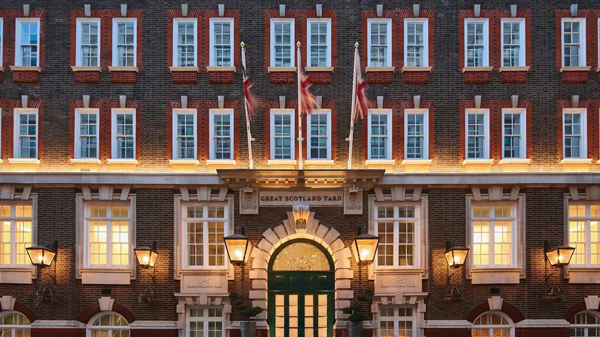
Steeped in history and tucked in the heart of Westminster, Great Scotland Yard Hotel, part of The Unbound Collection by Hyatt, blends modern luxury with its storied past. Once home to Scottish royalty and later the headquarters of London’s Metropolitan Police, the hotel’s legacy of sophistication and intrigue inspires every detail and standout experience, including its hidden speakeasy-style bar, where inventive cocktails are inspired by the building’s colorful history and Michelin-starred dining.
Set along Savannah’s vibrant riverfront, Thompson Savannah offers a stylish gateway to one of the South’s most charming and culturally rich destinations. Travelers can explore centuries-old architecture in the city’s beautifully preserved Historic District and immerse themselves in the renowned arts scene before unwinding in a private cabana on the hotel’s pool deck or enjoying a cocktail at the rooftop bar.
To find more destinations to aid in the escape from everyday routines, visit Hyatt.com for a full list of participating properties and full offer details.

SOURCE:
📰 Enjoying STM Daily News? Join the conversation!
💬 Leave a comment, share your thoughts, and subscribe to our newsletter for the latest stories, updates, and “News You Can Use This Moment!” delivered to your inbox.
Stay connected with STM Daily News!




