

laundry and cleaning
Flush Smart: 7 Tips for Good Bathroom Etiquette

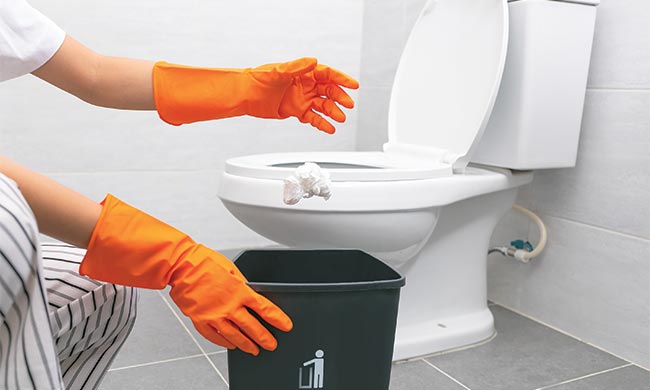
(Feature Impact) Relationships and plumbing have something in common: they can both benefit from practicing smarter bathroom habits. Whether you’re sharing a household with your family, a partner or roommates, good etiquette in these frequently shared spaces can save everyone’s sanity – just like rethinking your flushing routines can save your pipes.
From simple annoyances like leaving the toilet seat up to potentially costly mistakes like clogging your plumbing by flushing the wrong items, a new survey from the Responsible Flushing Alliance (RFA) illuminated a variety of bad habits that cause the most tension in American homes.
In addition to shedding light on these problems, the alliance outlined solutions you can implement at home to restore peace in your restroom. Plus, you can gamify the habit changes to make them more entertaining.
“Our goal is to revolutionize public education by keeping it highly engaging, memorable and fun,” RFA President Lara Wyss said. “We are challenging the public to rethink their everyday habits.”
Get started with these seven tips:
 Replace the toilet roll properly
Don’t be the reason someone gets stranded with nothing but a cardboard tube in their moment of need. Keep extra rolls nearby, and when you’re down to the last square of toilet paper, make it a race against the clock to replace it.
Use the (flush) force
An unflushed toilet was listed as the biggest bathroom pet peeve by 37% of survey respondents. To make it fun for the family, introduce a new tradition: before you leave the bathroom, pretend there’s an invisible force field pushing you back to make sure you’ve flushed and are good to go.
Hunt for sink and shower hair
Leaving hair in the drain isn’t just a source of potential plumbing clogs – it’s also an irritant for 35% of respondents. After you shower or style your hair, make it a game to see how many stray strands you can capture and deliver to the trash can.
Clean it and close it
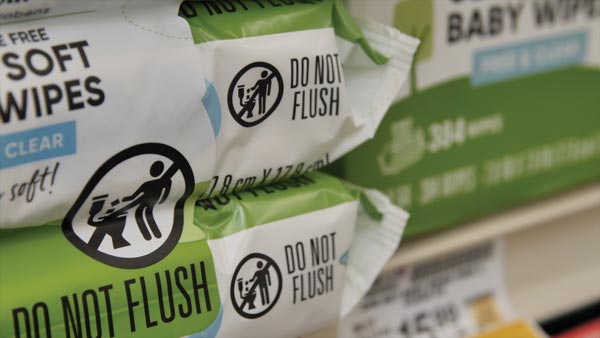
You’ve probably heard jokes about people who leave the toilet seat up, so don’t make yourself the punchline. For a completely un-mockable routine, grab the brush to give the bowl a quick swish after you flush, ensure the seat is down and use an anti-bacterial wipe to leave everything sparkling. You’ll notice cleaning wipes bear the Do Not Flush symbol, which means they go in the trash and never the toilet.
Conquer the counter
Toothpaste and water often splatter all over the place, so to be a polite bathroom roommate, wipe up the mess before it’s even had a chance to dry. Keep cleaning wipes or rags within easy reach and give yourself a 10-second deadline to leave surfaces spotless.
 Practice good towel etiquette
Wet towels don’t belong on bathroom floors. If they still have a use or two left in them, banish them back to your towel rack. Otherwise, challenge yourself to a game of laundry basketball, aiming for the hamper.
Don’t flush the un-flushable
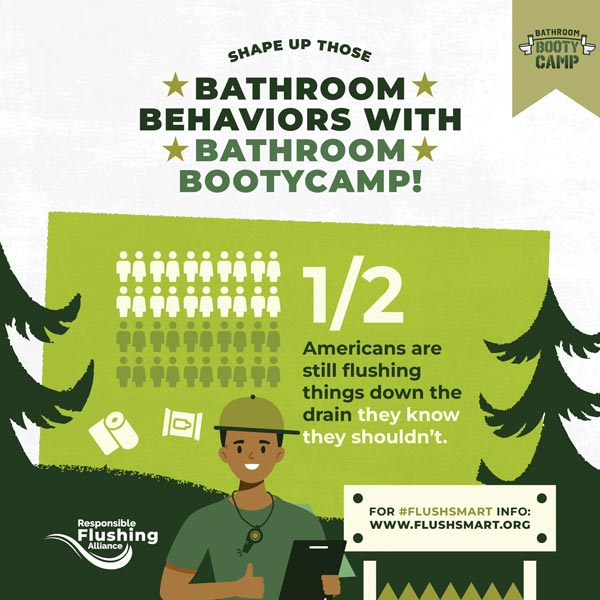
According to an RFA survey, half of Americans are still flushing things they know they shouldn’t, like paper towels, feminine hygiene products and non-flushable wipes. Since clearing a clog in your home can cost anywhere from $300-$15,000 or more, the only thing you’ll be draining with habits like these is your wallet.
“Always check wet wipes for the Do Not Flushsymbol and disposal instructions, which helps us protect not only the health of our homes and environment but our relationships, too,” Wyss said.
Visit FlushSmart.org to learn more about good bathroom etiquette, take an interactive quiz and put these tips into practice with a seven-day challenge.
Photo courtesy of Shutterstock (throwing away non-flushable wipe)

SOURCE:
💪 Your health journey starts here! Explore the latest health news, fitness tips, wellness trends, and healthy living advice. Share your thoughts in the comments and subscribe to the STM Daily News newsletter to stay informed and inspired every day.


How Invasive Pests Spread and How You Can Help Stop Them
(Feature Impact) Invasive pests can hide in places you’d never expect, and once they spread, they can destroy the trees, plants and food people rely on every day. These pests pose a serious threat to agriculture, forests, ecosystems and the food supply. Many invasive species cannot travel far on their own; instead people unknowingly move them from place to place.
According to the U.S. Department of Agriculture’s Animal and Plant Health Inspection Service, invasive pests hitchhike on everyday items such as plants, produce, firewood, vehicles and outdoor equipment. That makes many common activities – from traveling and online shopping to camping and gardening – potential “pathways” for invasive pests to move and reach new areas. Understanding these pathways is the first step to stopping pests before they spread.
Traveling Abroad
When you travel abroad and return from another country, the agricultural items you bring back can introduce new invasive pests into the U.S. and threaten crops or trees that have no natural defenses against them. Even harmless-looking fruit, seed packets or souvenirs made with plant materials can carry pests such as fruit flies and diseases like citrus canker. That’s why it’s critical travelers declare food, plants and other agricultural products when entering the country from abroad.
Shopping Online
Just because you can order seeds and plants from sellers around the world, it doesn’t mean those items are legal or safe to import. In fact, some invasive snails and plant diseases have entered the U.S. this way. Many agricultural products from overseas require permits, inspections or special paperwork before they can enter the country. Buyers should check where an item ships from, learn the import requirements before purchasing and make sure sellers follow all labeling and shipping rules.
 Partaking in Outdoor Activities
When you spend time outdoors hiking, camping, hunting or fishing, you could inadvertently spread invasive species. For example, transporting firewood from one location to another can spread tree-killing insects, such as the emerald ash borer, which can live inside the wood and emerge later in a new area. The safest choice is to buy or use firewood where you burn it. Additionally, clean all outdoor clothing, gear, equipment and vehicles before leaving an area.
Moving Outdoor Equipment
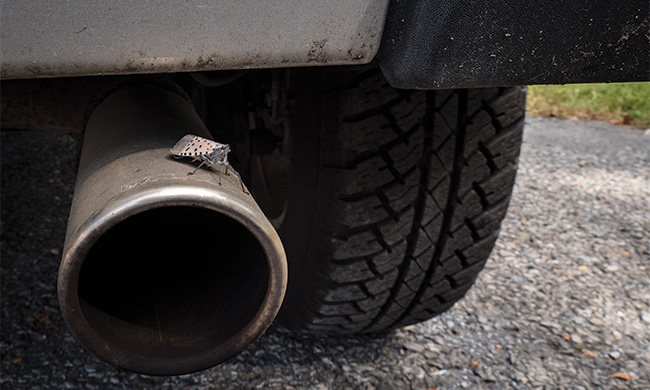
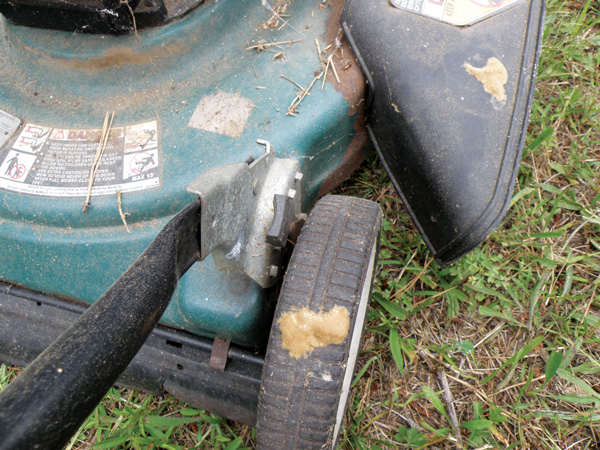
When you move to a new home, your move can create another opportunity for invasive insects to travel. Before relocating patio furniture, grills, trailers or lawn equipment, inspect and clean them carefully. Look for insects, plant debris and egg masses like spotted lanternfly egg masses, which can blend into outdoor surfaces and look like smears of mud or clumps of dirt. A few minutes of checking and cleaning before you move can help prevent pests from invading your new neighborhood.
Invasive pests cost the U.S. billions of dollars every year and damage forests, farms, parks and backyards. Stopping invasive pests starts with simple steps anyone can take: checking what you pack, clean, move and buy. When everyone does their part, fewer pests spread and communities stay healthier and more resilient.
Visit aphis.usda.gov/hungrypests to learn more about how invasive pests spread and the simple steps you can take to help stop them and protect America’s agriculture and natural resources.
Invasive Pest Protection Checklist
- Declare all food, plants and agricultural items when returning from another country.
- When ordering items online, check where the products ship from and verify U.S. import rules before buying.
- If you’re camping, buy firewood where you plan to burn it. Clean clothing, gear and vehicles before leaving.
- Before moving to a new home, inspect outdoor furniture and equipment, looking closely for egg masses or insects.
Content courtesy of USDA.

SOURCE:
United States Department of Agriculture
📰 Enjoying STM Daily News? Join the conversation!
💬 Leave a comment, share your thoughts, and subscribe to our newsletter for the latest stories, updates, and “News You Can Use This Moment!” delivered to your inbox.
Stay connected with STM Daily News!
home improvement
Sleep Better This Summer with Breathable Bedding
Breathable Bedding: If warm summer temperatures have you tossing and turning at night, you aren’t alone. Heat is a common culprit behind seasonal insomnia and can make it difficult to get a good night’s sleep. When the body struggles to cool down properly, it may lead to restlessness, night sweats, and disrupted sleep patterns.
Sleep Better This Summer with Breathable Bedding
(Feature Impact) If warm summer temperatures have you tossing and turning at night, you aren’t alone. Heat is a common culprit behind seasonal insomnia and can make it difficult to get a good night’s sleep. When the body struggles to cool down properly, it may lead to restlessness, night sweats, and disrupted sleep patterns.
Watch this video to learn more
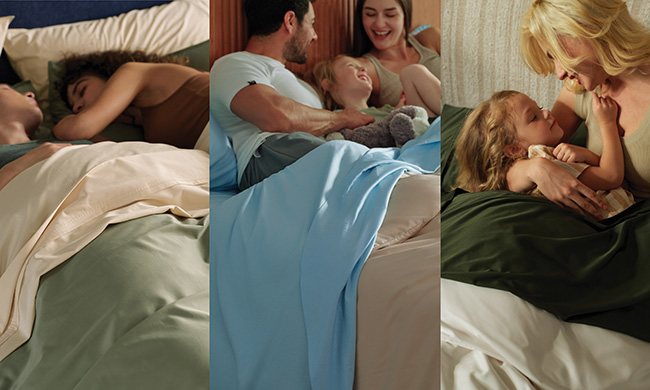
Before you reach for the thermostat, though, take some time to examine your bedroom setup. Switching to breathable bedding, like Bedsure PureWoven Bamboo Sheets, can help your body regulate its temperature better overnight. Made with bamboo-derived fibers, the sets include sheets, pillowcases, duvet covers, and comforters designed to keep you cool and comfortable while you sleep. The bamboo viscose material is moisture-wicking and smooth, and you can choose from a variety of colors to match your decor.
In addition to choosing bedding made with soft, breathable materials like viscose derived bamboo sheets bamboo, try using fans to promote better airflow in your bedroom. You can also improve your overall sleep quality by winding down with soft, dim lighting as you prepare for bed, and using blackout curtains to keep your space dark overnight.
Making simple swaps in your sleep environment can help you stay well-rested throughout the summer. Learn more at bedsurehome.com or search “Bedsure PureWoven Bamboo Sheets” on Amazon.

SOURCE:
📰 Enjoying STM Daily News? Join the conversation!
💬 Leave a comment, share your thoughts, and subscribe to our newsletter for the latest stories, updates, and “News You Can Use This Moment!” delivered to your inbox.
Stay connected with STM Daily News!
health and wellness
HEPA air purifiers may boost brain power in adults over 40 – new research
Using a HEPA air purifier at home for one month was linked to a small but significant boost in executive function for adults 40+, according to new research on traffic-related air pollution.

Last Updated on June 2, 2026 by Daily News Staff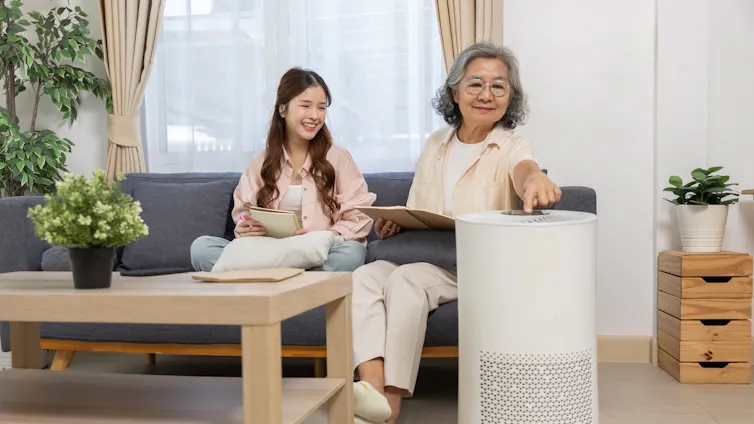
Nicholas Pellegrino, University of Connecticut; Doug Brugge, University of Connecticut, and Misha Eliasziw, Tufts University
HEPA air purifiers may boost brain power in adults over 40 – new research
Using an in-home HEPA purifier for one month spurs a small but significant improvement in brain function in adults age 40 and older. That’s the result of a new study we co-authored in the journal Scientific Reports.
HEPA purifiers – HEPA stands for high efficiency particulate air – remove particulate matter from the air. Exposure to particulate matter has been connected to respiratory and cardiovascular illnesses as well as neurological diseases such as Alzheimer’s and Parkinson’s. Environmental health researchers increasingly recommend that people use HEPA air purifiers in their homes to lower their exposure to particulate matter, but few studies have examined whether using them boosts mental function.
We analyzed data from a study of 119 people ages 30 to 74 living in Somerville, Massachusetts. Somerville sits along Interstate 93 and Route 28, two major highways, resulting in relatively high levels of traffic-related air pollution. This makes it an especially good location for testing the health effects of air purifiers.
We randomly assigned participants to one of two groups. One used a HEPA air purifier for one month and then a sham air purifier – which looked and acted like the real thing but did not contain the air-cleaning filter – for one month, with a monthlong break in between. The second group used the real and sham purifiers in reverse order.
After each month, participants took a test that measured different aspects of their mental capacity. The test probed people’s visual memory and motor speed skills by measuring how quickly they could draw lines between sequential numbers, and it tested executive function and mental flexibility by asking them to draw lines between alternating sequential numbers and letters.
We found that participants 40 years and older – about 42% of our sample – on average completed the section testing for mental flexibility and executive function 12% faster after using the HEPA purifier than after using the sham purifier. That was true even when we accounted for factors like differences in the amount of time participants spent indoors, with either filter, as well as how stressful they found the test.
This improvement may seem small, but it is similar to the cognitive benefits that people experience from increasing their daily exercise. While you may not experience a sudden increase in clarity from a 12% boost, preventing cognitive decline is vital for long-term well-being. Even small decreases in cognitive functioning may be associated with a higher risk of death. https://www.youtube.com/embed/CKpg3qCMXi4?wmode=transparent&start=0 Studies increasingly show that air pollution can be detrimental to brain health.
Why it matters
Air pollution can negatively affect mental function after just a few hours of exposure. Studies show that air purifiers are effective at reducing particulates, but it’s unclear whether these reductions can prevent cognitive harm from ongoing pollution sources like traffic. Research has been especially lacking in people living near major sources of air pollution, such as highways.
People living near highways or major roadways are exposed to more air pollution and also experience higher rates of air pollution-related diseases. These risks aren’t encountered by all Americans equally: People of color and low-income people are more likely to live near highways or areas with heavy traffic.
Our study shows that HEPA air purifiers may offer meaningful health benefits under these circumstances.
What still isn’t known
Research shows that air pollution begins to affect cognitive function especially strongly around age 40. These effects may become increasingly prominent as people age.
HEPA air purifiers may therefore be especially beneficial for older adults. Our study did not explore this possibility, as fewer than 10 of our 119 participants were over the age of 60.
Also, our participants only used a HEPA air purifier for one month. It’s possible that longer durations of air purification may sustain or even increase the improvement in cognitive function we observed in our study.
Finally, it is unclear exactly how air purifiers improve cognition. Some studies suggest that exposure to particulate matter reduces the amount of the brain’s white matter, which helps brain cells conduct electrical signals and maintains connections between brain regions. The brain regions most harmed by air pollution are the ones that control mental flexibility and executive function, the same domains in which we saw improvements in our study.
We plan to study whether reducing particulate matter by using air purifiers is indeed protecting the brain’s white matter, and whether it could reverse some cognitive decline. We will explore that possibility by studying how levels of molecules called metabolites, which cells produce as they do their jobs, change in response to breathing polluted air and air cleaned by a HEPA filter.
The Research Brief is a short take on interesting academic work.
Nicholas Pellegrino, Research Associate in Public Health Sciences, University of Connecticut; Doug Brugge, Professor of Public Health Science and Community Medicine, University of Connecticut, and Misha Eliasziw, Associate Professor of Biostatistics, Public Health and Community Medicine, Tufts University
This article is republished from The Conversation under a Creative Commons license. Read the original article.
Our Lifestyle section on STM Daily News is a hub of inspiration and practical information, offering a range of articles that touch on various aspects of daily life. From tips on family finances to guides for maintaining health and wellness, we strive to empower our readers with knowledge and resources to enhance their lifestyles. Whether you’re seeking outdoor activity ideas, fashion trends, or travel recommendations, our lifestyle section has got you covered. Visit us today at https://stmdailynews.com/category/lifestyle/ and embark on a journey of discovery and self-improvement.




