

Naturist Blog
Nude Hiking in a National Park – Coronado National Forest
“Nude hiking in secluded areas of national parks, like Coronado National Forest, offers a liberating experience amidst nature’s beauty.”

Last Updated on June 26, 2024 by Daily News Staff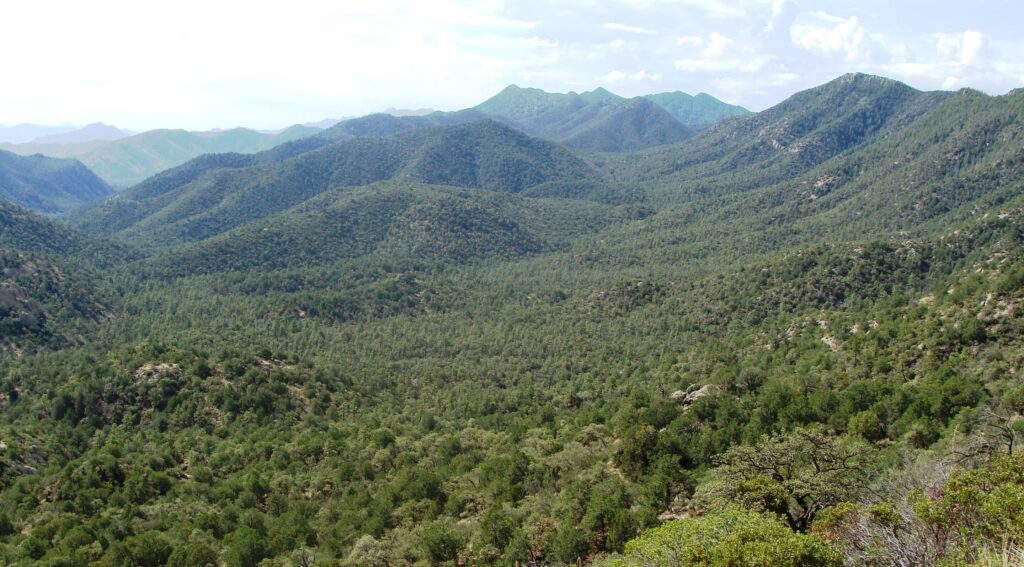
Nude Hiking?
National Parks are often associated with stunning landscapes, diverse wildlife, and outdoor adventures. However, for those seeking a unique and liberating experience, there are secluded areas within these parks where nude hiking is not only possible but also quite common. While enjoying this activity, it is crucial to be mindful of others who may not appreciate nudity and to respect park regulations. One such place where nude hiking is known to occur is Tanque Verde Falls, located in the Coronado National Forest near Tucson, Arizona.
Tanque Verde Falls:
Tanque Verde Falls, situated in a narrow canyon, offers naturists a chance to connect with nature in their most natural form. Although caution is advised due to occasional heavy rainfall and rising water levels, the area provides opportunities for sunbathing on sandy beaches or large flat rocks. The falls themselves create a picturesque backdrop when water levels rise after snow melts or heavy rains. Visitors can choose between the main naturist area near the falls, commonly frequented by straight singles and couples, or venture further up the canyon to an area preferred by the LGBTQ+ community.
Safety and Precautions:
While embarking on a nude hiking adventure, it is essential to remain aware of potential hazards. Tanque Verde Falls is home to various desert wildlife, including rattlesnakes and gila monsters. Staying cautious and respecting the natural environment are crucial for a safe and enjoyable experience. Additionally, hikers should pack essentials such as water, snacks, and appropriate footwear, as there are no nearby services.
Alternative Location: Ka’u Desert, Volcano National Park, Hawai’i
For those looking for a nude hiking option on the Big Island of Hawai’i, Ka’u Desert in Volcano National Park offers a secluded area away from the crowds. However, it is important to be mindful of clothed visitors in the vicinity. Accommodations can be found in the well-located cottage known as Funny Valentine, providing a comfortable stay on the Hilo side of the island.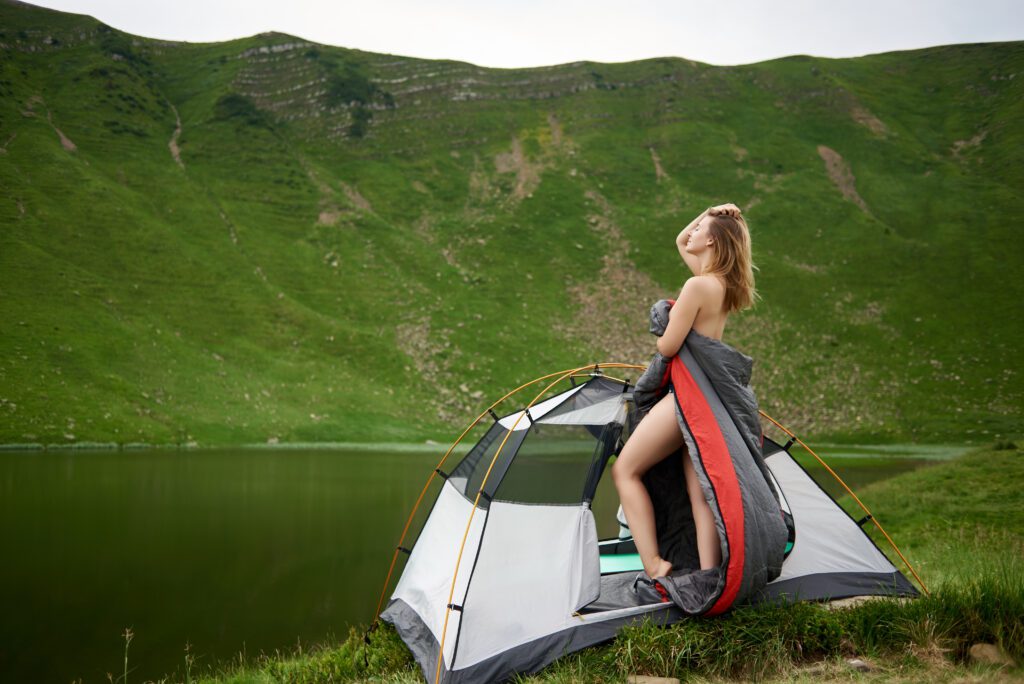
Nude hiking in national parks provides a unique way to connect with nature and embrace personal freedom. While it may be challenging to practice outdoor nudity in the United States due to cultural differences, secluded areas like Tanque Verde Falls in the Coronado National Forest offer naturists an opportunity to enjoy this liberating activity. By respecting others’ boundaries and the natural environment, hikers can have a memorable and fulfilling experience surrounded by the beauty of nature.
News for those loves nature and live the clothes free or clothing optional life!
Naturism is a lifestyle of practicing non-sexual social nudity in private and in public; the word also refers to the cultural movement which advocates and defends that lifestyle. Both may alternatively be called nudism. Though the two terms are broadly interchangeable, nudism emphasizes the practice of nudity, whereas naturism highlights an attitude favoring harmony with nature and respect for the environment, into which that practice is integrated. That said, naturists come from a range of philosophical and cultural backgrounds; there is no single naturist ideology.
Ethical or philosophical nudism has a long history, with many advocates of the benefits of enjoying nature without clothing. At the turn of the 20th century, organizations emerged to promote social nudity and to establish private campgrounds and resorts for that purpose. Since the 1960s, with the acceptance of public places for clothing-optional recreation, individuals who do not identify themselves as naturists or nudists have been able to casually participate in nude activities. Nude recreation opportunities vary widely around the world, from isolated places known mainly to locals through officially designated nude beaches and parks and on to public spaces and buildings in some jurisdictions. (wikipedia)
https://stmdailynews.com/news-for-naturists


Naturist Blog
Embrace Liberation: Celebrating National Nude Day
Celebrate freedom and body positivity on National Nude Day, an empowering reminder to embrace our natural beauty. #NationalNudeDay #BodyPositivity

Last Updated on July 12, 2026 by Daily News Staff
Embrace Liberation: Celebrating National Nude Day
In a world where societal norms often dictate how we present ourselves, National Nude Day offers a unique opportunity to break free from conventions and embrace our natural state of being. Observed on July 14th, this day encourages body positivity, self-acceptance, and the celebration of individuality. Join us as we explore the significance of National Nude Day and the empowering message it conveys.
What is Nude Day about?
- Embracing Body Positivity:
National Nude Day serves as a powerful reminder that our bodies are beautiful in their natural form. It challenges the unrealistic beauty standards perpetuated by media and encourages us to appreciate ourselves and others without judgment. It’s a day to celebrate the diversity of bodies and foster a culture of acceptance. - Empowerment and Self-Acceptance:
Shedding our clothes on this day can be liberating, symbolizing the acceptance of our bodies and embracing our flaws as part of our unique identity. By embracing our natural state, we break free from the pressures of conformity, nurturing a positive relationship with ourselves and boosting our self-esteem. - Connection with Nature:
National Nude Day also provides an opportunity to connect with nature in a profound way. By being in our natural state outdoors, we can experience a sense of freedom and harmony with the environment. It’s a chance to feel the sun’s warmth on our skin, the breeze caressing our bodies, and to appreciate the beauty of nature without barriers. - Breaking Taboos and Challenging Stigma:
National Nude Day challenges societal taboos surrounding nudity and fosters a more open and inclusive conversation about body image. It encourages discussions about body positivity, consent, and the importance of respecting personal boundaries. By engaging in these conversations, we can challenge the stigma associated with nudity and promote a healthier mindset.
National Nude Day is not just about shedding our clothes; it’s about embracing our bodies, fostering self-acceptance, and challenging societal norms. It’s a day to celebrate diversity, promote body positivity, and encourage conversations that lead to greater understanding and acceptance. So, on this day, let us shed our inhibitions, embrace liberation, and celebrate the beauty of our natural selves. Happy National Nude Day! https://nationaldaycalendar.com/national-nude-day-july-14/
What is Nude Recreation Week?
Read the article: https://stmdailynews.com/what-is-nude-recreation-week-2/
A Footnote
National Nude Day, celebrated each year in July, is an informal observance embraced primarily by nudist and naturist communities around the world. While the event’s lighthearted name may invite misconceptions, its core purpose is far removed from sexuality or eroticism. Instead, National Nude Day promotes body positivity, personal freedom, and the celebration of the human form in its natural state. For many participants, the day serves as a reminder of the importance of accepting one’s own body and appreciating the diversity of shapes, sizes, and appearances that define humanity.
The practice of social nudity has a long and varied history, with roots in cultural, philosophical, and recreational traditions. Naturism, in particular, emphasizes living in harmony with nature, fostering a sense of equality and community by removing clothing—a social equalizer that diminishes visible markers of status, fashion, and material wealth. National Nude Day aligns with these principles by encouraging people to embrace comfort with their own bodies and reduce the stigma and shame that society often imposes regarding nudity.
Participants in National Nude Day may engage in various activities depending on their comfort level and local regulations. Some may visit designated naturist resorts or beaches, where social norms and legal protections allow for clothing-free recreation. Others might observe the day privately, enjoying solitude at home, practicing mindfulness, or meditating in the nude to connect with their body and surroundings. The observance is often framed as an opportunity to cultivate self-confidence and challenge internalized body insecurities, promoting mental and emotional well-being.
Importantly, National Nude Day is about consent, respect, and the normalization of nudity in appropriate contexts. Advocates stress that the celebration is non-sexual and not an invitation for voyeurism or sexual behavior. Its aim is educational and philosophical, emphasizing that nudity is a natural human state rather than a moral or social transgression. By recognizing and participating in this day, individuals can explore freedom from societal pressures, experience heightened self-acceptance, and foster a broader cultural understanding of the human body.
In essence, National Nude Day is a celebration of liberation, self-expression, and respect for human diversity. It encourages people to rethink preconceived notions of the body, embrace naturalism, and promote inclusivity. While it remains a niche observance, its message of body positivity, acceptance, and personal freedom resonates across cultural boundaries, reminding participants that the human body, in all its forms, deserves acknowledgment and respect.
For more information and related resources:

STM Blog
What is Nude Recreation Week?
Nude Recreation Week is a real event that promotes the idea of enjoying the outdoors without clothing.

Nude Recreation Week is a real event that promotes the idea of enjoying the outdoors without clothing. It is a week-long celebration of the human body and its natural state. The history of Nude Recreation Week is a fascinating one, with its origins dating back to the early 1970s.
The idea of Nude Recreation Week came from a group of naturists who wanted to promote the benefits of nudity in the outdoors. They believed that nudity was a natural and healthy way to enjoy the outdoors, and that it allowed people to connect with nature in a more meaningful way. The first Nude Recreation Week was held in 1976, and it has been celebrated every year since then.
There are many ways to celebrate Nude Recreation Week legally. Many naturist organizations offer events and activities that are open to the public, such as nude hikes, beach cleanups, and other outdoor activities. There are also many private resorts and campsites that cater to naturists, and they offer a variety of activities and amenities for those who want to enjoy the outdoors in the nude.
Nude Recreation Week – July 6–12
Nude Recreation Week celebrates naturism, body positivity, and the freedom to enjoy outdoor activities in a clothing-free environment. Observed at nudist resorts, beaches, and private spaces, it encourages self-acceptance and connection with nature. The week culminates in International Skinny Dip Day. Learn more about the history and celebration: National Today, National Day Calendar, American Association for Nude Recreation.
The opinions about Nude Recreation Week are divided. Some people believe that it is a healthy and natural way to enjoy the outdoors, and that it promotes body positivity and self-confidence. Others believe that it is inappropriate and offensive, and that it should not be allowed in public spaces.
On one hand, some people argue that nudity is a natural state for humans and that it should be celebrated. They believe that nudity is not inherently sexual or offensive, and that it is a healthy way to connect with nature and with other people. They also argue that nudity promotes body positivity and self-confidence, and that it can help people overcome body shame and negative self-image.
On the other hand, some people argue that nudity is inappropriate and offensive, especially in public spaces. They believe that nudity is a private matter and that it should not be displayed in public. They also argue that nudity can be sexualized and that it can lead to inappropriate behavior and harassment.

In conclusion, Nude Recreation Week is a real event that promotes the idea of enjoying the outdoors without clothing. It has a fascinating history, and it is celebrated by many people around the world. While opinions about nudity are divided, it is clear that there are many ways to celebrate Nude Recreation Week legally, and that it is a healthy and natural way to enjoy the outdoors.
https://nationaltoday.com/nude-recreation-week/
National Nude Day – July
National Nude Day celebrates body positivity, personal freedom, and self-acceptance—not sex. Observed by nudist and naturist communities, the day encourages people to embrace their natural form and challenge societal body shaming. Participants may visit naturist beaches or resorts or enjoy private time at home to connect with their body and nature. Learn more about the celebration and its history here: National Day Calendar, National Today, The Guardian on Naturism.
🌿 Enjoying Naturist News? Explore more stories celebrating naturism, body positivity, and the naturist lifestyle. Subscribe to the STM Daily News newsletter to stay informed with the latest articles, community news, and exclusive updates delivered right to your inbox.

Now You Know: If you’re a naturist living in Arizona, timing your outdoor activities can make a big difference when it comes to sun safety.

Arizona is famous for its sunny weather, but the state’s intense UV radiation can quickly lead to sunburn and long-term skin damage. The safest times to enjoy outdoor naturist activities are typically early in the morning and later in the afternoon or evening.
During the summer months, experts generally recommend limiting extended sun exposure to the hours before 8:30 a.m.and after 6:00 p.m. These periods offer lower UV levels while still providing pleasant outdoor conditions. In the cooler months, the lower angle of the sun allows for a slightly wider window of safer outdoor enjoyment.
A good rule of thumb is to check the daily UV Index. When the UV Index is below 3, the risk of sun damage is significantly lower. Regardless of the season, staying aware of UV conditions can help naturists enjoy Arizona’s beautiful outdoors while reducing the risk of overexposure.
The Arizona sun may be part of the state’s appeal, but smart timing can help you enjoy it safely.
Related Reading
- EPA UV Index Guide
Learn how the UV Index works and what the daily ratings mean for outdoor activities. - National Weather Service UV Index Forecasts
Check UV forecasts and sun safety information. - American Academy of Dermatology: Sunscreen and Sun Safety
Expert recommendations for protecting your skin from harmful UV rays. - Centers for Disease Control and Prevention (CDC) – Sun Safety
Practical guidance for reducing the risk of sunburn and skin cancer. - National Weather Service – Heat Safety Tips
Important information for anyone spending time outdoors in Arizona’s desert climate. - The Naturist Society Foundation
Information, education, and advocacy related to naturism in North America. - American Association for Nude Recreation (AANR)
Resources, clubs, events, and educational materials for naturists and nudists.
Looking for more naturist news and insights? Explore our News for Naturists section for the latest stories, travel destinations, wellness tips, and community happenings. Don’t forget to sign up for our newsletter to receive fresh content, exclusive features, and breaking naturist news delivered straight to your inbox.




