

financial wellness
Personal bankruptcy filings are soaring in 2026, signaling growing economic distress
Personal bankruptcy filings are climbing as inflation, high interest rates and mounting household debt strain American consumers. Although bankruptcy can provide a fresh start, financial recovery may take decades.

Jay L. Zagorsky, Boston University
The number of Americans who file for bankruptcy is growing. More than 500,000 people took this step in 2025, nearly 50% more than in 2022. And the numbers have kept on climbing, with a 12% jump in June 2026 from a year earlier as many consumers struggled to pay their bills.
I am a business school professor who has researched bankruptcies and whether, when you are at the end of your financial rope, bankruptcy helps or hurts.
I became interested in the subject while in graduate school. Not because of any courses I took, but because I ran out of money. While I was in grad school, my wife, who was keeping the family afloat, unexpectedly lost her job at the very moment our savings went to zero.
Ultimately, we didn’t declare bankruptcy, and I’ll explain later what we did to avoid it. But this near brush with that fate sparked my long-term interest in this predicament that befalls many American consumers who find themselves financially stressed out.
What’s personal bankruptcy?
Bankruptcy is a legal process for people who can’t pay their debts. Because it usually requires liquidating their assets or entering a repayment plan, Americans generally turn to it as a last resort. To declare bankruptcy you first file a petition with a federal court, which appoints a trustee to oversee your case.
But bankruptcy does not discharge all debts.
There are 19 types of debts that even bankruptcy will not wipe out. Some of the bigger categories are alimony, child support and most taxes. Student loans can be wiped out, but getting that done is difficult and it’s not an automatic part of bankruptcy proceedings.
2 conflicting goals
U.S. bankruptcy law has two big goals that contradict each other.
The first is to give honest individual debtors a “fresh start.” The process ideally reduces or eliminates enough of their debt to make it possible to earn, spend, borrow and repay money like people with a more typical financial life. In other words, personal bankruptcy can take the financial noose off debtors’ necks.
The second is to ensure that creditors get repaid as much as possible for their loans. When someone declares bankruptcy, some or maybe all of their creditors don’t get their money back. In 2024, the Americans who filed for bankruptcy had about US$75 billion in assets, but they owed their creditors about $86 billion – $11 billion more.
States and the federal government make different trade-offs between these goals. As a result there are very different limits on how much equity – the difference between market value and what you owe – debtors can keep in their primary homes and personal property after they declare bankruptcy.
Some states are quite lenient. For example, Texas bankruptcy law doesn’t limit the amount of equity in a home at all. That helps debtors get back on their feet.
Other states are extremely strict in this regard. Arkansas limits home equity after personal bankruptcy to $800, and Kentucky restricts it to $5,000. This helps creditors: Lenders can force a debtor’s house to be sold and keep much of the equity the debtor built up.
Likewise, laws protecting vehicles and other kinds of personal property belonging to people who declare bankruptcy vary widely.
2 types of personal bankruptcy
People declaring bankruptcy typically file using either Chapter 7 or Chapter 13 of the federal bankruptcy code.
About 2 in 3 people use Chapter 7, a form of financial liquidation. The bankruptcy court appoints a trustee, who then sells off all of a person’s possessions, except what is covered by the various exemptions.
The trustee then gives creditors whatever money is left after the sale. In exchange for giving up most of what someone owns, filing Chapter 7 wipes out almost all debts and gives them a fresh financial start.
For people earning moderate to high incomes and whose debts are less than $2.75 million, bankruptcy courts make them use Chapter 13.
Chapter 13 is a slower-moving process. Creditors are paid over three to five years from a person’s earnings. Debtors keep enough of their wages to cover necessary living expenses, but all other disposable income goes to creditors. Chapter 13 allows people to save their homes from foreclosure and keep their vehicles.
Bankruptcy filing rising after decline
The number of personal bankruptcies filed annually fell sharply for more than a decade before the recent uptick, hitting a low of about 368,000 in 2022, down from about 1.5 million in 2010.
That number has climbed steadily since 2022.
A 2005 law called the Bankruptcy Abuse Prevention and Consumer Protection Act sparked the earlier decline. Its goal was to make declaring bankruptcy harder and more expensive. Many creditors pushed for these changes because they felt some individuals were abusing the system.
The changes introduced income limits for eligibility to declare Chapter 7 bankruptcy. It also required people to get credit counseling before filing to see whether there was any way they could avoid bankruptcy. It also added a new obligation: Americans now take a course in financial management after they file for bankruptcy to reduce the chance of future money troubles.
One interesting study regarding the legislation’s impact found that it lowered credit card interest rates, but it also prevented some people without health insurance from wiping out their medical debts.
The 2005 changes caused the number of personal bankruptcies to plunge. That ended with the Great Recession, which lasted from late 2007 until mid-2009.
This economic downturn pushed up the number of bankruptcies dramatically. But then the number fell from 2010 until 2022, as the Great Recession’s impact gradually receded. The decline continued into the early 2020s because the stimulus checks and more generous unemployment insurance payments the government provided at the height of the COVID-19 pandemic helped keep millions of U.S. consumers afloat.
The numbers began to rise again in 2022 as American consumers began facing increasing stress from income that has not kept pace with inflation and a sharp jump in credit card interest rates.
Lasting changes
Bankruptcy stays on your credit report for up to 10 years. After that, creditors are supposed to treat people who filed for it like anyone else. A study I worked on with law professor Lois Lupica tracked what happened over two decades to both people who had and had not declared bankruptcy. We wanted to see whether those who had filed for bankruptcy really got out of their financial hole.
Our findings were a good news, bad news story. The good news was that bankruptcy was not causing permanent financial stigma. The average person who declared bankruptcy eventually caught up financially with their peers who hadn’t.
The bad news was that it took 15-25 years to recover in almost all financial dimensions. This is longer than those 10 years that the bankruptcy filing stays on your credit report.
In short, we determined that bankruptcy does give people a fresh start, but getting that reprieve takes longer than the law’s intent.
Strategies that can stave off bankruptcy
My wife and I avoided bankruptcy primarily by doing two things.
First, we switched to using cash for most of our day-to-day purchases. When our wallets were empty, we were done spending. I talk more about this in my 2025 book “The Power of Cash.”
Second, we contacted the financial company where we owed our biggest monthly payment. After providing proof of financial hardship, they were surprisingly flexible.
If these two steps are not enough for you, the next step is to consult an attorney who specializes in bankruptcy law. While there are lots of things most people can competently do on their own, filing for bankruptcy is not one of them.
Jay L. Zagorsky, Associate Professor of Business, Boston University
This article is republished from The Conversation under a Creative Commons license. Read the original article.


Lifestyle
7 Fire Prevention Tips to Protect Your Home and Community
7 Fire Prevention Tips: Fires can be devastating, but many of them are preventable with simple precautions and smart everyday choices. Consider these tips to reduce the risk of fires and keep your household, family and community safe.


7 Fire Prevention Tips to Protect Your Home and Community
(Feature Impact) In observance of National Fire Prevention Month, it’s a good time to review your fire safety habits at home and in your neighborhood. Fires can be devastating, but many of them are preventable with simple precautions and smart everyday choices.
Consider these tips to reduce the risk of fires and keep your household, family and community safe.
Test Your Smoke Alarms
Smoke detectors are one of the simplest yet most important tools for protecting your home, loudly alerting you to potential danger at any time of the day or night. Test them monthly, follow manufacturer’s instructions for replacement and change batteries as needed.
Heat Your Home Safely
Depending on how you heat your home, there can be different hazards to remain aware of. Never leave fireplaces unattended when in use and have them inspected and maintained as recommended by a trained professional. If you use portable heaters, keep them at least three feet away from curtains, bedding, furniture and other flammable materials.
Prevent Electrical Fires
Frayed cords, damaged outlets or overloaded appliances can pose real danger to your home when they overheat or spark. Particularly if you live in an older home or have outdated appliances, keep an eye out for warning signs like tripped circuit breakers, malfunctioning devices or the smell of burning. If you’re concerned, have your system inspected by a qualified electrician.
Store Flammable Objects Carefully
Keeping matches and lighters out of reach of children is always a smart first step for household fire safety. Also follow safe storage practices for items like lighter fluid, propane, aerosol cans and other household products that could potentially ignite when exposed to heat or a stray spark.
Practice Smart Kitchen and Grill Habits
From sparks flying off the grill to hot oil forgotten in the frying pan, cooking is the leading cause of household fires. Stay attentive in the kitchen, never leave cooking food unattended and avoid setting combustible materials like paper plates or fabric towels too close to a stove or grill. Also keep your appliances cleaned and well-maintained.
Plan Your Escape Route
Fires can spread quickly, which is why it’s important for everyone in your household to know the plan (and backup plan) for safely exiting different areas of the house during an emergency. Decide on a specific meeting place outside and practice quick fire drills together to build muscle memory.
Observe Local Fire Safety Rules
Where you live determines what kinds of fire risks affect your community, so make sure you stay informed about local regulations. For instance, areas prone to drought or wildfire may have rules about outdoor burning, and local fire prevention ordinances may outline specific requirements for smoke alarms in your home.
Find more home safety tips at eLivingtoday.com.
Photo courtesy of Shutterstock
SOURCE:
eLivingtoday.com

home improvement
5 Simple Steps to Prepare Before Disaster Strikes
Disaster preparedness doesn’t have to be expensive or complicated. It’s all about the small, simple steps you can take to protect yourself, your family and your community.

(Feature Impact) Disaster preparedness doesn’t have to be expensive or complicated. It’s all about the small, simple steps you can take to protect yourself, your family and your community.
Yet, as severe weather becomes more frequent, many people aren’t prepared for the impact.
New research from United Way Worldwide and Verizon revealed that although 60% of U.S. adults are concerned a natural disaster could affect their household in the next year, only 15% would feel very prepared for one.
While many people understand the risks, they face real barriers to preparation. Cost remains the primary obstacle to disaster preparedness with 45% of those surveyed naming it as the top barrier. In addition to cost, lack of time (25%) and not knowing where to start (28%) prevented people from taking action.
That’s why preparedness should be practical and affordable.
For example, the United Way’s United We Prepare initiative, supported by Verizon, offers free disaster preparedness workshops, emergency kit distribution, information on local emergency services and practical guidance to help people plan and be ready to weather a storm.
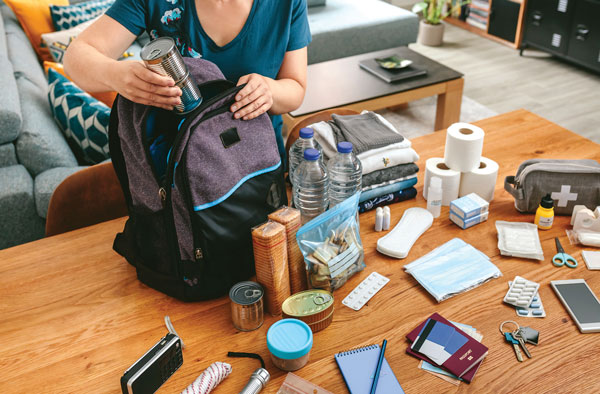
When individuals and families are better prepared, communities are more resilient. Get started with these simple, zero-cost steps:
 Identify Key Emergency Contacts
Choose a relative or friend outside of your immediate community who can act as a central check-in point or offer shelter during an emergency. Also, take a few moments to create updated digital and physical emergency contact lists with names, phone numbers and addresses of loved ones as well as service and healthcare providers.
Enable Local Alerts
Identify trusted local emergency services and news that can provide weather and emergency information. Turn on wireless emergency alerts in your phone settings, bookmark local news weather pages and save other important website links to ensure you’re in-the-know when disasters strike.
Build a Support System
Before severe weather, touch base with at least two neighbors or family members to identify what help they may need (or what assistance they can provide) and create a plan for checking in with each other in the event of an emergency.
Plan for Special Needs
It’s easiest to make clear-headed decisions before you’re stressed and rushing in the heat of the moment, so sit down and sketch out basic plans for special needs related to transportation, prescriptions, caregiving and pets before severe weather arrives. Decide where you would meet if separated, how to get there if transportation is disrupted, who would pick up children or take care of pets, what health needs or medications need to be considered and more.
Save Key Information and Documents Digitally
During a crisis, you likely won’t have time to search filing cabinets, desks and glove compartments for important documentation. Take photos or make digital copies of identification documents, insurance information, medical cards, prescription details, important household records and other key documents to access if you need to leave home quickly. For insurance purposes, it may also be helpful to take a video of your property and valuable belongings in your home in case they’re damaged or ruined.
The goal isn’t to do everything at once; it’s to start. An hour spent making connections, gathering information and talking through a plan today can make it easier to act when time matters most.
For more simple preparedness tips and resources, visit UnitedWePrepare.org.
Test Your Disaster Preparedness Knowledge
Take the quiz at UnitedWePrepare.org to test your knowledge on 10 disaster preparedness questions customized to your area, such as:
- What should you include in a winter emergency supply kit for your car?
- What is the difference between a Tornado Watch and Tornado Warning?
- When should you evacuate during a wildfire?
- Why is it important to prepare for disasters?
Photo courtesy of Shutterstock (preparation supplies)
SOURCE:
child education
Preparing the Next Generation for Economic Mobility in an AI-Driven World
AI-Driven World: Within only a few years, AI has already changed many things about the world and workforce. Entry-level jobs, particularly the ones relying on routine and predictable tasks, are increasingly disappearing to automation, leaving young people wondering how to launch their careers and futures. To learn what preparing students for the future may look like in practice, consider these tips.

Preparing the Next Generation for Economic Mobility in an AI-Driven World
(Feature Impact) Within only a few years, AI has already changed many things about the world and workforce. Entry-level jobs, particularly the ones relying on routine and predictable tasks, are increasingly disappearing to automation, leaving young people wondering how to launch their careers and futures.
Access to economic mobility – the ability to change your income or wealth – doesn’t just rely on technical knowledge and skills but on leaning into humanity. Being able to think outside the box, collaborate, solve problems and grow as a person can open doors in life and at work. AI may be changing the world, but in change lies opportunity. The students who can adapt quickly are more likely to prosper as the economy continues to reshape itself.
To learn what preparing students for the future may look like in practice, consider these tips from the economic and career experts at Junior Achievement.
Build the Kinds of Skills AI Can’t Replace
Young people facing AI as their competition can get a boost from cultivating the uniquely human skills technology can’t replicate. Educators, parents and other adults in kids’ lives can help them develop increasingly important soft skills like critical thinking, communication, teamwork and leadership, which can translate to many different careers. Hands-on skills can fit into this category as well, like the kinds required in entrepreneurship and the trades.
Provide Real-World Experiences
When young people have the chance to test themselves in a real-world setting, it lets them hone their interests, skills and confidence before the time comes to make major decisions about their futures. As early as elementary school, experiential learning activities like Junior Achievement’s Biztown allow students to operate businesses, work with others, manage finances and solve problems, combining in-class learning with hands-on simulations. As kids grow up, other options can include job shadowing, internships and entrepreneurship experiments – all ways to build durable social and professional skills that can help them succeed.
Teach Foundational Financial Literacy
Earning money is only part of the equation for a healthy financial future; equally important is understanding how to manage it. As kids prepare to earn their first sources of income, make sure they’re also equipped with practical financial skills like budgeting, saving, investing, using credit wisely and planning for future goals. Giving them these tools early helps them make informed decisions about their long-term economic advancement.
Connect Students with Employers and Opportunities
Sometimes, all a student needs to succeed is someone who’s willing to give them a chance. Young people in a position to meet business professionals in (and beyond) their communities may be able to turn those connections into future opportunities. This can happen naturally as they seek real-world experiences through apprenticeships, mentorship programs, career fairs and more.
Programs like Junior Achievement’s 3DE puts students in authentic business challenges, connecting them with educators, business partners and volunteers as they work in teams to complete case experiences. This not only gives young people the opportunity to meet potential employers or mentors, it also lets them demonstrate critical thinking, social skills and real-world competence.
Visit jausa.ja.org for more ideas to help young people gain the confidence and connections needed to achieve economic mobility in a changing world.
Photo courtesy of Shutterstock
SOURCE:





