

Food and Beverage
Purely Elizabeth Launches Purely Glow Granola, Its First Beauty-Inspired Limited Edition
Purely Elizabeth debuts Purely Glow Salted Vanilla Pistachio Granola, a limited-edition, beauty-inspired blend with collagen peptides and biotin, timed to New York Fashion Week.

Last Updated on April 1, 2026 by Daily News Staff
Purely Elizabeth is stepping beyond the breakfast bowl and into the “glow-from-within” conversation.
The Boulder-based natural foods brand announced the launch of Purely Glow Salted Vanilla Pistachio Granola, a limited-edition flavor that blends its signature crunchy clusters with beauty-inspired functional ingredients—including collagen peptides and biotin. The drop is timed to New York Fashion Week, signaling how quickly wellness brands are borrowing cues from beauty culture: trend-driven, ritual-focused, and built for social.
Why a “beauty granola” now?
If you’ve spent any time on TikTok lately, you’ve seen the shift: wellness content is increasingly framed like skincare—daily routines, “non-negotiables,” and ingredients people swear by.
Purely Elizabeth points to that momentum in the announcement, noting that TikTok posts featuring collagen increased by 70% over the past year compared to the previous two years. At the same time, pistachio has had its own breakout moment, with 55,000 pistachio-related TikTok posts in the most recent year—a 104% increase over the prior 24 months.
Translation: consumers aren’t just shopping for flavor anymore. They’re shopping for function, aesthetic, and ritual.
What’s inside Purely Glow Salted Vanilla Pistachio Granola
On the flavor side, Purely Glow is positioned as an elevated, dessert-leaning blend built around a salty-sweet profile:
- Organic oats
- Roasted pistachios
- Real vanilla bean
- A hint of sea salt
From a nutrition and formulation standpoint, the granola is:
- Gluten-free
- Sweetened with coconut sugar
- Baked with coconut oil
- A good source of fiber
- Enriched with collagen peptides, coconut water powder, and biotin
Founder and CEO Elizabeth Stein says the concept comes from a personal place—bringing together “nourishing food and daily beauty rituals,” and leaning into the idea that what you eat can be part of how you care for yourself.
A collab that takes it beyond the grocery aisle
To push the launch into lifestyle territory, Purely Elizabeth is partnering with Cha Cha Matcha for a limited-time “Purely Glow” menu at all locations.
The menu includes:
- Pistachio Matcha Lattes (hot or iced)
- A Purely Glow Yogurt Parfait layered with coconut yogurt, matcha chia pudding, and topped with Purely Glow Granola
The brand is also hosting “Glow Up” pop-up events to bring the product to life:
- Cha Cha Matcha Flatiron (NYC): February 12, 1:00 p.m. to 5:00 p.m., plus the weekend
- Cha Cha Matcha Beverly Hills: February 20–22
Availability and price
Purely Glow Granola launches February 12 for $7.99 and will be sold until it sells out. It’s available exclusively via:
- PurelyElizabeth.com
- TikTok Shop
- Cha Cha Matcha locations
A brand move that fits the moment
Purely Elizabeth has been around for 16 years and says it has remained the #1 granola brand in the natural channel for more than eight consecutive years—so this isn’t a reinvention as much as a strategic expansion.
The bigger takeaway: food brands are increasingly marketing like beauty brands. Limited editions. Ingredient storytelling. Collabs. Pop-ups. Social-first launches.
Purely Glow is a clean example of that playbook—built around a trending flavor (pistachio), a trending function (collagen/biotin), and a cultural moment (NYFW) that makes the product feel like more than breakfast.
For more details, visit purelyelizabeth.com.

Food and Beverage
Serve Up Smiles with Favorite Holiday Sides
Turkey and ham may sit centerstage, but classic holiday sides can make the season truly special. You can bring smiles to your loved ones’ faces by dishing out those favorite recipes everyone asks for year after year.
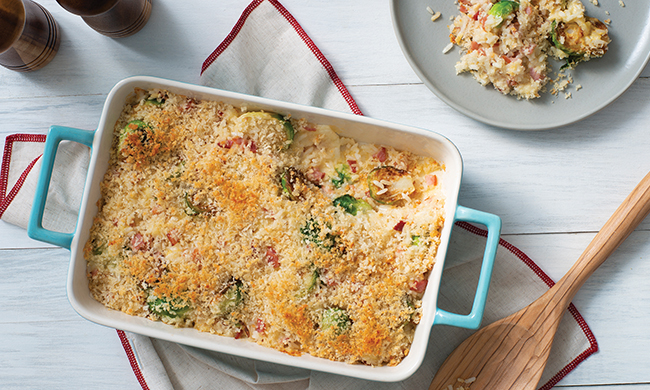
(Family Features) Turkey and ham may sit centerstage, but classic holiday sides can make the season truly special. You can bring smiles to your loved ones’ faces by dishing out those favorite recipes everyone asks for year after year.
Made with a delicious combination of rice, cheddar cheese, cream of mushroom soup and broccoli florets, this quick and easy version of Broccoli and Cheese Rice Casserole is an ideal one-pot dish to keep the holidays simple. With three easy steps and everyday ingredients, it comes together with minimal effort for traditional casserole taste.
When it comes to feeding a crowd, it’s often best to let your oven do the work. This Brussels Sprouts and Ham Rice Gratin recipe allows you to serve up a filling favorite with little effort using pantry staples. Plus, it’s a kid-friendly way to encourage veggies at this year’s holiday meal with gooey cheese providing tempting taste bud motivation.
These seasonal classics and more are made quick and easy with an option like Success Boil-in-Bag Rice, a pre-measured, mess-free way to make fluffy, high-quality rice. It’s cooked by simply dropping a bag of rice in a pot of water or broth then boiling it for 10 minutes. BPA-free and FDA-approved, the bags are safe to use and made to withstand high temperatures.
An added bonus: If you’re aiming to achieve a particular flavor, just season the rice by cooking in water infused with herbs, spices, broth, coconut milk or other liquids like juice for sweeter recipes.
Visit SuccessRice.com to find more holiday recipe inspiration.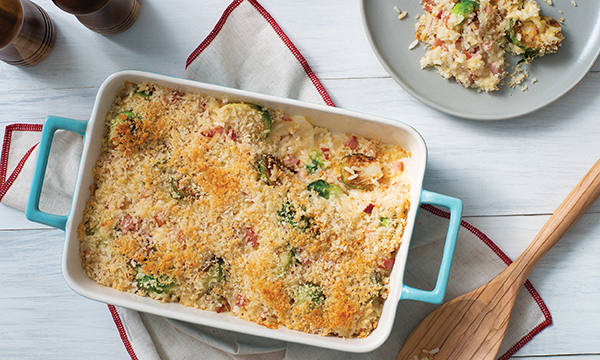
Brussels Sprouts and Ham Rice Gratin
Prep time: 20 minutes
Cook time: 25 minutes
Servings: 4
- 1 bag Success White Rice
- 1/2 pound Brussels sprouts, trimmed and halved
- 1/3 cup diced ham
- 1 clove garlic, minced
- 1 tablespoon olive oil
- 3/4 teaspoon salt, divided
- 3/4 teaspoon black pepper, divided
- 1 cup heavy cream
- 2 tablespoons finely chopped fresh chives
- 2 tablespoons Dijon mustard
- 1 cup shredded sharp cheddar cheese
- 1/2 cup grated Parmesan cheese, divided
- 1/3 cup breadcrumbs
- 2 tablespoons butter, melted
- Preheat oven to 450 F. Prepare rice according to package directions.
- In large bowl, toss Brussels sprouts, ham, garlic, olive oil, 1/4 teaspoon salt and 1/4 teaspoon pepper. Place on parchment paper-lined baking tray and roast 12-15 minutes, or until caramelized. Decrease oven temperature to 425 F.
- In large bowl, toss rice, Brussels sprouts mixture, cream, chives, Dijon mustard, remaining salt and remaining pepper. Stir in cheddar and 1/3 cup Parmesan cheese. Transfer mixture to greased, 2-quart baking dish.
- In small bowl, stir breadcrumbs, remaining Parmesan and melted butter. Sprinkle over rice mixture.
- Bake 12-15 minutes, or until golden brown and bubbling.
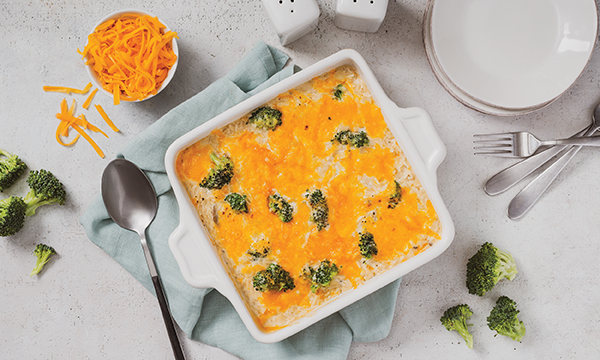
Broccoli and Cheese Rice Casserole
Prep time: 5 minutes
Cook time: 30 minutes
Servings: 4-6
- 1 bag Success White Rice or Brown Rice
- nonstick cooking spray
- 1 can (10 3/4 ounces) condensed cream of mushroom soup
- 2 cups frozen broccoli florets, thawed and drained
- 1 1/2 cups shredded cheddar cheese, divided
- 1/2 cup evaporated milk
- 3 tablespoons butter, melted
- 1 tablespoon grated onion
- 1/2 teaspoon salt
- 1/2 teaspoon black pepper
- Prepare rice according to package directions. Preheat oven to 350 F.
- Coat 2-quart casserole dish with nonstick cooking spray. In medium bowl, combine soup, broccoli, 1 cup cheddar cheese, evaporated milk, butter, onion, salt and pepper. Fold in rice.
- Pour mixture into prepared dish and top with remaining cheddar cheese. Bake 20 minutes.
SOURCE:
Success Rice
At our core, we at STM Daily News, strive to keep you informed and inspired with the freshest content on all things food and beverage. From mouthwatering recipes to intriguing articles, we’re here to satisfy your appetite for culinary knowledge.
Visit our Food & Drink section to get the latest on Foodie News and recipes, offering a delightful blend of culinary inspiration and gastronomic trends to elevate your dining experience.
https://stmdailynews.com/category/food-and-beverage
You can also find food and beverage-related videos on our YouTube channel, where we regularly post new content and share tips, recipes, and demonstrations. https://youtube.com/playlist?list=PLEhXBupt8tVynuUhpQZMxQt4lvPmOiAtQ&si=InDwc7YaB0KIwmxy

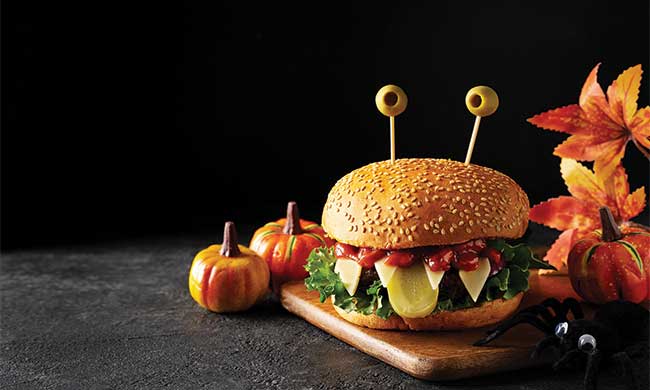
(Feature Impact) Out with the ordinary, in with the weird – that’s what the Halloween season is all about. These Halloween Monster Burgers give a ghoulishly fun twist on burger night, featuring all your favorite toppings transformed into olive eyes, cheese fangs and a pickle tongue.
Whether you reach for a traditional hamburger patty or switch it up with chicken, turkey, bean or veggie options, the effect is the same: a dinner that looks like it escaped from a mad scientist’s lab. It’s a good way to get some protein and veggies into kids before the trick-or-treating sugar rush, and you can even make it interactive by inviting them to decorate their own monsters and come up with creative variations.
Alternatively, if you’re looking for some spooky hors d’oeuvres to impress at this year’s Halloween party, these burgers are easy to size down into slider form. Serve a whole tray of mini monsters ready to devour – or be devoured by – hungry guests.
Find more Halloween recipe inspiration at Culinary.net.
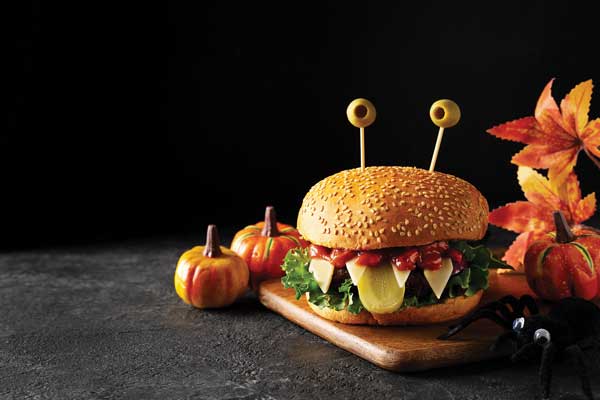
Halloween Monster Burgers
Recipe adapted from Happy Foods Tube
Prep time: 10 minutes
Total time: 18 minutes
Servings: 4
- 4 hamburger, chicken or veggie patties
- 4 tablespoons mayonnaise
- 4 teaspoons ketchup, plus additional, to taste, divided
- 4 hamburger buns
- 8 leaves baby romaine lettuce
- 4 slices dill pickles, sliced lengthwise
- 4 cheese slices
- 8 large green olives, pits removed
- Cook burger patties until they reach desired doneness.
- In small bowl, combine mayonnaise and 4 teaspoons ketchup. Spread each bun base with about 1 tablespoon mayo sauce then add two lettuce leaves and cooked burger patty.
- Add pickle slice as monster “tongue.” Take each cheese slice and cut triangles into one side to resemble teeth; add to burger then cover with ketchup “blood,” to taste.
- Stick olives on toothpicks and add two to each top bun as “eyeballs.”
Photo courtesy of Shutterstock

SOURCE:
Food and Beverage
4 Ways to Enjoy Fresher Foods at Home
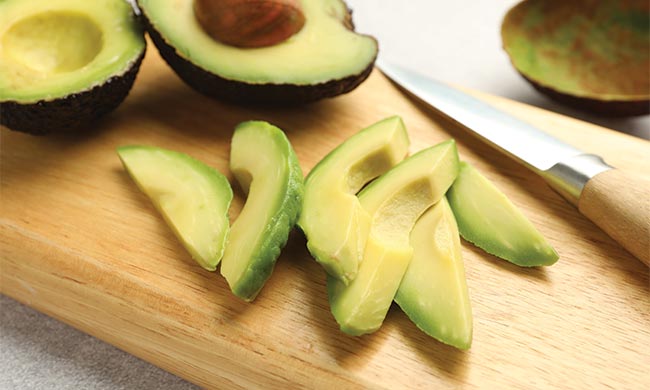
Fresher Foods at Home: Knowing your food was grown from the earth and nurtured by the sun and rain can add a whole new dimension of enjoyment to your meals, which processed foods often can’t replicate. Recipes like these Chicken and Avocado Rollups can be an easy solution for putting fresh foods like avocados on the menu.
4 Ways to Enjoy Fresher Foods at Home
(Feature Impact) Fresh fruits and vegetables add color, nourishment and satisfaction to life. Knowing your food was grown from the earth and nurtured by the sun and rain can add a whole new dimension of enjoyment to your meals, which processed foods often can’t replicate.
However, if you’ve ever bought a cart full of produce with the best intentions – only to watch as half of it goes bad before you’ve managed to use it – you aren’t alone. Eating fresh foods is often easier in your healthy-eating dreams than in reality. With small habit changes, though, you can transform your household into a place where fresh, whole-food ingredients are at the center of your daily routines.
Consider these suggestions from the fresh produce experts at Avocados from Colombia.
Shop with a Plan
Meal-planning before you shop can help ensure every ingredient you buy has a purpose within its shelf life. Instead of picking out fruits and vegetables with vague aspirations of figuring out something to do with them later, you can simply consult your list and remember you need peppers, onions and avocados for that breakfast burrito recipe you want to try.
Pay Attention to Where Food Comes From
The source of your food can make a big difference in its freshness. When produce is grown and harvested with care then shipped quickly to its destination, it preserves quality and simplifies the journey from the farm to your table.
Consider fresh fruits like Avocados from Colombia, which aren’t just grown but raised at high altitude in rich volcanic soil, nourished by mountain rain and harvested by the hands of growers who care about their land and their craft. The fruit reaches U.S. shipping ports in as little as 3-5 days, so you can confidently choose flavorful produce that arrives as fresh as possible from beautiful Colombian orchards.
With two harvest seasons across nine growing regions, fresh Colombian avocados can be enjoyed throughout the entire year, whether you want to serve bright guacamole or dice an avocado as a cool, creamy topping for a warm winter chili.
Use Fresh Ingredients in a Variety of Ways
It’s always easier to use fresh ingredients when you’re brimming with ideas of things to do with them. For instance, avocados can be transformed into guacamole, creamy salad dressing or flavorful sauces; sliced for use in grain bowls, salads or avocado toast; or frozen to blend into smoothies. This also makes it easier to buy produce in bulk or take advantage of sales.
Find Inspiration Online
Recipes like these Chicken and Avocado Rollups can be an easy solution for putting fresh avocados on the menu, offering the type of everyday joy the growers behind Avocados from Colombia hope you taste. Their new “Raised by Colombia” short film puts faces to that idea, following Don Hernando, a grower of 40 harvests, and his granddaughter Camila, who brought the science of growing home. It ends where your avocado does: at a family table, where the grandmother of the house serves it in a kitchen like yours.
To watch the film and discover more recipe ideas, visit AvocadosColombia.com/RaisedByColombia.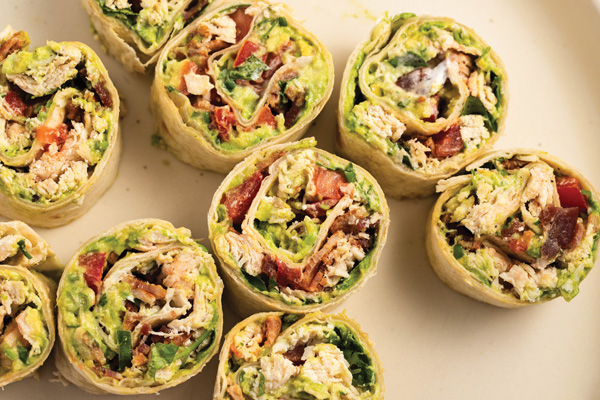
Chicken and Avocado Rollups
Recipe courtesy of Avocados from Colombia
Total time: 20 minutes
Servings: 5-6
- 2 tablespoons mayo
- 2 tablespoons sour cream
- 1 tablespoon lime juice
- 3 large flour tortillas, warmed
- 1 large avocado, smashed
- 2 Roma tomatoes, diced
- 1/4 cup red onion, diced
- 3 tablespoons cilantro, chopped
- 1 cup cooked chicken breast
- 6 slices bacon, cooked and crumbled
- salt, to taste
- pepper, to taste
- In small bowl, mix mayo, sour cream and lime juice.
- Place tortilla on flat service and spread with lime crema followed by smashed avocado.
- Layer with tomatoes, red onion, cilantro, chicken and bacon. Season with salt and pepper, to taste.
- Roll tortilla into tube shape and cut into pieces. Repeat with remaining tortillas and fillings.
Photo courtesy of Shutterstock (avocado on cutting board)
SOURCE:




