

Foodie News
Discover the Legacy of Fatburger: From Lovie Yancey’s Original Recipe to Global Success
The Burger Franchise That Has Stood the Test of Time. Fatburger

Last Updated on June 29, 2024 by Daily News Staff
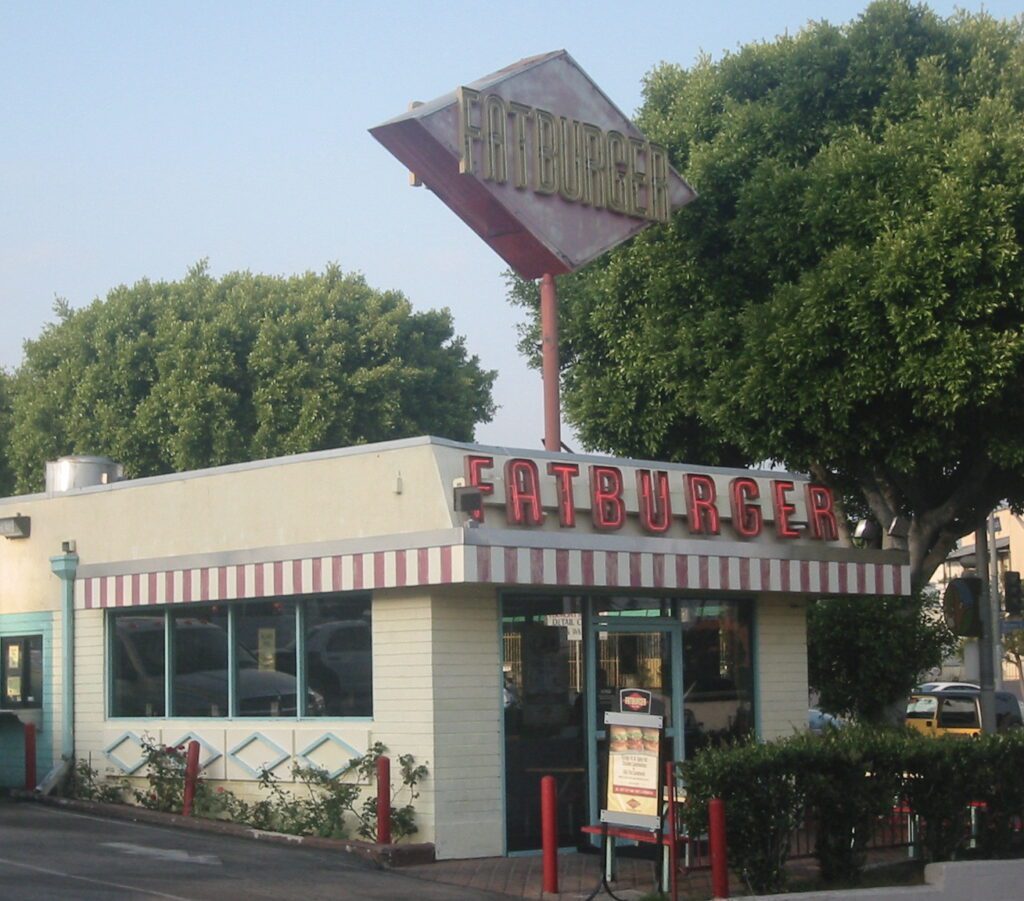
Image: Minnaert
Fatburger: The Burger Franchise That Has Stood the Test of Time
Fatburger stands as one of the most beloved hamburger franchises globally, celebrated for its juicy, mouth-watering burgers that have garnered a devoted customer base for over 70 years. The company was established in 1952 by Lovie Yancey, a visionary black woman from Los Angeles passionate about cooking and serving delicious food to her community.
Lovie’s original restaurant was located on Western Avenue in Los Angeles, California. It quickly became a local favorite owing to her unique burger recipe made from freshly ground beef, cooked-to-order, and served on a toasted bun with all the fixings. Her burgers were exceptional, and the word spread swiftly through word of mouth. This led to the opening of more Fatburger locations throughout the city.
The company’s success has continued to escalate over the years, making Fatburger a household name and leading to the expansion of its franchise across the country and eventually the world. Today, Fatburger boasts over 200 locations in 25 countries, while its headquarters remain situated in Beverly Hills, California.
One of the factors that set Fatburger apart from other burger chains is its commitment to quality ingredients and meticulous cooking methods. Each burger is made from 100% USDA-approved beef, grilled to perfection over an open flame, and served on a toasted bun with fresh lettuce, tomatoes, onions, pickles, and condiments of choice.
Another distinguishing feature of Fatburger is its “Build Your Own” burger option, allowing customers to personalize their burger with a wide array of toppings, from crispy bacon and melted cheese to creamy avocado and fried eggs. This customization option has made Fatburger a renowned spot for burger enthusiasts keen on creating their perfect burger.
In addition to its famous burgers, Fatburger’s menu includes an array of other delicious items such as chicken sandwiches, savory hot dogs, and creamy milkshakes. Over the years, the company has adapted to changing tastes and dietary preferences, offering vegetarian and vegan options for those opting for plant-based diets.
Despite the challenges posed by the COVID-19 pandemic, Fatburger has continued to thrive. Its focus on takeout and delivery options has significantly contributed to maintaining strong sales during these times. In 2020, the company even announced plans to go public through a merger with a special purpose acquisition company, underscoring its ongoing growth and success within the competitive fast-food industry.
Fatburger’s enduring success is not solely attributed to its menu but also to its community-centric approach and dedication to quality, which have remained core principles since Lovie Yancey first opened the doors. With a persistent focus on evolving with customer preferences and maintaining high standards, Fatburger continues to hold a cherished spot in the hearts of burger lovers worldwide.
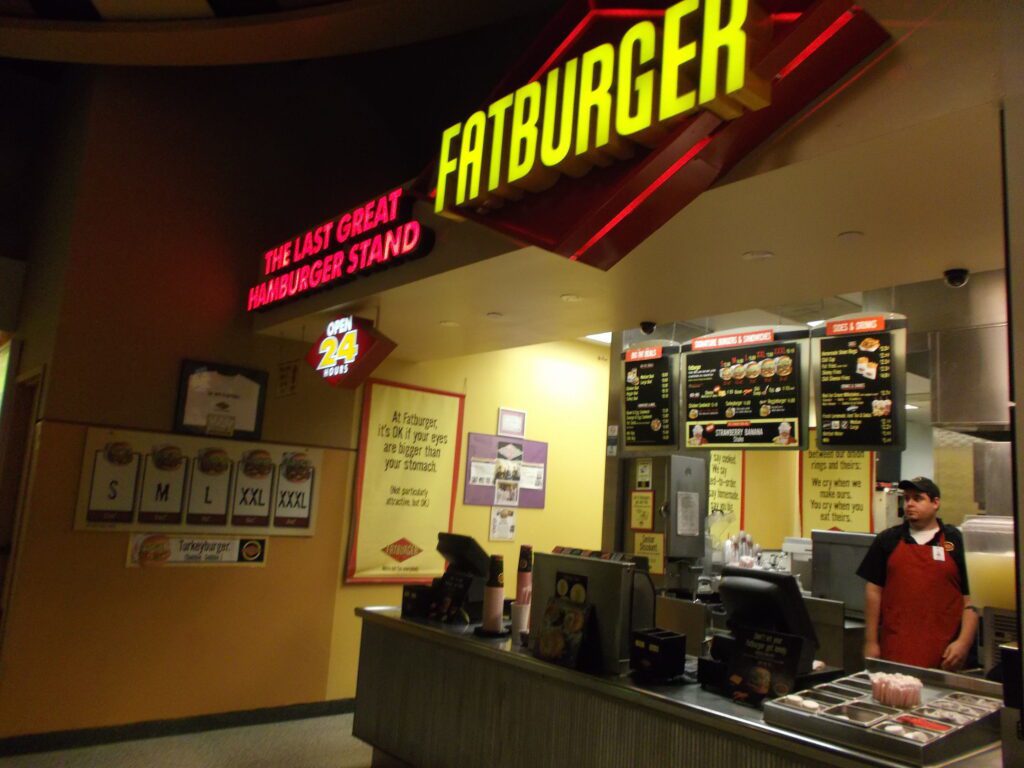
Fatburger is a beloved burger franchise with a rich history, founded by a passionate cook who wanted to share her love of good food with her community. Today, Fatburger continues to uphold its commitment to quality ingredients and customer satisfaction, making it a go-to spot for burger lovers around the world. Known for its fresh, never frozen beef patties, hand-scooped milkshakes, and an array of customizable toppings, Fatburger offers an exceptional dining experience that keeps customers coming back. With plans for continued expansion and innovation, such as introducing plant-based options and upgrading its digital ordering system, Fatburger is poised to remain a favorite fast-food chain for many years to come.
https://en.wikipedia.org/wiki/Fatburger
https://stmdailynews.com/category/food-and-beverage/
At our core, we at STM Daily News, strive to keep you informed and inspired with the freshest content on all things food and beverage. From mouthwatering recipes to intriguing articles, we’re here to satisfy your appetite for culinary knowledge.
Visit our Food & Drink section to get the latest on Foodie News and recipes, offering a delightful blend of culinary inspiration and gastronomic trends to elevate your dining experience.
https://stmdailynews.com/category/food-and-beverage
You can also find food and beverage-related videos on our YouTube channel, where we regularly post new content and share tips, recipes, and demonstrations. https://youtube.com/playlist?list=PLEhXBupt8tVynuUhpQZMxQt4lvPmOiAtQ&si=InDwc7YaB0KIwmxy


Foodie News
Red Lobster Serves Up October Deals, New Shrimp Flavors and Free Kids Meals for Halloween
Red Lobster unveils October 2026 deals, new Endless Shrimp flavors and free kids meals for Halloween weekend. See dates, offers and restrictions.

STM Daily News | Food & Drink | News Brief
October 13, 2026
Red Lobster Kids Eat Free Halloween 2026
Red Lobster is bringing new seafood specials, weekday meal deals and a Halloween treat for families this October. The restaurant chain has announced a lineup of promotions that includes discounted appetizers, new Endless Shrimp flavors and free kids meals for Halloween weekend.
The promotions, announced October 9, feature several offers for Canadian customers, along with select deals available in the United States.

New Weekday Seafood Deals
Red Lobster is introducing an updated weekday Daily Deals menu at participating Canadian restaurants, featuring a different seafood combination each day.
The lineup includes:
- Monday – Endless Shrimp ($36.99 CAD): A selection of shrimp favorites served with one side.
- Tuesday – Crab Lover’s Duo ($34.99 CAD): Steamed snow crab legs paired with Crab & Shrimp Linguini Alfredo.
- Wednesday – Steak & Walt’s ($27.99 CAD): Grilled sirloin with Walt’s Favourite Shrimp and one side.
- Thursday – Salmon New Orleans ($29.99 CAD): Blackened salmon topped with shrimp in Cajun butter sauce.
- Friday – Captain’s Platter ($25.99 CAD): Garlic shrimp, popcorn shrimp and crispy battered fish with one side.
These prices and specific weekday offers apply to participating Canadian restaurants. Red Lobster’s U.S. Daily Deals are separate and may differ in price and availability.
Endless Shrimp Gets an OLD BAY Twist
Beginning October 13, Red Lobster is adding NEW OLD BAY Garlic Shrimp to its Canadian Endless Shrimp lineup.
The limited-time promotion allows guests to mix and match shrimp varieties throughout their meal, accompanied by a side and Red Lobster’s signature Cheddar Bay Biscuits.
The Canadian Endless Shrimp promotion is advertised at $34.99 CAD, with pricing and participation varying by location. Endless Shrimp is available for dine-in only at participating U.S. and Canadian restaurants.
Kids Eat Free for Halloween Weekend
Families looking for a Halloween dining treat can take advantage of Red Lobster’s Kids Eat Free promotion from October 30 through November 1, 2026, at participating restaurants in both the United States and Canada.
Children who arrive in costume can receive free kids meals when dining with an adult purchasing a full-price dinner entrée.
For dine-in customers, one qualifying adult entrée can provide up to two free kids meals, with a maximum of two per table.
Families ordering online for takeout can receive one free kids meal with a qualifying adult entrée by using promo code SPOOKY26.
The maximum discount is $9.99 per free kids meal, and additional restrictions apply.
What About the $3 Appetizers?
Red Lobster also offered $3 individually sized appetizers from October 9–12 at participating Canadian restaurants. The limited-time Thanksgiving weekend promotion included Island Coconut Shrimp, Shrimp Cocktail and Mozzarella Cheesesticks with the purchase of an entrée.
That promotion has now ended and was not advertised as a U.S. offer.
Check Before You Go
With restaurant promotions varying by country and location, customers should confirm availability, prices and restrictions before visiting.
For menus, participating restaurants and additional details, visit Red Lobster’s U.S. website or Red Lobster Canada.
More Food & Drink News from STM Daily News
Looking for the latest restaurant promotions, food trends, recipes and dining news? Explore the Food & Drink section of STM Daily News for more delicious discoveries, helpful tips and updates on what’s happening in the world of food.
Source: RL Investor Holdings LLC / Red Lobster, press release dated October 9, 2026.
Editor’s Note: Promotional offers are subject to participation, availability and restrictions. Canadian prices are listed in Canadian dollars and should not be interpreted as U.S. pricing.

Beverages
Dr Pepper Ice Cream Float Is Coming: Keurig Dr Pepper Teases 2027 Flavor Pipeline Ahead of NACS
Keurig Dr Pepper is already looking past the next season and into 2027. In a new announcement ahead of the National Association of Convenience Stores (NACS) Show, the beverage giant previewed a slate of new products designed to hit the biggest pressure points in today’s drink culture: nostalgia that still feels fresh, a louder energy category, and brand updates meant to keep icons like 7UP and Sunkist relevant on shelves and fountain lines.
For Food & Drink readers, the headline is simple: the “treat soda” era isn’t slowing down—and KDP is leaning into it with flavors that borrow from desserts, frozen cocktails, and childhood staples, often with Regular and Zero Sugar versions built in from day one.
Familiar Favorites, Reimagined (and Built for Zero Sugar)
KDP’s pitch is that younger consumers are experimenting across categories, but they still want the comfort of brands they grew up with. That’s showing up in 2027 as “classic, but remixed.”
Dr Pepper Ice Cream Float (Permanent)
The biggest new reveal is Dr Pepper Ice Cream Float, a flavor that blends the brand’s signature “23 flavors” with creamy vanilla ice cream notes, plus caramel and butterscotch.
- Launch timing: February 2027
- Where you’ll see it: cans and 20 oz. bottles first
- More formats later: fountain and frozen dispensed versions expected mid-year
It’s an important detail that this one is nationwide and permanent, not a limited-time test. That signals confidence that dessert-forward sodas are now a stable lane—not just a novelty.
7UP Miami Vice (Limited-Time)
KDP is also turning 7UP into a tropical, frozen-cocktail-inspired playground with 7UP Miami Vice, combining lime-lemon with strawberry daiquiri and piña colada flavors.
- Launch timing: June 2027
- Status: limited-time offering
7UP Shirley Temple (Holiday Return)
One of 7UP’s most successful recent platforms is coming back: 7UP Shirley Temple, featuring cherry and pomegranate.
- Launch timing: holiday season 2027
- What’s new: expanded immediate-consumption availability via a new 20 oz. package
Canada Dry Raspberry Lemonade (Seasonal Twist)
For spring, KDP is adding Canada Dry Raspberry Lemonade, mixing raspberry and lemonade flavors with the brand’s crisp profile.
- Launch timing: Spring 2027
Energy Gets Bigger (and More Collaborative)
KDP’s other major bet is energy. The company says innovation and limited-time drops are driving a large share of category growth, and it plans to distribute more than 25 new energy items in 2027 across owned brands and partners.
GHOST Energy: 7UP and A&W Become Permanent
GHOST—now positioned by KDP as a $1 billion retail brand—is making two 2026 limited releases permanent in 2027:
- GHOST Energy x 7UP
- GHOST Energy x A&W
New additions include:
- GHOST Energy Sour Strips Appleberry (green apple + strawberry), launching January
- GHOST Energy Blueberry Cream (blueberry + vanilla, “nostalgic yogurt-inspired”), as a limited-time release later in 2027
Bloom Energy: “Iconic Treats” Lineup
Bloom is going straight for the ice-cream-truck memory bank:
- Strawberry Shortie (October 2026)
- Cotton Candy (January 2027)
- Lemon Freezie (January 2027)
C4 Energy: Cereal’s Most Wanted Expands
C4 is expanding its zero-sugar Cereal’s Most Wanted lineup:
- Cocoa Loco in 16 oz cans (January 2027)
- New 8.4 oz mini cans for select flavors
The subtext here is clear: energy is increasingly behaving like soda—flavor-first, collectible, and built for repeat discovery.
Icon Brands Get Refreshed (7UP and Sunkist)
Not every innovation is a new flavor. KDP is also investing in renovations that keep legacy brands competitive.
- 7UP recently rolled out its biggest evolution in more than 15 years, including a more lime-forward formula and refreshed visual identity.
- Sunkist is slated for updated graphics and a refreshed recipe in Q1 2027, aiming for a more fruit-forward orange taste.
For convenience retailers—and for anyone watching the beverage aisle—these updates matter because they’re designed to improve “shelf pop” and keep familiar brands from feeling dated next to trendier newcomers.
What to Watch For (Food & Drink Angle)
If you’re tracking where mainstream beverage culture is going, KDP’s 2027 preview points to three big themes:
- Dessert and “treat” flavors are becoming everyday drinksFloat, cream, caramel, butterscotch—these are no longer seasonal one-offs.
- Zero Sugar is now the default, not the alternativeMany of these launches are planned in both Regular and Zero Sugar formats, which changes how quickly they can scale.
- Energy is turning into a flavor labCollaborations, limited-time drops, and nostalgic concepts are making energy behave like the most experimental part of the aisle.
Bottom Line
Keurig Dr Pepper’s early look at 2027 innovation reads like a map of where beverage demand is headed: familiar brands with a twist, more energy variety, and strategic refreshes that keep icons in the conversation. If Dr Pepper Ice Cream Float lands the way KDP expects, don’t be surprised if “dessert soda” becomes a year-round staple—especially in convenience stores where discovery drives the impulse buy.
Quick Launch Timeline (At a Glance)
- Oct 2026: Bloom Energy Strawberry Shortie
- Jan 2027: GHOST Energy Sour Strips Appleberry; Bloom Cotton Candy + Lemon Freezie; C4 Cereal’s Most Wanted expansion
- Feb 2027: Dr Pepper Ice Cream Float (permanent)
- Spring 2027: Canada Dry Raspberry Lemonade
- Mid-2027: Dr Pepper Ice Cream Float fountain + frozen formats
- June 2027: 7UP Miami Vice (limited-time)
- Holiday 2027: 7UP Shirley Temple return (with expanded 20 oz availability)
- Q1 2027: Sunkist refreshed graphics + recipe
Source (Press Release)
- Keurig Dr Pepper — “Keurig Dr Pepper Reveals 2027 Beverage Innovation Ahead of NACS Show” (PRNewswire, Oct. 5, 2026)
Related Links
- Keurig Dr Pepper corporate site: https://www.keurigdrpepper.com
- Keurig Dr Pepper on LinkedIn (for brand updates/announcements): https://www.linkedin.com/company/keurig-dr-pepper-inc-/
- NACS Show (event context): https://www.nacsshow.com
- Circana (referenced for data in the release): https://www.circana.com
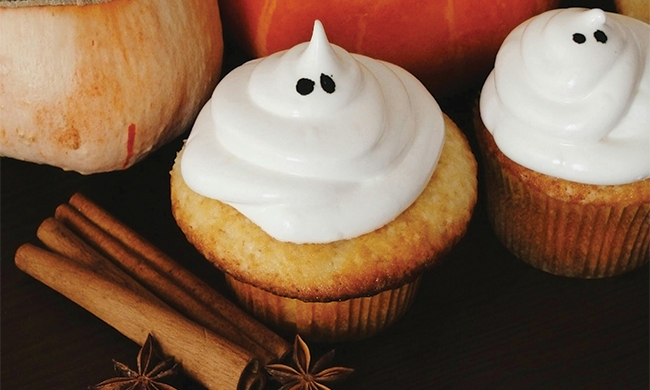
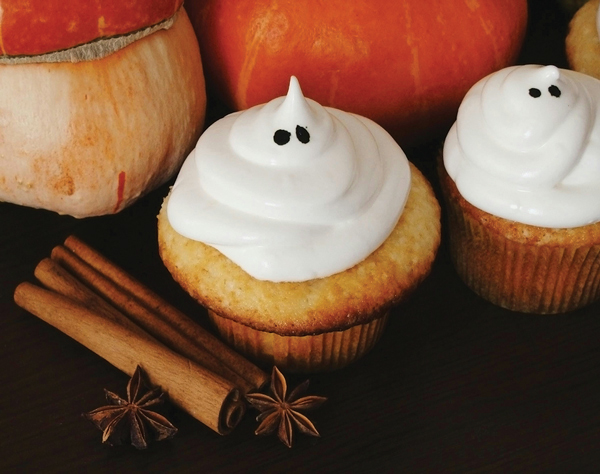
(Feature Impact) Fall flavors and Halloween decorations make an ideal seasonal combination. These Cinnamon Spiced Ghost Cupcakes are the perfect example, with the warmth and sweetness of the cake offering a tasty base for piles of frightful frosting. All it takes to transform a swirl of white buttercream into a spooky ghost is a couple dots of food coloring, chocolate chips or another candy of choice.
They’re simple to make, easy to personalize and fun for all ages, whether you’re baking a tray for kids to decorate or bringing them to a Halloween party. Add sprinkles, a dusting of cinnamon or decorations that fit your theme.
Find more seasonal recipes to enjoy at Culinary.net.
Cinnamon Spiced Ghost Cupcakes
Recipe adapted from The Marble Kitchen
Prep time: 20 minutes
Cook time: 16 minutes
Servings: 12
- 1 1/4 cups all-purpose flour
- 3/4 teaspoon baking powder
- 2 teaspoons ground cinnamon
- 1/2 teaspoon kosher salt
- 6 tablespoons unsalted butter, at room temperature
- 1/2 cup granulated sugar
- 1/4 cup brown sugar
- 1 egg, at room temperature
- 3/4 cup milk
- 1 teaspoon vanilla extract
Vanilla Buttercream Frosting:
- 1 cup unsalted butter, at room temperature
- 1/2 teaspoon salt
- 4 cups powdered sugar, sifted
- 3-5 tablespoons heavy cream, at room temperature
- 1 tablespoon vanilla extract
- black food dye or chocolate chips
- Preheat oven to 350 F and line cupcake pan with paper liners.
- In medium bowl, combine flour, baking powder, cinnamon and salt.
- Using electric or stand mixer, cream butter, sugar and brown sugar about 4 minutes on medium or medium-high speed until light and fluffy. Add egg, mixing well and scraping down bowl.
- In small bowl or measuring cup, whisk milk and vanilla. Set aside.
- Add 1/3 dry ingredient mixture to butter mixture and beat until combined. Add 1/2 milk mixture and mix well. Continue alternating dry and wet ingredients.
- Bake about 16 minutes, or until toothpick inserted in middle of cupcake comes out clean. Cool in pan 5 minutes then transfer to wire rack to cool completely before frosting.
- To make frosting: Using electric or stand mixer, beat butter and salt on medium-high speed 5 minutes, scraping down bowl halfway through.
- Reduce speed to low and add sugar 1/2 cup at a time, alternating with heavy cream until 3 tablespoons have been added. Stop occasionally to scrape down bowl. Once all sugar is in, add vanilla and beat on medium-low 1 minute until light and fluffy. If desired, add additional cream 1 teaspoon at a time until frosting reaches preferred consistency.
- Place buttercream in piping bag with large round tip. Pipe tall mounds of frosting on each cupcake in ghost shapes (wider on bottom, narrower on top). Add dots of black food dye or chocolate chips for eyes.
Photo courtesy of Unsplash

SOURCE:





